
For travelers exploring the diverse landscapes, vibrant cities, and unique cultural experiences that the United States has to offer, understanding the local legal framework of any destination is an essential part of responsible and informed travel. While Life Out of the Box typically focuses on exciting destinations, comfortable hotels, and enriching tourism experiences, certain legal matters can significantly impact one’s travel planning and personal lifestyle choices, especially for those considering a trip to a state like Texas. The question “Are abortions legal in Texas?” touches upon a critical aspect of healthcare access that can influence travel decisions for many individuals and families. This comprehensive guide aims to shed light on the current legal status of abortion in Texas and provide practical travel considerations for anyone visiting or planning an extended stay in the Lone Star State.
The legal landscape surrounding abortion in the United States has undergone significant changes, particularly following the Supreme Court‘s decision in June 2022 to overturn Roe v. Wade. This landmark ruling eliminated the constitutional right to abortion, returning the authority to regulate or ban the procedure to individual states. Texas, known for its vast size, bustling metropolitan areas like Dallas, Houston, Austin, and San Antonio, and unique cultural landmarks, is one such state that has implemented stringent restrictions. For travelers, understanding these specific laws is paramount, not just for personal health planning but also for comprehending the broader social and legal environment of their chosen destination.
Understanding the Legal Landscape in Texas
Navigating the complexities of state laws, especially those pertaining to healthcare, is an important part of responsible travel planning. When considering a visit to Texas, it’s crucial to be aware of the specific legal framework governing abortion access. This knowledge can inform various aspects of a trip, from health preparedness to understanding the local community and available resources.
The Current State of Abortion Law
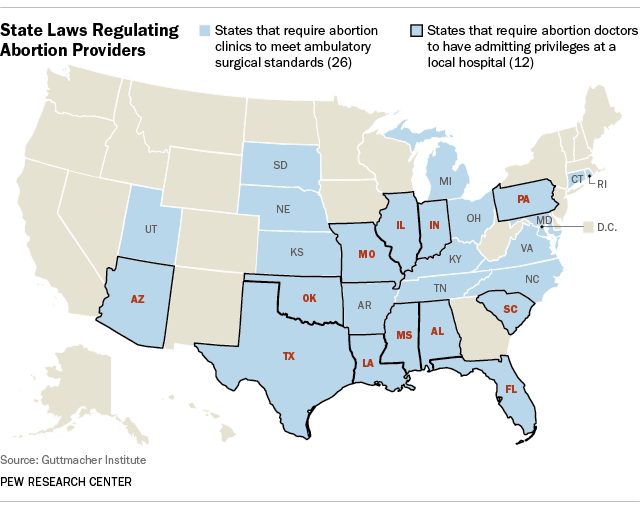
As of the current legal standing, abortion is largely prohibited in Texas. Following the overturning of Roe v. Wade, a trigger law went into effect, effectively banning almost all abortions from the moment of fertilization. This law, known as the Texas Human Life Protection Act, includes very limited exceptions. The primary exception is to save the life of the pregnant person, or to prevent a substantial risk of death or irreversible physical impairment to a major bodily function. There are no exceptions for rape or incest.
This means that for the vast majority of circumstances, abortion services are not legally available within the state’s borders. Healthcare providers who perform or induce an abortion face severe penalties, including lengthy prison sentences and significant fines. Individuals who assist someone in obtaining an abortion may also face legal repercussions under certain interpretations of existing laws. For travelers, this implies that seeking abortion services within Texas is virtually impossible, and attempting to do so could lead to legal complications for both the individual and any assisting parties. This stark reality significantly shapes the healthcare lifestyle considerations for anyone planning to visit or reside in Texas, necessitating careful planning if such a need were to arise.
Implications for Residents and Travelers
The implications of Texas’s strict abortion laws extend to both residents and visitors alike. For travelers, it means that if a need for abortion services arises during their stay, they would need to seek care outside of Texas. This introduces a layer of complexity to travel planning that isn’t typically associated with vacationing or business trips. It necessitates an awareness of the legal landscape in neighboring states or other regions of the United States where abortion may remain legal.
Furthermore, the legal climate can influence the broader travel experience. For some, the restrictive laws might affect their decision to choose Texas as a destination for leisure, business, or even long-term accommodation. It becomes part of the “local culture” and “activities” one must be aware of, even if indirectly. Families, women, and individuals who prioritize access to comprehensive reproductive healthcare may factor these laws into their travel calculus, potentially opting for destinations with different legal frameworks. This is an important aspect of lifestyle travel, where personal values and practical considerations intertwine with the choice of where to explore.

Navigating Reproductive Healthcare While Traveling
For those planning a trip to Texas, or for individuals who find themselves in the state and require reproductive healthcare that is not available locally, careful planning and informed decision-making are paramount. Travel for medical reasons, particularly for sensitive procedures, requires attention to detail, privacy, and logistical arrangements. This section offers guides and tips for navigating these challenging circumstances.
Planning Considerations for Your Journey
When planning travel, especially for a sensitive medical need, several factors come into play. If considering travel from Texas to another state for abortion services, it’s vital to research the laws of the intended destination thoroughly. Abortion legality and gestational limits vary widely by state. Key planning considerations include:
- Legal Status and Gestational Limits: Confirm that abortion is legal in your chosen out-of-state destination and understand any gestational age limits that may apply. These limits can be as early as six weeks or more restrictive, depending on the state.
- Clinic Appointments: Schedule appointments well in advance. Many clinics in states where abortion is legal are experiencing increased demand, which can lead to longer wait times. Confirm all details, including necessary pre-procedure requirements and follow-up care.
- Travel Logistics: Consider the distance, mode of transport, and time required for the journey. This might involve flights, bus travel, or driving. Factor in potential delays and the need for rest.
- Time Off: Account for the time needed for travel, the procedure itself, and recovery. This may mean taking several days off work or other commitments.
- Support System: If possible, travel with a trusted companion. Having a support person can greatly ease the emotional and logistical burden.
- Financial Planning: Abortion services, travel, and accommodation can be costly. Research financial assistance options if needed, such as abortion funds or patient navigation services.
These detailed steps are crucial for ensuring a smooth and safe medical travel experience, allowing individuals to focus on their well-being rather than logistical hurdles.
Exploring Nearby States for Services
For those in Texas seeking abortion services, nearby states with different legal frameworks become potential destinations. States like New Mexico, Colorado, Kansas, and even further afield states such as California or Illinois have varying degrees of abortion access. Each state has its own specific laws regarding gestational limits, waiting periods, and parental consent requirements (for minors).
- New Mexico: Often a closer option for Texans, New Mexico has some of the most protective abortion laws in the United States, with no gestational limits or waiting periods. Cities like Albuquerque offer clinics.
- Colorado: This state also protects abortion access, with no gestational limits and no waiting periods. Denver and Colorado Springs are common destinations.
- Kansas: While having some restrictions, Kansas generally allows abortion up to 22 weeks of pregnancy, with a 24-hour waiting period.
- Other Potential States: Depending on specific needs and travel capabilities, individuals might consider states like Arizona (which has varying laws depending on court rulings and appeals, requiring careful research), Nevada, or even states further away like California or Illinois, which are known for robust abortion protections.
It is absolutely crucial to verify the most current laws and clinic availability in any chosen state, as the legal landscape is subject to frequent change. Resources from reputable reproductive rights organizations can provide up-to-date information and clinic directories.
Accommodation and Privacy Concerns
When traveling for sensitive medical care, securing appropriate accommodation that offers privacy and comfort is a key consideration. Hotels, suites, or even private apartments booked through platforms can offer different levels of discretion and amenities.
- Choosing the Right Accommodation: Look for hotels or apartments that are conveniently located near the clinic but also offer a sense of retreat. Reviews (though not typically for medical travel specifically) can sometimes give clues about noise levels or general guest privacy. Consider amenities like in-room dining, which can reduce the need to venture out.
- Privacy Best Practices: When booking accommodation, use discretion. If paying online, ensure the payment method maintains your privacy. Avoid discussing the purpose of your trip with hotel staff unless absolutely necessary.
- Considering Extended Stays: Depending on the procedure and recovery time, a longer stay in a hotel or apartment might be necessary. Some hotels offer discounted rates for extended stays, or you might find better value in a short-term apartment rental.
- Transportation: Plan for private transportation to and from the clinic. Taxis, ride-sharing services, or a rental car can offer more control and privacy than public transit.
Prioritizing privacy and comfort during such a trip can significantly reduce stress and contribute to a smoother recovery, aligning with a focus on personal well-being as a core aspect of lifestyle travel.
Broader Travel and Lifestyle Considerations
Beyond the immediate legal and logistical aspects of seeking reproductive healthcare, there are broader considerations for any traveler embarking on a trip to a region with unique legal challenges. These insights align with Life Out of the Box’s mission to provide comprehensive guides and tips for a well-rounded and informed travel experience.
Ensuring Your Well-being on Any Trip
No matter the purpose of your travel, maintaining personal well-being is paramount. For those traveling to or from Texas with reproductive healthcare in mind, this includes both physical and mental health.
- Health Preparedness: Always travel with essential medications and a copy of important medical records. Understand how your insurance (if you have it) might work out of state or for specific procedures.
- Emotional Support: Traveling for medical reasons, especially sensitive ones, can be emotionally taxing. Ensure you have a support system, whether it’s a travel companion, friends, or family you can communicate with remotely. Mental health resources can also be invaluable.
- General Travel Safety: Practice standard travel safety measures: inform someone of your itinerary, be aware of your surroundings, and secure your belongings. Even during a focused medical trip, maintaining general safety is crucial.
- Respecting Local Norms: While your personal decisions are your own, being aware of and respectful of local customs and social norms can contribute to a smoother experience in any new destination.
Prioritizing these elements ensures that, regardless of the unique challenges, the overall travel experience remains as safe and manageable as possible.
Resources and Information for Informed Decisions
Access to accurate and up-to-date information is the cornerstone of informed travel decisions, especially when complex legal and health matters are involved. Travelers should leverage reputable resources to stay informed.
- Reproductive Rights Organizations: National and local organizations dedicated to reproductive rights often provide detailed, state-by-state guides on abortion laws, clinic directories, and financial assistance programs. These are invaluable tools for planning out-of-state travel.
- Legal Aid Services: If you have specific legal questions related to travel or healthcare access, consulting with a legal professional specializing in reproductive law can provide clarity and peace of mind.
- Patient Navigators: Many clinics and organizations offer patient navigator services, which can help individuals plan their travel, arrange accommodation, and connect with resources.
- Tourism Boards and Travel Guides: While not directly related to abortion, these resources can help with general trip planning, local transportation, and selecting accommodations that fit your needs and preferences, enhancing the overall comfort of your journey.
Utilizing a combination of these resources ensures a well-planned and secure trip, even when navigating sensitive issues.
The Role of Travel Insurance
Travel insurance is a common recommendation for any significant trip, and its role becomes even more critical when medical travel or the potential for unforeseen health needs is a factor. While standard travel insurance typically does not cover elective medical procedures like abortion, it can be crucial for other emergencies.
- Medical Emergencies: Good travel insurance can cover unexpected medical emergencies that might arise during your trip, unrelated to your primary medical purpose. This can include accidents, sudden illnesses, or hospitalizations.
- Trip Cancellation/Interruption: If your travel plans are disrupted due to unforeseen circumstances (e.g., severe weather, personal emergencies, or illness), travel insurance can help recover costs for flights, hotels, and other prepaid accommodations.
- Emergency Evacuation: In severe cases, emergency medical evacuation coverage can be invaluable, especially if you are traveling to remote areas or need specialized care back home.
- Understanding Coverage: Always read the fine print of any travel insurance policy to understand what is and isn’t covered. If traveling for a pre-existing medical condition or a planned medical procedure, ensure you understand how the policy treats these situations.
For those considering travel to Texas or from Texas for medical reasons, comprehensive travel insurance offers an additional layer of financial protection and peace of mind against the unexpected, allowing for a more secure and stress-free lifestyle during your travels.
Making Informed Choices for Your Travel Experience
The question “Are abortions legal in Texas?” reveals a complex legal reality that significantly impacts healthcare access in the state. For the discerning traveler, understanding this landscape is not merely a legal detail but a fundamental aspect of planning a responsible and informed journey. Whether you’re drawn to Texas for its vibrant cities, historic landmarks, or unique experiences, being aware of the state’s laws around reproductive healthcare is essential.
Life Out of the Box aims to empower travelers with the knowledge needed to make the best decisions for their individual lifestyle and well-being. This includes being prepared for all eventualities, understanding the resources available, and knowing how to navigate sensitive situations discreetly and effectively. By conducting thorough research, utilizing reliable resources, and planning meticulously, travelers can ensure their trips are not only memorable for the right reasons but also safe, secure, and aligned with their personal needs and values, regardless of the destination.