
The question of whether all fires are out in California is not a simple yes or no. The Golden State, renowned for its diverse landscapes, from the sun-drenched beaches of Southern California to the towering forests of the Sierra Nevada, is a popular tourist destination. However, the reality of its geography also includes a persistent threat of wildfires, particularly during the drier months. Understanding the current fire situation is crucial for any traveler planning a visit, impacting everything from travel routes and air quality to the availability of accommodations and the enjoyment of outdoor activities.
Understanding California’s Wildfire Landscape
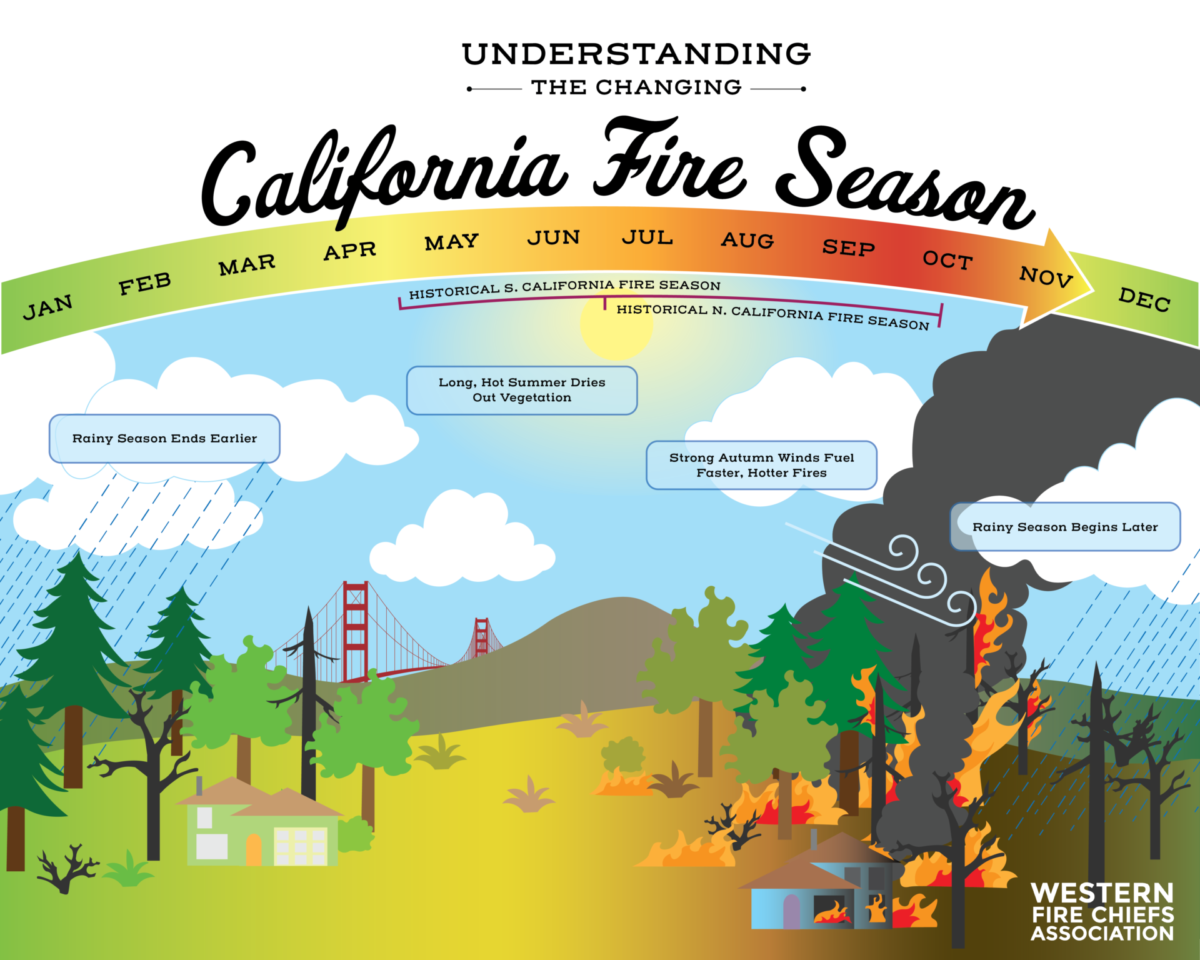
California’s climate, characterized by hot, dry summers and mild, wet winters, creates a natural predisposition for wildfires. This is further exacerbated by factors such as high winds, dry vegetation, and human activity. While the intensity and scale of fires can vary significantly year to year, the potential for them to erupt is a constant consideration for residents and visitors alike.
The Role of Climate and Topography
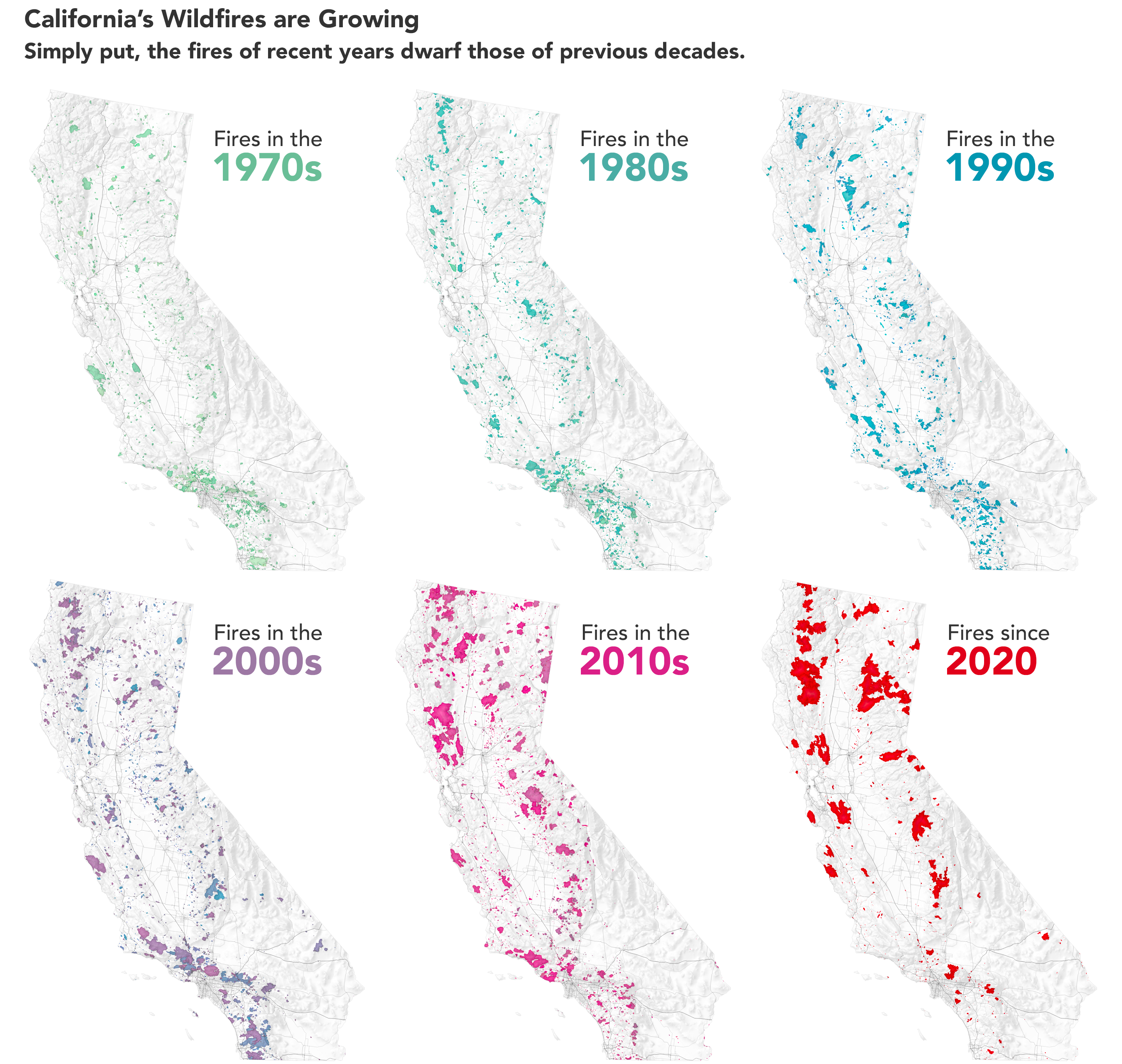
The state’s varied topography plays a significant role in fire behavior. Mountainous regions with dense forests, like those found in the Sierra Nevada and along the Pacific Coast Range, can become tinderboxes when conditions are right. Conversely, the chaparral ecosystems in Southern California are adapted to fire, but can burn with intense speed and ferocity. Climate change has been identified as a significant contributor to longer and more severe fire seasons, leading to increased dryness of vegetation and more extreme weather patterns. This means that even historically less prone areas can experience significant fire activity.
Seasonal Patterns and Contributing Factors
While wildfires can occur year-round in California, the risk typically escalates in the late spring and summer months, peaking in the fall. This is when vegetation is driest and Santa Ana winds, hot, dry offshore winds that can fan flames rapidly, are most prevalent. Lightning strikes, though less common than human-caused ignitions, can also spark fires in remote areas. Human activities, from unattended campfires and discarded cigarettes to equipment malfunctions and arson, are responsible for a significant percentage of ignitions. Understanding these seasonal patterns and contributing factors is key to anticipating potential fire activity during a travel itinerary.
Current Fire Status and Monitoring
The question of “Are all the fires out?” requires constant vigilance and access to up-to-date information. Official sources are the most reliable for assessing the current fire situation and determining if any major incidents are ongoing that could impact travel plans.
Official Fire Reporting Agencies
In California, the primary agencies responsible for fighting and reporting on wildfires are Cal Fire (California Department of Forestry and Fire Protection) and the U.S. Forest Service for federal lands. These agencies provide real-time updates on active fires, their containment status, and any evacuation orders or warnings. Websites and social media channels of these organizations are invaluable resources for travelers. For instance, Cal Fire’s incident page provides a comprehensive map and detailed information on active incidents across the state. It’s crucial to consult these official sources directly rather than relying on anecdotal evidence.

Air Quality and Its Impact on Travel
Even when fires are not directly impacting a tourist’s immediate location, the smoke they produce can travel hundreds of miles, significantly affecting air quality. Smoke can cause respiratory issues, reduce visibility, and lead to the cancellation of outdoor activities. Air quality indexes, often available through local news outlets, government environmental agencies, and dedicated air quality apps, are essential tools for travelers. When smoke is present, it’s advisable to stay indoors, limit strenuous outdoor activity, and consider rescheduling plans if air quality is severely compromised. This is particularly important for vulnerable populations such as children, the elderly, and individuals with pre-existing respiratory conditions.
Planning Your Trip Amidst Fire Season
The reality of wildfires in California necessitates a proactive approach to travel planning. While the Golden State offers unparalleled travel experiences, being informed and prepared can ensure a safe and enjoyable visit.
Pre-Trip Research and Flexibility
Before booking any travel, it is prudent to research the current fire season status for the specific regions you intend to visit. Websites like Cal Fire and the National Interagency Fire Center (NIFC) offer valuable information. Look for any ongoing major incidents, red flag warnings (periods of high fire danger), or significant air quality advisories. Flexibility in your itinerary is also key. Having alternative plans or being willing to adjust your activities based on prevailing conditions can save you from disappointment. For example, if hiking trails in a particular national park are closed due to fire activity, consider exploring a different region or focusing on indoor attractions in a nearby city.
Choosing Destinations and Accommodations
The choice of destination can also be influenced by wildfire risks. Coastal areas, while not immune, may experience less direct impact from inland fires compared to mountainous or forested regions. Similarly, major metropolitan areas like Los Angeles or San Francisco may offer more indoor attractions and less reliance on outdoor activities that are susceptible to fire-related disruptions. When booking accommodations, particularly in fire-prone areas, consider their proximity to evacuation routes and their own fire preparedness plans. Resorts and hotels are often equipped with emergency procedures, but it’s wise to be aware of your surroundings and have a personal evacuation plan in place. Checking recent reviews or directly contacting your accommodation provider for their wildfire preparedness can offer peace of mind.
Essential Travel Preparations
Beyond itinerary planning, several practical preparations can enhance your safety and comfort:
- Emergency Kit: Pack a small emergency kit with essentials like a first-aid kit, masks (N95 or KN95 are recommended for smoke), water, non-perishable snacks, and any necessary medications.
- Communication: Ensure your mobile phone is fully charged and consider downloading offline maps of the area, as cellular service can be unreliable during emergencies.
- Stay Informed: Tune into local news or use official apps to receive real-time updates on fire conditions and any emergency alerts.
- Know Evacuation Routes: Familiarize yourself with the primary and secondary evacuation routes from your accommodation and any areas you plan to visit.
By taking these steps, travelers can navigate the complexities of California’s wildfire season with greater confidence, ensuring that their adventures are as safe and memorable as possible. While the question of whether all fires are out is a dynamic one, preparedness and information are the most powerful tools for any visitor.
LifeOutOfTheBox is a participant in the Amazon Services LLC Associates Program, an affiliate advertising program designed to provide a means for sites to earn advertising fees by advertising and linking to Amazon.com. Amazon, the Amazon logo, AmazonSupply, and the AmazonSupply logo are trademarks of Amazon.com, Inc. or its affiliates. As an Amazon Associate we earn affiliate commissions from qualifying purchases.