
For those planning to explore the vast and varied landscapes of the Sooner State, one fundamental question often arises: how many counties are in Oklahoma? The answer is precisely 77 counties. This seemingly simple number unlocks a world of travel possibilities, revealing a state rich in history, diverse cultures, and stunning natural beauty. Each of Oklahoma’s 77 counties offers a unique glimpse into the heart of America, making the state a fascinating destination for any traveler, whether seeking adventure, relaxation, or a deeper understanding of regional heritage.
Understanding the county structure is more than just a geographical exercise; it’s a key to unlocking unique travel experiences, pinpointing hidden gems, and navigating the vast array of attractions, accommodations, and local cultures that define Oklahoma. From bustling urban centers like Oklahoma City and Tulsa to serene mountain ranges and vast prairies, the 77 counties delineate distinct regions, each with its own character, tourism appeal, and lifestyle offerings. This guide delves into the significance of Oklahoma’s county count, illustrating how this administrative division shapes the state’s travel narratives and helps visitors plan unforgettable journeys.
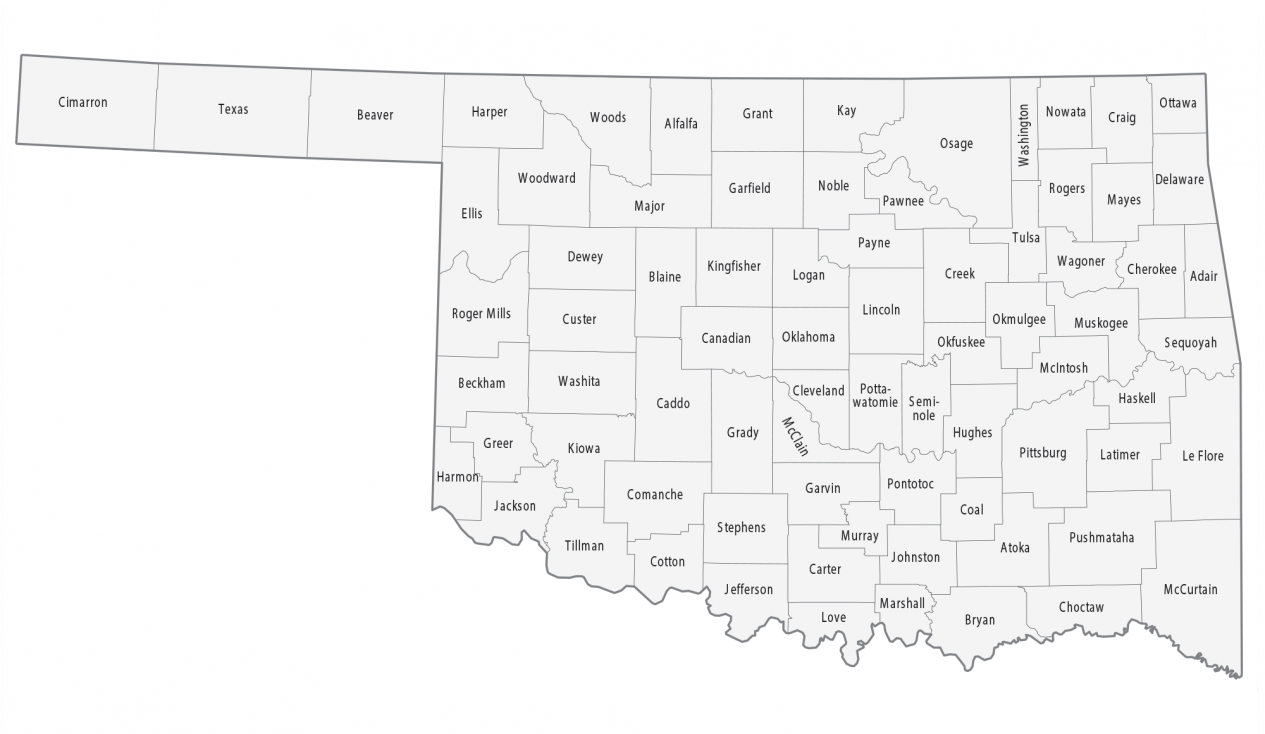
A Geographical and Cultural Tapestry: Understanding Oklahoma’s 77 Counties
The existence of 77 distinct counties in Oklahoma is a testament to its complex history and diverse geography. Unlike many states with more uniform county sizes, Oklahoma’s counties vary significantly in area and population, reflecting the unique circumstances of their formation. This intricate network of counties forms the backbone of the state’s identity, influencing everything from local governance to tourism development and the preservation of cultural heritage.
The Historical Evolution of Oklahoma’s Counties
The story of Oklahoma’s counties is inextricably linked to its dramatic past, a saga of frontier expansion, Native American sovereignty, and the pivotal Land Runs of the late 19th century. Before statehood in 1907, the territory was divided into Indian Territory and Oklahoma Territory. The Indian Territory was primarily home to the Five Civilized Tribes ( Cherokee, Chickasaw, Choctaw, Creek, and Seminole Nations), which maintained their own tribal governments and land divisions. The Oklahoma Territory, on the other hand, saw rapid settlement following the Land Runs, leading to the establishment of counties with more conventional boundaries.
When the two territories merged to form the state of Oklahoma, the process of consolidating and creating new counties was a monumental task. The delegates to the 1906 Oklahoma Constitutional Convention were tasked with defining the state’s administrative divisions. The number 77 was eventually settled upon, a compromise that aimed to balance political representation, geographical considerations, and the historical legacy of both territories. Many of the original “districts” or “counties” from the Indian Territory and the “counties” from the Oklahoma Territory were either retained, modified, or combined to form the modern 77 counties. This historical foundation means that each county often carries a distinct legacy, influencing its local culture, economy, and the types of attractions it offers. For travelers, this historical backdrop adds a layer of depth to exploring different regions, connecting them to stories of pioneers, Native American resilience, and the birth of a state.
Why 77? A State of Diverse Landscapes and Cultures
The number 77 also reflects the profound geographical and cultural diversity encapsulated within Oklahoma. The state is often described as a microcosm of America, boasting ten distinct ecological regions, more than any other state. From the rugged Ouachita Mountains and Kiamichi Mountains in the southeast to the rolling Osage Hills in the north-central, the vast Great Plains in the west, and the mesa lands of the Panhandle, each county plays a role in showcasing this incredible variety.
This diversity translates directly into varied tourism experiences. A visitor traveling through Osage County, Oklahoma’s largest county by area, will encounter expansive prairies and ranching culture, starkly different from the lake country and dense forests of Delaware County or McCurtain County. Each county, therefore, serves as a distinct micro-destination, offering specific landmarks, local festivals, culinary traditions, and outdoor activities. This fragmentation allows for a more granular approach to tourism, enabling visitors to deep-dive into particular aspects of Oklahoma’s identity, be it cowboy heritage, Native American arts, or watersports.
Exploring Oklahoma’s Diverse Regions Through Its Counties
To truly appreciate the richness of Oklahoma, it’s helpful to consider its counties grouped into broader geographical regions. Each region, defined by its natural features and cultural influences, offers unique travel experiences, accommodation choices, and local attractions.
Northeastern Oklahoma: Lakes, Mountains, and Native American Heritage
This region, often characterized by the foothills of the Ozark Plateau and numerous man-made lakes, is a hub for outdoor enthusiasts and those interested in Native American history. Counties like Delaware County, Ottawa County, and Cherokee County are famous for lakes such as Grand Lake o’ the Cherokees and Lake Tenkiller, offering unparalleled opportunities for boating, fishing, and watersports. Resorts and lakefront cabins are popular accommodation options here, catering to families and groups seeking a tranquil escape.
Tulsa County is home to Tulsa, the state’s second-largest city, a vibrant center for arts, culture, and business. Here, visitors can explore the Philbrook Museum of Art, the Gathering Place, and the historic Art Deco architecture downtown. Tulsa offers a wide range of hotels, from luxury boutiques to well-known chains. Furthermore, this region is the heartland of several tribal nations, including the Cherokee Nation and the Osage Nation, whose cultural centers and historical sites provide profound insights into their rich heritage. For example, Osage County, though vast and largely rural, is significant for the Osage Nation Museum and its connection to the recently popularized “Killers of the Flower Moon” narrative, drawing visitors interested in history and local culture.
Central Oklahoma: The Heartbeat of the State
The central part of Oklahoma is dominated by Oklahoma County, home to the state capital, Oklahoma City. This bustling metropolis is a dynamic hub for tourism, business, and lifestyle, offering a blend of modern attractions and historical landmarks. Key attractions include the Oklahoma City National Memorial & Museum, the Myriad Botanical Gardens, the lively Bricktown Entertainment District, and the National Cowboy & Western Heritage Museum.

Accommodation in Oklahoma City ranges from upscale hotels like The Skirvin Hilton to boutique options and extended-stay apartments, catering to various budgets and preferences. Surrounding counties such as Cleveland County (home to Norman and the University of Oklahoma) and Canadian County offer suburban charm, smaller towns, and additional recreational opportunities. This region is ideal for those seeking a vibrant urban experience complemented by easy access to smaller communities and nature.
Western Oklahoma: Prairies, History, and Route 66
Journeying west reveals Oklahoma’s iconic Great Plains landscape. Counties like Custer County, Beckham County, and Roger Mills County are steeped in pioneer history, cowboy culture, and are traversed by segments of the legendary Route 66. Visitors can explore historic roadside attractions, Route 66 museums in towns like Clinton and Elk City, and experience the vastness of the prairie.
Further west, the Panhandle region, comprising Cimarron County, Texas County, and Beaver County, offers a unique high-plains desert experience, home to Black Mesa, Oklahoma’s highest point. Here, rugged natural beauty and stargazing opportunities abound. Accommodation often includes quaint motels, RV parks, and rustic lodges, perfect for adventurous travelers. To the southwest, Comanche County is home to Lawton and the stunning Wichita Mountains Wildlife Refuge, a prime destination for hiking, wildlife viewing, and rock climbing. The Wichita Mountains Wildlife Refuge offers a unique natural landmark and provides options for cabins or camping for those seeking an immersive outdoor lifestyle experience.
Southeastern Oklahoma: The Scenic Kiamichi Mountains
Known as “Little Dixie” for its lush forests and mountainous terrain, southeastern Oklahoma is a verdant paradise. Counties like McCurtain County, Le Flore County, and Pushmataha County are dominated by the Kiamichi Mountains and Ouachita National Forest. This region is a top destination for nature lovers, offering extensive hiking trails, picturesque lakes (such as Broken Bow Lake), and the popular Beavers Bend State Park near Broken Bow.
The area is renowned for its cabin rentals, luxury lodges, and cozy resorts, making it a perfect spot for romantic getaways, family vacations, or group retreats focused on outdoor activities. The Choctaw Nation also has a significant presence here, offering cultural insights and contributing to the local flavor. Further north in the region, Pittsburg County and Latimer County boast Lake Eufaula, Oklahoma’s largest lake, and Robbers Cave State Park, respectively, providing more opportunities for recreation and unique tourism. This region embodies a rustic, natural lifestyle that appeals to those looking to disconnect and immerse themselves in the wilderness.
Planning Your Oklahoma Adventure: Travel, Accommodation, and Local Experiences
Understanding Oklahoma’s 77 counties fundamentally enhances the travel planning process. It allows for more targeted exploration, enabling visitors to curate itineraries that truly resonate with their interests, whether they lie in history, outdoor adventure, urban exploration, or cultural immersion.
Navigating Oklahoma: From Road Trips to Regional Hubs
With 77 counties spread across diverse terrains, Oklahoma is ideally suited for road trips. Knowing the county boundaries can help travelers map out efficient routes, ensuring they hit desired landmarks and attractions within specific regions. For instance, a Route 66 enthusiast might focus on the counties in western and central Oklahoma through which the historic highway passes, planning overnight stays in towns that offer authentic roadside experiences. Similarly, an outdoors adventurer might concentrate on the southeastern counties for hiking and water activities, using Broken Bow as a central hub.
Each county often has a county seat, which typically serves as a local administrative and commercial center. These towns, though smaller than major cities, can be excellent bases for exploring the surrounding rural areas, offering local diners, charming shops, and community events that provide a genuine taste of Oklahoma life. Transportation between counties is primarily by road, with major interstates and scenic highways connecting different regions. Awareness of county-specific events, such as county fairs or local festivals, can also enrich a travel itinerary, offering unique cultural insights.
Finding Your Perfect Stay: Hotels, Resorts, and Unique Accommodations
The wide array of accommodation options across Oklahoma’s 77 counties caters to every budget and travel style. In urban centers like Oklahoma City ( Oklahoma County) and Tulsa ( Tulsa County), you’ll find everything from luxurious full-service hotels to stylish boutique hotels and convenient extended-stay suites, perfect for business travelers or long-term stays. These cities also offer excellent amenities, including fine dining, spas, and entertainment, contributing to a premium lifestyle experience.
As you venture into more rural or scenic counties, the accommodation landscape shifts. In McCurtain County or Le Flore County, for example, the focus is on secluded cabins, charming lodges, and family-friendly resorts that blend seamlessly with the natural surroundings. Many of these offer direct access to outdoor activities like fishing, kayaking, and hiking. Bed and breakfasts, often housed in historic homes, provide a more personalized and intimate experience in many smaller towns across various counties. For budget-conscious travelers or those seeking a truly immersive outdoor experience, numerous state parks and wildlife refuges across different counties (such as the Wichita Mountains Wildlife Refuge in Comanche County) offer camping and RV facilities. Understanding the specific character of each county helps travelers select the ideal type of accommodation, from luxury villas overlooking a lake to a quaint apartment in a historic district.
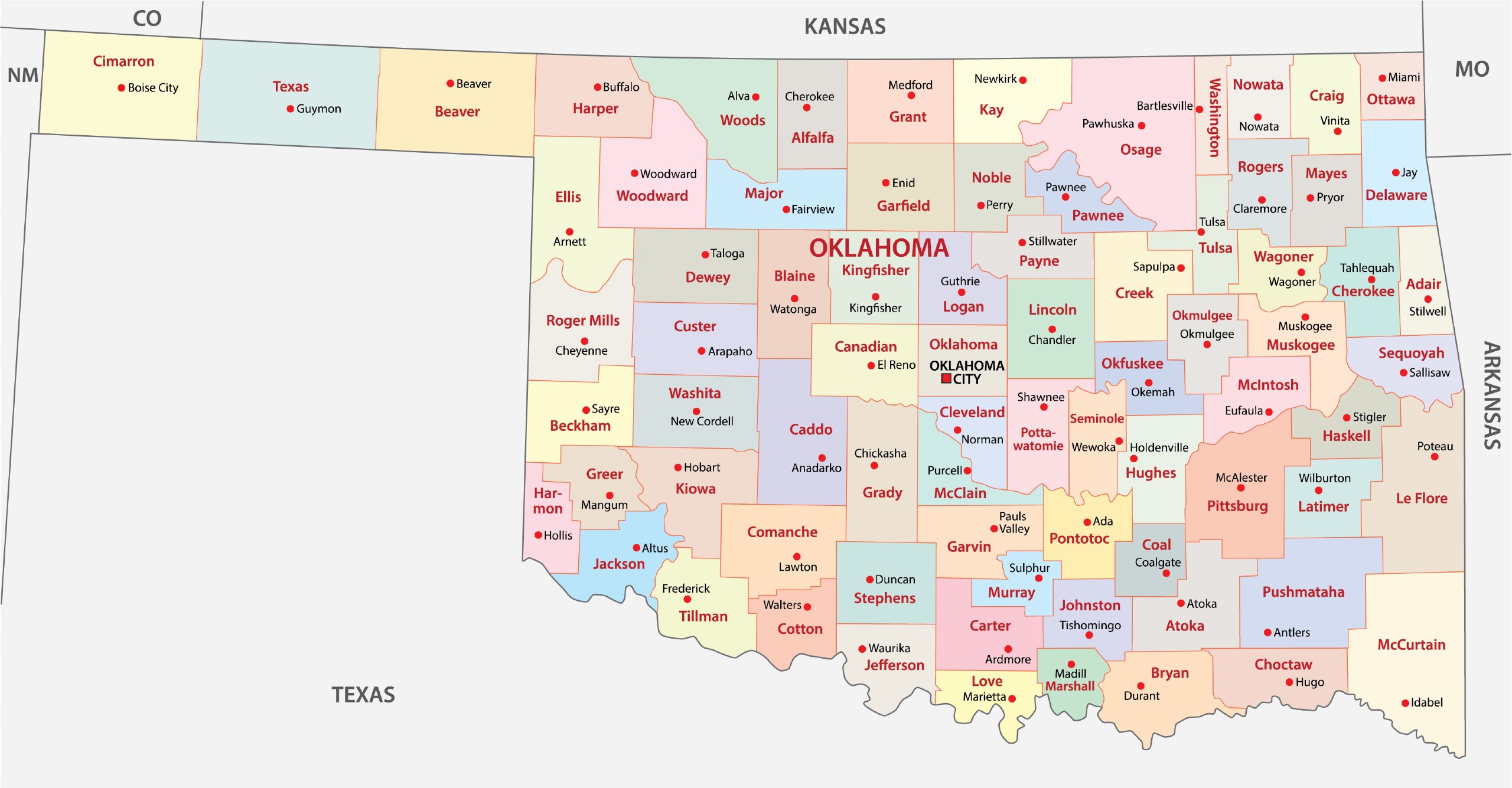
Immersing Yourself in Local Tourism and Lifestyle
Each of Oklahoma’s 77 counties cultivates its own distinct local tourism offerings and lifestyle. This granular division allows for the preservation and celebration of unique cultural traditions, regional cuisines, and community values. For instance, in Adair County or Sequoyah County, visitors can explore sites significant to the Cherokee Nation’s history and contemporary culture, enjoying authentic Native American art and food. In Pawnee County, cowboy culture remains strong, with rodeos and ranching events forming a core part of the local lifestyle.
Food tourism is another highlight, with each county potentially offering its own local specialties, from Oklahoma-style barbecue and chicken-fried steak found throughout the state, to regional variations and farm-to-table experiences in agricultural counties. Shopping for local crafts and produce at farmers’ markets in various county seats provides a direct connection to the local economy and lifestyle. The diversity of counties ensures that there’s always something new to discover, from historical landmarks to natural wonders, ensuring that any trip to Oklahoma is filled with enriching activities and authentic experiences. Whether you’re interested in the bustling nightlife of a major city or the serene solitude of a mountain retreat, the 77 counties of Oklahoma provide the framework for an incredible journey.
In conclusion, the answer to “How many counties are in Oklahoma?” is 77, and this number is far more than a mere statistic. It represents the intricate tapestry of a state born from diverse histories, shaped by varied landscapes, and enriched by a multitude of cultures. From the urban sophistication of Oklahoma County to the rugged beauty of the Kiamichi Mountains and the sweeping vistas of the Panhandle, each county is a unique piece of the Sooner State puzzle. For any traveler looking to truly experience Oklahoma, understanding this geographical and cultural breakdown is the first step toward crafting an unforgettable adventure filled with rich tourism, diverse accommodation, and authentic local lifestyle experiences. So, pack your bags, choose your counties, and prepare to explore the remarkable diversity that Oklahoma has to offer.
LifeOutOfTheBox is a participant in the Amazon Services LLC Associates Program, an affiliate advertising program designed to provide a means for sites to earn advertising fees by advertising and linking to Amazon.com. Amazon, the Amazon logo, AmazonSupply, and the AmazonSupply logo are trademarks of Amazon.com, Inc. or its affiliates. As an Amazon Associate we earn affiliate commissions from qualifying purchases.