
Arizona, with its stunning desert landscapes, vibrant cities, and unique ecosystems, beckons millions of tourists each year. From the majestic Grand Canyon National Park to the red rocks of Sedona and the bustling streets of Phoenix and Tucson, the state offers unparalleled experiences. However, like any natural environment, Arizona is home to a diverse array of wildlife, including scorpions, which often raise questions and concerns for first-time visitors and seasoned travelers alike. The paramount question for many is: are Arizona scorpions deadly? The short answer is that while most scorpion stings in Arizona are not life-threatening for healthy adults, one particular species does pose a significant medical risk, especially to vulnerable populations. Understanding this distinction and implementing simple precautions is key to enjoying your Arizona adventure safely.
Understanding Arizona’s Scorpion Landscape for Tourists
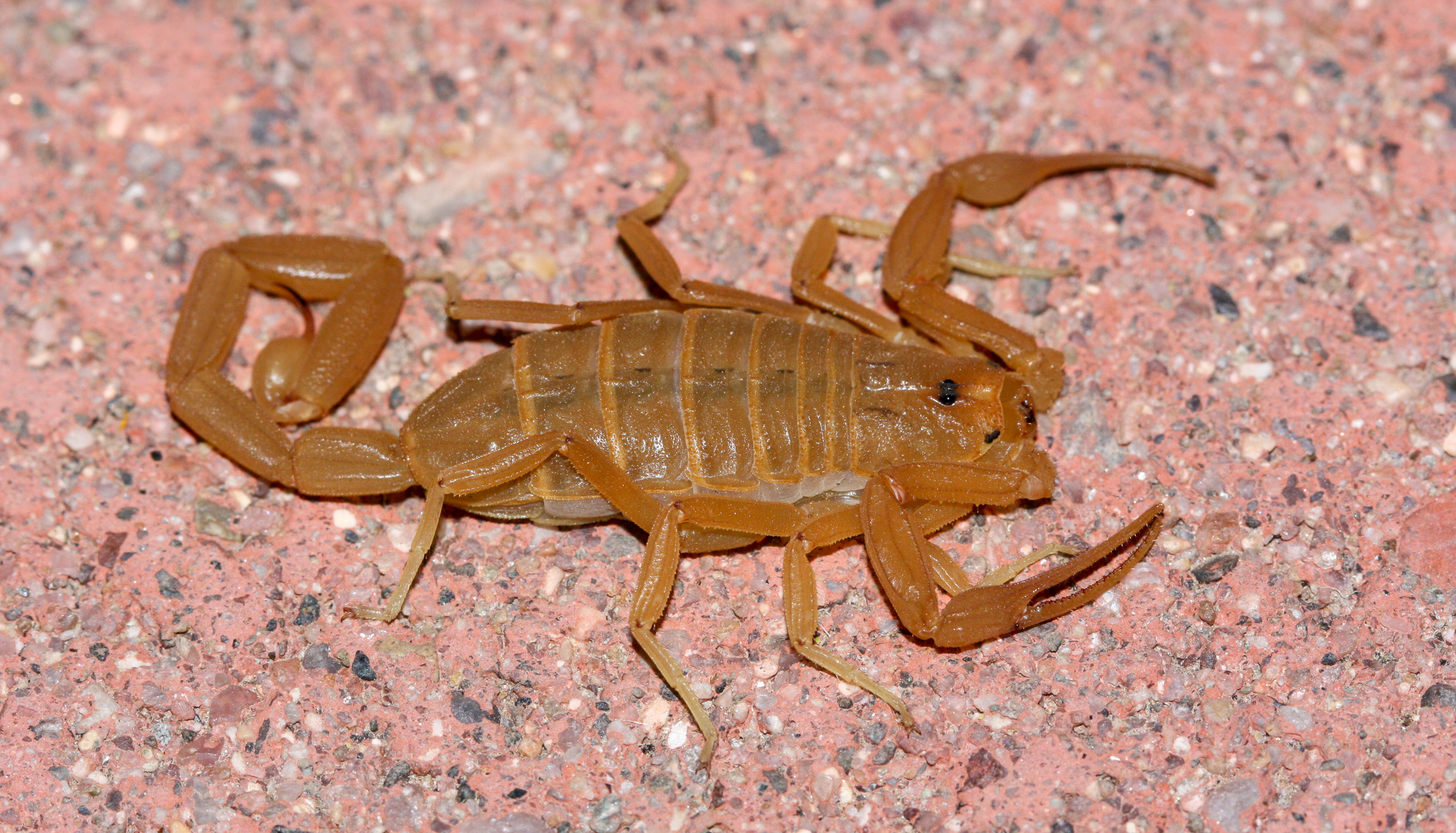
Arizona is home to approximately 30 species of scorpions, making it one of the most scorpion-diverse regions in the United States. These nocturnal arachnids thrive in the state’s arid and semi-arid climates, from the low deserts to higher elevations. While the presence of scorpions might seem daunting, most species are relatively harmless to humans, their venom causing only localized pain, swelling, and numbness, similar to a bee or wasp sting. However, the reputation of Arizona’s scorpions as a potential threat largely stems from one specific and highly venomous species.
The Arizona Bark Scorpion: A Primary Concern
The Arizona Bark Scorpion (Centruroides sculpturatus or Centruroides exilicauda) is the most venomous scorpion in North America and is the primary concern for tourists visiting Arizona. Unlike its larger, darker cousins, the Arizona Bark Scorpion is relatively small, typically measuring 1 to 3 inches in length, and has a translucent, yellowish-tan coloration that makes it incredibly difficult to spot, especially against sand or rocks. A distinguishing feature, though not always reliable for the untrained eye, is its habit of resting with its tail coiled to one side.
Its venom is a potent neurotoxin, meaning it affects the nervous system. While a sting is rarely fatal for healthy adults, it can cause severe pain, intense tingling, numbness, and even temporary dysfunction in the affected limb. For small children, the elderly, and individuals with compromised immune systems, a sting can be significantly more dangerous, potentially leading to muscle spasms, respiratory distress, and other systemic reactions that require immediate medical attention. The Arizona Bark Scorpion is particularly common in central and southern Arizona, including metropolitan areas like Phoenix and Scottsdale, as well as popular hiking destinations within the Sonoran Desert. They often hide under rocks, in crevices, and are known to climb, sometimes even making their way into homes or hotel rooms.
Other Common Species and Their Threat Levels
While the Arizona Bark Scorpion warrants caution, it’s reassuring for tourists to know that many other species are far less dangerous. The Desert Hairy Scorpion, for instance, is the largest scorpion in North America, boasting a intimidating appearance up to 6 inches long with noticeable hairs. Despite its size, its sting is typically less severe than that of the Arizona Bark Scorpion, usually resulting in localized pain and swelling. Similarly, the Stripe-tailed Scorpion is a common sight across Arizona. Its sting is comparable to a bee sting, causing mild to moderate local discomfort. These less venomous species are generally more robust and less inclined to climb, often found under debris or rocks on the ground. Understanding that not all scorpions pose the same threat can help tourists maintain a balanced perspective and avoid undue panic during their visit.
Practical Safety Tips for Visitors in Arizona
Mitigating the risk of a scorpion encounter in Arizona doesn’t require extreme measures, but rather an awareness and adherence to simple, common-sense precautions. These tips are particularly valuable for those venturing into natural areas or staying in accommodations near desert environments, such as vacation rentals or hotels on the outskirts of cities like Tucson or Scottsdale.
Avoiding Scorpion Encounters Outdoors
When exploring Arizona’s breathtaking outdoor attractions, vigilance is your best defense.
- Wear Appropriate Footwear: Always wear closed-toe shoes, especially when hiking, camping, or simply walking around at dusk or night. Avoid sandals or open-toed shoes in areas where scorpions might be present.
- Check Gear and Clothing: Before putting on shoes, socks, hats, or gloves, shake them out thoroughly. Scorpions often seek dark, secluded spaces, and clothing left on the ground provides an ideal hiding spot.
- Mind Your Step: When hiking or walking in rocky or brushy areas, watch where you place your hands and feet. Avoid overturning rocks or logs with bare hands. If you must move debris, use a stick or wear thick gloves.
- Camping Precautions: If camping, ensure your tent is sealed, and zip up all entries. Keep food in sealed containers and clear away any crumbs. Before settling into your sleeping bag, give it a good shake. Avoid sleeping directly on the ground.
- Nighttime Awareness: Scorpions are primarily nocturnal. If you’re out after dark, especially in areas bordering the desert, use a flashlight. A UV (blacklight) flashlight is particularly effective as it makes scorpions glow, making them easier to spot from a distance.
Protecting Your Accommodation
Even in urban settings, scorpions can occasionally find their way indoors, especially in ground-floor rooms or properties with direct access to desert landscaping.
- Inspect Your Room: Upon arrival, give your room a quick scan. Pay particular attention to baseboards, under furniture, and in corners. While rare in high-rise hotels, it’s a wise habit in ground-floor units or private rentals.
- Check Shoes and Luggage: Before putting on shoes or unpacking your luggage, give them a quick shake and inspection. Scorpions can hitch a ride in bags or find refuge in footwear.
- Keep Doors and Windows Sealed: Ensure that screens are intact and that doors and windows close tightly. If a door has a large gap at the bottom, consider rolling a towel against it.
- Bed Skirts and Linens: If your accommodation has a bed skirt, consider tucking it under the mattress to prevent scorpions from climbing up from the floor onto the bed. Always check bed linens before getting into bed.
Nighttime Vigilance
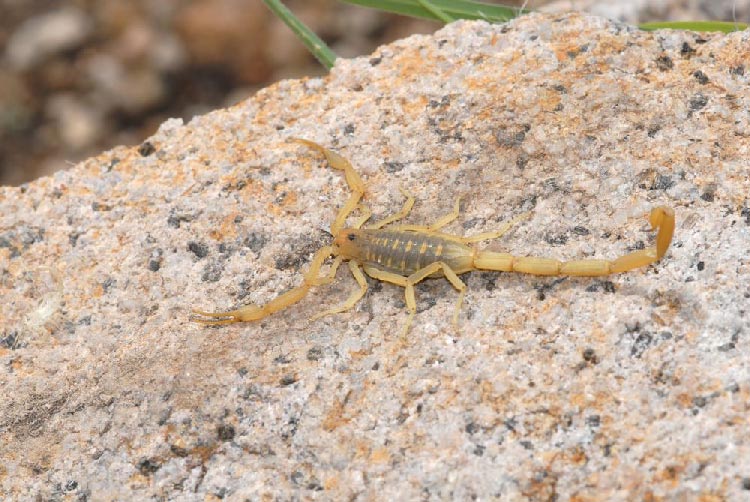
Given their nocturnal nature, nighttime is when scorpions are most active, foraging for food and seeking mates. This makes evening walks, barbecues, or stargazing in Arizona’s clear desert skies times when extra caution is warranted. The use of a UV flashlight, as mentioned earlier, is a highly recommended tool for tourists, offering a non-invasive way to spot scorpions from a safe distance, especially around patios, pools, or pathways after dark. Their natural fluorescence under UV light turns them into easily identifiable, glowing beacons. This simple device can transform a potential threat into a fascinating observation, allowing visitors to appreciate the desert’s hidden life without direct contact.
What to Do If Stung: First Aid and Medical Attention
Despite taking precautions, a scorpion sting can occasionally happen. Remaining calm and knowing the appropriate steps to take can significantly affect the outcome, especially when dealing with the Arizona Bark Scorpion.
Immediate Steps After a Sting
If you or someone in your travel party is stung by a scorpion, follow these immediate first aid steps:
- Clean the Area: Wash the sting site thoroughly with soap and water to prevent infection.
- Apply Cold Compress: Apply ice or a cold compress to the sting area for 10-minute intervals. This helps reduce pain and swelling by slowing the spread of venom.
- Pain Relief: Over-the-counter pain relievers such as ibuprofen or acetaminophen can help manage the pain. Antihistamines may also help with itching and swelling.
- Immobilize the Limb: Keep the affected limb elevated and as still as possible to slow the venom’s spread.
- Remove Jewelry: If the sting is on a finger or toe, remove any rings or tight jewelry immediately, as swelling may occur.
Recognizing Severe Symptoms
While most stings result in localized discomfort, it’s crucial to be aware of the signs of a severe reaction, particularly from an Arizona Bark Scorpion sting. These symptoms typically develop within minutes to a few hours and may include:
- Neurological Symptoms: Numbness, tingling, or muscle twitching far from the sting site.
- Respiratory Issues: Difficulty breathing, wheezing, or shortness of breath.
- Gastrointestinal Distress: Nausea, vomiting, or abdominal cramping.
- Other Systemic Symptoms: Drooling, excessive sweating, rapid heart rate, or blurred vision.
- Children: In infants and young children, symptoms might also include restlessness, inconsolable crying, and unusual eye movements.
When to Seek Professional Medical Care
Anyone exhibiting severe symptoms should seek immediate medical attention by calling 911 or proceeding to the nearest emergency room or urgent care facility. Furthermore, specific groups should always be evaluated by a medical professional after any scorpion sting, regardless of initial symptom severity.
- Children and Infants: Due to their smaller body mass and less developed immune systems, children are more susceptible to the venom’s effects.
- Elderly Individuals: Older adults may have underlying health conditions that make them more vulnerable.
- Immunocompromised Individuals: Those with weakened immune systems are at higher risk for complications.
- Individuals with Allergies: Anyone with known allergies to insect stings or a history of severe allergic reactions.
Hospitals and urgent care centers in Arizona, especially in major cities like Phoenix, Tucson, and Scottsdale, are well-versed in treating scorpion stings and may have access to antivenom for Arizona Bark Scorpion stings, which can effectively neutralize the venom and reduce symptom severity. Always inform medical staff if you suspect an Arizona Bark Scorpion was the culprit.
Debunking Myths and Enjoying Arizona Responsibly
The mystique and fear surrounding scorpions often lead to misconceptions that can overshadow the true enjoyment of Arizona’s natural wonders. Understanding the reality of these creatures helps put risks into perspective.
Common Misconceptions About Scorpions
One of the biggest myths is that all scorpions in Arizona are deadly. As discussed, only the Arizona Bark Scorpion poses a significant health threat, and even its sting is rarely fatal for healthy adults. Another common misconception is that scorpions are aggressive hunters of humans. In reality, scorpions are shy, reclusive creatures that sting only when they feel threatened or are accidentally stepped on or trapped. They do not actively seek out humans to sting. There’s also a myth that the larger the scorpion, the more dangerous it is. In fact, for scorpions in Arizona, the opposite is generally true: the smaller Arizona Bark Scorpion is the most venomous. Dispelling these myths allows tourists to approach their Arizona experience with informed caution rather than irrational fear.

Embracing Arizona’s Natural Beauty Safely
With a clear understanding of the minimal risks and the straightforward preventative measures, tourists can confidently immerse themselves in all that Arizona has to offer. The vast majority of visitors complete their trips without ever encountering a scorpion, let alone being stung. The stunning landscapes of Grand Canyon National Park, the spiritual vortexes of Sedona, the vibrant city life of Phoenix and Tucson, and the endless outdoor activities are waiting to be explored. By simply being aware of your surroundings, especially when outdoors at night or in remote areas, checking your footwear, and understanding basic first aid, you can safely enjoy the unique charm and natural splendor of Arizona without undue worry. Scorpions are a fascinating, albeit cautious, part of the desert ecosystem, and responsible tourism ensures both your safety and respect for the natural environment.
LifeOutOfTheBox is a participant in the Amazon Services LLC Associates Program, an affiliate advertising program designed to provide a means for sites to earn advertising fees by advertising and linking to Amazon.com. Amazon, the Amazon logo, AmazonSupply, and the AmazonSupply logo are trademarks of Amazon.com, Inc. or its affiliates. As an Amazon Associate we earn affiliate commissions from qualifying purchases.