
Responsible Tourism: Understanding California’s Green Ethos
For any traveler exploring the vibrant landscapes and bustling cities of California, understanding local environmental practices is not just a courtesy but a crucial aspect of responsible tourism. The Golden State has long been a pioneer in environmental stewardship, and its commitment to sustainability is deeply woven into its local culture and regulations. So, to answer the question directly and for the benefit of every eco-conscious visitor: yes, beer cans are absolutely recyclable in California, and understanding how ensures your trip leaves a positive footprint.
The Importance of Recycling for Visitors
Recycling might seem like a mundane detail amidst the excitement of visiting iconic destinations like Yosemite National Park, the beaches of San Diego, or the cultural hubs of San Francisco and Los Angeles. However, for tourists, engaging in proper waste disposal is an integral part of experiencing and preserving these very attractions. When you recycle your beer cans (and other eligible containers), you contribute directly to reducing landfill waste, conserving natural resources, and lowering greenhouse gas emissions. This small act reinforces California’s efforts to maintain its natural beauty and environmental health, ensuring that future generations of travelers can enjoy the same pristine environments. It’s a tangible way for visitors to connect with the state’s values and support the communities they visit.

California’s Commitment to Sustainability
California’s environmental leadership is legendary. From pioneering air quality standards to aggressive renewable energy targets, the state consistently sets benchmarks for sustainable practices. Recycling is a cornerstone of this commitment. The state’s recycling programs are among the most robust in the nation, driven by comprehensive legislation and a public deeply aware of ecological issues. This strong environmental ethos means that infrastructure for recycling, including convenient collection points and public awareness campaigns, is generally excellent. For tourists, this translates into easy opportunities to participate in responsible waste management, whether you’re enjoying a craft brew in a Napa Valley vineyard, picnicking at a Santa Monica beach, or attending a festival in Sacramento. Embracing this aspect of local culture not only minimizes your environmental impact but also enriches your understanding of what makes California unique.
Navigating California’s Recycling Landscape for Tourists
For first-time visitors or those unfamiliar with California’s specific regulations, understanding the nuances of the state’s recycling system can be incredibly helpful. The key to responsible disposal often lies in recognizing what materials are accepted and where to deposit them.
The CRV Program: What Travelers Need to Know
One of the most distinctive features of California’s recycling system is its California Redemption Value (CRV) program. Enacted to incentivize recycling and reduce litter, the CRV is a small deposit added to the price of most eligible beverage containers at the point of purchase. This includes aluminum beer cans, plastic soda bottles, and glass bottles. When you buy a drink, you pay the CRV (typically 5 or 10 cents per container), and you can redeem that value when you return the empty container to a certified recycling center or participating retailer.
While many tourists might not bother redeeming the CRV for a few cans, knowing about it highlights the state’s commitment to ensuring these materials are recycled. Even if you simply place your CRV containers in a public recycling bin, someone else (often a local recycler) will benefit from the redemption value, ensuring the cans are processed correctly. This system effectively creates an economic incentive for recycling, contributing to California’s high recycling rates. Look for the “CA CRV” label on beverage containers to identify eligible items.
Identifying Recyclable Materials Beyond Beer Cans
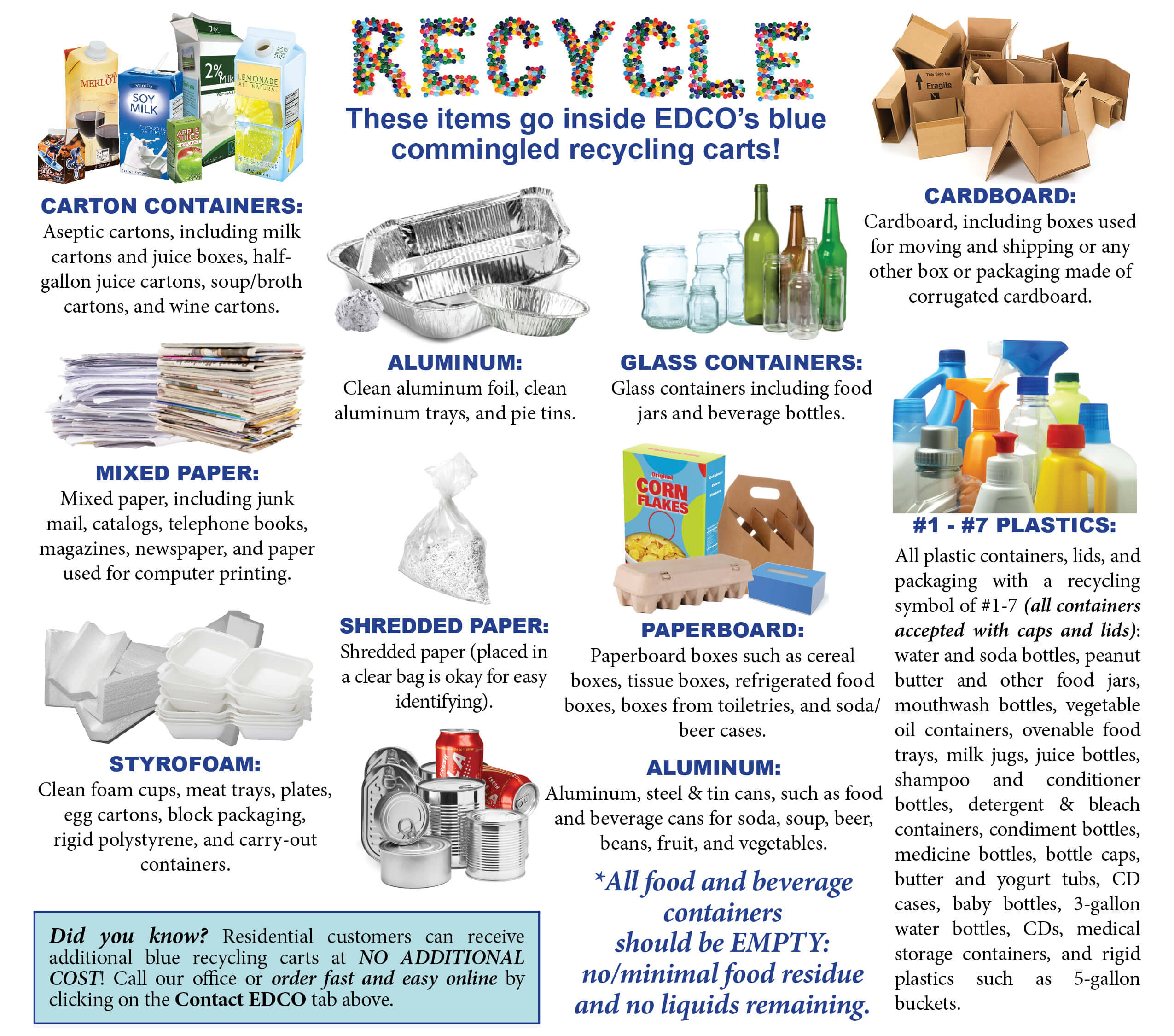
While the article title specifically asks about beer cans, responsible tourism extends to all waste generated during a trip. In California, most common packaging materials are recyclable. This includes:
- Aluminum cans: Yes, including beer cans, soda cans, and other aluminum beverage containers.
- Plastic bottles and jugs: Typically those labeled with numbers 1 through 7, though #1 (PET) and #2 (HDPE) are universally accepted. This covers water bottles, milk jugs, and many food containers.
- Glass bottles and jars: Clear, brown, and green glass from beverages, food, and condiments.
- Paper and cardboard: Cereal boxes, newspaper, magazines, brochures, and clean pizza boxes (check local guidelines for food-soiled items).
However, always exercise caution and check local signage. Recycling guidelines can vary slightly by county or city within California. For instance, some municipalities might accept aseptic cartons (e.g., juice boxes) while others might not. When in doubt, it’s always better to put an item in the trash rather than “wishcycling” it (placing non-recyclable items into recycling bins), which can contaminate entire batches of genuinely recyclable materials.
Finding Recycling Bins and Centers in Tourist Hotspots
California’s commitment to recycling means that finding places to dispose of your recyclables is generally straightforward.
- Public Parks and Beaches: Many state and city parks, as well as popular beaches like Venice Beach or Coronado Beach, are equipped with dual-stream bins: one for trash and one for recyclables. Look for clearly marked containers.
- City Streets and Downtown Areas: Major urban centers like San Francisco’s Union Square or Los Angeles’ Hollywood Walk of Fame often have public recycling bins alongside regular trash cans.
- Hotels and Accommodation: Most reputable hotels, resorts, and even many short-term rental properties in California provide recycling options for guests. Inquire at the front desk or look for bins in your room or common areas.
- Tourist Attractions and Venues: Theme parks, museums, stadiums, and concert venues typically have ample recycling facilities.
- Grocery Stores and Supermarkets: Larger grocery chains often have recycling drop-off points, especially for CRV containers.
- Dedicated Recycling Centers: For larger quantities or specific materials, you can search for “recycling centers near me” on your smartphone. These centers will accept CRV items for redemption.
By being observant and utilizing the available infrastructure, tourists can effortlessly integrate responsible waste management into their travel itinerary.

Practical Tips for Eco-Conscious Travelers in the Golden State
Beyond knowing that beer cans are recyclable, implementing practical strategies can significantly enhance your eco-tourism efforts while exploring California.
Planning Ahead: Reducing Waste Before You Go
The most effective way to manage waste is to prevent it in the first place. Before embarking on your California adventure:
- Pack Reusables: Bring a reusable water bottle (many airports and attractions have refilling stations), a reusable coffee cup, and a cloth shopping bag. This significantly cuts down on single-use plastic and paper waste.
- Choose Mindfully: When purchasing items for your trip, opt for products with minimal packaging or those made from recycled content.
- Educate Yourself: A quick search for “recycling guidelines for San Francisco” or “recycling in Anaheim” can give you city-specific information before you even arrive.
By taking these proactive steps, you reduce the burden on local waste management systems and set a positive tone for your trip.
On-the-Go Recycling: Beaches, Parks, and City Streets
While traveling, convenience is key. Here’s how to make on-the-go recycling simple:
- Carry a Small Bag: Keep a small, designated bag in your backpack or car for collecting recyclables throughout the day. This prevents items from being mistakenly tossed into regular trash bins when no recycling bin is immediately available.
- Separate Waste: Get into the habit of separating your trash (food scraps, wrappers) from your recyclables (cans, bottles) as you generate them. This makes disposal quicker and more efficient.
- Utilize Public Bins: Actively look for marked recycling bins in public spaces. In areas like Santa Cruz or Lake Tahoe, where natural beauty is paramount, these bins are strategically placed to encourage proper disposal.
- Ask Locals: If you’re unsure about recycling an item, don’t hesitate to ask hotel staff, restaurant servers, or locals. Most Californians are well-versed in their state’s recycling practices and are happy to help.
Embracing Local Sustainable Practices
Beyond personal recycling habits, responsible tourism in California involves embracing the broader local culture of sustainability.
- Support Eco-Friendly Businesses: Choose hotels that emphasize sustainability, dine at farm-to-table restaurants, and patronize businesses that showcase environmental responsibility. Many establishments proudly display their green certifications.
- Respect Natural Areas: When visiting natural attractions like Redwood National Park or the Mojave Desert, adhere to “Leave No Trace” principles. Pack out everything you pack in, and avoid disturbing wildlife or flora.
- Minimize Water Usage: California frequently faces drought conditions. Be mindful of your water consumption, taking shorter showers and reusing towels when staying in hotels.
- Opt for Public Transport or Walking: In cities like San Francisco or Oakland, utilize robust public transportation systems or explore on foot to reduce your carbon footprint from travel.
By integrating these practices, you not only ensure your beer cans are recycled, but you also become a more holistic, responsible, and respected visitor to the Golden State.
The Broader Impact: Contributing to California’s Environmental Future
Your individual actions as a tourist in California may seem small, but collectively, they have a profound impact. Participating in the state’s recycling efforts and adhering to its sustainable ethos contributes significantly to its environmental well-being and strengthens its position as a leader in green initiatives.
Supporting Local Green Initiatives
Every can you recycle and every sustainable choice you make indirectly supports local green initiatives throughout California. The revenue generated from recycled materials often helps fund local waste management programs, public clean-up efforts, and environmental education. By engaging in responsible disposal, you are contributing to a system that benefits the environment and the local communities you are visiting. This can include supporting projects aimed at restoring coastlines, preserving forests, or innovating new recycling technologies, many of which are vital for maintaining the diverse ecosystems that make California such an attractive travel destination.
Educating Fellow Travelers
Leading by example is a powerful form of education. When you consciously recycle and practice sustainable habits, you subtly influence those around you. Fellow travelers, family members, or friends might observe your actions and be inspired to adopt similar practices. This ripple effect can extend the reach of sustainable tourism practices far beyond your personal impact, fostering a greater collective responsibility among visitors. Sharing tips or pointing out recycling bins can transform a simple act into a broader educational moment, enhancing the sustainability mindset of the tourism community.
The Long-Term Benefits of Sustainable Tourism
The question “Are Beer Cans Recyclable In California?” ultimately leads to a larger conversation about the long-term benefits of sustainable tourism. By ensuring your waste is properly managed, you help preserve the natural beauty and environmental integrity of California’s parks, beaches, and urban centers. This ensures that these incredible destinations remain vibrant and healthy for generations of future travelers. Sustainable tourism practices reduce pollution, protect wildlife habitats, and conserve resources, all of which are essential for maintaining the state’s allure as a premier global destination. Your thoughtful actions as a tourist are an investment in the continued splendor of the Golden State.
LifeOutOfTheBox is a participant in the Amazon Services LLC Associates Program, an affiliate advertising program designed to provide a means for sites to earn advertising fees by advertising and linking to Amazon.com. Amazon, the Amazon logo, AmazonSupply, and the AmazonSupply logo are trademarks of Amazon.com, Inc. or its affiliates. As an Amazon Associate we earn affiliate commissions from qualifying purchases.