
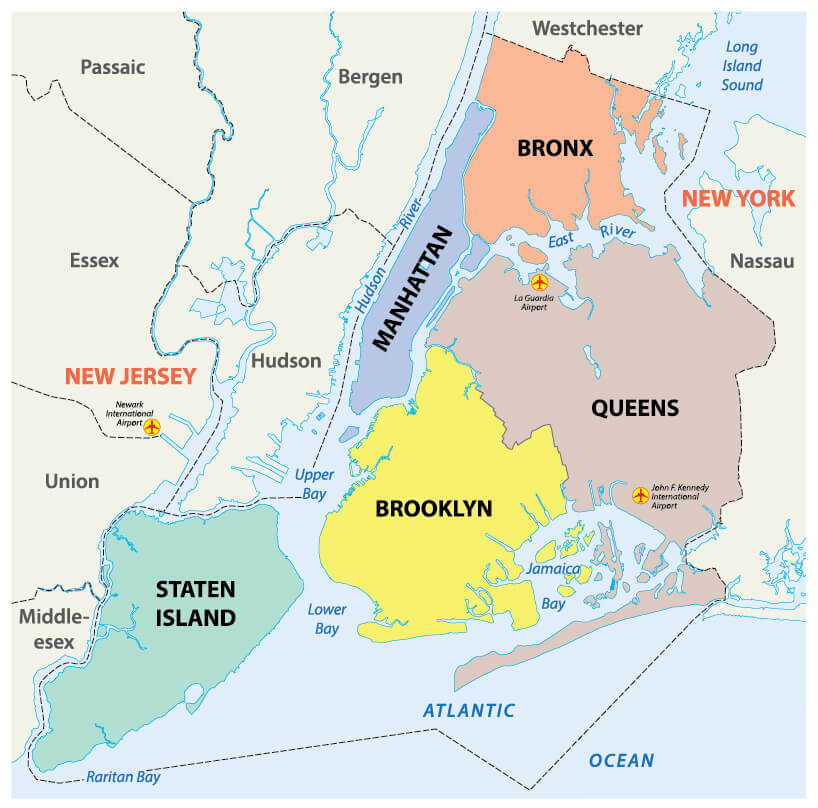
New York City, a metropolis synonymous with towering skyscrapers and bustling streets, is comprised of five distinct administrative divisions, each offering a unique flavor and character. These are the Bronx, Brooklyn, Manhattan, Queens, and Staten Island. While often characterized by their most famous landmarks or their population density, a key differentiator for many travelers and residents alike is their sheer physical size. Understanding the geography of these boroughs can significantly enrich one’s appreciation of the city’s diverse landscape and offer different perspectives for exploration.
This article delves into the specifics of New York City’s boroughs, with a particular focus on answering the question of which one reigns supreme in terms of land area. Beyond simply naming the largest, we will explore what this size entails for visitors and locals, touching upon the types of experiences, attractions, and the general atmosphere one might encounter within its expansive borders.

The Contenders: An Overview of NYC’s Boroughs
Before identifying the largest, it’s beneficial to briefly acknowledge all five boroughs, as each holds a significant place in the city’s identity and offers distinct attractions.
Manhattan
Often the first borough that comes to mind when thinking of New York City, Manhattan is an island known for its iconic skyline, world-class museums, vibrant theater district, and dense urban environment. It is the financial and cultural heart of the city, housing landmarks like Times Square, Central Park, and the Empire State Building. Despite its immense global recognition, Manhattan is relatively small in terms of land area, making it one of the more geographically concentrated boroughs.
Brooklyn
Famous for its trendy neighborhoods, historic brownstones, and the iconic Brooklyn Bridge, Brooklyn has transformed into a cultural hub. It boasts a vibrant arts scene, diverse culinary offerings, and beautiful waterfront parks with stunning Manhattan views. While densely populated, Brooklyn is significantly larger than Manhattan in terms of landmass.
The Bronx
As the birthplace of hip-hop, The Bronx offers a rich cultural heritage, diverse communities, and significant green spaces, including Yankee Stadium and the sprawling Orchard Beach. It’s a borough with a strong sense of community and a growing reputation for its cultural attractions and emerging culinary scene.
Queens
Queens is renowned for its incredible diversity, often cited as the most ethnically varied urban area in the world. It is home to major airports like John F. Kennedy International Airport and LaGuardia Airport, as well as renowned cultural institutions and large public parks. Its vast size accommodates a wide array of landscapes and experiences.
Staten Island
Often referred to as the “Borough of Homes,” Staten Island provides a more suburban feel compared to its bustling counterparts. It offers extensive parklands, historical sites, and a quieter pace of life, accessible via the free Staten Island Ferry, which itself is a popular tourist attraction offering spectacular views of the Manhattan skyline and the Statue of Liberty.
The Reigning Giant: Identifying the Largest Borough
When considering land area, the title of the largest borough in New York City unequivocally belongs to Queens. Spanning a considerable expanse of land, Queens significantly dwarfs the other boroughs in physical size. Its geographic footprint is crucial to understanding the variety of environments and attractions it encompasses.
Let’s examine the approximate land areas to illustrate this:
- Queens: Approximately 109.7 square miles (284.1 square kilometers)
- The Bronx: Approximately 42.4 square miles (109.8 square kilometers)
- Brooklyn: Approximately 70.9 square miles (183.5 square kilometers)
- Staten Island: Approximately 58.5 square miles (151.5 square kilometers)
- Manhattan: Approximately 22.8 square miles (59.1 square kilometers)
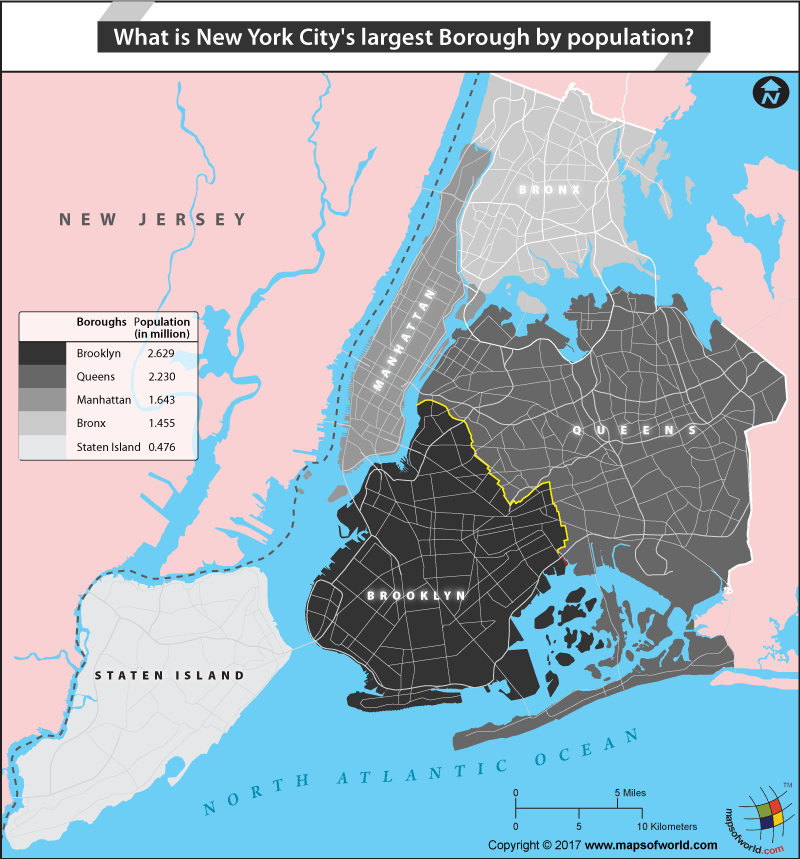
These figures highlight the substantial difference in scale. Queens is nearly five times larger than Manhattan and significantly larger than the Bronx and Brooklyn, making it a borough with immense geographical diversity and potential for exploration.
Exploring the Expansive Landscape of Queens
The sheer size of Queens translates directly into a rich tapestry of experiences for travelers and residents. Its vastness allows for a remarkable range of environments, from bustling urban centers to tranquil natural areas, and a truly global culinary landscape.
A Mosaic of Neighborhoods and Cultures
Queens is celebrated for its unparalleled ethnic diversity. This is not just a demographic statistic; it translates into vibrant, distinct neighborhoods, each with its own unique character, traditions, and most importantly, food. As a visitor, exploring Queens is akin to taking a culinary and cultural world tour without leaving the city.
- Jackson Heights: Known for its vibrant South Asian and Latin American communities, offering authentic Indian, Nepali, Tibetan, Colombian, and Ecuadorian cuisine. The bustling streets are a sensory delight with colorful markets and the aroma of spices.
- Flushing: A major hub for the East Asian community, particularly Chinese and Korean. This neighborhood boasts some of the most authentic Chinese food outside of China, with diverse regional cuisines represented. The main street is a lively commercial district with unique shops and eateries.
- Astoria: Historically a Greek stronghold, Astoria still offers excellent Greek restaurants and bakeries. It has also become a haven for artists and young professionals, with a thriving craft beer scene and a diverse range of international cuisines.
- South Ozone Park and Richmond Hill: These areas are rich in Guyanese, Trinidadian, and other Caribbean cultures, offering an authentic taste of the islands with dishes like roti, doubles, and jerk chicken.
Green Spaces and Recreational Havens
Despite its large population, Queens boasts a significant amount of green space, offering a welcome respite from urban density. Its size accommodates large parks that are vital for recreation and conservation.
- Flushing Meadows-Corona Park: The largest park in Queens and the fourth-largest in the city, this iconic park was the site of the 1939 and 1964 World’s Fairs. It features landmarks like the Unisphere, the Queens Museum, and the New York Hall of Science. It offers extensive sports facilities, gardens, and open spaces for relaxation and events.
- Forest Park: A large, wooded park that feels like a true escape, offering hiking trails, bridle paths, and a golf course. Its natural beauty provides a serene environment for outdoor activities.
- Socrates Sculpture Park: Located in Long Island City, this outdoor art space showcases rotating installations and provides stunning views of the Manhattan skyline. It’s a unique blend of art, nature, and urban vistas.
Sports and Entertainment Venues
Queens is also home to major sporting and entertainment facilities that draw crowds from around the globe.
- U.S. Open Tennis Championships: The USTA Billie Jean King National Tennis Center in Flushing Meadows-Corona Park hosts one of the four Grand Slam tennis tournaments annually, attracting top players and a massive international audience.
- Citi Field: Home to the New York Mets baseball team, this modern stadium offers a fantastic game-day experience with great views and a lively atmosphere.
- Resorts World Casino New York City: Located in South Ozone Park, this is the first casino in New York City, offering a variety of gaming and entertainment options.
Planning Your Exploration of the Largest Borough
Given its vastness and diversity, exploring Queens requires a strategic approach to truly appreciate its offerings. Whether you are a tourist seeking unique cultural experiences or a local looking to discover hidden gems, understanding its geography is key.
Navigating Queens
Queens is well-served by public transportation, primarily through the Metropolitan Transportation Authority (MTA) subway and bus systems. Key subway lines like the 7, E, F, N, and Q run through various parts of the borough, connecting it to Manhattan and other boroughs. Bus routes are extensive, providing access to areas not directly served by the subway. For those with more time or seeking a more immersive experience, renting a car can offer greater flexibility, especially when venturing into less transit-accessible natural areas or further-flung neighborhoods.
Recommended Itineraries
When planning a visit to Queens, consider focusing on specific neighborhoods or themes to make the most of your time.
- A Culinary Journey: Dedicate a day or two to exploring the distinct food scenes of Jackson Heights, Flushing, and Astoria. Sample a variety of authentic dishes, from Indian chaat to authentic Chinese dim sum and traditional Greek pastries.
- Culture and Parks: Combine a visit to the Queens Museum and the Unisphere in Flushing Meadows-Corona Park with a trip to the Socrates Sculpture Park for a blend of art, history, and urban nature.
- Sporting Events: Plan your visit around the U.S. Open tennis tournament or catch a New York Mets game at Citi Field.
The expansive nature of Queens means that while it might not have the same immediate global recognition as Manhattan, it offers an equally, if not more, rewarding experience for those willing to explore beyond the typical tourist trails. Its sheer size is its strength, allowing for an unparalleled diversity of landscapes, cultures, and experiences that define the true breadth of New York City.
LifeOutOfTheBox is a participant in the Amazon Services LLC Associates Program, an affiliate advertising program designed to provide a means for sites to earn advertising fees by advertising and linking to Amazon.com. Amazon, the Amazon logo, AmazonSupply, and the AmazonSupply logo are trademarks of Amazon.com, Inc. or its affiliates. As an Amazon Associate we earn affiliate commissions from qualifying purchases.