
Understanding the intricacies of sales tax is a crucial aspect of planning any trip to the Lone Star State. Whether you’re a seasoned traveler budgeting for a Texas adventure, a business owner considering a sales presence, or simply a curious visitor aiming to comprehend your expenditure, knowing the Texas sales tax rate for 2024 is essential. This guide aims to demystify the state’s sales tax structure, offering clarity on what to expect and how it impacts your spending across Texas.
The Foundation of Texas Sales Tax
Texas operates a unique sales and use tax system that is a significant source of revenue for the state and its local entities. Unlike some states that have a single, uniform sales tax rate, Texas employs a multi-layered approach. This means the final sales tax you pay on a purchase is a combination of the state rate and any applicable local rates.
State Sales Tax Rate
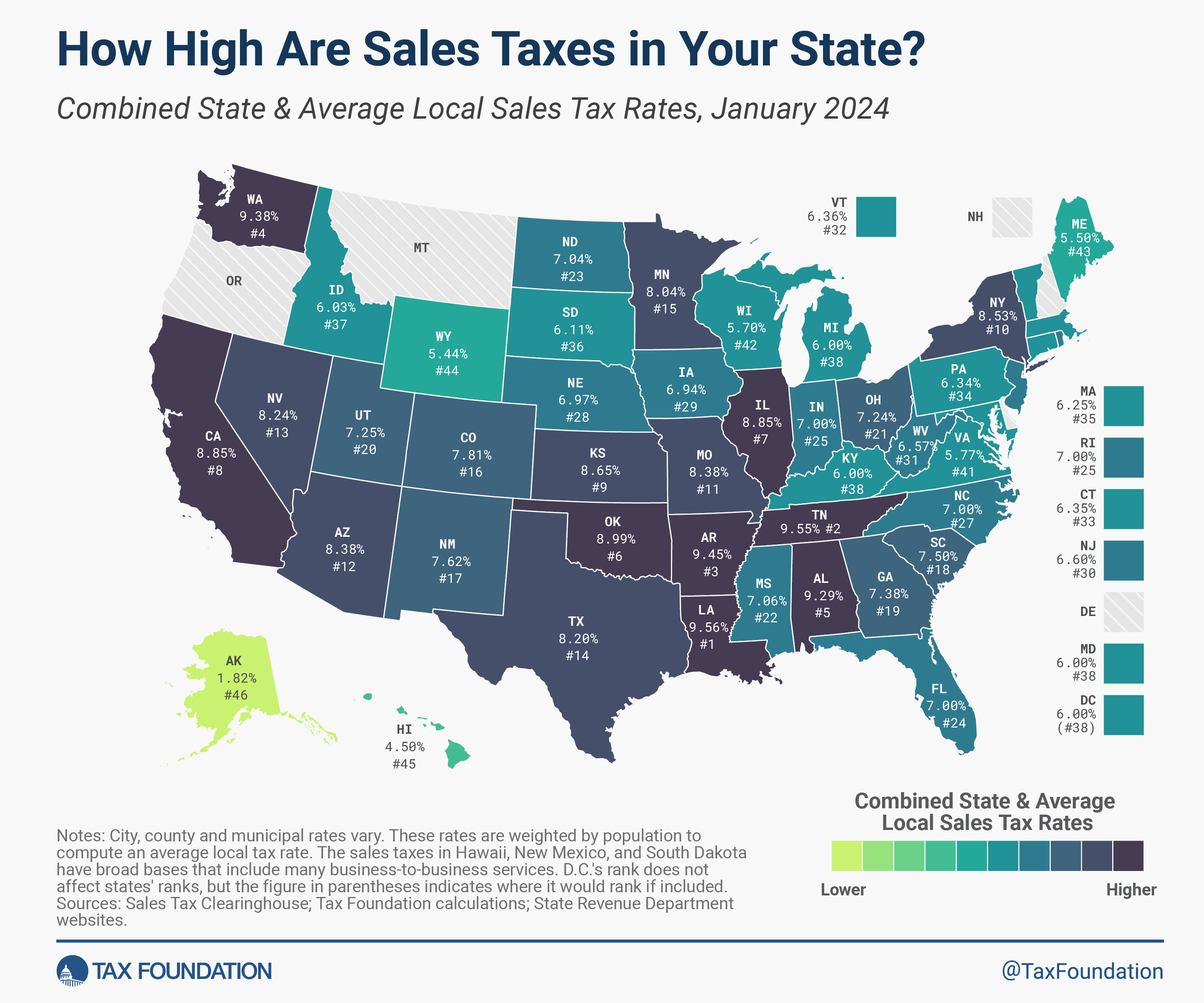
The statewide base sales tax rate in Texas is set at 6.25%. This rate applies to the sale of tangible personal property and certain taxable services. This is the foundational rate that forms the basis of all sales tax calculations within the state.
Local Sales Tax Rates
Beyond the state’s base rate, counties, municipalities, and special districts within Texas are authorized to levy their own local sales taxes. These local taxes are added to the state rate, creating a combined tax that varies significantly from one location to another. The maximum combined state and local sales tax rate is capped at 8.25%. However, this cap can be exceeded in specific instances for certain districts, particularly those related to public transportation or water districts, though these are less common for the average traveler.
Understanding the “Use Tax”
It’s important to also understand the concept of “use tax” in Texas. Use tax is essentially a counterpart to sales tax. It is levied on taxable items that are purchased outside of Texas for use, storage, or consumption within the state, but on which no Texas sales tax was paid at the time of purchase. This is often relevant for online purchases or items brought into the state from elsewhere. The rate for use tax is the same as the sales tax rate in the locality where the item is brought into use.
Factors Influencing Your Total Tax Burden
The Texas sales tax rate you encounter will depend on several key factors, primarily your geographical location within the state and the nature of the goods or services you are purchasing.
Geographical Variations
The most significant determinant of the total sales tax rate is your specific location. Texas is divided into numerous taxing jurisdictions, each with its own combination of county, municipal, and special district taxes.
Major Cities and Their Rates
- Houston: As of 2024, the combined sales tax rate in Houston is typically 8.25%. This includes the state rate of 6.25% plus a local rate of 2% from the city and metropolitan transit authority.
- Dallas: Similarly, Dallas generally has a combined sales tax rate of 8.25%, reflecting the state rate and local additions.
- Austin: The sales tax rate in Austin also often stands at 8.25%, encompassing state and local levies.
- San Antonio: Visitors to San Antonio will likely find the combined sales tax rate to be 8.25%.
- Fort Worth: Consistent with other major urban centers, Fort Worth typically charges a combined rate of 8.25%.
It’s important to note that even within these major cities, certain areas or special districts might have slightly different rates. For instance, a special district focused on infrastructure or a specific entertainment zone could add a fraction of a percent to the total.
Rural and Less Populated Areas
In less populated areas or smaller towns, the combined sales tax rate might be lower than the 8.25% maximum. This is because these areas may not have as many layers of local taxing districts or may have opted for lower municipal rates. For example, a small rural county might have a combined rate closer to 7%, or even lower, depending on local ordinances.
Taxable vs. Non-Taxable Items and Services
While the rate is important, it’s equally vital to understand what is subject to sales tax in Texas. The state taxes a wide array of tangible goods, including clothing, electronics, furniture, and motor vehicles. Additionally, certain services are taxable.
Commonly Taxed Goods

- Tangible personal property (most physical goods)
- Prepared food sold by restaurants and caterers
- Motor vehicles
- Durable goods
- Clothing and footwear (with some exceptions for very low-cost items)
Commonly Taxed Services
- Hotel and motel room rentals (often referred to as occupancy tax, which is similar in principle)
- Admissions to amusement, entertainment, and recreational events
- Certain repair and maintenance services for tangible personal property
- Telecommunication services
- Information services
- Some professional services (though this is a complex area with many exemptions)
Exemptions and Exceptions
Texas offers several exemptions and exceptions to its sales tax laws. These are designed to encourage certain economic activities or provide relief to specific groups.
- Groceries: Most basic grocery items intended for home consumption are exempt from state sales tax. This includes fruits, vegetables, meats, dairy products, and bread. However, prepared foods, “hot” foods, and convenience items like sodas or candy are generally taxable.
- Prescription Drugs: Prescription medications are exempt from sales tax.
- Agricultural Products: Certain agricultural products are exempt.
- Manufacturing Exemptions: Significant exemptions exist for machinery and equipment used in manufacturing.
- Interstate Commerce: Goods shipped out of state for use outside Texas are generally not subject to Texas sales tax.
- Non-Profit Organizations: Some sales by qualified non-profit organizations may be exempt.
- Diapers and Menstrual Products: In recent years, legislation has exempted diapers and menstrual hygiene products from sales tax, recognizing them as necessities.
The Texas Comptroller of Public Accounts provides comprehensive guidance on taxable and non-taxable items and services, which is an invaluable resource for detailed information.
Practical Implications for Travelers and Tourists
For visitors exploring the diverse attractions of Texas, understanding sales tax is a practical matter that impacts the overall cost of their trip. From booking accommodations to enjoying local dining and shopping, the tax is a constant factor.
Accommodation and Lodging
When booking a hotel, resort, or vacation rental in Texas, you will invariably encounter sales tax. This is typically levied as a combined state and local hotel occupancy tax. The state rate is 6.25%, but local jurisdictions add their own rates, often bringing the total to between 9% and 15% or even higher in some popular tourist destinations. For instance, a stay at a San Antonio hotel might include a tax rate that is higher than the standard 8.25% general sales tax due to specific local lodging taxes.
Dining and Entertainment
Your culinary experiences and entertainment choices in Texas will also be subject to sales tax. Dining out at a restaurant in Austin will include the combined state and local sales tax on your bill. Similarly, purchasing tickets to a concert at the American Airlines Center in Dallas, or visiting an attraction like Six Flags Fiesta Texas in San Antonio, will involve paying sales tax on the admission price. The rate applied will be that of the specific city or county where the venue is located.
Shopping and Souvenirs
Shopping for souvenirs, clothing, or any other tangible goods in Texas means factoring in the sales tax. Whether you’re browsing the boutiques in Austin‘s South Congress district or picking up items at a store in a Houston mall, the sales tax will be calculated at the point of purchase based on the local rate. For travelers looking to maximize their budget, being aware of the rates in different shopping areas can be beneficial, although the variations are usually within a predictable range.
Business Travel and Expenses
For those on business trips, understanding sales tax is crucial for expense reporting and budgeting. Corporate travel policies often require careful tracking of all expenditures, including sales tax. If your business involves purchasing goods or services in Texas, familiarizing yourself with the tax implications is vital for accurate financial management. This includes knowing the tax on business meals, hotel stays, and any supplies or equipment purchased within the state.
Navigating Sales Tax in 2024 and Beyond
The Texas sales tax landscape is subject to ongoing legislative review and adjustment. While the state’s base rate has remained stable for a considerable period, local rates can change as municipalities and counties pass new ordinances or adjust existing ones.
Staying Informed
For the most current and precise sales tax rates, it is always advisable to consult official sources. The Texas Comptroller of Public Accounts website is the definitive authority for all sales tax information. They provide tools and publications that detail current rates for all taxing jurisdictions within the state. Travelers can often find this information readily available on local city or county government websites as well. Many point-of-sale systems in Texas are programmed to automatically calculate the correct tax rate based on the location, but understanding the underlying principles empowers consumers and businesses alike.
Planning Your Texas Journey
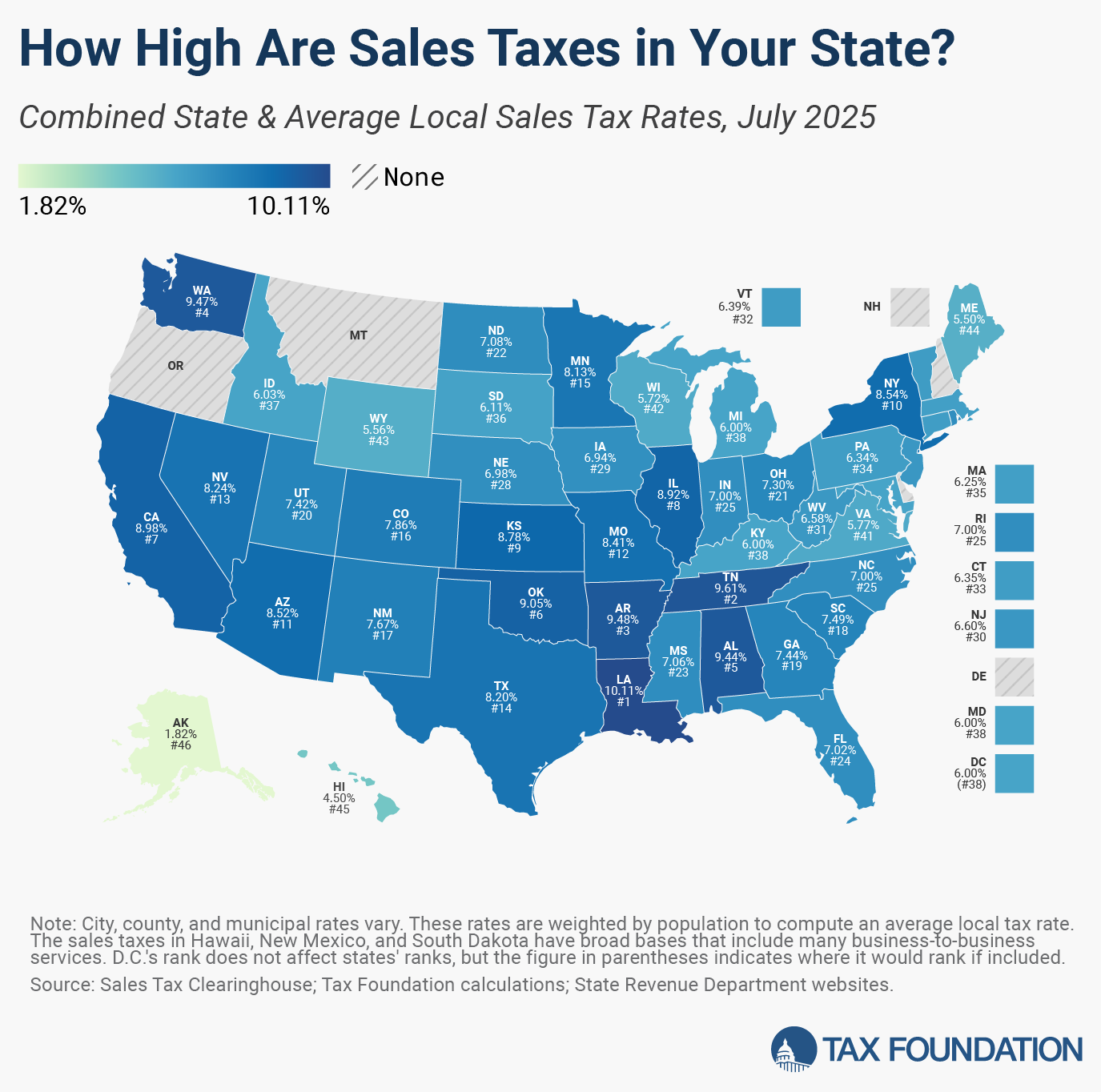
As you plan your visit to Texas – whether it’s for the vibrant culture of Austin, the historic sites of San Antonio, the bustling energy of Houston, or the cultural richness of Dallas – incorporating sales tax into your budget is a prudent step. While the exact percentages may vary, the general expectation for most urban areas is a combined rate of 8.25%. By being informed about these rates, you can better manage your expenses and fully enjoy the incredible experiences the Lone Star State has to offer. Understanding sales tax is not just about compliance; it’s about smart travel and informed spending.
LifeOutOfTheBox is a participant in the Amazon Services LLC Associates Program, an affiliate advertising program designed to provide a means for sites to earn advertising fees by advertising and linking to Amazon.com. Amazon, the Amazon logo, AmazonSupply, and the AmazonSupply logo are trademarks of Amazon.com, Inc. or its affiliates. As an Amazon Associate we earn affiliate commissions from qualifying purchases.