
For many travelers, the open road is synonymous with sweeping vistas, expansive horizons, and the subtle dance of sunlight on the landscape. Yet, in countless destinations, this idyllic imagery is frequently interrupted by a barrage of commercial billboards, vying for attention and often detracting from the natural splendor. Alaska, however, offers a refreshingly different experience. The answer to whether billboards are illegal in Alaska is, for the most part, a resounding yes. This policy profoundly shapes the travel experience, allowing visitors to immerse themselves fully in the state’s unparalleled wilderness and breathtaking scenic beauty, making every journey an unblemished visual feast.

The Unique Alaskan Landscape: A Billboard-Free Travel Experience
Visiting Alaska is an experience defined by its vast, untamed wilderness. From towering, snow-capped peaks to endless fjords and dense forests, the state is a sanctuary of natural wonders. The deliberate absence of traditional billboards plays a pivotal role in preserving this pristine visual environment, enhancing the immersive quality of travel within its borders.
A Legacy of Conservation
The policy against billboards in Alaska isn’t merely an aesthetic choice; it’s deeply rooted in a commitment to conservation and the preservation of its natural heritage. Unlike many states where commercial interests often clash with environmental concerns, Alaska has historically prioritized the protection of its unique ecosystems and scenic routes. This foresight ensures that travelers seeking an escape into nature are not confronted with commercial clutter. The state’s early embrace of strict outdoor advertising regulations, partly inspired by the federal Highway Beautification Act of 1965, has created a visual purity that is increasingly rare in the modern world. This focus on an unadulterated view has solidified Alaska’s reputation as a premier destination for ecotourism and wilderness adventures, allowing the landscape itself to be the primary attraction.
The Aesthetic Impact on Travel
Imagine driving the Seward Highway, a designated Alaska Scenic Byway, where every turn reveals a panorama of mountains, glaciers, and marine life in Turnagain Arm. Now imagine that view punctuated by advertisements for fast food or discount tires. The difference is profound. In Alaska, the absence of billboards allows the eye to linger on the majestic scale of Denali National Park, the serene beauty of the Kenai Peninsula, or the rugged coastline along the Gulf of Alaska without distraction.
This creates a more authentic and uninterrupted travel experience. For photographers, artists, and nature enthusiasts, it means unblemished shots and unimpeded contemplation of the environment. For families, it encourages engagement with the landscape rather than arguments over advertised toys. The visual purity amplifies the feeling of being truly ‘away from it all,’ enhancing the sense of adventure and discovery that defines an Alaskan journey. Whether you are driving from Anchorage to Fairbanks on the Parks Highway or exploring the vastness of the Interior Alaska, the commitment to a billboard-free environment ensures that the scenery remains the star of the show.
Understanding Alaska’s Billboard Regulations
While it’s generally true that billboards are illegal in Alaska, the legal framework behind this is more nuanced than a simple blanket ban. Travelers planning their itineraries can benefit from understanding the regulations that safeguard the state’s scenic integrity.
State and Federal Mandates
Alaska’s strict controls on outdoor advertising are primarily governed by both state statutes and federal guidelines. The federal Highway Beautification Act of 1965 set national standards for controlling billboards along interstate and primary highways, offering incentives to states that comply and penalties for those that don’t. Alaska took these guidelines a step further, enacting its own comprehensive regulations that effectively prohibit most off-premise advertising signs along state roads.
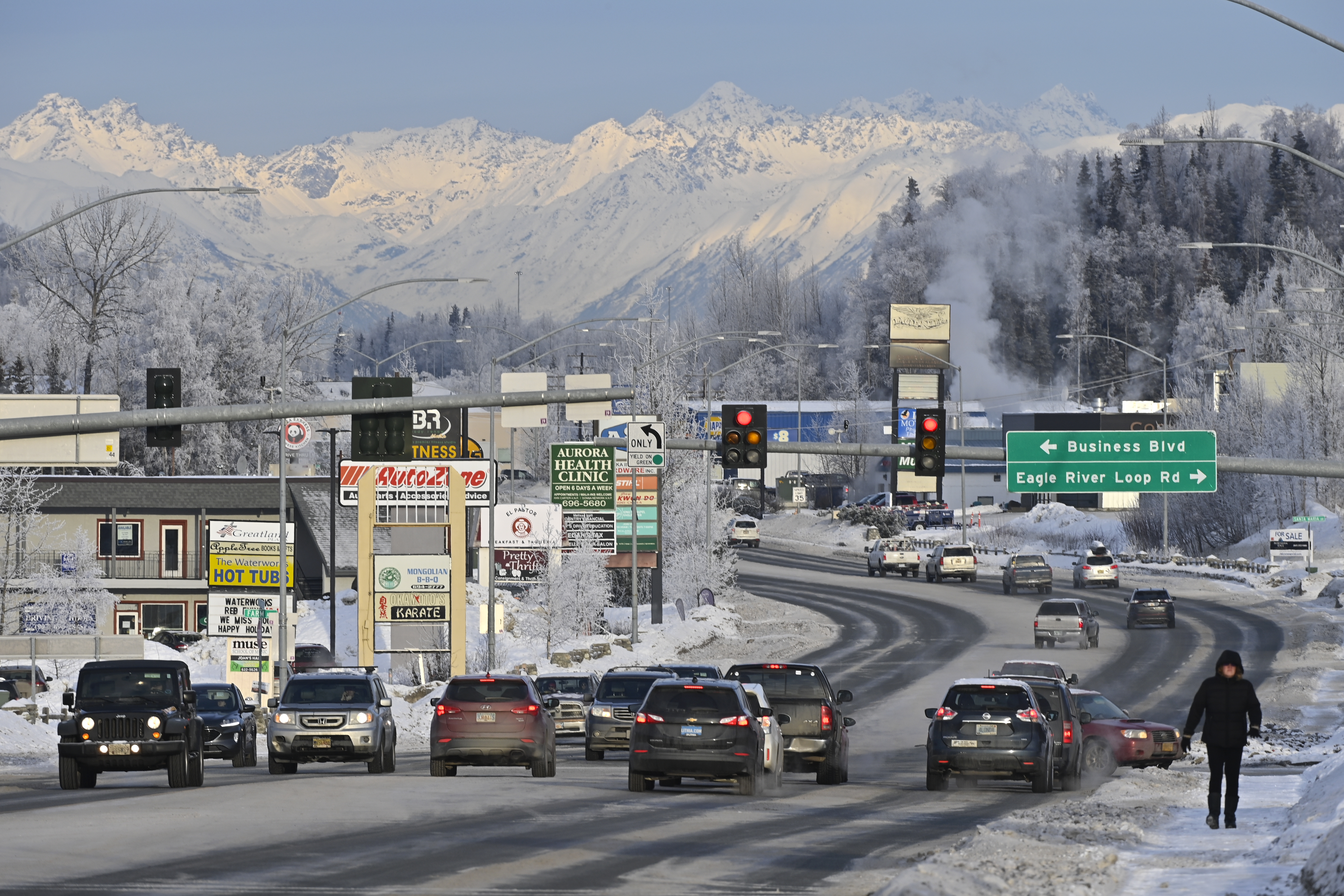
The Alaska Outdoor Advertising Act, for example, strictly limits the size, spacing, and placement of signs that are visible from public highways. The primary intent is to prohibit billboards that advertise goods or services not available on the premises where the sign is located. This means that a business can have a sign on its own property advertising its services, but it generally cannot erect a large billboard miles down the road directing traffic to its location. This nuanced distinction is crucial: it’s not an outright ban on all signs, but a targeted prohibition on the type of large-scale, off-premise commercial advertising that constitutes traditional billboards.
Exceptions and Interpretations
Like most regulations, Alaska’s billboard laws do have limited exceptions. These typically include:
- On-premise signs: As mentioned, businesses are allowed signs on their own property, provided they adhere to local zoning and size restrictions. This means you’ll still see signs for gas stations, restaurants, and hotels as you approach them, ensuring travelers can find necessary services.
- Official signs: Traffic signs, regulatory signs, and informational signs erected by government agencies (e.g., for national parks like Denali or national forests like Chugach National Forest) are permitted.
- Public service signs: Signs providing information on public interest matters, such as community events or historical markers, may also be allowed under specific conditions.
- Temporary signs: Some temporary signs, often for political campaigns or special events, might be allowed for a limited duration, though these are typically smaller and less obtrusive than permanent billboards.
It’s important for travelers to understand that while these exceptions exist, they do not detract from the overall billboard-free experience. The spirit of the law is maintained, ensuring that the vast majority of Alaska’s scenic corridors remain uncluttered by commercial distractions, preserving the visual integrity that defines an Alaskan adventure.
Navigating Alaska Without Traditional Advertising
The absence of billboards fundamentally alters how travelers discover services, attractions, and accommodations in Alaska. Far from being an inconvenience, this unique aspect encourages a more engaging and often more authentic interaction with local communities and resources.
Alternative Information Sources for Travelers
Without the pervasive presence of billboards, visitors to Alaska rely on a different ecosystem of information. This shift often leads to more deliberate planning and a deeper connection with local resources:
- Visitor Centers: These are invaluable hubs, found in cities like Juneau, Anchorage, Fairbanks, and smaller towns like Talkeetna or Palmer. They offer maps, brochures, activity bookings, and expert advice from local staff.
- Travel Guides and Apps: Both physical guidebooks and digital travel apps become essential tools for pre-planning routes, identifying points of interest, and locating services.
- Online Research: Before and during a trip, websites, blogs, and online forums dedicated to Alaskan travel are crucial for discovering hidden gems, local eateries, and tour operators.
- Local Word-of-Mouth: Engaging with residents, fellow travelers, and business owners often yields the best recommendations for authentic experiences and off-the-beaten-path attractions.
This reliance on more active information-seeking mechanisms can paradoxically enhance the travel experience, fostering a sense of discovery and empowering travelers to craft a journey tailored to their specific interests, rather than being passively directed by advertisements.
The Role of Digital and Local Engagement
In a state where physical advertising is limited, businesses and tourism operators have adapted by focusing on digital presence and fostering strong local connections. Travelers will find robust online presences for tour companies, hotels, and attractions. Many rely heavily on their websites, social media, and online booking platforms to reach visitors.
Furthermore, the emphasis shifts to “experience marketing” and community integration. Local businesses thrive on reputation, referrals, and collaboration. You might find brochures for various activities consolidated at your hotel lobby, or local shopkeepers enthusiastically recommending neighboring businesses. This creates a tight-knit tourism ecosystem where quality and authentic experiences are often the best form of advertisement. For the traveler, this means a more curated and often higher-quality selection of options, as businesses must truly stand out on merit rather than mere visibility. It also encourages a deeper dive into the local culture and economy, making the trip feel less commercial and more genuinely exploratory.
Maximizing Your Scenic Journey in Alaska
The absence of billboards isn’t just a regulatory detail; it’s a foundational element of Alaska’s travel identity. Embracing this unique characteristic allows travelers to unlock a truly unparalleled and immersive journey.
Embracing the Untamed Views
The vast majority of Alaska’s highways and byways offer uninterrupted vistas of some of the most dramatic landscapes on Earth. Without commercial signs competing for your attention, your eyes are free to roam across endless taiga, observe wildlife like moose and caribou grazing by the roadside, or gaze upon distant glaciers glistening under the Alaskan sun. This allows for a deeper appreciation of the sheer scale and raw beauty of the wilderness.
Travelers are encouraged to frequently pull over at designated viewpoints and simply soak in the scenery. The lack of visual noise helps to foster a sense of peace and connection with nature, which is often the primary draw for visiting Alaska. Whether you’re navigating the mountain passes along the Glenn Highway or winding through the dense forests of the Tongass National Forest, the unspoiled views are a constant, rewarding companion. This pristine visual environment also elevates the photography experience, allowing for truly iconic shots that are free from visual clutter.

Recommended Scenic Routes
To fully appreciate the billboard-free experience, consider these iconic Alaskan drives and journeys:
- Seward Highway: Stretching from Anchorage to Seward, this highway is frequently named one of the most scenic drives in North America. It hugs the Turnagain Arm and winds through rugged mountains, offering chances to spot beluga whales, Dall sheep, and eagles.
- Parks Highway: The main artery between Anchorage and Fairbanks, this route provides direct access to Denali National Park and offers breathtaking views of Denali, North America’s tallest peak, on clear days.
- Glenn Highway: Connecting Anchorage to the Matanuska-Susitna Valley and beyond, this route offers stunning glacier views, particularly the Matanuska Glacier, and showcases Alaska’s agricultural heartland amidst a mountainous backdrop.
- Dalton Highway: For the truly adventurous, the Dalton Highway (also known as the Haul Road) stretches over 400 miles to the Arctic Ocean, offering an unadulterated wilderness experience across diverse landscapes, far from any urban or commercial distractions.
In Alaska, the journey truly is as important as the destination. The deliberate choice to limit billboards is a testament to the state’s reverence for its natural beauty, ensuring that every road trip is an opportunity for profound natural immersion. For travelers seeking authentic wilderness and unparalleled scenic grandeur, Alaska’s billboard-free environment is not just a policy—it’s an invitation to experience the world as it was meant to be seen.
LifeOutOfTheBox is a participant in the Amazon Services LLC Associates Program, an affiliate advertising program designed to provide a means for sites to earn advertising fees by advertising and linking to Amazon.com. Amazon, the Amazon logo, AmazonSupply, and the AmazonSupply logo are trademarks of Amazon.com, Inc. or its affiliates. As an Amazon Associate we earn affiliate commissions from qualifying purchases.