
The question of population size is fundamental to understanding any city. It informs everything from infrastructure planning and resource allocation to the very character and energy of a place. For Colorado Springs, Colorado, a city renowned for its stunning natural beauty and vibrant community, delving into its population figures offers a deeper appreciation for its growth, development, and the experiences it offers to residents and visitors alike.
While a precise, up-to-the-minute count of every single resident is a dynamic figure, we can examine the most recent reliable data and trends to understand the scale of life in this remarkable city. Population figures are typically derived from official census data, with estimates provided by various governmental and demographic organizations in the interim. These numbers not only quantify the number of people but also serve as a proxy for the city’s economic vitality, cultural richness, and its appeal as a place to live, work, and explore.
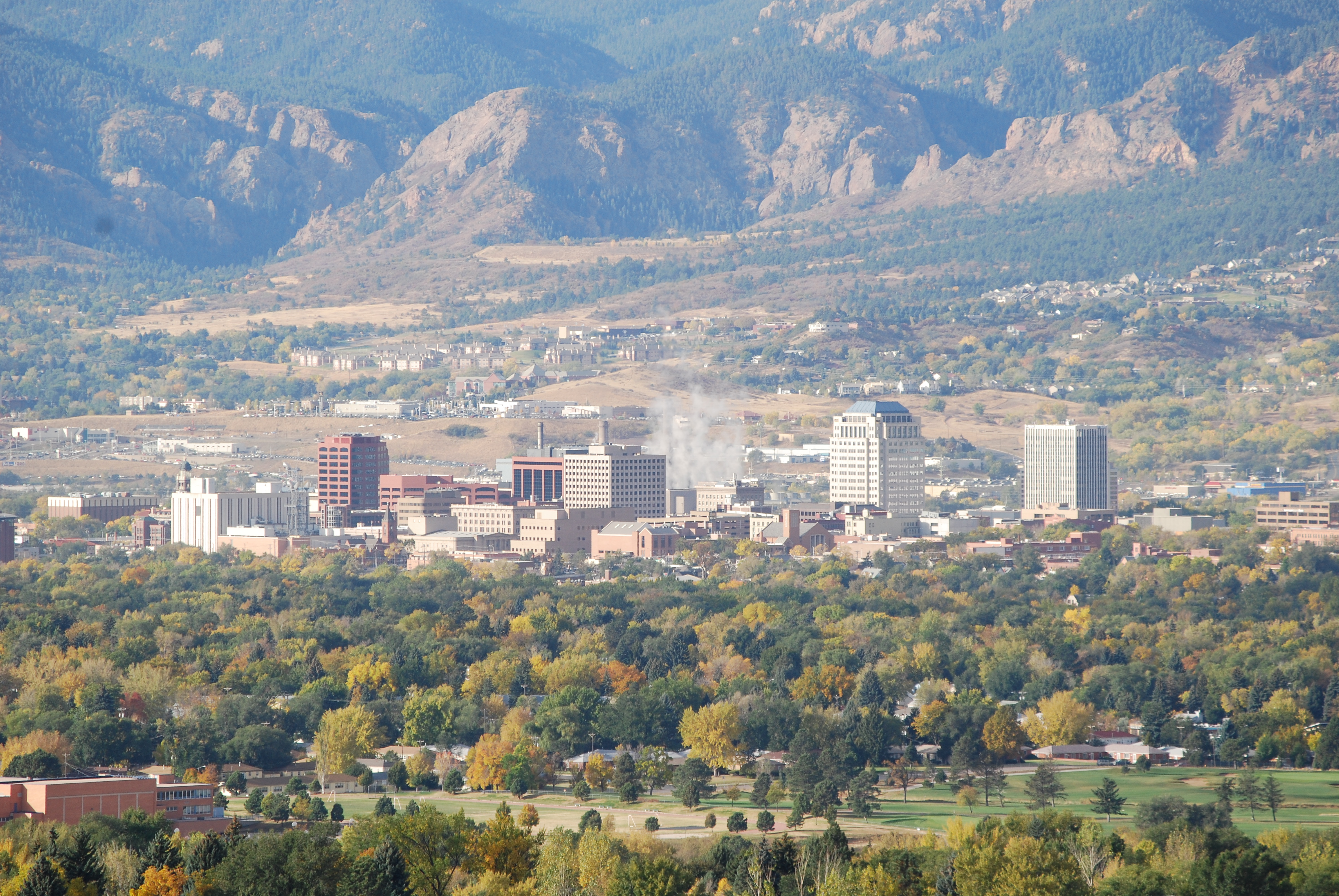
Understanding the Demographic Landscape of Colorado Springs
To truly grasp the population of Colorado Springs, it’s essential to look at its historical growth and projected future trends. Cities are not static entities; they evolve. Understanding this evolution provides context for the current numbers and hints at the future direction of the city.
Historical Growth and Trends
Colorado Springs has experienced significant growth since its founding. Established in 1871, its initial population was a mere fraction of what it is today. The city’s strategic location near Pikes Peak and its subsequent development as a military hub, particularly with the establishment of Fort Carson and the United States Air Force Academy, have been major drivers of population expansion.
The post-World War II era saw a surge in suburbanization across the United States, and Colorado Springs was no exception. Military families, defense contractors, and individuals drawn to the region’s outdoor recreation opportunities contributed to a steady increase in residents. The latter half of the 20th century and the early 21st century have continued this trend, with the city consistently ranking among the faster-growing metropolitan areas in the nation. This sustained growth indicates a strong and enduring appeal for the city.
Latest Population Estimates
According to the most recent available data, the population of Colorado Springs, Colorado, hovers around the 500,000 mark. This figure typically refers to the population within the city limits. It’s important to distinguish this from the population of the broader Colorado Springs metropolitan area, which encompasses surrounding communities and would be a larger number.
For instance, the U.S. Census Bureau’s estimates provide a benchmark. As of recent estimates, the city proper often registers in the high 480,000s to low 500,000s. This makes Colorado Springs the second-most populous city in Colorado, trailing only the capital city, Denver. This substantial population base underscores its role as a major urban center in the Rocky Mountain region.
Factors Influencing Population Growth
Several key factors contribute to Colorado Springs’ continuous growth:
- Economic Opportunities: The presence of a robust defense industry, burgeoning tech sector, and a growing healthcare and aerospace presence provides ample employment opportunities.
- Quality of Life: The stunning natural environment, with its abundant sunshine, clean air, and access to outdoor recreation like hiking, biking, and skiing, is a major draw. The proximity to attractions like Garden of the Gods and Pikes Peak adds significant appeal.
- Affordability (Relative): While housing costs have risen, Colorado Springs has historically offered a more affordable cost of living compared to other major Western cities, though this is a dynamic factor.
- Military Presence: As mentioned, the significant military installations continue to bring personnel and their families to the area, contributing to population stability and growth.
The Impact of Population Size on City Life and Tourism
The substantial population of Colorado Springs has a profound impact on its character, services, and the experiences available to both its residents and the countless tourists who visit each year. A city of this size offers a unique blend of urban amenities and access to natural wonders.
Urban Infrastructure and Services
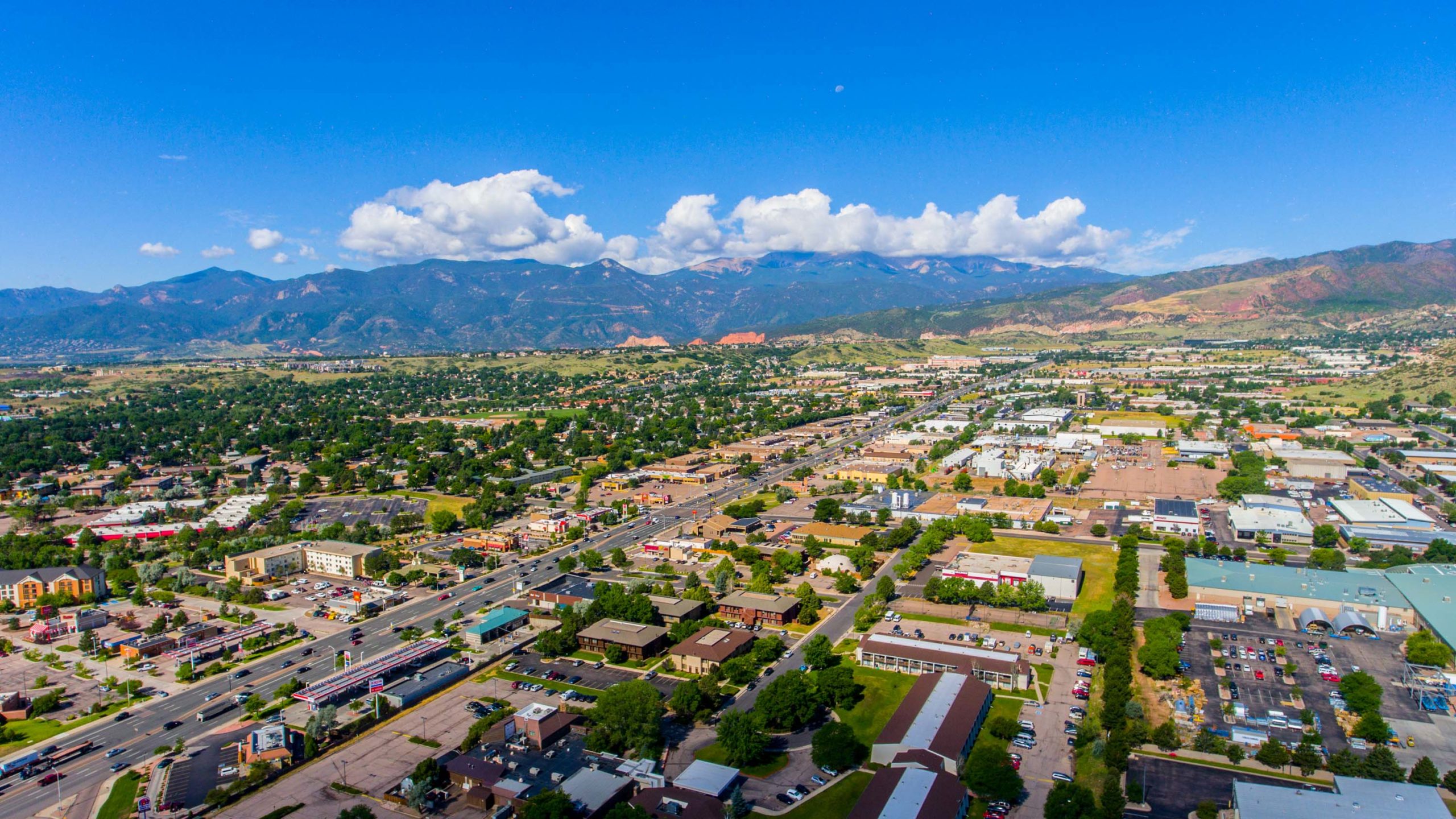
A population of over half a million necessitates a sophisticated infrastructure. This includes extensive transportation networks, advanced public services, and a diverse range of commercial and residential development.
- Transportation: The city manages a complex road system, public bus services, and is served by the Colorado Springs Airport. The population size dictates the scale of these operations, from the number of buses running routes to the capacity needed at the airport.
- Public Services: Essential services such as water, waste management, and emergency response are all scaled to accommodate a large and growing populace. The city’s fire department, police department, and healthcare systems are designed to meet the needs of hundreds of thousands of people.
- Commercial and Residential Development: The demand generated by a large population fuels a dynamic real estate market and a wide array of shopping, dining, and entertainment options. New housing developments, commercial centers, and an evolving urban core are direct reflections of this demographic reality.
A Hub for Tourism and Recreation
Colorado Springs is a premier tourist destination, and its population size plays a role in its ability to support and enhance the visitor experience. The infrastructure built to serve residents often directly benefits tourists, while the city’s popularity ensures a steady flow of visitors who contribute significantly to the local economy.
- Accommodations: With a large population and a constant influx of tourists, Colorado Springs boasts a wide range of accommodation options. From budget-friendly motels to luxury resorts, there are choices to suit every traveler’s needs and preferences. Hotels like the Broadmoor, a historic luxury resort, are iconic landmarks that attract guests from around the globe. Numerous other hotel brands, boutique inns, and vacation rental properties cater to the diverse visitor base.
- Dining and Entertainment: The city offers a vibrant culinary scene, reflecting the diverse backgrounds of its residents and the tastes of its visitors. From casual eateries to fine dining establishments, there are countless opportunities to explore local and international flavors. A robust entertainment sector includes live music venues, theaters, sports arenas, and cultural centers, all supported by the demand from both locals and tourists.
- Attractions: The sheer number of people who call Colorado Springs home means there’s a strong base for supporting and developing world-class attractions. Beyond the natural wonders, the city offers museums, galleries, and family-friendly activities that are popular with residents and visitors alike. The U.S. Olympic & Paralympic Museum, for example, is a national attraction that draws significant interest.
Key Demographics Beyond Just Numbers
While the total population count is a headline figure, understanding the demographics of Colorado Springs offers a richer picture of the community and its dynamics.
Age Distribution and Family Structures
The age distribution of Colorado Springs tends to be fairly balanced, reflecting a mix of young professionals, families, and retirees. The presence of military bases often contributes to a younger demographic in certain areas. The prevalence of outdoor activities and a generally healthy lifestyle appeals to families and individuals who value an active life.
Family structures are diverse, mirroring national trends. The city offers a range of housing options, from apartments and townhouses suitable for singles and young couples to single-family homes that accommodate growing families. This diversity in housing and lifestyle opportunities contributes to the city’s broad appeal.
Socioeconomic Characteristics
Colorado Springs exhibits a range of socioeconomic characteristics. As a center for defense and aerospace, it attracts a skilled workforce. The growing tech sector also draws highly educated professionals. However, like many cities, it faces challenges related to income inequality and access to affordable housing, which are ongoing considerations for city planners and community leaders. The city’s economic vitality, fueled by its diverse industries, provides a solid foundation, but ongoing efforts are made to ensure economic prosperity is broadly shared.
Cultural Diversity
The cultural landscape of Colorado Springs is continuously evolving, influenced by migration from other parts of the United States and, to a lesser extent, from abroad. The military community, in particular, brings people from diverse backgrounds, enriching the cultural fabric of the city. This diversity is reflected in its culinary scene, local festivals, and community events, creating a dynamic and welcoming atmosphere.

Conclusion: A Growing City with Enduring Appeal
The population of Colorado Springs, Colorado, standing robustly around the 500,000 mark for the city proper, is a testament to its enduring appeal. It signifies a thriving urban center that has successfully blended its spectacular natural setting with a growing economy and a high quality of life.
This demographic strength underpins the city’s ability to offer a wide array of experiences for its residents and a memorable visit for its tourists. From the iconic natural beauty of Garden of the Gods and the majestic presence of Pikes Peak to the sophisticated amenities and cultural attractions within the city, Colorado Springs offers a comprehensive travel destination. Understanding its population is key to appreciating the scale and scope of what this vibrant Colorado city has to offer, solidifying its status as a premier destination for exploration, adventure, and a fulfilling lifestyle.
LifeOutOfTheBox is a participant in the Amazon Services LLC Associates Program, an affiliate advertising program designed to provide a means for sites to earn advertising fees by advertising and linking to Amazon.com. Amazon, the Amazon logo, AmazonSupply, and the AmazonSupply logo are trademarks of Amazon.com, Inc. or its affiliates. As an Amazon Associate we earn affiliate commissions from qualifying purchases.