
The Iconic Greenery of Boston’s Tourist Appeal
When visitors explore the historic streets and vibrant neighborhoods of Boston, they are often struck by a particular flourish of greenery: the lush, elegant fronds of the Boston Fern. Far from being merely a common houseplant, in the context of Boston, this fern often takes on a character of its own, deeply intertwined with the city’s aesthetic charm, particularly during the warmer months. Its prolific use in window boxes, hanging baskets, and public gardens contributes significantly to the visual appeal that draws tourists from around the globe. Understanding the nature of the Boston Fern – whether it’s a perennial in this specific climate – becomes an interesting facet of appreciating Boston’s living landscape, offering insights into local horticultural practices and seasonal changes that impact the tourist experience.
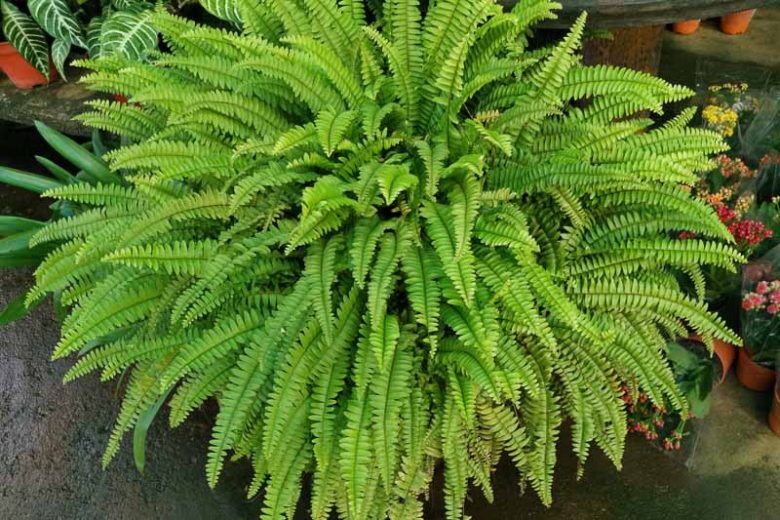
A Symbol of Historic Charm
The presence of Boston Ferns in Boston is more than just decorative; it’s almost symbolic of the city’s commitment to preserving its historic charm while embracing natural beauty. Walking through areas like Beacon Hill or the Back Bay, one encounters these ferns adorning stately brownstones, their vibrant green providing a striking contrast to the brick and cobblestone. This widespread integration into the urban fabric creates a cohesive and inviting atmosphere, making every stroll an immersive experience. For tourists, these ferns contribute to the quintessential Boston postcard image, framing historic architecture and adding a layer of verdant sophistication to photographic memories. They evoke a sense of timeless elegance, much like the city itself.
Enhancing Public Spaces and Private Residences
Boston Ferns are strategically utilized across Boston’s public spaces, from meticulously maintained parks to charming street-side cafes. They soften urban edges, introduce natural textures, and create a sense of tranquility amidst the bustling city life. Beyond public displays, the residents of Boston also embrace these ferns wholeheartedly, showcasing them prominently in private courtyards, on stoops, and cascading from balconies. This collective effort, whether coordinated by the city or cultivated by individual homeowners, ensures a consistent and appealing green presence throughout many neighborhoods. Tourists gain not only a scenic backdrop but also a subtle insight into local culture – a shared appreciation for beauty and an active role in enhancing their surroundings. The ubiquitous nature of the Boston Fern is a testament to its suitability and popularity in creating an inviting urban environment.
Understanding Boston Ferns in a Northeastern Climate
To address the core question, “Are Boston Ferns perennials?”, one must consider the climate of Boston itself. A perennial plant is one that lives for more than two years, typically returning year after year from its rootstock. While Boston Ferns (Nephrolepis exaltata ‘Bostoniensis’) are indeed true perennials in their native tropical and subtropical habitats, the harsh winters of New England present a significant challenge to their year-round outdoor survival. This environmental reality shapes how tourists experience these plants during their visits.
The Perennial Question: A Climate Conundrum
In the warmest regions of the United States, particularly in USDA hardiness zones 9-11 (such as parts of Florida or southern California), Boston Ferns can thrive outdoors year-round as bona fide perennials. Their roots and rhizomes can withstand mild winters and resprout vigorously each spring. However, Boston falls into USDA hardiness zone 6a/6b, characterized by cold winters with freezing temperatures and often significant snowfall. These conditions are too severe for the delicate root systems of Boston Ferns to survive unprotected outdoors.
Consequently, in Boston, these ferns are almost universally treated as annuals for outdoor display. This means that after the first hard frost of autumn, the outdoor plants will die back and will not return the following spring. Local residents and city landscapers will either discard them or, in some cases, attempt to bring smaller specimens indoors to overwinter as houseplants. For the grand displays seen in public parks and streetscapes, new plants are purchased and installed each spring, ensuring a fresh and vibrant display every season. This annual cycle is an important aspect of Boston’s horticultural strategy, aimed at consistently presenting the city at its best for residents and tourists alike.
Seasonal Displays for Visitors
Understanding this annual cycle is crucial for tourists planning their visit around Boston’s famous greenery. The most spectacular displays of Boston Ferns are typically observed from late spring through early autumn. As soon as the danger of frost has passed, usually around late May or early June, city crews and homeowners begin planting these ferns, allowing them several weeks to grow into their full, glorious cascade.
By July and August, the ferns are at their peak, creating lush, emerald backdrops that are particularly striking during the city’s warm summer months. As autumn progresses and temperatures begin to drop in September and October, the ferns will gradually show signs of decline, eventually succumbing to the cold. Therefore, tourists hoping to experience the full beauty of Boston’s fern-laden landscapes should plan their trips during the summer or early fall for optimal viewing. This seasonal rhythm is an integral part of Boston’s dynamic tourist experience, showcasing different aspects of its natural and cultivated beauty throughout the year.
Where Tourists Can Encounter Boston Ferns in Boston
The charm of Boston Ferns is truly evident in specific locales throughout the city, offering tourists prime opportunities to appreciate their beauty and how they contribute to Boston’s unique atmosphere. These locations are often integral parts of any visitor’s itinerary, blending natural elegance with historical significance.

Boston Public Garden and Emerald Necklace
The Boston Public Garden, a Victorian-era botanical garden adjacent to the historic Boston Common, is perhaps the most prominent showcase for Boston’s seasonal flora, including the eponymous ferns. Here, tourists can stroll among meticulously curated flowerbeds and grand statuary, often finding Boston Ferns used in large, dramatic groupings or as graceful accents around monuments and fountains. The sheer scale of the fern displays in the Public Garden is breathtaking, especially when paired with other annuals, creating a vibrant tapestry of color and texture.
Further extending the green reach is the Emerald Necklace, a chain of parks designed by Frederick Law Olmsted, which weaves through several Boston neighborhoods. While not as concentrated with fern displays as the Public Garden, sections like the Commonwealth Avenue Mall and parts of the Fens often feature these ferns in seasonal plantings, contributing to the urban oasis experience. Exploring these green spaces offers a tranquil escape and a different perspective on Boston’s commitment to natural beauty amidst its urban density.
Beacon Hill’s Window Boxes and Courtyards
No visit to Boston is complete without a wander through Beacon Hill, renowned for its gas lamps, brick sidewalks, and Federal-style row houses. It’s in this picturesque neighborhood that Boston Ferns truly shine as an element of local culture and aesthetic. Nearly every window box, hanging basket, and private courtyard in Beacon Hill seems to embrace these ferns. Their verdant fronds soften the sharp lines of the historic architecture, spilling over wrought-iron fences and adding a touch of old-world charm to the already enchanting streets. Tourists can enjoy a leisurely stroll down Acorn Street or Louisburg Square and appreciate how these ferns become living decor, an integral part of the neighborhood’s iconic visual appeal.
Historic Homes and Museums
Many of Boston’s historic homes and museums also feature Boston Ferns in their exterior displays, further cementing their place in the city’s heritage and tourist experience. Institutions like the Isabella Stewart Gardner Museum, with its stunning courtyard garden, or the grounds surrounding the Museum of Fine Arts often incorporate ferns in their seasonal plantings. While some interior displays might feature potted ferns as year-round decor, it’s the large, lush outdoor arrangements that particularly catch the eye of visitors, especially during organized tours. These settings not only provide an opportunity to enjoy the ferns but also highlight the historical context of gardening and plant preferences in Boston through the ages.
Tips for Tourists: Enjoying Boston’s Green Oasis
For tourists looking to fully appreciate the distinctive green landscapes that Boston Ferns contribute to, a few practical tips can enhance the experience, ensuring visitors capture the beauty and connect with the city’s unique blend of nature and urban sophistication.
Best Time to Visit
As established, the optimal time to witness Boston Ferns at their most magnificent is from late spring through early autumn.
- Late May to June: The ferns are freshly planted and beginning to fill out, offering vibrant green hues and a sense of new growth. This period also coincides with pleasant temperatures for walking tours.
- July to August: This is peak season. The ferns are lush, full, and cascading beautifully, creating the most impressive displays. It’s a fantastic time for photography and enjoying outdoor activities in Boston’s parks.
- September to Early October: While some ferns may start to show signs of decline, many still maintain their beauty, especially early in the month. This period often offers the added bonus of early autumn foliage in other parts of the city and surrounding areas, providing a rich contrast.
Visiting outside these months means the outdoor fern displays will be largely absent due to the cold, shifting the city’s green appeal to evergreen trees and indoor botanical gardens.
Photography and Appreciation
The natural elegance of Boston Ferns makes them excellent subjects for photography.
- Capture Context: Focus not just on the fern itself, but how it interacts with Boston’s architecture – a fern-draped window box against a brick facade, or a cascade of green framing a historic doorway.
- Golden Hour: Early morning or late afternoon light can dramatically enhance the ferns’ vibrant green, adding depth and shadow that make photographs pop.
- Mindful Strolls: Take time to simply walk and observe. The ferns are part of the broader sensory experience of Boston – the rustle of their fronds in a gentle breeze, the visual coolness they provide on a warm day, and how they subtly tie together the city’s diverse landscapes.
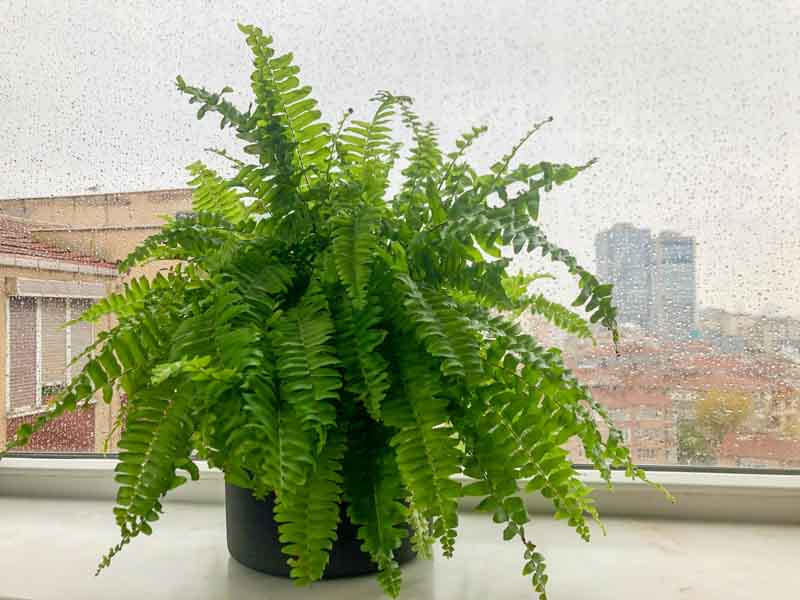
Connecting with Local Culture Through Flora
The widespread presence of Boston Ferns is a testament to a local cultural preference and a deliberate effort to beautify the city. Engaging with this aspect of Boston’s plant life can deepen a tourist’s connection to the destination:
- Observe Local Gardening: Notice how locals care for their window boxes and gardens. This can be a subtle window into the pride residents take in their surroundings.
- Botanical Tours: Consider joining a walking tour that specifically highlights Boston’s gardens and green spaces, such as those offered at the Boston Public Garden or focused on the Emerald Necklace.
- Shop Local: If you’re inspired by the ferns, consider visiting a local nursery or garden shop (perhaps in a neighborhood like Jamaica Plain, known for its community gardens) to learn more about horticulture in Boston, even if it’s just to buy a small souvenir.
By understanding that Boston Ferns are annuals in Boston’s climate, and by knowing where and when to look for them, tourists can gain a richer, more insightful appreciation of this charming city’s vibrant urban landscape and the efforts that go into making it such a beautiful destination.
LifeOutOfTheBox is a participant in the Amazon Services LLC Associates Program, an affiliate advertising program designed to provide a means for sites to earn advertising fees by advertising and linking to Amazon.com. Amazon, the Amazon logo, AmazonSupply, and the AmazonSupply logo are trademarks of Amazon.com, Inc. or its affiliates. As an Amazon Associate we earn affiliate commissions from qualifying purchases.