
The allure of lush greenery can transform any living space into a tranquil oasis, and for many pet owners, the desire to share their homes with furry companions extends to bringing nature indoors. Plants can add beauty, improve air quality, and even contribute to a sense of well-being. However, when you share your home with a dog, a critical question arises: are the plants you choose safe for your canine companions? This is particularly relevant for popular houseplants like the Boston fern. Renowned for its feathery fronds and elegant cascading habit, the Boston fern is a common sight in many households. But before you adorn your living room or vacation rental with this verdant beauty, it’s essential to understand its potential impact on your dog’s health.

This article delves into the question of whether Boston ferns are toxic to dogs, exploring the facts, potential risks, and what you can do to ensure a safe environment for your beloved pets, whether you’re at home or exploring new destinations with them. We’ll also touch upon how to approach plant selection when planning your travels, staying in various accommodations, and enjoying local attractions with your dog.
Understanding Plant Toxicity and Your Dog’s Well-being
The concern surrounding houseplants and pets stems from the fact that many plants contain natural compounds that can be harmful if ingested. These toxins can range from mild irritants to substances that cause severe illness or even prove fatal. Dogs, with their curious nature, often explore their surroundings with their mouths, making accidental ingestion of plant material a genuine risk. Understanding which plants pose a threat is the first step in pet-proofing your home and travel environments.
Identifying Common Household Hazards
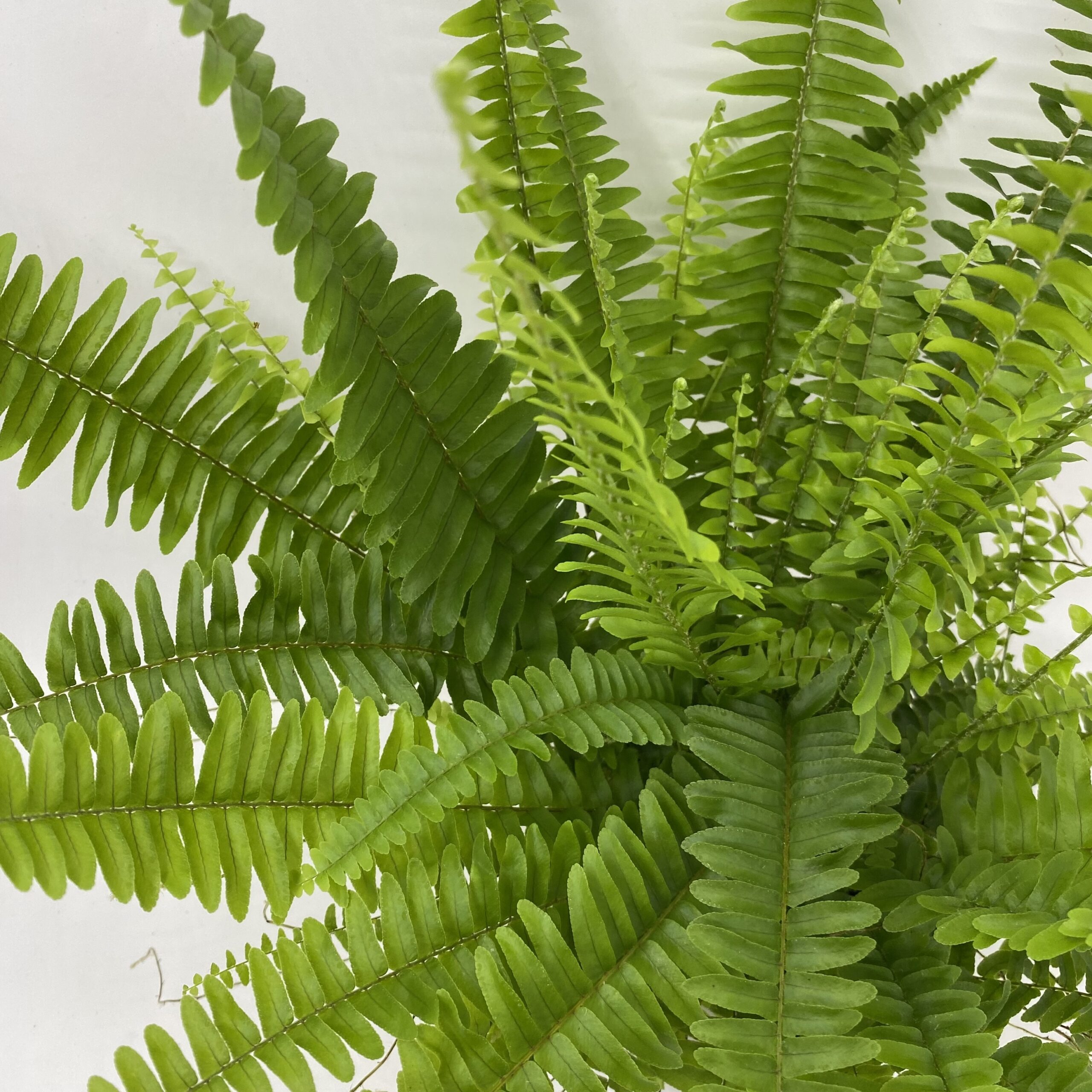
While the Boston Fern ( Nephrolepis exaltata) is often considered one of the safer houseplants, it’s crucial to clarify its toxicological status. Numerous reputable sources, including veterinary toxicologists and animal poison control centers, consistently classify Boston ferns as non-toxic to dogs. This means that if your dog were to nibble on a leaf or two of a Boston fern, it is highly unlikely to cause any significant adverse health effects.
This distinction is important because many other popular houseplants, such as lilies, tulips, and certain types of philodendrons, are indeed toxic to dogs and can cause a range of symptoms from vomiting and diarrhea to more serious organ damage. The relief for dog owners is that the attractive Boston fern does not fall into this dangerous category.
What “Non-Toxic” Truly Means
When a plant is labeled “non-toxic” to dogs, it implies that it does not contain poisonous substances that would cause systemic illness or life-threatening conditions. This doesn’t necessarily mean that a large ingestion of any non-toxic plant will be without consequence. Ingesting any foreign material, even if it’s not poisonous, can still lead to gastrointestinal upset in dogs.
For instance, if your dog decides to have a feast on your Boston fern, they might experience mild symptoms like:
- Vomiting: The sheer volume of plant material could irritate their stomach.
- Diarrhea: The indigestible fiber can sometimes cause loose stools.
- Upset Stomach: A general feeling of discomfort due to overconsumption.
These symptoms are typically temporary and resolve on their own as the plant material passes through the digestive system. However, it’s always a good practice to monitor your dog after any suspected plant ingestion and contact your veterinarian if you are concerned or if symptoms persist.
Boston Ferns in Travel and Pet-Friendly Stays
The fact that Boston ferns are non-toxic has significant implications for dog owners who enjoy incorporating plants into their living spaces and even considering them in pet-friendly travel accommodations.
Plants in Pet-Friendly Hotels and Rentals
When planning a trip and searching for pet-friendly hotels or vacation rentals, it’s common to encounter properties that feature houseplants to enhance the ambiance. Knowing that Boston ferns are safe can provide peace of mind. You can confidently book accommodations that showcase these beautiful plants without undue worry about your dog’s safety.

While the Boston fern is safe, it’s still wise to be generally aware of your surroundings when traveling with your dog. Some accommodations might have other plants that are toxic. Therefore, a quick visual scan of the property upon arrival is always a good idea. Look for plants with common toxic traits, such as milky sap, shiny leaves, or berries.
Exploring Destinations with Your Dog
The joy of travel is often amplified when you can include your canine companion in your adventures. Whether you’re exploring the natural beauty of a national park or enjoying a stroll through a charming European city, understanding your dog’s needs is paramount. This includes being aware of the flora you might encounter.
While the Boston fern itself is unlikely to be found growing wild in many travel destinations in the same way it is as a houseplant, the principle of identifying safe versus potentially harmful plants extends to outdoor environments. Many plants found in public parks, hiking trails, or even gardens can be toxic to dogs. Always supervise your dog when they are exploring new environments and prevent them from chewing on unfamiliar vegetation.
Considerations for Dog-Friendly Tourism
When researching dog-friendly tourism opportunities, consider destinations that offer ample safe outdoor spaces for your dog to explore. This could include parks, beaches, or designated trails. Many resorts and apartments catering to pet owners often provide grassy areas or pet relief stations, further enhancing the convenience and safety of your stay.
Remember that even if a destination is considered “dog-friendly,” it doesn’t mean all plant life is safe. For example, if you’re visiting a place like San Diego, known for its beautiful gardens and coastal trails, it’s wise to research any specific plants in those areas that might be of concern to dog owners.
Practical Tips for Dog Owners and Plant Enthusiasts
For dog owners who also happen to love houseplants, the good news about Boston ferns is liberating. However, responsible pet ownership always involves a degree of caution and informed decision-making.
Creating a Safe Home Environment
Even with non-toxic plants like the Boston fern, moderation is key. If your dog has a tendency to chew on everything, it’s best to place plants out of reach. This can be achieved by:
- Hanging Baskets: Suspending Boston ferns from the ceiling or a wall bracket can keep them safe from curious paws.
- High Shelving: Placing plants on shelves that your dog cannot access is another effective method.
- Dedicated Plant Rooms: If you have a spare room, you could designate it as a plant sanctuary, keeping it off-limits to your dog when unsupervised.
Furthermore, while Boston ferns are non-toxic, it’s always a good idea to have a general list of common toxic plants readily available. Websites of veterinary associations or animal poison control hotlines are excellent resources for this information. Knowing the difference between a safe Boston Fern and a hazardous Oleander can prevent potential emergencies.
Traveling with Your Dog: Beyond Plant Safety
When planning family trips or luxury travel with your dog, plant toxicity is just one aspect of ensuring a smooth journey. Other considerations include:
- Accommodation Amenities: When booking a suite or villa, check for features that will make your dog’s stay more comfortable, such as pet beds, bowls, or enclosed outdoor spaces.
- Local Pet Regulations: Different cities and countries have varying rules regarding pets. Research leash laws, restrictions on public transport, and any necessary vaccination or identification requirements. For instance, visiting Paris with your dog will involve different considerations than a trip to a rural Italian countryside.
- Emergency Preparedness: Always know the location and contact information of a local veterinarian at your destination. Pack a pet first-aid kit with essentials like bandages, antiseptic wipes, and any medications your dog needs.
By combining a thoughtful approach to plant selection with comprehensive travel planning, you can create a safe, enjoyable, and enriching experience for both you and your canine companion, whether you’re relaxing at home or embarking on new adventures. The vibrant greenery of a Boston fern can indeed be a part of a happy, healthy home and a worry-free travel itinerary.
LifeOutOfTheBox is a participant in the Amazon Services LLC Associates Program, an affiliate advertising program designed to provide a means for sites to earn advertising fees by advertising and linking to Amazon.com. Amazon, the Amazon logo, AmazonSupply, and the AmazonSupply logo are trademarks of Amazon.com, Inc. or its affiliates. As an Amazon Associate we earn affiliate commissions from qualifying purchases.