
When embarking on a journey, whether it’s a luxurious escape to the Maldives or a deep dive into the history of Rome, the way we document our experiences matters. For many writers, academics, and even seasoned travelers who wish to share their insights in a structured and authoritative manner, understanding citation styles is crucial. Among the most widely recognized and adopted is the Chicago Manual of Style (often shortened to CMS). But what exactly does it mean to “write in Chicago Style”? It’s more than just a set of rules; it’s a system for presenting information clearly, consistently, and credibly, particularly when referencing sources.
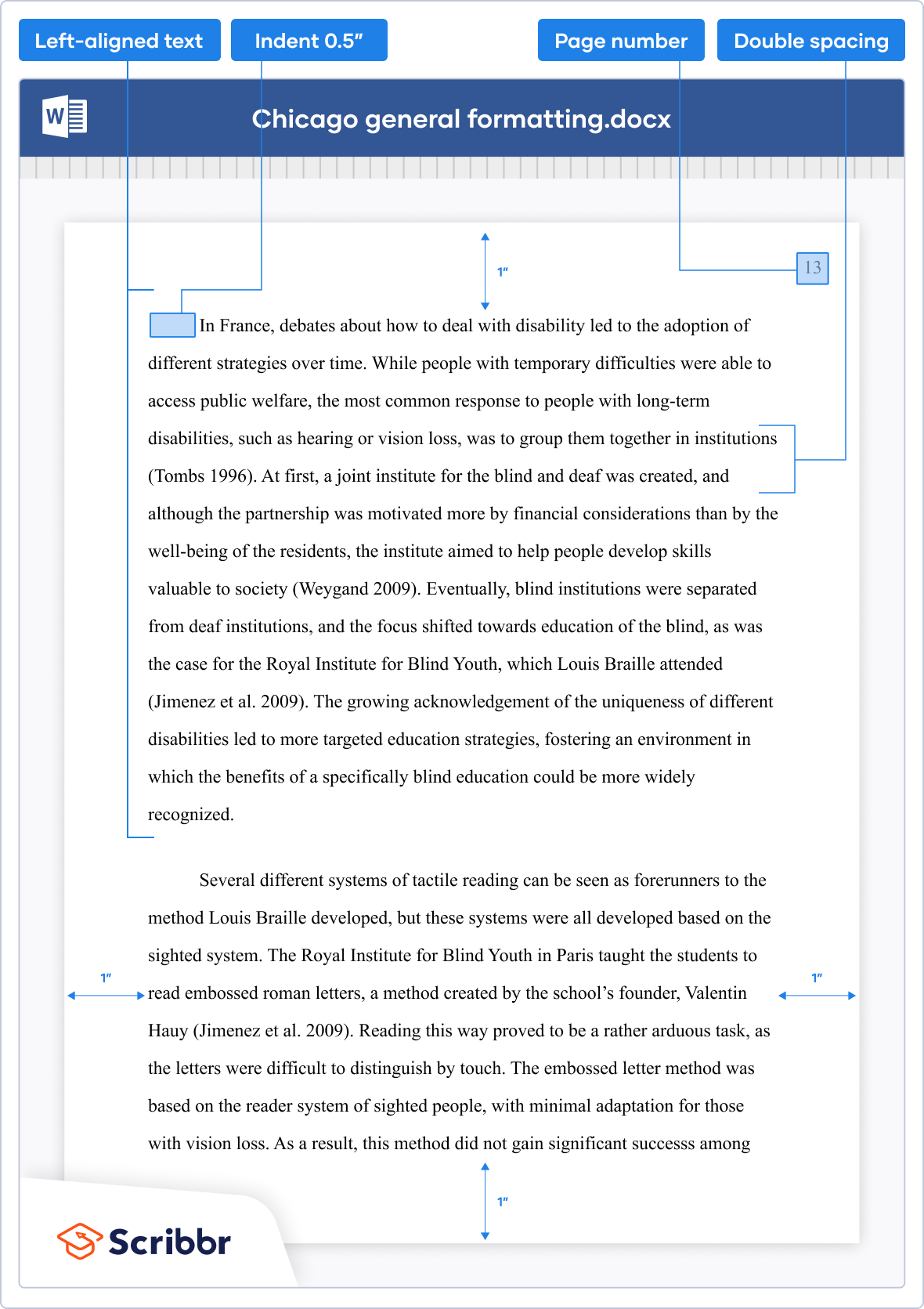
The core of Chicago Style lies in its dual approach to citations: the Notes and Bibliography system and the Author-Date system. Each serves different purposes and is favored in different academic disciplines. For travel writing, especially when aiming for a publication that values thorough research and proper attribution, mastering the Notes and Bibliography system is often the most relevant. This system uses footnotes or endnotes to cite sources directly within the text, accompanied by a comprehensive bibliography at the end of the work.
Understanding the Chicago Style: Notes and Bibliography
The Notes and Bibliography system is the cornerstone of traditional academic writing and is commonly found in humanities disciplines such as literature, history, and the arts. Its strength lies in its ability to integrate source information seamlessly into the narrative without disrupting the reader’s flow, while still providing precise attribution.
In-Text Citations: Footnotes and Endnotes
When you reference information, ideas, or direct quotations from another source within your travelogue, you’ll need to indicate this to your reader. In Chicago Style’s Notes and Bibliography system, this is achieved through superscript numbers placed directly after the referenced material. These numbers correspond to either footnotes (appearing at the bottom of the page) or endnotes (collected at the end of the chapter or the entire work).
Let’s imagine you’re writing about the architectural marvels of Barcelona. You might cite a passage from a book about Antoni Gaudí. After quoting a description of the Sagrada Família, you would place a superscript “1”. This “1” would then appear in your footnotes or endnotes, providing the details of the source.
First Reference:
The first time you cite a particular source, the note will contain full bibliographical information. This includes the author’s full name, the title of the work (italicized for books, in quotation marks for articles), publication details (city, publisher, year), and the specific page number(s) from which the information was drawn.
Example Footnote/Endnote:
- Judith Flanders, The Invention of Windows: A History of the Window and Its Uses (New York: W. W. Norton & Company, 2003), 45.
If you were discussing the culinary scene in New Orleans, and you referenced a renowned cookbook, your first note would look something like this:
Example Footnote/Endnote:
- Leah Chase, The Dooky Chase Cookbook (New York: Simon & Schuster, 2002), 112.
Subsequent References:
For any subsequent citations of the same source by the same author, you use a shortened form. This typically includes the author’s last name, a shortened version of the title (if necessary to distinguish it from other works by the same author), and the page number. If it’s the immediately preceding citation, you can often use “Ibid.” (Latin for “in the same place”), followed by the new page number if it differs.
Example Footnote/Endnote (Subsequent):
- Flanders, Invention of Windows, 67.
Example Footnote/Endnote (Ibid.):
- Ibid., 70.
- Flanders, Invention of Windows, 88.
The Bibliography
Complementing the in-text notes is the bibliography, a comprehensive list of all the sources you have cited in your work. It’s typically alphabetized by the author’s last name and provides complete publication information for each entry. This allows readers to easily locate the original sources if they wish to delve deeper into the subject matter.
For a travel article discussing Paris, your bibliography might include books on French history, guides to Parisian art museums, and articles on French cuisine.
Example Bibliography Entry (Book):
Flanders, Judith. The Invention of Windows: A History of the Window and Its Uses. New York: W. W. Norton & Company, 2003.
Example Bibliography Entry (Article):
Smith, John. “A Culinary Journey Through Provence.” Travel & Leisure Magazine, July 2022, 56-62.
The bibliography is not just a formality; it’s a testament to your research and a valuable resource for your readers. It demonstrates that your travel insights are grounded in more than just personal experience, adding a layer of credibility and depth.
The Author-Date System
While Notes and Bibliography is prevalent in many humanities, the Author-Date system is more common in the social sciences and sciences. This system uses parenthetical citations within the text, followed by a reference list at the end.
In-Text Citations (Author-Date)
In this system, instead of a superscript number, you’ll place the author’s last name and the year of publication in parentheses directly within your text, often followed by a page number.
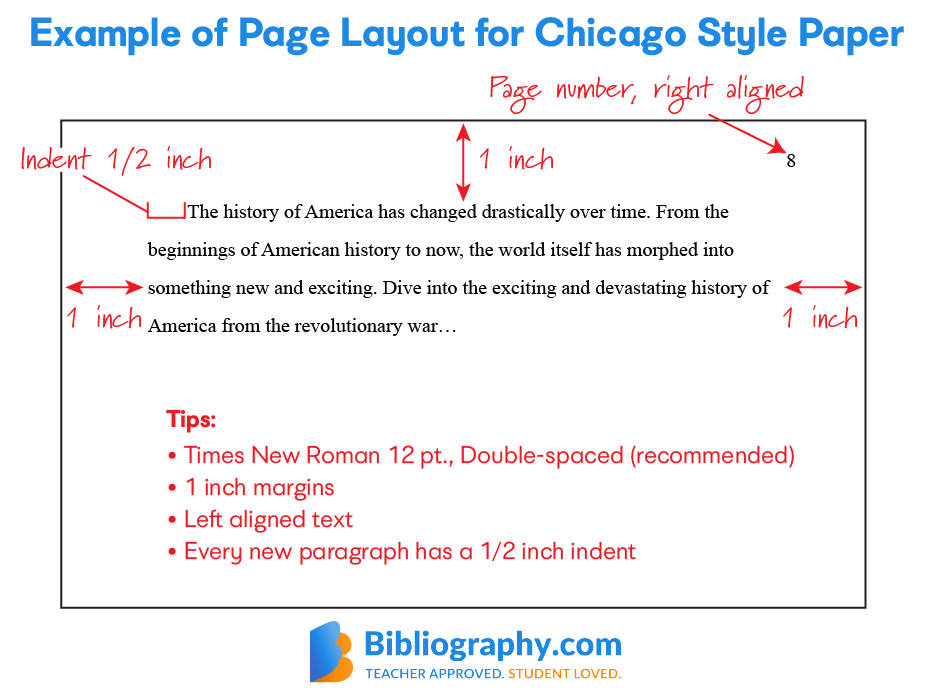
Example In-Text Citation:
When exploring the ancient ruins of Machu Picchu, one can’t help but be awed by the Inca engineering (Thompson 2015, 112).
Reference List
The reference list in the Author-Date system is similar to the bibliography in that it contains all the sources cited. However, the entries are typically organized by the author’s last name and include the year of publication prominently.
Example Reference List Entry (Book):
Thompson, Sarah. 2015. The Lost City of the Incas: An Archaeological Exploration. London: Penguin Books.
Example Reference List Entry (Article):
Davis, Michael. 2021. “Sustainable Tourism in Costa Rica.” Journal of Environmental Studies 45 (3): 201-215.
The choice between the Notes and Bibliography and the Author-Date system often depends on the publication venue or the specific requirements of a professor or editor. For travel writing aimed at a general audience or within certain editorial guidelines, the Notes and Bibliography system, with its subtle footnotes, is often preferred for its readability.
Practical Application in Travel Writing
Applying Chicago Style to your travel writing can elevate your content from casual observations to well-researched narratives. Consider the following scenarios:
Documenting Historical Landmarks
When you write about the Colosseum in Rome, you might draw upon historical accounts, archaeological findings, and scholarly articles. Using Chicago Style ensures that you accurately attribute these facts, lending authority to your descriptions.
Example: You’re describing the gladiatorial contests held within the Colosseum. You might cite a historian who specializes in Roman antiquity.
Footnote/Endnote (Notes and Bibliography):
- Mary Beard, SPQR: A History of Ancient Rome (New York: Liveright Publishing, 2015), 345.
In-text Citation (Author-Date):
The spectacle of gladiatorial combat was central to Roman entertainment (Beard 2015, 345).
Reviewing Accommodations and Experiences
Even when reviewing a hotel like the Marina Bay Sands in Singapore or a unique experience like a cooking class in Florence, proper sourcing can add credibility. If you’re quoting guest reviews, referencing a hotel’s official description, or citing an article that discussed the property, Chicago Style provides the framework.
Example: You are discussing the amenities at the Grand Hyatt Hotel in New York City. You might refer to their website or a travel industry report.
Footnote/Endnote (Notes and Bibliography):
- “Deluxe King Room Amenities,” Grand Hyatt New York, accessed October 26, 2023, https://www.hyatt.com/en-US/hotel/new-york/grand-hyatt-new-york/nycyg/rooms.
In-text Citation (Author-Date):
The hotel boasts a range of amenities, including spacious rooms and a fitness center (Grand Hyatt New York 2023).
Exploring Local Culture and Cuisine
When you delve into the local culture of a place like Kyoto, or describe the flavors of Mexican cuisine, you are likely drawing on various sources – cookbooks, ethnographic studies, cultural guides, or even interviews. Chicago Style helps you acknowledge these influences accurately.
Example: You’re writing about the traditional tea ceremony in Japan. You might cite an expert on Japanese culture.
Footnote/Endnote (Notes and Bibliography):
- Kakuzo Okakura, The Book of Tea (New York: Dover Publications, 1964), 22.
In-text Citation (Author-Date):
The meticulous ritual of the Japanese tea ceremony emphasizes mindfulness and aesthetic appreciation (Okakura 1964, 22).
Crafting Comprehensive Guides
For detailed travel guides about destinations like the Canadian Rockies or tips for family trips to Orlando, consistency in citation is paramount. Whether you’re discussing the best time to visit Thailand or the historical significance of The Louvre Museum, adhering to Chicago Style ensures your readers can trust the information you provide.
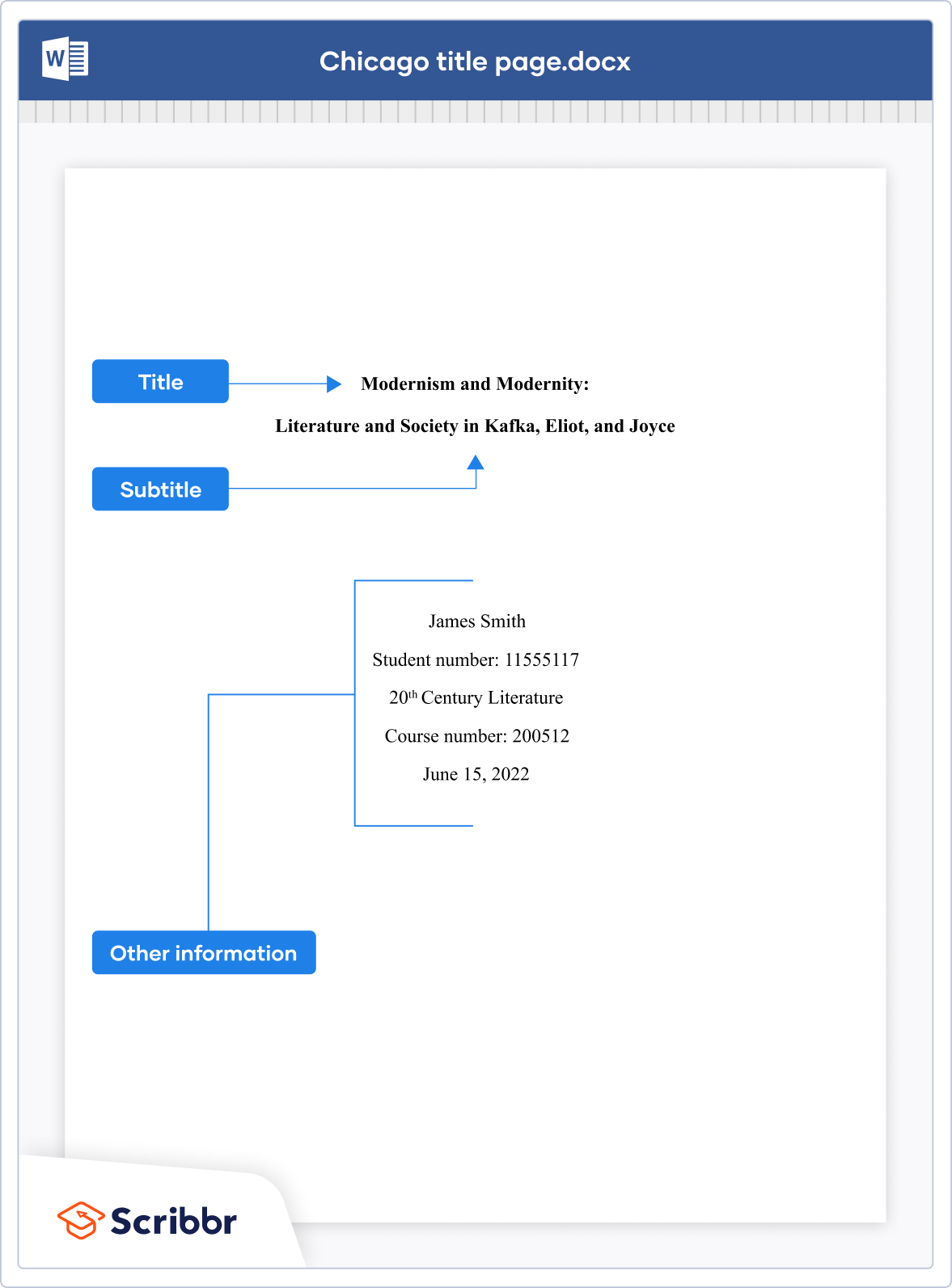
Mastering Chicago Style requires practice and attention to detail. It involves understanding the nuances of formatting, knowing when to use footnotes versus endnotes, and meticulously compiling your bibliography or reference list. While it might seem daunting at first, embracing Chicago Style in your travel writing will not only enhance the professionalism of your work but also enrich the reader’s experience by providing a transparent and trustworthy account of your journeys and discoveries. It transforms your travel narratives into authoritative pieces, inviting readers to explore the world with confidence and a deeper understanding.
LifeOutOfTheBox is a participant in the Amazon Services LLC Associates Program, an affiliate advertising program designed to provide a means for sites to earn advertising fees by advertising and linking to Amazon.com. Amazon, the Amazon logo, AmazonSupply, and the AmazonSupply logo are trademarks of Amazon.com, Inc. or its affiliates. As an Amazon Associate we earn affiliate commissions from qualifying purchases.