
When planning a trip through the American Midwest, travelers often focus on packing the right gear for outdoor adventures in Oklahoma. Whether you are exploring the rugged terrains of the Wichita Mountains Wildlife Refuge or navigating the vibrant nightlife in Oklahoma City, understanding local safety regulations and personal carry laws is an essential part of responsible tourism. Among the many questions visitors have regarding personal protection, the legality of carrying items like brass knuckles is a common concern that warrants a clear look at state statutes.
Understanding Oklahoma’s Weapon Statutes and Tourism
For the casual tourist, the legal landscape of Oklahoma may seem complex, but it is rooted in a desire to maintain public safety in high-traffic areas and local communities. When visiting destinations such as Tulsa or the historic streets of Guthrie, travelers are expected to abide by local laws regarding concealed and open carry.

It is important to distinguish between defensive tools and restricted weapons. Brass knuckles, often classified as offensive weapons, are subject to specific legislative scrutiny in many jurisdictions across the United States. In the context of tourism, relying on prohibited items can lead to legal complications that would quickly derail a well-planned itinerary. Travelers should always prioritize compliance with state-specific regulations to ensure their focus remains on the sights and experiences rather than navigating local court systems.
The Legislative Perspective on Offensive Weapons
In Oklahoma, the state statutes define “offensive weapons” with significant precision. Brass knuckles are typically categorized as prohibited weapons because they are designed specifically to increase the force of a punch and inflict severe injury. Unlike a pocket knife, which might be viewed as a tool, brass knuckles generally have no utilitarian purpose for the average traveler or hiker.
Under Oklahoma law, the possession and concealment of such items can lead to charges that carry substantial penalties. Visitors who might consider carrying these items for “protection” while walking through the bustling Bricktown district or exploring the scenic trails near Broken Bow should reconsider. The state’s legal framework is designed to prevent the presence of items that are deemed inherently dangerous to the public, and brass knuckles fall squarely into this category.
Safety and Best Practices for Travelers in Oklahoma
Traveling safely is the priority for any visitor. Whether you are staying at a luxury resort like the Skirvin Hilton Oklahoma City or backpacking through the remote reaches of the Ouachita National Forest, the best form of protection is situational awareness. Carrying weapons, particularly those that are legally restricted, rarely enhances a tourist’s safety; instead, it often creates unnecessary risk.
Situational Awareness Over Defensive Gear
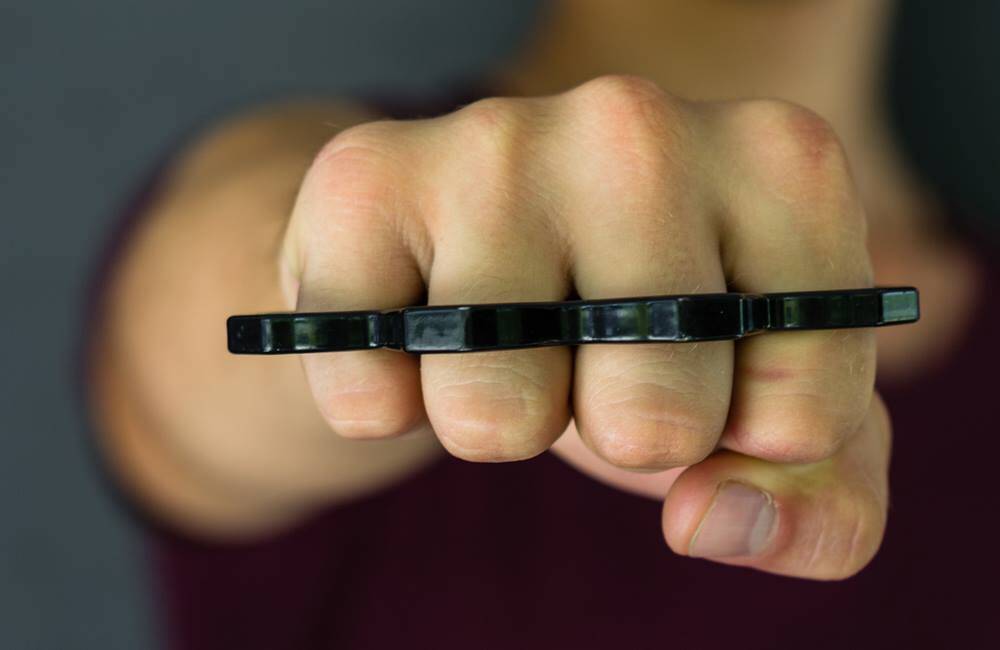
Rather than looking into the legality of defensive weaponry, experienced travelers recommend focusing on proactive safety measures. This includes:
- Researching Neighborhoods: Before heading out for dinner or sightseeing in Norman or Stillwater, check local guides and consult with hotel staff about which areas are best navigated during daylight hours.
- Staying Connected: Keep your mobile phone charged and saved with emergency contacts.
- Blending In: Avoid wearing flashy jewelry or displaying large amounts of cash, especially when visiting major landmarks like the Oklahoma City National Memorial.
- Group Travel: When exploring the nightlife in Downtown Tulsa, traveling in groups is significantly safer than wandering alone.
By adopting these habits, you reduce the need for physical confrontation and, by extension, the perceived need for carrying offensive items like brass knuckles.
Navigating Legal Nuances While Visiting
Travelers often assume that if an item can be purchased in a novelty store, it must be legal to carry. This is a dangerous misconception. In many states, including Oklahoma, items sold as curiosities or souvenirs can still be classified as illegal weapons if they are carried in a concealed manner on one’s person.
If you find yourself interested in the history of local weaponry or law enforcement, visiting a cultural site like the National Cowboy & Western Heritage Museum can provide historical context without the need for personal carry. These museums offer fascinating insights into the history of the American Frontier, showcasing how tools and weapons were used in the past, all within a safe and educational environment.
The Importance of Legal Research Before Arrival
If you are a frequent traveler to Oklahoma and have concerns about personal protection, it is advisable to check the official Oklahoma Statutes or consult with legal professionals familiar with the state’s firearm and weapon laws. Rules can change, and what may be permissible in another state, such as Texas or Kansas, does not guarantee similar allowances in Oklahoma.
Furthermore, visitors should be aware that even if an item is legal to possess in a private home, carrying it in public—particularly near schools, government buildings, or crowded tourist venues like the First Americans Museum—is subject to much stricter scrutiny. Ignorance of the law is never a valid defense, especially for travelers visiting from out of state or abroad.

Conclusion: Prioritizing Your Travel Experience
Ultimately, the answer to “Are brass knuckles legal in Oklahoma?” is a strong reminder for travelers to leave prohibited weapons at home. Oklahoma is a state defined by its welcoming hospitality, its rich history, and its stunning natural landscapes, from the Great Salt Plains State Park to the sprawling Tallgrass Prairie Preserve.
By focusing on respectful exploration and common-sense safety, travelers can enjoy everything the Sooner State has to offer without the burden of legal worries. Protecting your trip means adhering to the laws of the land, ensuring that your memories are of beautiful sunsets over Lake Murray or vibrant afternoons at the Philbrook Museum of Art, rather than unfortunate run-ins with local law enforcement. When in doubt, leave the gear behind and focus on the culture, the food, and the incredible hospitality that makes Oklahoma a unique destination.
LifeOutOfTheBox is a participant in the Amazon Services LLC Associates Program, an affiliate advertising program designed to provide a means for sites to earn advertising fees by advertising and linking to Amazon.com. Amazon, the Amazon logo, AmazonSupply, and the AmazonSupply logo are trademarks of Amazon.com, Inc. or its affiliates. As an Amazon Associate we earn affiliate commissions from qualifying purchases.