
Flying a drone in New York is a dream for many aerial photographers and hobbyists. The opportunity to capture the towering glass monoliths of Midtown Manhattan, the sprawling greenery of Central Park, or the historic majesty of the Brooklyn Bridge from a bird’s-eye perspective is undoubtedly alluring. However, the reality of operating an unmanned aircraft system (UAS) within the United States most populous city is fraught with complex regulations, strict local ordinances, and significant safety considerations.
Before you pack your drone for a trip to the Big Apple, it is essential to understand that while federal law governs the skies, local laws dictate where you can take off and land. Navigating this intersection of federal, state, and city requirements is the key to flying legally—or knowing when to keep your drone securely in its case.
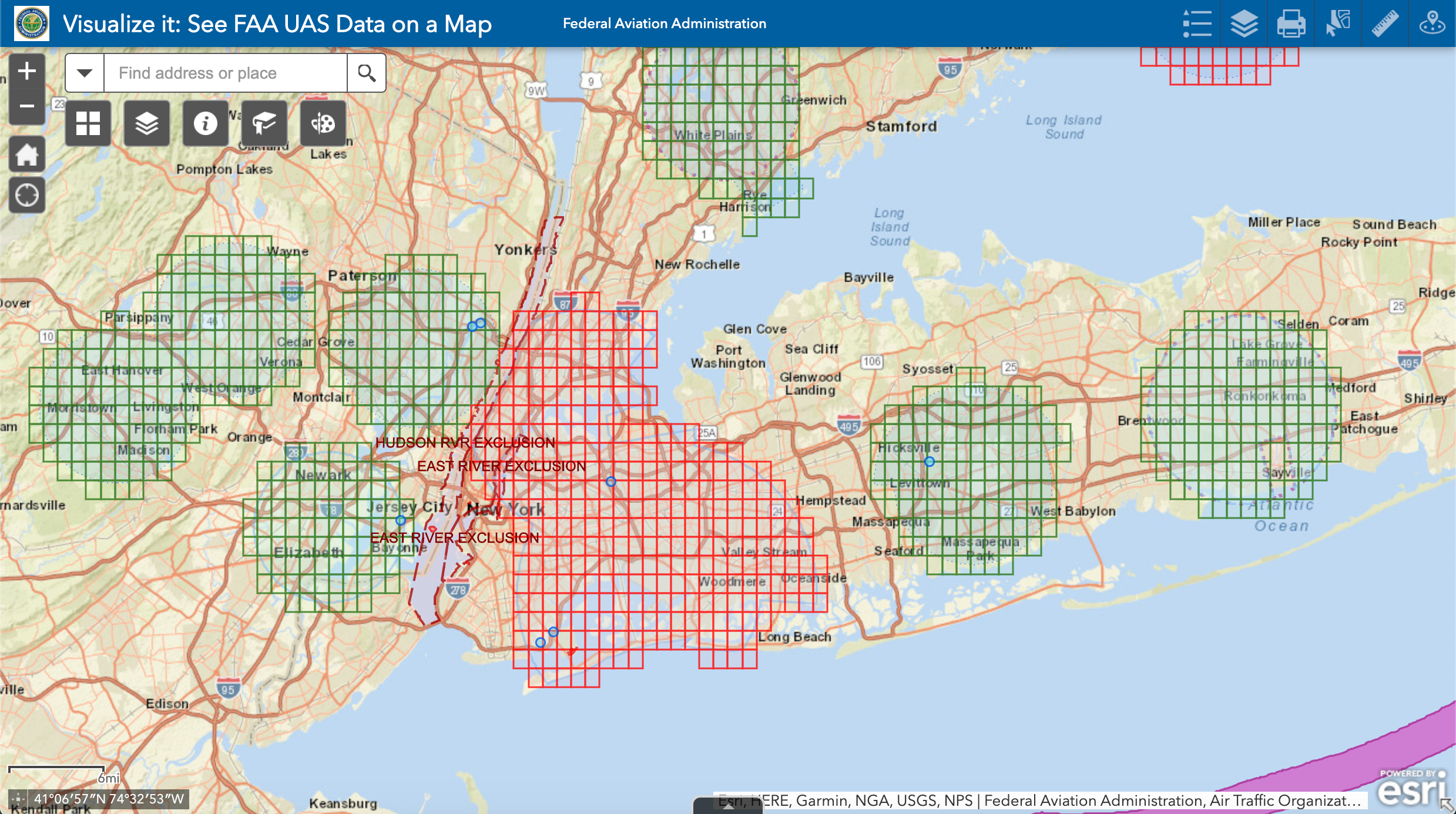
The Federal Landscape: FAA Regulations
The Federal Aviation Administration (FAA) holds ultimate authority over the national airspace. If you are flying for recreational or commercial purposes, you must adhere to the FAA Part 107 rules or the Exception for Limited Recreational Operations.
Registering Your UAS
Any drone weighing 250 grams or more must be registered with the FAA DroneZone. Even for drones under this weight, if you intend to fly commercially, registration is mandatory. Always ensure your registration number is clearly marked on the exterior of your aircraft.
Altitude and Airspace Restrictions
The standard altitude limit for drone operations is 400 feet above ground level (AGL). Furthermore, New York City is blanketed by Class B airspace due to the proximity of major international gateways like John F. Kennedy International Airport, LaGuardia Airport, and Newark Liberty International Airport. Flying in these areas requires specific LAANC (Low Altitude Authorization and Notification Capability) authorization, which provides near-real-time processing of airspace authorization requests.
Navigating New York City’s Local Ordinances
Even if you satisfy every FAA requirement, you still face significant hurdles at the local level. The New York City Department of Parks and Recreation has a very clear stance: the takeoff and landing of drones in any park under their jurisdiction is strictly prohibited without a permit.
Why NYC Parks Are Mostly Off-Limits
New York City is densely packed with over 8 million residents. The potential for public safety hazards—such as drone malfunctions, battery fires, or privacy intrusions—has led the city to impose a near-total ban on flying in public parks. This includes iconic spaces like Prospect Park, Washington Square Park, and Battery Park. Attempting to fly in these locations often results in the immediate confiscation of the equipment and significant fines.
Administrative Code and “Avigation”
Under the New York City Administrative Code, specifically related to aviation, there are restrictive policies regarding the takeoff and landing of aircraft within city limits. While these laws were originally drafted for manned helicopters and planes, they have been interpreted by local law enforcement to cover drones. Consequently, finding a legal spot to launch your aircraft within the five boroughs is an exercise in extreme caution and requires deep research into local property laws.

The Reality of Commercial vs. Recreational Use
There is a distinct difference between being a casual enthusiast and a commercial operator. If you are a professional photographer or a film production crew, the path to legal flight is arduous but possible.
Securing Permits for Production
Professional filming in New York City requires permits from the Mayor’s Office of Media and Entertainment. If you are planning a commercial drone shoot, you must submit a flight plan, provide proof of insurance, and coordinate with the New York Police Department to ensure the safety of the public and the surrounding architecture.
Liability and Safety
Even with a permit, the operator bears full liability for any damages or injuries caused by the flight. The urban environment of New York presents unique challenges, such as signal interference from tall buildings, unpredictable wind tunnels between skyscrapers, and high concentrations of pedestrian traffic. For these reasons, many professional pilots opt to hire spotters and utilize sophisticated safety equipment to mitigate the inherent risks of urban aerial photography.
Best Practices for Drone Enthusiasts
If you are determined to bring your drone to New York, you must prioritize preparation and compliance. The best approach is to treat your drone operations as a mission rather than a casual activity.
Utilize Safety Apps
Before arriving at a location, use verified safety applications such as B4UFLY or AirMap. These tools provide real-time information about temporary flight restrictions (TFRs), airport proximity, and local weather conditions. Never launch your drone without checking these apps, as local events—such as parades, marathons, or presidential visits—can cause temporary airspace closures.
Respect Privacy and Community Standards
Beyond the law, there is the social aspect of flying in a city like New York. Residents are highly protective of their privacy. Flying near residential apartment buildings or offices is widely considered intrusive and is likely to lead to complaints to local authorities. Always maintain a respectful distance from people, private residences, and historic landmarks like Statue of Liberty or the Empire State Building, where flying is essentially prohibited due to security concerns.
Look Outside the City Limits
If you are craving the perfect aerial shot, consider traveling just outside the five boroughs. Many locations in New York State offer much more drone-friendly environments. Areas such as Long Island, the Hudson Valley, or the Catskill Mountains provide breathtaking natural landscapes where drone photography is not only legal but often encouraged. Checking the specific regulations for each county or state park before departure will save you from the stress of navigating the restrictive urban landscape of the city.

Conclusion: Is It Worth It?
Flying a drone in New York City is a challenging endeavor that requires strict adherence to both federal airspace laws and local municipal prohibitions. For the vast majority of recreational pilots, the risk of fines, equipment confiscation, and legal trouble often outweighs the reward.
However, if you are a licensed professional willing to navigate the extensive permitting process, the city offers unparalleled backdrops for high-end cinematic work. For everyone else, the best advice is to enjoy the iconic views of Times Square and the Rockefeller Center from the ground, saving your flight time for the more drone-friendly regions of North America. Always remember that the beauty of New York is best experienced responsibly, ensuring that the skies remain safe for all inhabitants and visitors alike.
LifeOutOfTheBox is a participant in the Amazon Services LLC Associates Program, an affiliate advertising program designed to provide a means for sites to earn advertising fees by advertising and linking to Amazon.com. Amazon, the Amazon logo, AmazonSupply, and the AmazonSupply logo are trademarks of Amazon.com, Inc. or its affiliates. As an Amazon Associate we earn affiliate commissions from qualifying purchases.