
The question of whether brown recluse spiders inhabit the Sunshine State is one that often surfaces among residents and visitors alike. This concern, while understandable given the spider’s venomous reputation, requires a nuanced understanding of arachnid distribution and native versus introduced species. Florida, with its diverse ecosystems and warm climate, is a prime habitat for a multitude of arthropods. Understanding which spiders call this state home, and the likelihood of encountering a brown recluse, is crucial for informed awareness and appropriate precautions.
Understanding the Brown Recluse Spider
The brown recluse spider (Loxosceles reclusa) is a species of venomous spider in the family Sicariidae. Native to the central and southern United States, its geographic range is often misunderstood and exaggerated.
Key Characteristics and Identification
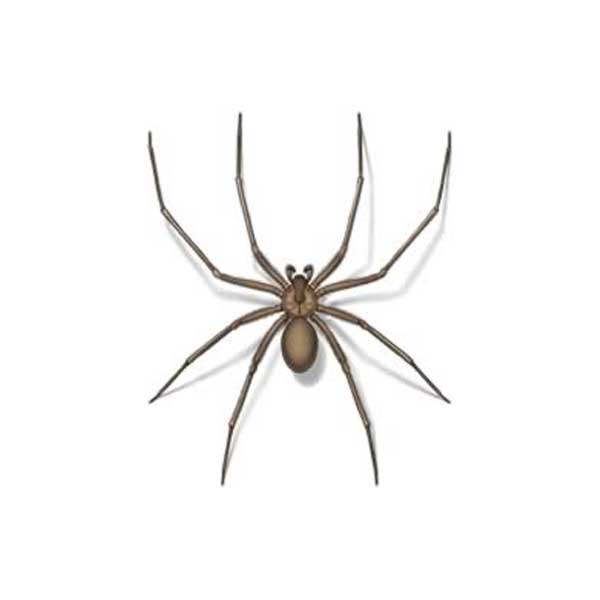
Distinguishing a brown recluse from other similar-looking spiders is essential for accurate identification. The most reliable identifying feature is the presence of a violin-shaped marking on its cephalothorax, with the neck of the violin pointing towards the abdomen. However, this marking can be faint and is not always visible, especially in juvenile spiders.
Another definitive characteristic is the brown recluse’s eye arrangement: it possesses six eyes arranged in three pairs, forming a semicircle. Most other spiders have eight eyes. They typically measure about 1/4 to 1/2 inch in body length, with leg spans up to 1.5 inches. Their coloration varies from light brown to dark brown, and they lack the distinctive patterns or vibrant colors seen in some other spider species.
Venom and Bite Concerns
The brown recluse spider is known for its necrotic venom, which can cause a condition known as loxoscelism. Bites can result in a slow-healing lesion that may become necrotic, leading to tissue damage. While serious complications are rare, prompt medical attention is advised if a bite is suspected. It’s important to note that the brown recluse is not inherently aggressive; bites typically occur when the spider feels threatened or trapped, often when a person unknowingly comes into contact with it, such as when reaching into a cluttered area or putting on clothing that has been stored for a long time.
The Case of the Brown Recluse in Florida
The prevailing scientific consensus among entomologists and arachnologists is that the native range of the brown recluse spider does not extend into Florida. Its natural habitat is primarily concentrated in states like Missouri, Kansas, Arkansas, Oklahoma, Texas, and parts of surrounding states.
Native Range vs. Introduced Species
The confusion surrounding the brown recluse’s presence in Florida likely stems from several factors, including misidentification of other spider species and the possibility of occasional, isolated introductions through commerce or travel. However, these introductions do not constitute a breeding population that has established itself within the state.
Misidentification of Similar Spiders
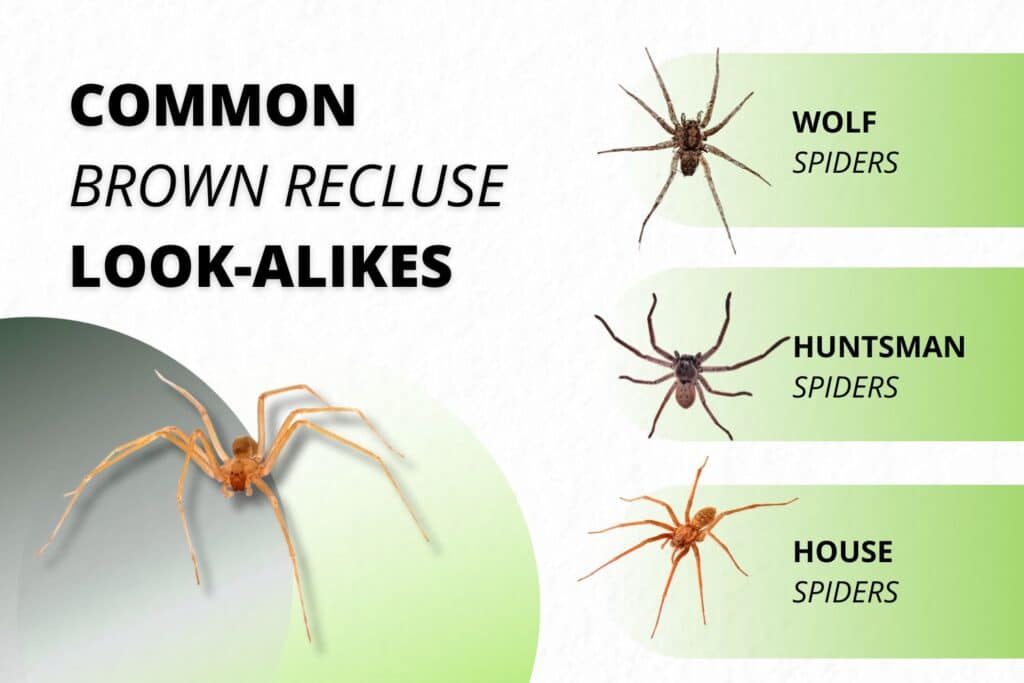
Several other common spiders found in Florida bear a superficial resemblance to the brown recluse, leading to mistaken identity. These include:
- Southern house spider (Kukulcania hibernalis): This spider, often found in and around homes, has a similar brown coloration and body shape. However, it typically has eight eyes and lacks the distinct violin marking.
- Wolf spiders (Family Lycosidae): Various species of wolf spiders are common in Florida and can be mistaken for brown recluses due to their size and coloration. They are also eight-eyed and do not possess the violin marking.
- Barn funnel weavers (Tegenaria domestica): These spiders, also common in structures, can be mistaken for recluse spiders. Again, they typically have eight eyes and a different body structure.
It is crucial for individuals to understand these differences to avoid unnecessary alarm. Local pest control professionals and university extension offices can provide valuable resources for accurate identification.
Accidental Introductions
While a breeding population is not established, it is plausible that individual brown recluse spiders could be accidentally transported to Florida. This might occur through the movement of goods, furniture, or even in vehicles from areas where the spiders are native. However, such isolated instances are unlikely to lead to the establishment of a self-sustaining population, especially given the environmental conditions and the presence of native spider species that may outcompete or prey upon them.
What Spiders Are Actually Common in Florida?
Florida’s diverse ecosystems support a rich variety of spider species, many of which are harmless and beneficial predators of insects. Understanding the common arachnids of Florida is key to differentiating them from the elusive brown recluse.
Common Harmless and Beneficial Spiders
Florida is home to a wide array of commonly encountered spiders that pose no significant threat to humans. These include:
- Jumping spiders (Family Salticidae): These small, active spiders are known for their excellent vision and habit of hunting during the day. They are brightly colored and have distinct, large anterior median eyes.
- Orb-weavers (Family Araneidae): Famous for their intricate, circular webs, orb-weavers are common in gardens and around homes. Examples include the garden orb-weaver and the black and yellow garden spider.
- Cellar spiders (Family Pholcidae): Often found in basements, garages, and undisturbed corners of homes, these spiders have very long, thin legs and are often mistaken for “daddy longlegs” (which are actually harvestmen, not spiders).
- Green lynx spiders (Peucetia viridans): These striking green spiders are often found on plants and are active hunters. They are beneficial predators in gardens.
- Fishing spiders (Family Pisauridae): These larger spiders are often found near bodies of water and are capable of walking on water.
Potentially Medically Significant Spiders in Florida
While the brown recluse is not native, Florida does have a few spider species that are considered medically significant due to their venom.
- Southern black widow spider (Latrodectus mactans): This spider is native to Florida and is easily recognizable by its glossy black body and the red hourglass marking on the underside of its abdomen. While its bite can be painful and cause systemic symptoms, it is rarely fatal. They typically build messy, irregular webs in dark, undisturbed areas.
- Brown widow spider (Latrodectus geometricus): This introduced species has become common in Florida. It is characterized by its mottled brown or tan coloration and an orange or yellow hourglass marking. Its venom is less potent than that of the black widow, but its bite can still cause discomfort.
Practical Advice for Florida Residents and Visitors
Given the information, it is important for Floridians and tourists to adopt a balanced approach to spider awareness. The primary goal should be to understand common local species and to take sensible precautions, rather than to live in fear of a spider that is not a resident.
Identifying and Managing Spiders in Your Home
The best approach to managing spiders in residential or accommodation settings is through general pest control and habitat modification, rather than targeting specific species that are unlikely to be present.
Preventative Measures
- Seal Entry Points: Inspect your home for cracks and crevices in walls, foundations, and around windows and doors. Seal these openings with caulk to prevent spiders and other insects from entering.
- Reduce Clutter: Spiders often seek shelter in dark, undisturbed areas. Regularly declutter garages, attics, basements, closets, and storage areas. Store items in sealed plastic containers.
- Outdoor Maintenance: Keep vegetation trimmed away from the exterior of your home. Remove leaf litter and debris from around the foundation. Ensure garbage cans are sealed and kept away from the house.
- Lighting: While not a direct deterrent, spiders are attracted to insects, which are attracted to light. Consider using yellow or sodium vapor bulbs for outdoor lighting, which are less attractive to insects.
When to Seek Professional Help
If you are concerned about a spider infestation, or if you suspect you have encountered a medically significant spider like a black widow, it is advisable to contact a reputable pest control service. They have the expertise and equipment to identify spiders accurately and implement appropriate control measures safely and effectively. When in doubt about a spider’s identity, it is best to err on the side of caution and avoid direct contact.
Understanding Risk and Awareness
The fear of brown recluse bites, while understandable, is often disproportionate to the actual risk in Florida. By focusing on accurate identification and common Florida species, individuals can better understand their environment.
Educating Yourself About Local Wildlife
Resources from the University of Florida IFAS Extension are invaluable for learning about the state’s native flora and fauna, including common insects and arachnids. These extensions provide research-based information and pest identification services. Familiarizing yourself with the appearance of native spiders, particularly the Southern black widow, is a more practical use of your awareness efforts.
Traveling to or Vacationing in Florida
For visitors, particularly those staying in hotels or vacation rentals, the risk of encountering a brown recluse is exceedingly low. Reputable establishments maintain good housekeeping standards, which naturally reduce the likelihood of any spider hiding in living spaces. The most common spider encounters will likely be with harmless species that are part of Florida’s natural environment. Enjoying the natural beauty of places like the Everglades National Park or the beaches of Miami or Key West should not be overshadowed by unfounded fears of specific spider species. A general awareness of taking care when reaching into dark corners or picking up items that have been stored away is always a sensible habit, regardless of location.
In conclusion, while the brown recluse spider is a medically significant species in other parts of the United States, it is not considered a native or established inhabitant of Florida. The focus for Floridians and visitors should be on understanding and respecting the diverse and abundant native spider population, many of which are beneficial, and taking common-sense precautions against any potential insect or arachnid encounters.
LifeOutOfTheBox is a participant in the Amazon Services LLC Associates Program, an affiliate advertising program designed to provide a means for sites to earn advertising fees by advertising and linking to Amazon.com. Amazon, the Amazon logo, AmazonSupply, and the AmazonSupply logo are trademarks of Amazon.com, Inc. or its affiliates. As an Amazon Associate we earn affiliate commissions from qualifying purchases.