
Embarking on a journey across the American Southwest offers a captivating blend of vast desert landscapes, vibrant cityscapes, and unique cultural experiences. For travelers planning an itinerary that includes both the historical charm of Tucson, Arizona, and the dazzling allure of Las Vegas, Nevada, understanding the distance and travel options is the first crucial step. This guide delves into the specifics of this popular route, providing insights into drive times, alternative transportation, and the scenic wonders that await.
The Desert Highway: Distance and Driving Routes
The most common and efficient way to travel between Tucson and Las Vegas is by car, offering flexibility and the opportunity to explore at your own pace. The distance and duration of this drive can vary slightly depending on the exact starting and ending points within each city and the specific route chosen.
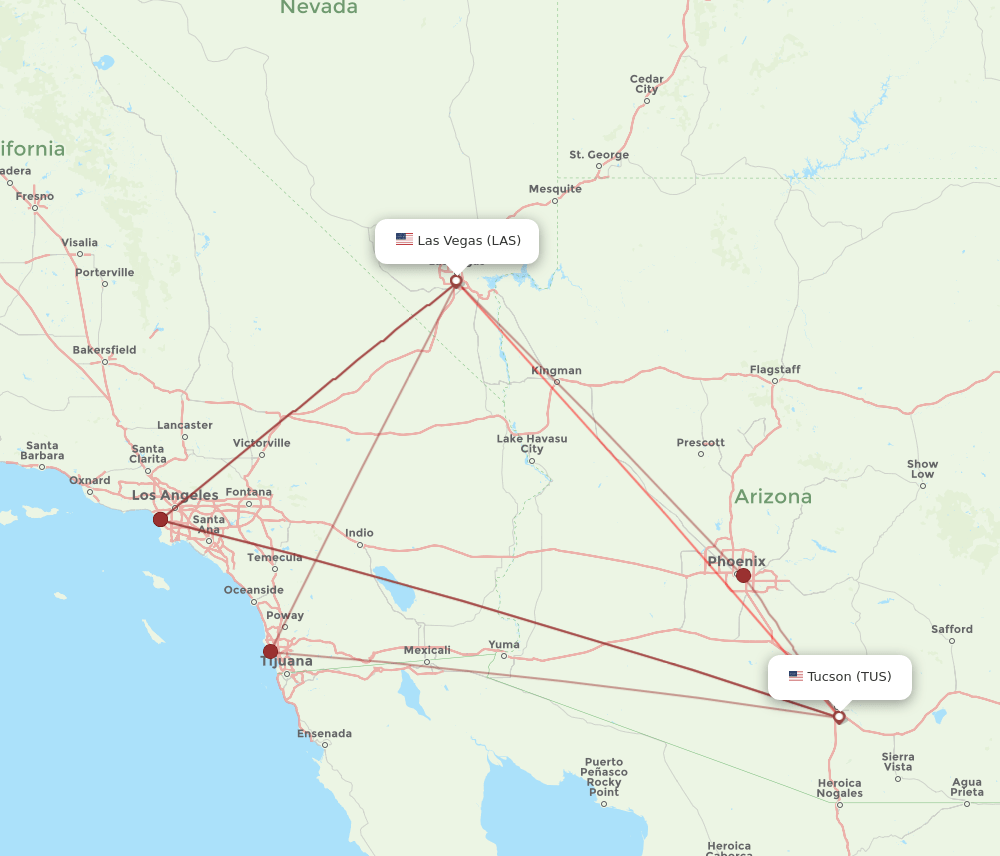
The primary route connecting these two iconic cities spans approximately 390 to 400 miles (627 to 643 kilometers). Under ideal driving conditions, without significant stops, the journey typically takes about 6 to 7 hours. However, it’s prudent to factor in additional time for fuel stops, meals, and potential traffic, especially when passing through larger urban areas or during peak travel seasons.
The Direct Route: Interstate 10 and US-93 North
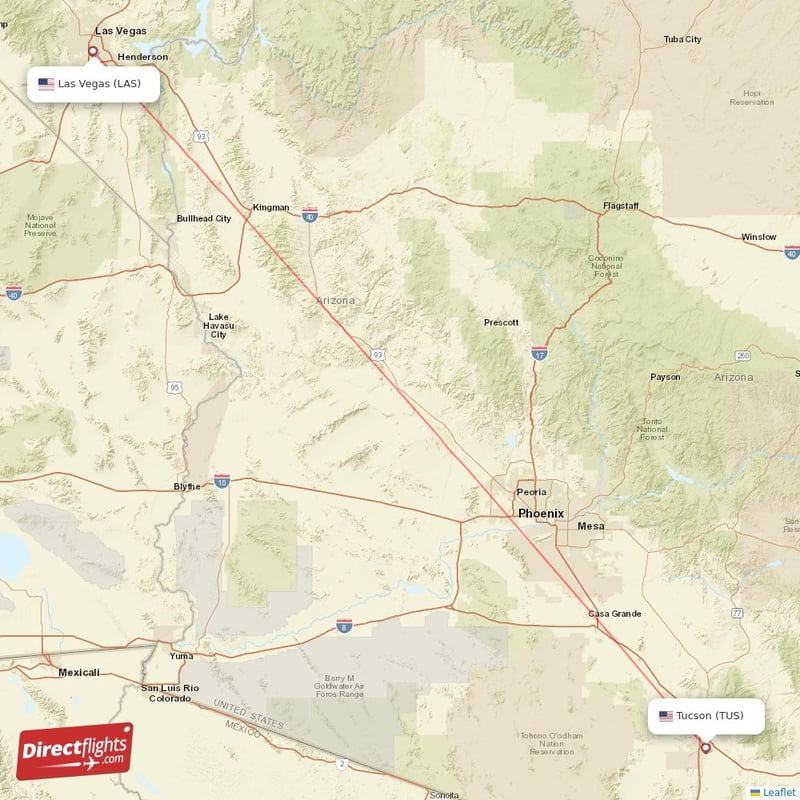
The most straightforward and widely recommended path involves a combination of interstate highways and U.S. routes. Starting from Tucson, you’ll typically head northwest on Interstate 10 (I-10) towards Phoenix. While Phoenix itself is not directly on the route to Las Vegas, you’ll skirt its western edge.
Once past Phoenix, the route transitions to US-93 North. This highway is the main artery connecting central Arizona to Las Vegas and is generally well-maintained. The drive along US-93 North takes you through diverse desert landscapes, from the saguaro-dotted terrain of southern Arizona to the more rugged, rocky vistas of Nevada. As you approach Las Vegas, you’ll cross the impressive Hoover Dam bypass bridge, offering spectacular views of the dam and Lake Mead before descending into the vibrant city.
Factors Affecting Drive Time
Several factors can influence the actual time it takes to complete the drive:
- Traffic: Urban areas, particularly around Phoenix and as you enter Las Vegas, can experience significant congestion, especially during rush hour. Weekend travel to Las Vegas can also see increased traffic volume.
- Construction: Road construction projects are common and can cause delays. Checking real-time traffic updates before and during your trip is highly recommended.
- Stops: Fueling up, grabbing a meal, or taking short breaks to stretch your legs are essential for a safe and comfortable journey. Plan for at least one to two substantial stops.
- Weather Conditions: While the Southwest is known for its sunny weather, heavy rain, dust storms, or even unexpected winter weather at higher elevations (though rare on this specific route) can impact driving conditions and speed.
Scenic Detours and Alternative Experiences
While the direct route is efficient, the Southwest offers numerous opportunities for scenic detours that can transform a simple drive into a memorable road trip. Depending on your time and interests, you might consider extending your journey.
The Allure of Route 66
For those with a penchant for Americana and history, a slight deviation can lead you to a segment of historic Route 66. From US-93 North, you can branch off near Kingman, Arizona, to explore charming towns like Oatman, known for its wild burros and old mining town feel. This adds character to your trip but will also add significant driving time, easily an extra 1-2 hours depending on how far you venture.
Grand Canyon National Park
Perhaps the most iconic natural wonder in the region, the Grand Canyon National Park South Rim is a significant detour but undeniably worth the extra effort for many travelers. To visit the South Rim from the Tucson to Las Vegas route, you would typically head further north from Phoenix towards Flagstaff, then continue to the South Rim entrance. This adds roughly 4-5 hours of driving to the overall trip, not including time spent at the park. For a complete experience, an overnight stay near the Grand Canyon is often recommended.
Hoover Dam and Lake Mead Recreational Area
Even on the direct route, the drive across the Hoover Dam bypass bridge (officially the Mike O’Callaghan – Pat Tillman Memorial Bridge) is a highlight. However, you can also take a detour into Boulder City and visit the dam itself, take a tour, or explore the Lake Mead National Recreation Area. This adds about 1-2 hours to your trip, making it an excellent option for a shorter, impactful stop before arriving in Las Vegas.
Beyond the Open Road: Other Transportation Options
While driving is a popular choice, it’s not the only way to travel between Tucson and Las Vegas. Depending on your budget, time constraints, and preference for convenience versus adventure, other modes of transport are available.
Flying: The Fastest Connection
For those prioritizing speed, flying is the most efficient option. Direct flights are available between Tucson International Airport (TUS) and Harry Reid International Airport (LAS) in Las Vegas. The flight time itself is usually around 1 hour and 15 minutes to 1 hour and 30 minutes.
However, remember to factor in time for getting to and from airports, security checks, and potential delays. When all these elements are considered, the total travel time might equate to 4-5 hours, making it competitive with driving for a single traveler, but often more expensive, especially for groups. Airlines serving this route can vary, so checking current schedules and fares is essential.
Bus Services: An Economical Choice
Intercity bus services, primarily operated by Greyhound, provide an economical alternative. The bus journey typically takes longer than driving, often ranging from 8 to 10 hours, including transfers and stops along the way. While it’s a budget-friendly option, it offers less flexibility and comfort than driving or flying. Greyhound buses depart from the Tucson bus station and arrive at the Las Vegas Transit Center, usually near the downtown area.
Train Travel: A Scenic but Indirect Route
While Amtrak offers train services that pass through Arizona and Nevada, there is no direct train route connecting Tucson to Las Vegas. Travelers would typically need to take a train from Tucson to a larger hub, such as Los Angeles, California, and then connect to a bus service to Las Vegas. This option is significantly longer and more complex, making it less practical for most travelers focused on direct travel between these two cities, but it can appeal to those who enjoy the experience of train travel and don’t mind the extended journey.
Planning Your Desert Crossing: Tips for a Smooth Trip
Regardless of your chosen mode of transport, a little planning goes a long way in ensuring a pleasant journey from Tucson to Las Vegas.
Best Time to Travel
The desert climate of Arizona and Nevada means hot summers and mild winters. The most comfortable times to travel by car are during the spring (March to May) and fall (September to November), when temperatures are more moderate. Summer drives can be challenging due to extreme heat, which can affect vehicle performance and passenger comfort. If traveling in summer, plan to drive during cooler morning or evening hours and ensure your vehicle’s air conditioning is in top condition.
Vehicle Preparedness (for drivers)
Before embarking on a desert road trip, ensure your vehicle is in excellent working order. Check tires, fluids, and battery. Carry plenty of water for all passengers, especially during warmer months, as services can be sparse on certain stretches of highway. A basic emergency kit, including jumper cables and a first-aid kit, is also advisable.

Embracing the Landscape
The journey itself is part of the adventure. The transition from the saguaro-filled Sonoran Desert around Tucson to the more barren, rocky expanse of the Mojave Desert as you approach Las Vegas offers stunning visual contrasts. Keep an eye out for unique desert flora and fauna, and be prepared for wide-open spaces.
Whether you choose the efficiency of a direct flight, the immersive experience of a road trip with scenic detours, or the economical route of bus travel, journeying between Tucson and Las Vegas offers a gateway to two distinctly captivating destinations. Planning ahead for the distance, time, and mode of travel ensures your desert crossing is as smooth and enjoyable as the destinations themselves.
LifeOutOfTheBox is a participant in the Amazon Services LLC Associates Program, an affiliate advertising program designed to provide a means for sites to earn advertising fees by advertising and linking to Amazon.com. Amazon, the Amazon logo, AmazonSupply, and the AmazonSupply logo are trademarks of Amazon.com, Inc. or its affiliates. As an Amazon Associate we earn affiliate commissions from qualifying purchases.