
The question “Are California Fires Out?” is one that resonates deeply, not just with residents of the Golden State, but also with a global community of travelers, tourists, and lifestyle enthusiasts who dream of experiencing its diverse landscapes. Wildfires have become an unfortunate, yet recurring, feature of California’s annual calendar, often casting a shadow over travel plans and raising concerns about safety, air quality, and the preservation of its iconic landmarks.
The simple answer is rarely a definitive “yes” or “no” for an entire state as vast and varied as California. Instead, the situation is dynamic, with specific incidents flaring up, being contained, or continuing to burn in different regions at different times. For those planning a getaway, a business trip, or even considering a long-term stay, understanding the ongoing wildfire situation is crucial for responsible and enjoyable travel. This article delves into the realities of California wildfires, their impact on travel and tourism, and how prospective visitors can navigate these challenges to still experience the best of what this incredible state has to offer, from bustling cities to serene national parks, luxurious resorts to charming local communities.
Understanding California’s Wildfire Landscape
California’s unique geography, Mediterranean climate, and the presence of dense chaparral and forestlands create conditions ripe for wildfires. While nature plays a significant role, human activity, climate change, and forest management practices also contribute to the frequency and intensity of these events.
A Seasonal Reality: Why Fires Occur
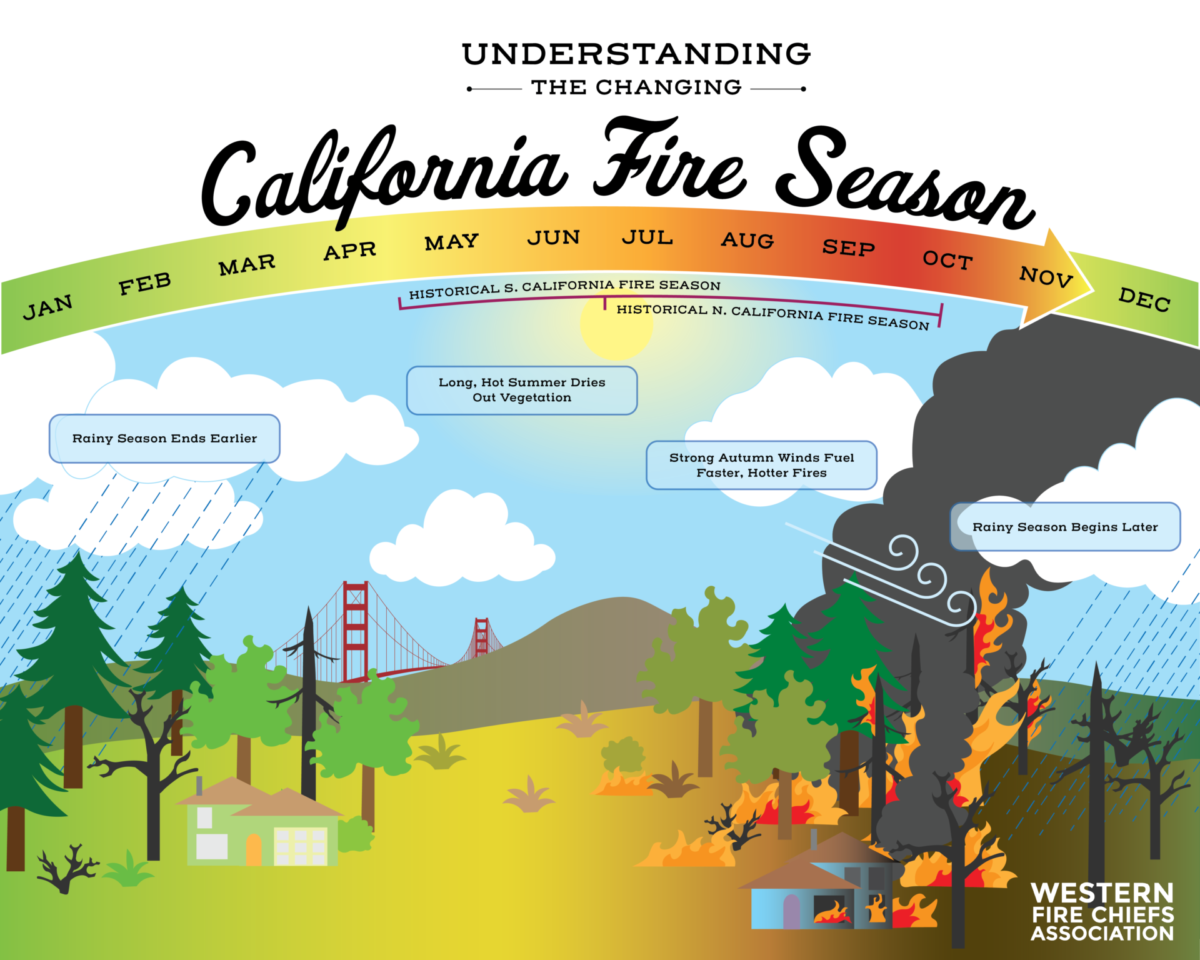
Wildfire season in California typically spans from late spring through late autumn, peaking in late summer and early fall when temperatures are highest, vegetation is driest, and strong, dry winds—like the Santa Ana winds in the south and the Diablo winds in the north—can rapidly spread flames. These fires, historically a natural part of the ecosystem, help clear underbrush and promote new growth. However, in recent decades, their scale and destructiveness have increased, driven by prolonged droughts, higher average temperatures, and an expansion of the wildland-urban interface. Regions like Southern California (including areas near Malibu and Santa Barbara), the Sierra Nevada foothills, and parts of Northern California (particularly around Napa Valley and Sonoma County) are frequently identified as high-risk areas. Understanding these patterns helps travelers assess potential risks based on their intended travel dates and destinations.
The Immediate Impact: Smoke, Evacuations, and Closures
When wildfires rage, their immediate effects are profound. Evacuation orders can displace thousands, and road closures can make entire regions inaccessible. For travelers, this means potential disruption to itineraries, inability to reach booked accommodations, or even being stranded. Beyond the direct threat of flames, smoke and poor air quality pose significant health risks and can obscure scenic views, diminishing the overall travel experience. Air quality alerts often extend far beyond the immediate fire zones, impacting major cities like San Francisco and Los Angeles. National Parks like Yosemite National Park and Sequoia National Park, beloved for their pristine natural beauty, can experience closures or severe restrictions during active fire periods due to direct fire threat or hazardous smoke conditions. This necessitates vigilance and flexibility for anyone planning a visit during fire season.
Navigating Travel and Tourism in Fire-Affected Areas
For a state so heavily reliant on its tourism industry, wildfires present a complex challenge. However, the vastness of California means that even when one area is battling a blaze, many others remain entirely unaffected and welcoming.
Impact on Destinations and Attractions
The impact of wildfires on California’s diverse destinations and attractions can vary significantly. Popular coastal towns, historic sites, and urban centers typically fare better than forested areas. For instance, while some mountain resorts might face evacuation or closure, vibrant city life in San Diego or the cultural attractions of San Francisco usually remain open and accessible, albeit sometimes under the pall of distant smoke. Wine regions like Napa Valley and Sonoma County can be severely impacted, not just by direct fire damage to vineyards and wineries, but also by smoke taint on grapes or a decrease in tourism due to general perception of risk. Conversely, desert destinations like Palm Springs or the pristine wilderness of Death Valley National Park are typically less susceptible to these types of fires, offering alternative retreats. Travelers should focus on specific regional conditions rather than painting the entire state with a broad brush. Iconic landmarks, from the Golden Gate Bridge to the Hollywood Sign, largely remain untouched, continuing to draw visitors.
Accommodation Considerations During Fire Season
Booking accommodation during California’s fire season requires careful thought. Hotels, resorts, apartments, and villas in or near fire-prone areas may offer more flexible cancellation policies, but it’s essential to confirm these details at the time of booking. Many establishments, particularly luxury resorts, are proactive in communicating with guests about local conditions, air quality, and alternative activities if outdoor plans are disrupted. Reviews from recent guests can also offer valuable insights into current conditions and service disruptions. For those seeking long-term stays, understanding the local fire risks and community emergency plans becomes even more critical. Some hotels and resorts in major cities might even serve as temporary havens for evacuees, which could impact availability. It’s always advisable to choose accommodations with good air filtration systems if air quality is a concern and to ensure that your chosen lodging is not in an active evacuation zone.
Responsible Tourism and Community Support

When fires inevitably strike, responsible tourism takes on a new meaning. Supporting local businesses in fire-affected communities once they are safe and open for visitors is vital for their recovery. Choosing accommodations that demonstrate a commitment to sustainable practices and community welfare can also make a positive difference. When traveling through areas that have recently experienced fires, respect closures, adhere to official advisories, and be mindful of the environmental impact of your visit. Participating in local clean-up or reforestation efforts, if available, can be a meaningful way to contribute. Understanding that local culture and activities may be temporarily altered in recovery zones helps set realistic expectations for your experience and fosters a more empathetic connection with the destination.
Planning Your California Getaway: Tips for Travelers
Despite the challenges, California remains an unparalleled destination. Thoughtful planning can help you enjoy its splendor while minimizing risks during fire season.
Real-time Information and Resources
The most critical advice for anyone traveling to California is to stay informed. Official sources like CAL FIRE (the California Department of Forestry and Fire Protection) provide real-time incident updates, interactive fire maps, and critical safety information. County emergency services websites and the National Park Service (for specific parks) also offer localized alerts and closure details. Air quality information can be found through resources like AirNow.gov. Before and during your trip, make it a habit to check these resources daily, especially if your itinerary involves outdoor activities or remote natural areas. Do not rely solely on news headlines, which can sometimes sensationalize or generalize the situation across the entire state.
Flexibility and Travel Insurance
Flexibility is your best friend when planning a California trip. Have alternative plans for attractions or destinations, especially if you are visiting during peak fire season. A flexible itinerary allows you to pivot if an area becomes inaccessible or air quality deteriorates. Investing in comprehensive travel insurance is highly recommended. Policies that cover unforeseen circumstances like natural disasters, including wildfires, can protect your financial investment in flights, accommodations, and pre-booked tours. Always read the fine print of your policy to understand what is covered and under what specific conditions. This can mitigate stress and financial loss if your trip needs to be modified or cancelled.
Exploring Alternative Destinations
California’s sheer size and geographical diversity mean that there are always incredible places to visit, even if certain regions are impacted by fires. If the Sierra Nevada mountains are experiencing fire activity, consider coastal escapes like Monterey and Carmel-by-the-Sea with their stunning scenery and marine life, or the vibrant urban experiences of San Francisco, Los Angeles, or San Diego. The desert landscapes of Joshua Tree National Park or the luxury resorts of Palm Springs offer unique and often fire-free alternatives. Lake destinations like Lake Tahoe can be breathtaking, but check local fire conditions for surrounding forest areas. By being open to exploring different facets of California, you can still enjoy an unforgettable journey tailored to the prevailing conditions, making the most of your travel, budget, family trips, or business stays.
Beyond the Flames: California’s Resilience and Enduring Appeal
California is more than just a place; it’s a spirit of innovation, resilience, and breathtaking beauty. The narrative of wildfires, while significant, should not overshadow the state’s enduring allure.
The Spirit of Recovery
One of the most remarkable aspects of California is the resilience of its communities. After devastating fires, residents, businesses, and natural ecosystems often embark on incredible journeys of recovery and rebuilding. Many towns and natural areas rebound with renewed vigor, showing incredible spirit and determination. Visiting these areas once they are safe and open helps support their economic recovery and provides a chance to witness the strength of the human spirit firsthand. The landscapes themselves often begin to heal surprisingly quickly, with new growth emerging from the ashes, offering a poignant reminder of nature’s regenerative power. These stories of recovery become a part of the local history and culture, adding another layer to the visitor experience.
Sustaining California’s Diverse Attractions
From the world-renowned wineries of Napa Valley to the iconic beaches of Santa Cruz, the majestic redwoods of Mendocino County to the vibrant nightlife of Los Angeles, California offers an unparalleled array of attractions and experiences. These diverse offerings ensure that even when one part of the state is facing challenges, countless other destinations remain pristine and ready to welcome visitors. The state continues to be a top destination for luxury travel, budget adventures, family vacations, and crucial business stays, accommodating every lifestyle. Its commitment to preserving its natural beauty and unique cultural tapestry remains steadfast, constantly innovating ways to mitigate fire risks and protect its treasures for future generations.
In conclusion, the question “Are California Fires Out?” is best answered with a nuanced perspective. While fires are a recurring reality, they do not define the entirety of this magnificent state. With careful planning, access to real-time information, and a flexible mindset, travelers can confidently explore the vast majority of California’s incredible destinations, indulge in its world-class hotels and resorts, embrace its vibrant local culture, and create unforgettable memories, ensuring that the Golden State’s light continues to shine brightly for all who seek its wonders.
LifeOutOfTheBox is a participant in the Amazon Services LLC Associates Program, an affiliate advertising program designed to provide a means for sites to earn advertising fees by advertising and linking to Amazon.com. Amazon, the Amazon logo, AmazonSupply, and the AmazonSupply logo are trademarks of Amazon.com, Inc. or its affiliates. As an Amazon Associate we earn affiliate commissions from qualifying purchases.