
The question of whether a California king snake is venomous is a common one, especially for those who encounter these striking serpents in their natural habitat or as pets. While their beautiful patterns might suggest a dangerous encounter, the reality is far more reassuring. California king snakes, despite their impressive size and intimidating constricting abilities, are not venomous. This distinction is crucial for understanding reptile safety and appreciating these non-threatening creatures for what they are: highly effective natural pest controllers.
Understanding Snake Venom and Its Purpose
Before delving into the specifics of the California king snake, it’s beneficial to understand what venom is and how it functions in the reptilian world. Venom is a complex cocktail of toxic proteins and enzymes produced by specialized glands within certain snake species. Unlike the venom of spiders or scorpions, which often serves to immobilize prey quickly, snake venom typically has a dual purpose: to subdue prey and to begin the digestive process. Once bitten, venom can paralyze a victim, break down tissues, and initiate the breakdown of proteins, making consumption easier for the snake.
The delivery mechanism for venom is equally important. Venomous snakes possess specialized fangs, which are hollow or grooved teeth designed to inject venom effectively into their prey. The potency of venom varies dramatically between species, with some having venom that is medically significant to humans and others having venom that is relatively harmless, only affecting small prey. The presence or absence of venom, and its potency, are key factors in distinguishing between dangerous and non-dangerous snake species.
The California King Snake: A Non-Venomous Constrictor
The California king snake (Lampropeltis californiae) is a species of non-venomous snake belonging to the family Colubridae. Its name derives from its remarkable ability to prey on other snakes, including venomous species like the rattlesnake. This immunity to the venom of other snakes is a fascinating aspect of its biology, and it is this predatory prowess that has earned it the “king” moniker. The snake achieves this by having a resistance to certain snake venoms, effectively rendering them harmless to its own physiology.
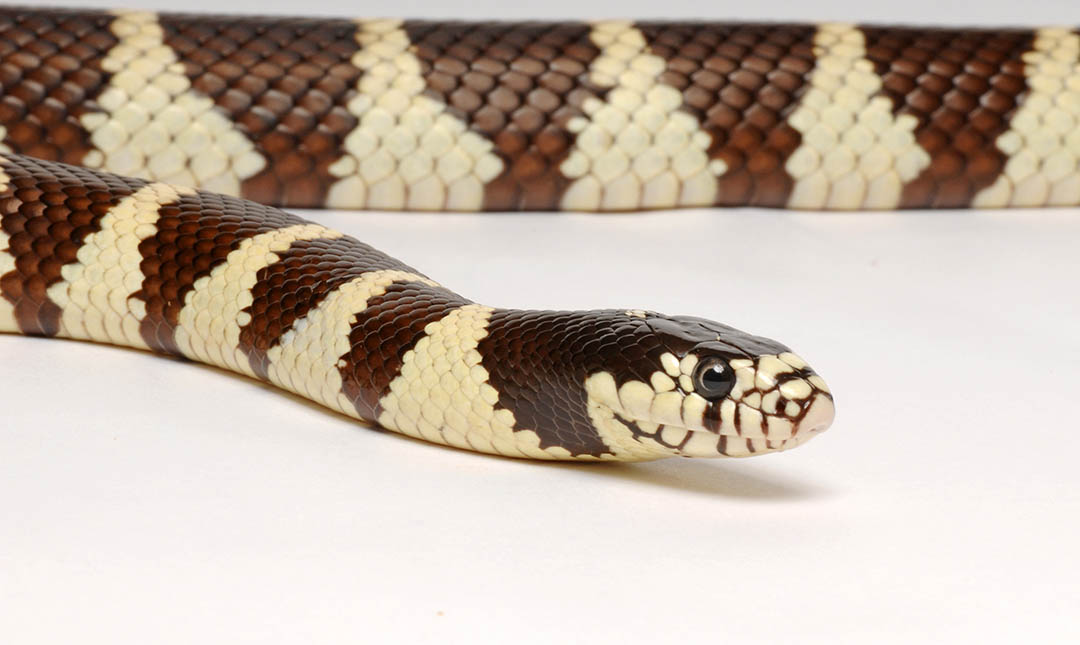
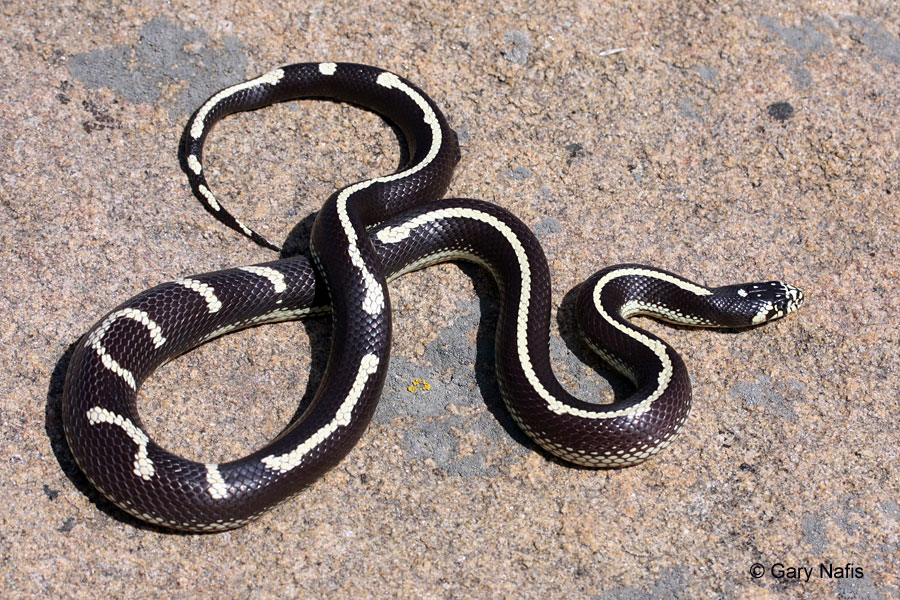
Physically, California king snakes are easily recognizable by their distinctive banding patterns. These bands typically alternate between dark brown or black and lighter colors such as white, yellow, or cream. The pattern can vary geographically, with some subspecies exhibiting more prominent or bolder stripes, while others may have more subdued or broken bands. Their slender, muscular bodies are built for speed and agility, allowing them to navigate various terrains with ease, from the arid deserts of the Mojave Desert to the chaparral foothills of the Santa Monica Mountains and the forests of the Sierra Nevada.
Diet and Hunting Strategies
As mentioned, the diet of the California king snake is quite varied and includes rodents, birds, lizards, and, most notably, other snakes. Their hunting strategy relies on their speed, stealth, and powerful constricting ability. When a California king snake encounters prey, it will strike quickly and then coil its body around the victim. The constriction exerts immense pressure, cutting off blood flow and causing suffocation. Once the prey is subdued, the snake will then swallow it whole, starting from the head.
Their immunity to rattlesnake venom is particularly noteworthy. This allows them to inhabit areas where rattlesnakes are prevalent, effectively controlling their populations. This role in the ecosystem is invaluable, as it helps maintain a balance and reduces the risk of venomous snake encounters for other wildlife and, by extension, humans. This makes them beneficial creatures to have around, rather than a threat.
Habitat and Distribution
California king snakes are native to the western United States, primarily in California, and extend into parts of Oregon, Nevada, Arizona, Utah, and northern Mexico. They are highly adaptable and can be found in a wide range of habitats, including forests, grasslands, deserts, and even suburban areas. Their ability to thrive in diverse environments contributes to their widespread distribution and frequent encounters with humans.
In California specifically, they are found in nearly every major ecosystem, from the coastal regions near Los Angeles to the inland valleys and mountain ranges. This broad geographic range means that people living in or visiting California are quite likely to see these snakes. They are often found near sources of water and shelter, such as under rocks, logs, or in rodent burrows.
Are California King Snakes Dangerous to Humans?
Given that California king snakes are non-venomous, they pose no direct threat of venomous bite to humans. Their primary defense mechanism is to flee from perceived threats. If cornered or handled, they may bite defensively. However, these bites are typically superficial, causing minor pain and bleeding, akin to a cat scratch. Their jaws are not designed for deep penetration, and their teeth are small.
The concern for many people regarding snakes often stems from a misunderstanding of venom and a general fear of reptiles. It’s important to remember that the vast majority of snake species worldwide are not venomous and are, in fact, beneficial to the environment. The California king snake is a prime example of such a snake, contributing significantly to pest control.

Defensive Behaviors
When confronted, a California king snake will often try to escape. If escape is not possible, it may exhibit several defensive behaviors:
- Hissing: They may emit a soft hiss to warn off a perceived predator.
- Tail Vibrating: Similar to rattlesnakes, they can vibrate their tail rapidly against dry leaves or debris, creating a buzzing sound that mimics a rattlesnake’s warning. This is a clever tactic to deter predators that might be wary of venomous snakes.
- Musking: As a last resort, they may release a foul-smelling fluid from their cloaca, a defense mechanism used to make themselves unpalatable to predators.
- Defensive Bite: If all else fails, they may bite defensively. As noted, this is not a venomous bite and is generally harmless, though it can be a surprise.
These behaviors are not aggressive but are purely defensive reactions to feeling threatened. Observing these behaviors from a safe distance is the best approach.
Handling and Pet Ownership
Due to their docile nature when not threatened and their striking appearance, California king snakes are popular choices for pet ownership. They are relatively easy to care for in captivity, making them suitable for beginner snake enthusiasts. Reputable breeders and pet stores offer California king snakes, and acquiring one from a responsible source ensures the animal has been properly cared for.
When handling a pet California king snake, it’s always best to do so calmly and confidently. Support their body, and avoid sudden movements that might startle them. As with any pet, understanding their needs and behaviors is key to a positive interaction. For those considering a pet snake, resources like reptile-specific forums or experienced keepers can provide invaluable advice on proper care and handling. Whether it’s a wild encounter or a cherished pet, the California king snake is a creature to be respected and appreciated for its unique role in the natural world.
Encountering California King Snakes in the Wild
For travelers and nature enthusiasts exploring the diverse landscapes of California and surrounding regions, encountering a California king snake can be an exciting part of the experience. Their adaptable nature means they can be found in various terrains, from the rugged trails of Yosemite National Park to the desert scrublands near Palm Springs. If you are fortunate enough to spot one, remember these key points for a safe and respectful interaction.
Respecting Their Space
The most important rule when encountering any wild animal, including snakes, is to give them plenty of space. California king snakes are not aggressive and will typically try to avoid confrontation. Approaching them too closely can cause stress and may lead to defensive behaviors. Maintain a respectful distance, and observe them from afar. This allows you to appreciate their beauty and behavior without disturbing them or putting yourself at risk of a defensive bite.
If you are exploring areas known for snakes, such as rocky outcrops or dense undergrowth, it’s wise to be aware of your surroundings. Wearing sturdy footwear and long pants can offer a layer of protection. When hiking in areas like the Anza-Borrego Desert State Park or along the Pacific Crest Trail, always watch where you step and place your hands.
Identifying Them Correctly
Distinguishing a California king snake from other regional snakes is crucial, especially when venomous species like the Western rattlesnake (Crotalus oreganus) are present. As established, California king snakes are non-venomous. Their characteristic bands are their most recognizable feature. If you are unsure about the identification of a snake, the safest course of action is to assume it may be venomous and keep your distance. Online resources and local wildlife guides can be helpful for learning to identify common snake species in your area. For example, knowing that rattlesnakes typically have a triangular head and a rattle at the end of their tail, while king snakes have a more rounded head and a blunt tail, can be key identifiers.
Educational Value and Conservation
The presence of California king snakes in an ecosystem is a positive indicator of environmental health. Their role in controlling rodent and other pest populations is vital for maintaining ecological balance. For those interested in natural history and conservation, observing these snakes can be an educational opportunity. They are a testament to the resilience and diversity of reptile life.
When traveling to destinations that are known for their rich biodiversity, like the Sonoran Desert or the woodlands of the San Bernardino National Forest, keep an eye out for these fascinating serpents. Understanding their habits and ecological importance can foster a greater appreciation for the natural world. Many nature centers and educational programs in these regions offer insights into local herpetofauna, including king snakes, and promote responsible wildlife viewing. Embracing these encounters with knowledge and respect ensures that both humans and these valuable creatures can coexist peacefully.
LifeOutOfTheBox is a participant in the Amazon Services LLC Associates Program, an affiliate advertising program designed to provide a means for sites to earn advertising fees by advertising and linking to Amazon.com. Amazon, the Amazon logo, AmazonSupply, and the AmazonSupply logo are trademarks of Amazon.com, Inc. or its affiliates. As an Amazon Associate we earn affiliate commissions from qualifying purchases.