
Alaska, the United States‘ largest and most sparsely populated state, is a land of unparalleled natural beauty, rugged wilderness, and captivating experiences. Often called “The Last Frontier,” it beckons travelers with its towering mountains, vast glaciers, abundant wildlife, and unique cultural tapestry. However, planning a trip to this magnificent destination inevitably leads to one crucial question: “When to go to [Alaska]?” The answer isn’t straightforward, as [Alaska]’s diverse seasons offer vastly different adventures, from the endless daylight of summer to the mystical Northern Lights of winter.
Choosing the ideal time to visit depends entirely on what you hope to see, do, and experience. Are you dreaming of cruising past ice-blue glaciers, spotting grizzly bears, or hiking through vibrant tundra? Or perhaps you envision dog sledding across snow-covered landscapes and witnessing the ethereal glow of the aurora borealis? This comprehensive guide will delve into [Alaska]’s distinct seasons, helping you align your travel desires with the perfect time to embark on your unforgettable Alaskan journey. We’ll explore everything from popular attractions and activities to accommodation options and budgeting tips, ensuring your [Alaska] adventure is precisely what you’ve envisioned.
Understanding Alaska’s Seasons: A General Overview
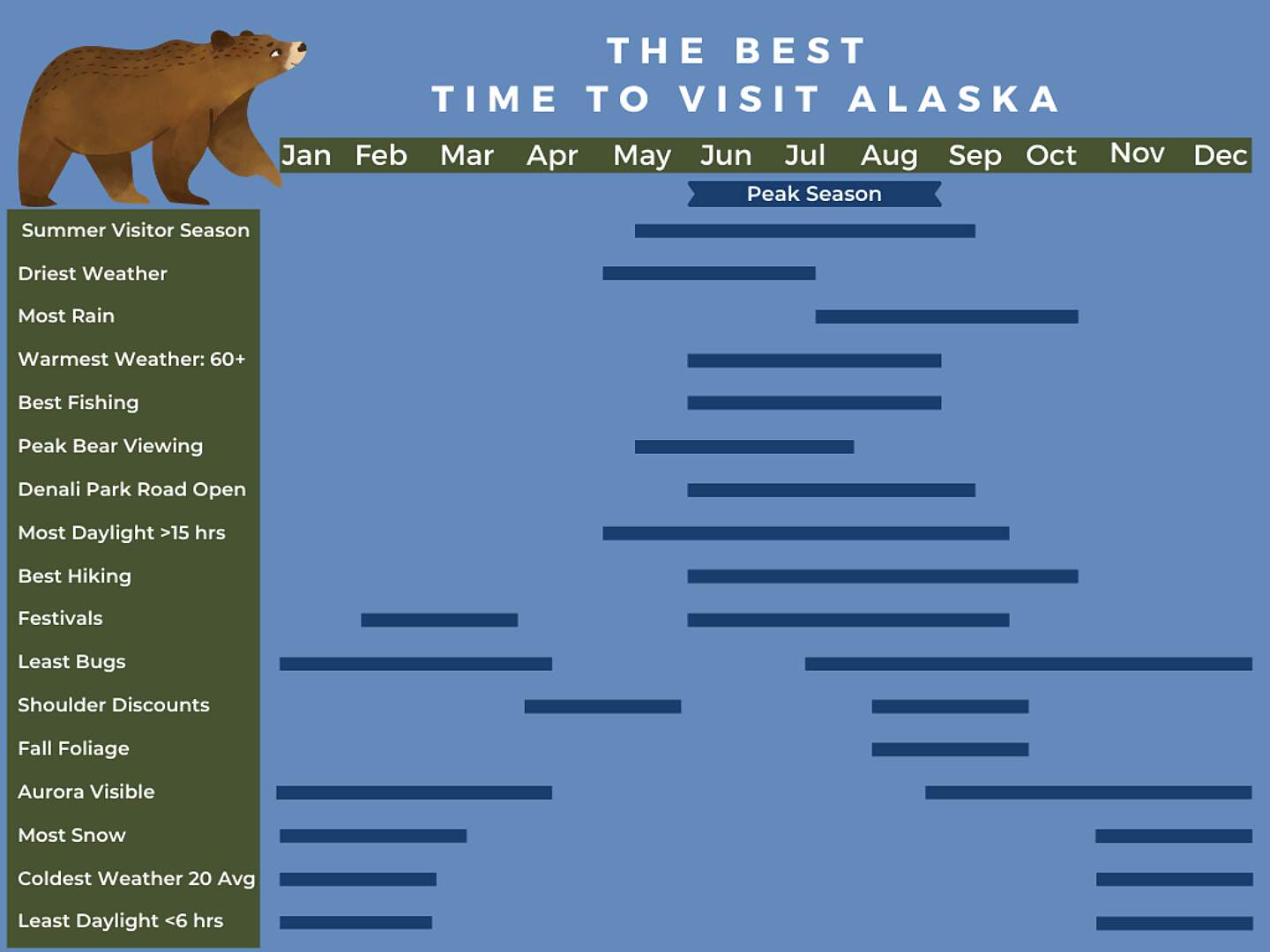
[Alaska]’s seasons are dramatic and define the rhythm of life and tourism in the state. Each period brings its own set of opportunities and challenges, making a thoughtful choice essential for any traveler.The Peak Season: Summer’s Embrace (June to August)
Summer is undeniably the most popular time to visit [Alaska], and for good reason. From early June through late August, the state experiences its warmest temperatures, longest daylight hours (often reaching 18-24 hours in some regions), and the full bloom of its natural beauty. This is when most tourist facilities, tours, and transportation options are fully operational.
Pros of Summer Travel:
- Optimal Weather: Mild temperatures (averaging 50-70°F or 10-21°C) make outdoor activities comfortable.
- Maximum Daylight: The “midnight sun” allows for extended sightseeing and adventure, making the most of your travel days.
- Full Accessibility: Most roads, national parks like Denali National Park and Preserve, and remote attractions are open.
- Abundant Wildlife: This is prime time for viewing bears, moose, caribou, whales, and various bird species as they are most active.
- Cruising Season: The Inside Passage cruise season is in full swing, offering unparalleled glacier and marine wildlife viewing.
- Events and Festivals: Cities like Anchorage and Fairbanks host numerous cultural events and festivals. For instance, the Alaska State Fair takes place in late August/early September near Palmer.
Cons of Summer Travel:
- Crowds: Popular destinations and attractions can be very busy, especially in July.
- Higher Prices: Flights, accommodation (from luxury resorts to budget-friendly apartments), and tour packages are at their peak rates. Booking well in advance is crucial.
- Mosquitoes: Can be prevalent in certain inland areas, particularly in June and July.
The Shoulder Seasons: Spring’s Awakening (May) & Autumn’s Glow (September)
For those looking to balance good weather with fewer crowds and potentially lower prices, the shoulder seasons of May and September offer compelling alternatives.
Spring’s Awakening (May)
May marks the transition from winter to summer. The snow begins to melt, landscapes start to green, and daylight hours rapidly increase. While some services might still be ramping up, May provides a quieter, more intimate experience.
Pros of May Travel:
- Fewer Crowds: Enjoy popular sites like Denali National Park and Preserve with more space.
- Lower Prices: Airfares and lodging often see slight reductions compared to peak summer.
- Early Wildlife Sightings: Bears emerge from hibernation, and migratory birds return.
- Longer Daylight: Already significant, though not at summer’s peak.
Cons of May Travel:
- Variable Weather: Can still be chilly, with chances of rain or late-season snow.
- Limited Access: Some roads or facilities might open later in the month.
- Greener, Not Yet Lush: Landscapes are still waking up, so the vibrant summer flora isn’t fully present.
Autumn’s Glow (September)
September brings a spectacular transformation as [Alaska]’s vast forests burst into brilliant hues of gold, red, and orange. The air becomes crisp, and the summer crowds thin out significantly.
Pros of September Travel:
- Stunning Fall Foliage: A photographer’s dream, especially inland.
- Excellent Wildlife Viewing: Animals are often more active as they prepare for winter. Salmon runs are typically strong, attracting bears.
- Fewer Crowds and Lower Prices: A noticeable drop in tourist numbers and costs compared to July/August.
- Chance to See the Northern Lights: As nights lengthen, the aurora borealis begins to make appearances, particularly from mid-September in areas like Fairbanks (known as one of the best places on Earth to see them).
Cons of September Travel:
- Colder Weather: Temperatures begin to drop, and snow can fall, especially towards the end of the month.
- Shorter Daylight: Days are noticeably shorter than in summer.
- Fewer Services: Some tour operators and lodges may begin closing down for the season towards late September.
The Winter Wonderland: A Unique Perspective (October to April)
For the adventurous and those seeking a truly unique [Alaska] experience, winter (October to April) offers a magical, albeit challenging, journey into a frozen wonderland. While daylight hours are minimal, especially around the winter solstice, the allure of the Northern Lights and authentic winter activities is immense.
Pros of Winter Travel:
- Northern Lights: Best viewing opportunities are from October to April, particularly in interior [Alaska] (e.g., Fairbanks).
- Winter Sports: Dog sledding, snowmobiling, ice fishing, skiing, and snowboarding are popular. You can even witness the start of the Iditarod Trail Sled Dog Race in Anchorage in March.
- Authentic Experience: Encounter fewer tourists and experience [Alaska] as many locals do.
- Budget-Friendly: Generally the cheapest time to travel, with significant discounts on flights and accommodation.
- Stunning Scenery: Snow-covered landscapes transform [Alaska] into a serene, picturesque realm.
Cons of Winter Travel:
- Extreme Cold: Temperatures can drop well below freezing, requiring specialized gear.
- Limited Daylight: Very short days, especially from November to January.
- Reduced Accessibility: Many roads, national parks (like Denali National Park and Preserve), and attractions are closed or have limited access.
- Fewer Services: Many tour operators, restaurants, and hotels close for the season.
Tailoring Your Alaska Adventure: What to Do and When
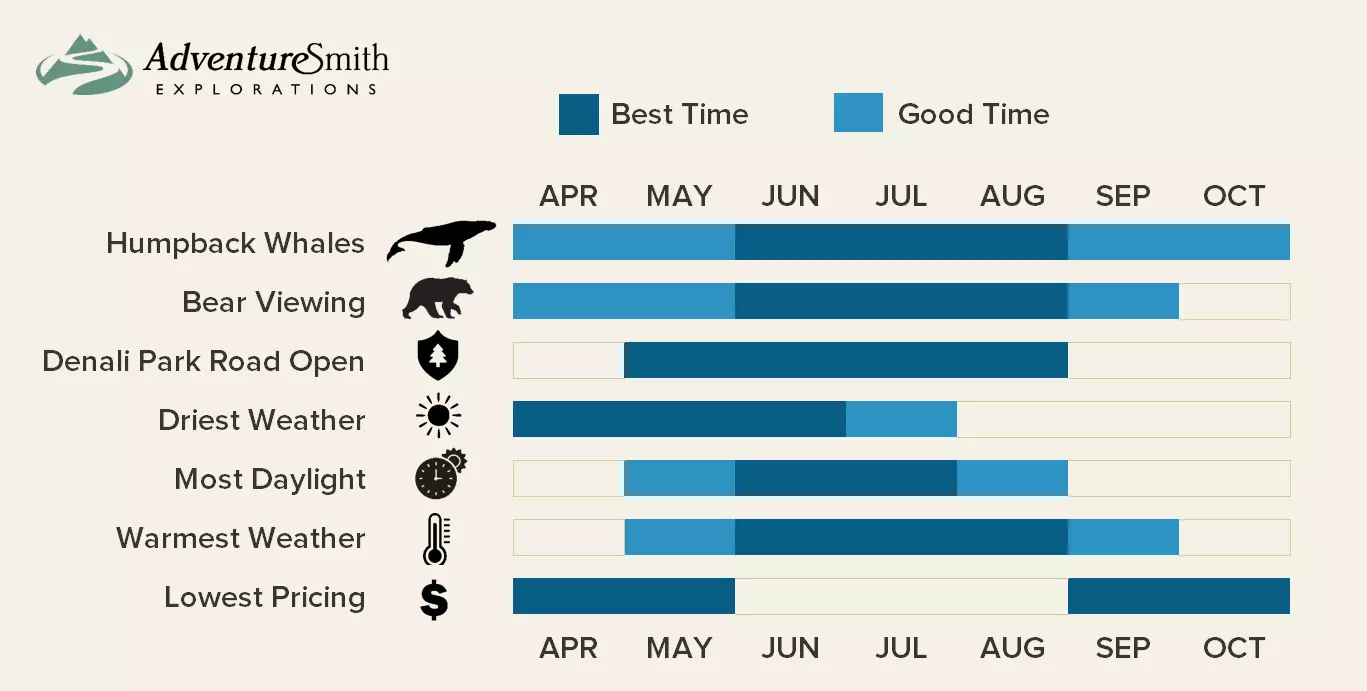
Your ideal time to visit [Alaska] heavily depends on your preferred activities and interests. Here’s a breakdown of popular Alaskan experiences and the best seasons to pursue them.
Wildlife Watching & Nature Exploration
For unparalleled wildlife viewing – including grizzly bears, black bears, moose, caribou, whales, and eagles – summer (June to August) is supreme. Bears are active, salmon runs are strong, and marine life flourishes. Katmai National Park and Preserve is famous for bear viewing in July and September, while Kodiak Island offers similar opportunities. Glacier Bay National Park and Kenai Fjords National Park are teeming with marine mammals and seabirds. Admiralty Island, known as the “Fortress of the Bears,” is a fantastic spot for bear watching.
Cruising the Inside Passage
The best time for an [Alaska] cruise through the Inside Passage is from late May to early September. This period offers the most stable weather, calmest seas, and full operation of all cruise amenities and shore excursions in towns like Juneau, Ketchikan, Sitka, and Skagway. Early June and late August/early September offer a balance of good weather and slightly fewer crowds than the peak months of July and early August. The Alaska Marine Highway System also offers a more authentic way to explore these coastal communities year-round, though summer is most comfortable.
Northern Lights & Winter Sports
If the magical Northern Lights are your primary draw, plan your trip between late September and April. Fairbanks, located under the “Auroral Oval,” offers some of the best viewing opportunities. January to March are peak months for cold, clear nights. Winter is also the season for exhilarating activities such as dog sledding, snowmobiling, cross-country skiing, and ice climbing on landmarks like the Matanuska Glacier. The Girdwood area, home to Alyeska Resort, provides excellent downhill skiing.
Fishing & Outdoor Pursuits
Sportfishing for salmon, halibut, and trout is a major draw in [Alaska]. The prime fishing season typically runs from May through September, with specific species peaking at different times. King salmon runs are strong in May and June, while sockeye and silver salmon dominate later in the summer. Destinations like Homer are renowned for halibut fishing. Hiking and backpacking in areas like Chugach National Forest or Tongass National Forest are best enjoyed in the summer when trails are clear of snow and weather is mild. Kayaking and rafting are popular in areas like Prince William Sound and the Yukon River during the summer months.
Key Destinations and Accommodation Considerations
No matter when you visit, understanding the regional differences and planning your stay is vital.
Popular Cities and Their Seasonal Offerings
- Anchorage: [Alaska]’s largest city, it serves as a central hub year-round. In summer, it’s a gateway to Denali National Park and Preserve, the Kenai Peninsula, and offers access to coastal cruises from Seward or Whittier. Winter in Anchorage is famous for the Iditarod Trail Sled Dog Race ceremonial start and various winter festivals.
- Fairbanks: The best destination for aurora borealis viewing from late August to April. Summer offers access to the Arctic Circle via the Dalton Highway and cultural experiences.
- Juneau: The state capital, accessible primarily by air or sea. Summer is peak cruise season, offering access to the Mendenhall Glacier and whale watching. Winter is quieter but still beautiful.
- Seward & Valdez: Coastal towns famous for glacier and wildlife cruises, especially to Kenai Fjords National Park and Prince William Sound. Best visited in summer.
- Ketchikan, Sitka, Skagway, Haines, Petersburg, Wrangell, Gustavus: These Inside Passage communities thrive in summer with cruise ship visitors, offering unique local culture, historical sites (like the White Pass & Yukon Route Railroad in Skagway), and access to lush temperate rainforests.
- Talkeetna: A charming village serving as the base for climbers attempting Mount Denali and offering flightseeing tours. Best in summer.
- Wrangell-St. Elias National Park and Preserve: The largest national park in the United States, offering immense wilderness and mountaineering opportunities, primarily accessible in summer.
Lodging for Every Season and Style
[Alaska] offers a diverse range of accommodation options to suit every travel style and budget. During the peak summer season, demand is high, and prices reflect this. Booking hotels, resorts, suites, and even apartments or villas well in advance (6-12 months for popular spots) is strongly recommended. Many properties, especially those in national park areas or remote lodges, operate only seasonally.- Luxury Lodges and Resorts: For a high-end experience, consider wilderness lodges in remote areas like Denali Park or upscale resorts near Girdwood (like Alyeska Resort). These often include amenities, guided tours, and gourmet dining.
- Hotels and Suites: Major cities like Anchorage and Fairbanks have a wide selection of chain hotels and independent boutique options, catering to both business stays and family trips.
- Apartments and Villas: For longer stays or family travel, self-catering apartments or vacation rentals offer flexibility and a taste of local living. This can also be a budget-friendly alternative.
- Cabins and B&Bs: Charming and often locally run, these provide a more intimate experience, especially in smaller towns.
- RV Parks and Campgrounds: A popular choice for budget travelers and those wanting a more immersive nature experience, primarily available in summer along routes like the Alaska Highway.
In the shoulder and winter seasons, while many smaller establishments close, year-round hotels in major cities offer competitive rates. Winter visitors can find unique accommodation, such as ice hotels or cozy cabins ideal for Northern Lights viewing. It’s always wise to check reviews and compare options, especially when planning for specific amenities like hot tubs, Wi-Fi, or pet-friendly policies.
Practical Tips for Planning Your Alaska Trip
Regardless of when you decide to go, a well-planned trip enhances your [Alaska] experience.
Budgeting and Booking
- High Season (June-August): Expect higher costs for flights, accommodation, and tours. Book everything far in advance. Luxury travel options are abundant but pricier.
- Shoulder Season (May, September): Offers a good balance. Flights and hotels can be 10-20% cheaper than peak season. Many tours still operate, but some may have reduced schedules. Good for budget travel or finding value.
- Low Season (October-April): Generally the most affordable time to visit, especially for flights and hotels. However, fewer tour operators are active, and choices are limited. Ideal for a targeted Northern Lights or winter sports trip.
- Flexibility: Being flexible with your travel dates can often lead to significant savings, especially during the shoulder seasons.
Packing Essentials
- Layering is Key: [Alaska]’s weather is notoriously unpredictable, even in summer. Pack layers including a waterproof and windproof outer shell, fleece or down mid-layers, and moisture-wicking base layers.
- Footwear: Sturdy, comfortable, waterproof hiking boots are essential, regardless of the season.
- Insect Repellent: Especially important for summer trips inland.
- Sun Protection: Sunscreen, sunglasses, and a wide-brimmed hat are vital due to reflective surfaces (snow/water) and long daylight hours.
- Winter Gear: If visiting in winter, invest in or rent extreme cold-weather gear: insulated parka, snow pants, warm hats, gloves/mittens, and thermal boots.
- Camera Gear: Don’t forget extra batteries, as cold weather can drain them quickly, and ample storage for the breathtaking scenery.
Choosing when to visit [Alaska] is about aligning your personal travel aspirations with the state’s magnificent seasonal offerings. Whether you seek the vibrant energy of summer, the serene beauty of autumn, the quiet introspection of spring, or the magical allure of winter’s [Northern Lights], [Alaska] promises an unforgettable adventure. By understanding the unique characteristics of each season and carefully planning your itinerary, accommodation, and activities, you can ensure your journey to the Last Frontier is everything you dreamed of and more. Start planning your [Alaska] trip today, and prepare to be amazed by the grandeur and wilderness that await.
LifeOutOfTheBox is a participant in the Amazon Services LLC Associates Program, an affiliate advertising program designed to provide a means for sites to earn advertising fees by advertising and linking to Amazon.com. Amazon, the Amazon logo, AmazonSupply, and the AmazonSupply logo are trademarks of Amazon.com, Inc. or its affiliates. As an Amazon Associate we earn affiliate commissions from qualifying purchases.