
The vibrant, cup-shaped blooms of the California poppy (Eschscholzia californica) are an iconic symbol of the Golden State, transforming hillsides and fields into breathtaking landscapes of gold and orange each spring. As one of California‘s most beloved natural landmarks, these dazzling flowers draw countless visitors eager to witness their ephemeral beauty. But beneath their cheerful appearance lies a question that often puzzles nature enthusiasts and gardeners alike: are California poppies true perennials, or do they complete their life cycle in a single season? The answer, like much of nature, is more nuanced than a simple yes or no, revealing fascinating insights into their adaptability and resilience within their native ecosystems.
The Golden Hues of California: A Natural Landmark
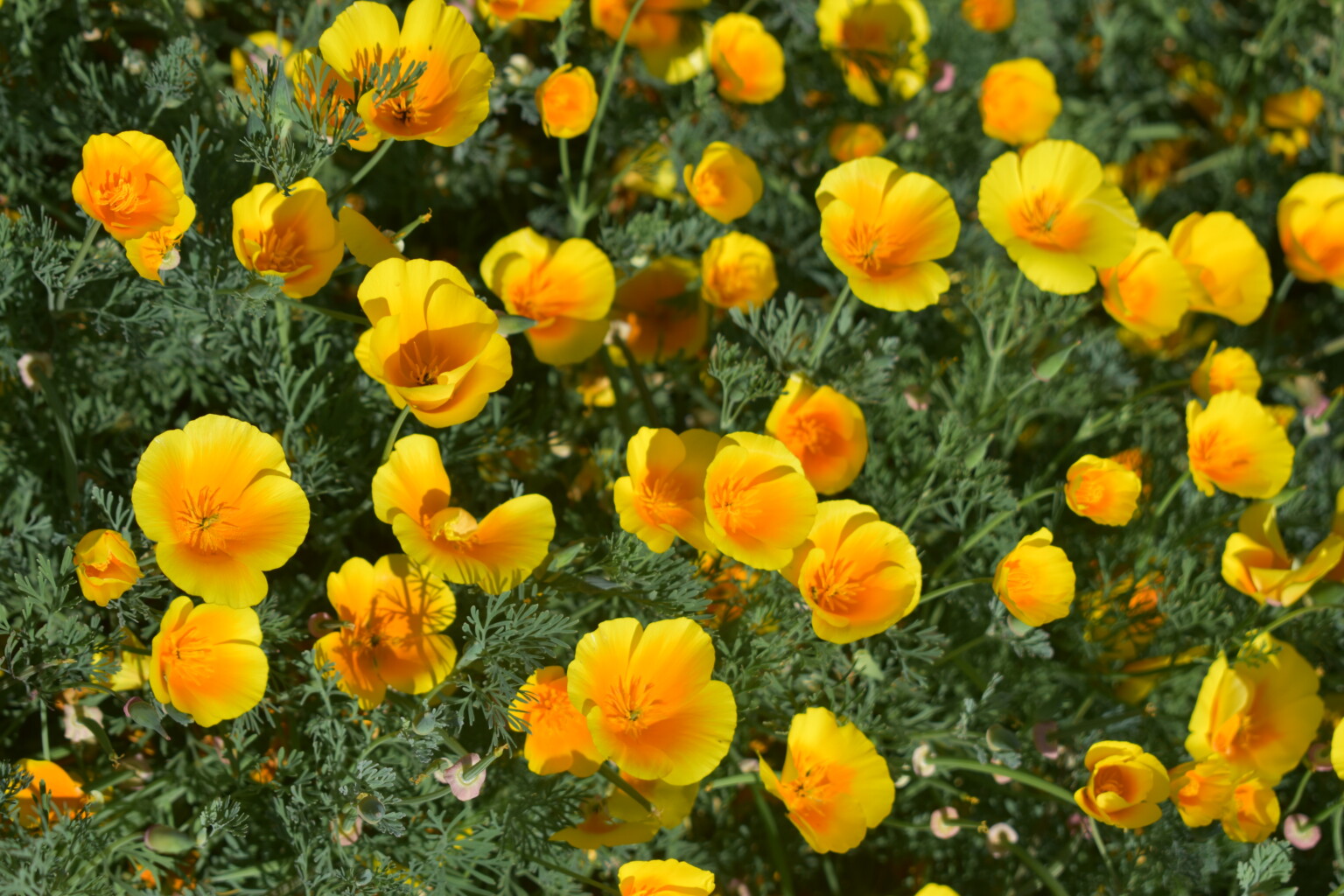
The California poppy is far more than just a pretty flower; it is a profound natural landmark, emblematic of the state’s wild beauty and ecological richness. Its seasonal appearance creates stunning vistas that attract visitors from around the globe, making it a pivotal part of California’s natural tourism appeal.
A Symbol of the Golden State
Adopted as the official state flower in 1903, the California poppy embodies the spirit and history of California. Its scientific name, Eschscholzia californica, pays homage to Johann Friedrich von Eschscholtz, a German botanist who first described the plant in the early 19th century during a Russian expedition to the region. Often associated with the 1849 Gold Rush, the poppy’s brilliant golden-orange petals mirror the precious metal that lured so many to the state, earning it nicknames like “cup of gold” and “flame flower.” This deep connection to the state’s identity elevates it from a mere plant to a living symbol, a natural landmark recognized and cherished worldwide. Its resilience, thriving in various microclimates, reflects the enduring spirit of California itself.
Iconic Bloom Locations
While California poppies can be found scattered across the state, certain locations become pilgrimage sites during peak bloom, transforming into spectacular natural attractions. The Antelope Valley California Poppy Reserve in Lancaster, California, is arguably the most famous and dedicated poppy sanctuary. Here, thousands of acres are devoted to protecting and showcasing the state flower, offering miles of trails through undulating hills carpeted in a sea of orange. The reserve is carefully managed to ensure the poppies thrive, providing an unparalleled opportunity for visitors to immerse themselves in this natural wonder.
Beyond Antelope Valley, other notable locations include parts of the Carrizo Plain National Monument, Chino Hills State Park, and numerous other state parks and open spaces, particularly in southern and central California. When conditions are just right, these areas can erupt in what is popularly known as a “superbloom”—an extraordinary proliferation of wildflowers, predominantly poppies, that turns vast landscapes into vibrant, unforgettable tapestries of color. These events become major draws, attracting nature lovers, photographers, and tourists, all eager to witness one of nature’s most spectacular and ephemeral displays. The unpredictability and grandeur of these superblooms further cement the California poppy’s status as a dynamic and highly anticipated natural landmark.
Ecological Importance
Beyond their aesthetic appeal, California poppies play a vital role in their native ecosystems. As native wildflowers, they are perfectly adapted to California’s Mediterranean climate, characterized by wet winters and dry summers. They serve as an early and crucial food source for a variety of native pollinators, including bees, butterflies, and other beneficial insects, providing nectar and pollen when many other plants are yet to bloom. Their robust root systems help prevent soil erosion, particularly on slopes and in disturbed areas. Furthermore, by carpeting open fields, they contribute to the biodiversity of the state’s natural landscapes, supporting a healthy ecosystem that is resilient to environmental changes. Their presence is an indicator of healthy, undisturbed natural habitats, underscoring their ecological significance as part of California’s natural heritage.
Unraveling the Perennial Question: More Than Meets the Eye
The question of whether California poppies are perennials or annuals is central to understanding their life cycle and, by extension, the dynamic nature of the landscapes they inhabit. The answer is not as straightforward as it might seem, revealing a fascinating adaptation to their environment.
Defining Perennials vs. Annuals
To fully grasp the California poppy’s life cycle, it’s essential to understand the basic botanical definitions:
- Annuals are plants that complete their entire life cycle—germination, growth, flowering, seed production, and death—within a single growing season. They rely entirely on their seeds to propagate for the next year. Common garden annuals include petunias, marigolds, and impatiens.
- Perennials are plants that live for more than two years. They typically die back to the ground in colder climates or during dry seasons, only to regrow from their rootstock, crown, or rhizomes when conditions become favorable again. Examples include hostas, hydrangeas, and many shrubs.
The California Poppy’s Dual Nature
Here’s where the nuance comes in: The California poppy (Eschscholzia californica) is technically classified as a short-lived perennial in its native habitat. This means that, under ideal conditions—typically in areas with mild winters, consistent moisture, and undisturbed soil—a single plant can persist for more than one year, sometimes two or even three. It may die back to the ground during periods of drought or cold, only to re-sprout from its root crown when conditions improve.
However, in many contexts, especially in gardens, disturbed areas, or regions with harsher winters or more pronounced dry spells, California poppies often behave as annuals. They will germinate, bloom, produce copious seeds, and then die, with new plants emerging from those seeds the following year. This annual behavior is so common that many people mistakenly believe they are strictly annuals.
Factors Influencing Longevity
Several environmental factors dictate whether a California poppy lives as a perennial or an annual:
- Climate: In areas with consistently mild temperatures and infrequent hard freezes, poppies are more likely to exhibit perennial tendencies. Harsh winters or extreme summer heat can cause the plant to perish, reverting to an annual life cycle.
- Water Availability: While drought-tolerant, consistent, moderate moisture, particularly during the dry season, can help a plant survive to re-bloom. Prolonged drought, common in many parts of California, often forces the plant to complete its life cycle quickly, prioritizing seed production.
- Soil Conditions: Well-drained soil is crucial. While they can grow in poor soil, optimal soil conditions, especially those rich in beneficial microbes, contribute to plant health and longevity.
- Competition and Disturbance: In wild, undisturbed settings, poppies can establish deeper root systems and persist. In cultivated gardens or frequently disturbed areas, they are more prone to behaving as annuals due to competition or physical disruption.
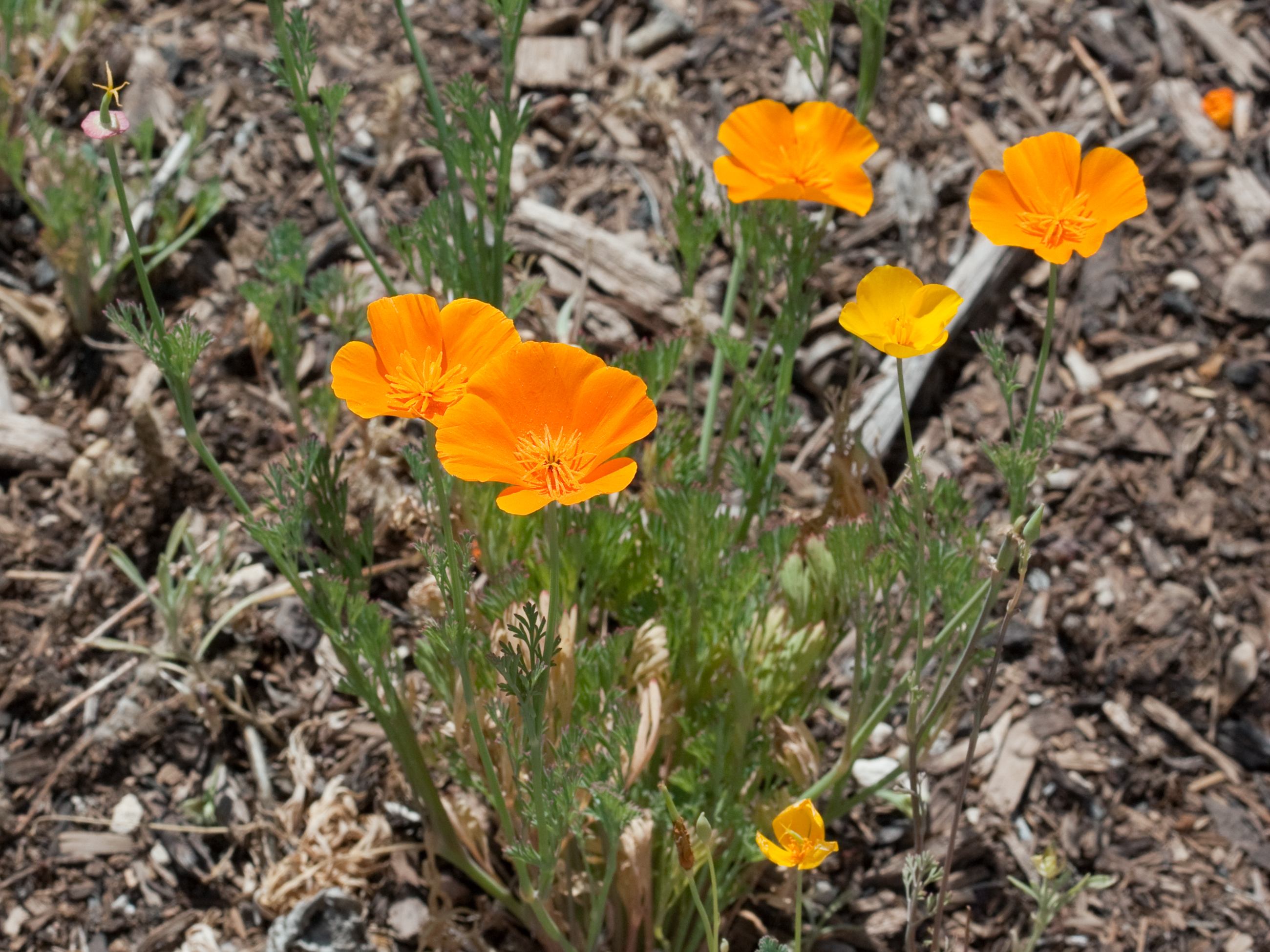
This remarkable adaptability—the ability to act as either a perennial or an annual depending on environmental cues—is a testament to the California poppy’s evolutionary success. It ensures the species’ survival across diverse landscapes, regardless of the year-to-year variability of California’s climate.
The Annual Cycle and Superbloom Phenomenon
Despite their potential to be short-lived perennials, the most celebrated aspect of California poppies as a natural landmark is their spectacular, often annual, display, culminating in the much-anticipated “superbloom.”
The Annual Display
Typically, the California poppy’s life cycle begins in late winter or early spring with germination, often triggered by winter rains. The seedlings rapidly grow into rosettes of delicate, fern-like, blue-green foliage. As temperatures rise and daylight lengthens in spring, the plants send up stalks topped with their distinctive bright orange or yellow flowers. These blooms open with the sun and close at night or on cloudy days, a charming characteristic. Flowering generally peaks from March to May, depending on the region and specific weather patterns. After flowering, the plants produce elongated seed pods that eventually split open, scattering thousands of tiny black seeds across the landscape. Once the heat of summer arrives and moisture becomes scarce, the plants usually wither and die, leaving the seeds to lie dormant until the next round of winter rains. This predictable annual cycle ensures a fresh display of golden beauty each spring, making it a reliable and eagerly awaited natural event.
The Magic of Superblooms
The “superbloom” is a truly extraordinary natural phenomenon that occurs only under specific and infrequent conditions, turning vast expanses of the California desert and hillsides into a painterly explosion of color. A superbloom requires a delicate balance of factors:
- Abundant Winter Rain: Significantly higher than average rainfall during the winter months is crucial to saturate the soil and prompt widespread seed germination.
- Cool Temperatures: Mild, cool temperatures during the germination and early growth phases prevent the plants from drying out too quickly and allow for robust development.
- Proper Timing: The rains must be well-timed, ideally spread out over several months rather than in a single deluge.
- Limited Wind: Strong winds can dry out young seedlings or damage delicate flowers.
- Lack of Fire in Previous Years: Fire can clear out competing vegetation, but intense, recent fires can also sterilize the seed bank.
When these conditions align, millions upon millions of dormant seeds, which can remain viable in the soil for decades, simultaneously germinate. The result is an unprecedented proliferation of wildflowers, with California poppies often dominating the display. These superblooms, though fleeting, become major natural landmarks, attracting huge crowds and generating immense excitement, reminding everyone of the profound power and beauty of nature. The sheer scale of color across the landscape is an unforgettable experience, making these years particularly special for nature tourism.
Planning Your Visit
For those wishing to witness the glory of the California poppy fields, timing is everything. The peak bloom period generally runs from late March through April, but this can vary significantly year to year and even within different regions of California.
- Monitor Conditions: The best way to plan a visit is to follow local park websites, social media, and news reports, especially for locations like the Antelope Valley California Poppy Reserve, which provide regular updates on bloom status.
- Mid-Morning to Early Afternoon: Poppies tend to open their petals fully when the sun is out and temperatures are warm, typically between 10 AM and 3 PM. On cloudy or cold days, they may remain closed.
- Weekdays are Best: Superblooms, in particular, attract massive crowds. Visiting on a weekday can help avoid the heaviest traffic and allow for a more peaceful experience.
- Be Prepared: Bring water, sunscreen, and wear comfortable walking shoes. Facilities can be limited in some remote areas.
Understanding that a superbloom is a rare event, and not guaranteed annually, adds to the mystique and allure of these natural landmarks, making each successful display a cherished memory.
Conservation and Appreciation of California’s Golden Landmarks
The enduring appeal of the California poppy as a natural landmark brings with it the responsibility of preserving its habitats for future generations. Protecting these golden fields is crucial for both ecological health and sustained natural tourism.
Protecting Natural Treasures
Conservation efforts are paramount to safeguarding the delicate ecosystems where California poppies and other native wildflowers thrive. Organizations and state parks, such as the Antelope Valley California Poppy Reserve, actively manage these lands to ensure optimal conditions for native flora. This includes controlling invasive species that outcompete native plants, protecting the soil from erosion, and educating the public about the importance of these natural spaces. The designation of the California poppy as the state flower underscores its cultural as well as ecological significance, motivating broader conservation initiatives. Protecting these natural landmarks means preserving biodiversity, supporting pollinator populations, and maintaining the intrinsic beauty of California’s landscapes. Without these efforts, the spectacular displays that captivate so many would be at risk.
Responsible Ecotourism
As natural landmarks, poppy fields, especially during superblooms, attract unprecedented numbers of visitors. While this enthusiasm is welcome, it also necessitates a strong emphasis on responsible ecotourism to prevent damage to the fragile ecosystems. Key guidelines for visitors include:
- Stay on Designated Paths: Trampling off-trail can crush plants, compact soil, and destroy emerging seedlings, impacting future blooms. Always stick to established trails and viewpoints.
- Do Not Pick Flowers: While tempting, picking wildflowers prevents them from going to seed, which is vital for the next year’s bloom, particularly for annuals. In some areas, picking wildflowers is illegal and carries fines.
- Leave No Trace: Pack out everything you pack in, including all trash. Do not disturb wildlife or natural features.
- Respect Private Property: Many stunning poppy fields are on private land. Always be mindful of property boundaries and access rules.
- Park Legally and Safely: During superblooms, traffic can be heavy. Park in designated areas and avoid blocking roads or damaging vegetation by parking off-road.
By adhering to these principles, visitors can enjoy the breathtaking beauty of the poppy fields while ensuring that these natural landmarks remain pristine and vibrant for all who follow.

The Enduring Allure
Ultimately, whether the California poppy lives as a true perennial or an annual is less important than its enduring presence as a cherished natural landmark of California. Its adaptability, its vibrant display, and its profound connection to the state’s identity make it an irresistible draw for locals and tourists alike. The annual return of its golden hues, sometimes in a quiet display, sometimes in a spectacular superbloom, serves as a powerful reminder of nature’s cyclical beauty and resilience. Understanding its life cycle only deepens our appreciation for this remarkable plant, encouraging a more informed and respectful engagement with California’s precious natural heritage.
The California poppy, with its brilliant petals and complex botanical nature, remains a beacon of the Golden State’s wild heart, inviting all to explore, appreciate, and protect its dynamic beauty as a truly living landmark. Its answer to the perennial question is a testament to nature’s intricate dance of survival and renewal, offering a powerful lesson in resilience and adaptation within the state’s iconic landscapes.
LifeOutOfTheBox is a participant in the Amazon Services LLC Associates Program, an affiliate advertising program designed to provide a means for sites to earn advertising fees by advertising and linking to Amazon.com. Amazon, the Amazon logo, AmazonSupply, and the AmazonSupply logo are trademarks of Amazon.com, Inc. or its affiliates. As an Amazon Associate we earn affiliate commissions from qualifying purchases.