
For the modern traveler, culinary exploration is an integral part of experiencing new destinations. From savoring street food in bustling markets to indulging in fine dining experiences, food offers a unique window into local culture and traditions. However, for those navigating dietary restrictions, particularly a gluten-free diet, this adventure can come with its own set of challenges and questions. One dish that frequently appears on menus worldwide, from airport kiosks to upscale Japanese restaurants in major tourist hubs, is the California roll. Its ubiquitous presence and approachable flavor profile make it a go-to choice for many. But for the gluten-free tourist, a crucial question arises: Are California rolls gluten free? This deep dive aims to demystify the ingredients, offer practical tips, and guide gluten-free travelers through the vibrant world of international cuisine, ensuring their culinary journey remains both safe and delicious.
Understanding California Rolls: A Culinary Icon for Tourists
The California roll is more than just a sushi item; it’s a global phenomenon, often serving as an introduction to Japanese cuisine for many first-time diners. Its mild flavors and accessible ingredients have cemented its place as a comfort food staple in countless restaurants across the globe, from Paris to Sydney. For tourists exploring new cities, it often represents a familiar and seemingly safe dining choice, yet its commonality doesn’t necessarily equate to guaranteed gluten-free status.
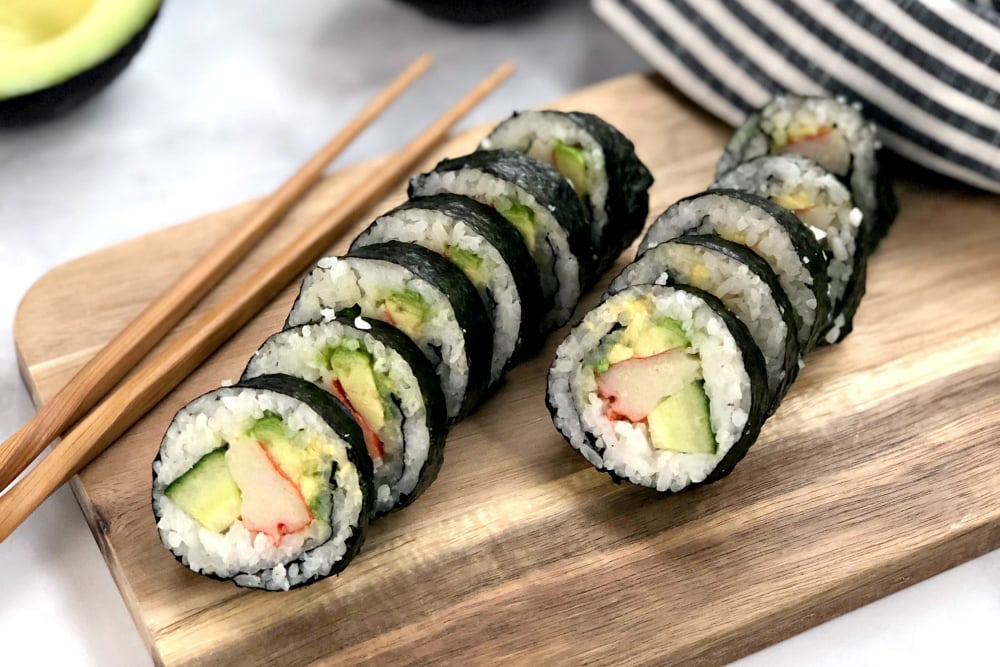
The Anatomy of a California Roll
At its core, a traditional California roll is a relatively simple creation, typically an uramaki (inside-out roll) featuring:
- Sushi Rice: Short-grain white rice, seasoned with rice vinegar, sugar, and salt. Rice itself is naturally gluten-free.
- Nori: Dried seaweed, used to hold the roll together. Nori is also naturally gluten-free.
- Imitation Crab (Surimi): This is often the most contentious ingredient for gluten-free diets. Surimi is a processed seafood product, usually made from pollock, starches, egg whites, and flavorings.
- Avocado: Creamy and rich, avocado is naturally gluten-free.
- Cucumber: Crisp and refreshing, cucumber is naturally gluten-free.
- Toasted Sesame Seeds: Often sprinkled on the outside of the roll, sesame seeds are gluten-free.
While the primary components seem innocuous, the devil, as always, is in the details, particularly concerning the processed ingredients and condiments often served alongside.
Its Global Appeal in Tourist Destinations
The California roll’s widespread availability makes it a culinary constant in diverse travel itineraries. Whether you’re seeking a quick bite in Tokyo, a casual lunch in New York City, or a familiar taste in a less adventurous dining environment, the California roll offers a sense of comfort and predictability. This global presence, however, means that ingredient sourcing and preparation methods can vary significantly between establishments and regions. A roll prepared in a high-end sushi bar in London might adhere to stricter ingredient quality than one found in a casual eatery near a landmark in Rome, making due diligence crucial for gluten-free tourists.
The Gluten Question: Unpacking Ingredients for the Gluten-Free Traveler
Understanding where gluten might hide in a California roll requires a meticulous examination of its components. While rice, nori, avocado, cucumber, and sesame seeds are typically safe, the processed items and accompanying sauces are where gluten-free travelers must exercise caution.
Decoding Imitation Crab (Surimi): The Primary Concern
Imitation crab meat, or surimi, is the most common culprit for gluten in California rolls. The production of surimi often involves wheat starch or wheat flour as a binder and texturizer. This is done to achieve the desired texture and elasticity that mimics real crab meat. While some brands are now producing gluten-free surimi, it is not a universal standard. Restaurants, especially those with high turnover or those sourcing from various suppliers, may not be aware of or prioritize gluten-free versions. Therefore, assuming imitation crab is gluten-free is a significant risk. For tourists, this means that even if a menu doesn’t explicitly list wheat, the presence of imitation crab immediately flags the roll as potentially unsafe.
Soy Sauce and Other Condiments: Hidden Gluten Traps
The serving of a California roll is rarely complete without a side of soy sauce, and herein lies another major source of gluten. Traditional soy sauce (such as Kikkoman) is brewed using wheat in addition to soybeans, water, and salt. A single dip can introduce gluten to an otherwise safe dish. Thankfully, many establishments now offer gluten-free tamari, which is a soy sauce variant made without wheat. However, it’s never safe to assume tamari will be provided without asking.
Beyond soy sauce, other condiments or marinades used in sushi preparation can also harbor gluten. Teriyaki sauce, eel sauce (unagi sauce), and some spicy mayonnaise blends often contain soy sauce or other wheat-derived thickeners. Even the seasoned sushi rice itself, while primarily gluten-free rice, can sometimes be prepared with rice vinegar that contains gluten if the vinegar is derived from grains like wheat, though this is less common with pure rice vinegars. The cumulative effect of these seemingly minor additions can render a meal unsafe for those with celiac disease or gluten sensitivity.
Rice and Nori: Generally Safe Bases
Fortunately, the foundation of most sushi rolls—sushi rice and nori (seaweed)—is naturally gluten-free. Sushi rice is typically made from short-grain white rice, which contains no gluten. The seasoning often involves rice vinegar, sugar, and salt, which are also generally safe. Similarly, nori is dried seaweed, a naturally gluten-free product. The main concern with these basic ingredients would be cross-contamination during preparation. For instance, if the same cutting board or knife is used for both gluten-containing and gluten-free rolls without proper cleaning, gluten particles could be transferred. This is a common issue in busy kitchens and something that gluten-free tourists must be vigilant about, especially when dining in establishments that are not explicitly gluten-free certified.
Navigating Sushi Menus: Tips for Gluten-Free Tourists

Traveling with dietary restrictions demands proactive planning and clear communication. For gluten-free tourists wanting to enjoy sushi, particularly in new or foreign environments, a strategic approach is essential.
Essential Questions to Ask at Restaurants
Direct and clear communication with restaurant staff is paramount. When dining out, especially in tourist-heavy areas where staff might be accustomed to various dietary needs, arm yourself with specific questions.
- “Does your imitation crab contain wheat or gluten?” (¿Su carne de cangrejo de imitación contiene trigo o gluten? / Les bâtonnets de crabe contiennent-ils du gluten ou du blé ?)
- “Do you have gluten-free soy sauce (tamari)?” (¿Tiene salsa de soja sin gluten (tamari)? / Avez-vous de la sauce soja sans gluten (tamari) ?)
- “Are there any other sauces or ingredients in the California roll that contain gluten?” (¿Hay otras salsas o ingredientes en el rollo California que contengan gluten? / Y a-t-il d’autres sauces ou ingrédients dans le California roll qui contiennent du gluten ?)
- “Can you ensure no cross-contamination during preparation?” (¿Puede garantizar que no haya contaminación cruzada durante la preparación? / Pouvez-vous garantir l’absence de contamination croisée lors de la préparation ?)
Consider having these phrases translated into the local language on your phone or a small card, especially when visiting countries where English might not be widely spoken, such as Mexico City or certain regions in Japan.
Identifying Gluten-Free Alternatives and Substitutions
If a traditional California roll is off-limits due to gluten, there are often delicious and safe alternatives:
- Real Crab Meat: Opt for rolls made with real crab meat instead of imitation crab. While more expensive, real crab is naturally gluten-free.
- Shrimp or Scallop Rolls: Cooked shrimp or scallops are excellent, naturally gluten-free fillings.
- Vegetable Rolls: Avocado, cucumber, asparagus, sweet potato, or tempura (ensure gluten-free batter) rolls are often safe bets. Always confirm the sauces used.
- Sashimi: Slices of raw fish without rice are a inherently gluten-free option, often served with a side of tamari.
- Tamari: Always request tamari instead of regular soy sauce. Many sushi restaurants in tourist destinations are now well-stocked with this gluten-free alternative.
- Custom Orders: Don’t hesitate to ask for custom rolls with safe ingredients. Many sushi chefs are accommodating, especially when health is a concern.
Researching Ahead: Digital Tools and Resources
Preparation is key for gluten-free travel. Before heading to a new city or even stepping out for a meal, leverage available resources:
- Gluten-Free Apps: Apps like Find Me Gluten Free allow users to review and find gluten-free friendly restaurants in various locations.
- Travel Blogs and Forums: Many dedicated gluten-free travel blogs offer city-specific guides and recommendations.
- Restaurant Websites/Menus: Check online menus for allergen information. Some restaurants highlight gluten-free options.
- Hotel Concierge: A hotel concierge can often recommend trusted gluten-free friendly establishments or assist with making reservations and communicating dietary needs. A hotel like the Grand Hyatt Hotel in a major city often has staff familiar with international dietary requirements.
Beyond California Rolls: Expanding Your Gluten-Free Culinary Horizons While Traveling
While the California roll serves as a good starting point for understanding gluten in sushi, a world of gluten-free culinary delights awaits the adventurous traveler. Being gluten-free doesn’t mean sacrificing the joy of experiencing local cuisines; it simply means being more discerning and informed.
Exploring Other Gluten-Free Sushi Options
Beyond the California roll, many sushi and Japanese dishes can be enjoyed by gluten-free individuals:
- Sashimi: As mentioned, pure slices of raw fish are naturally gluten-free.
- Nigiri: While similar to sashimi, nigiri features a slice of fish over a small ball of sushi rice. As long as gluten-free tamari is used, and there are no hidden marinades in the fish itself, this is often a safe choice.
- Simple Rolls (Maki): Rolls with single, unmarinated fillings like tuna, salmon, yellowtail, or plain avocado and cucumber are usually safe, provided no gluten-containing sauces are added.
- Hand Rolls (Temaki): These cone-shaped rolls can be customized with gluten-free ingredients.
- Edamame: Steamed soybeans are a naturally gluten-free and healthy appetizer.
- Miso Soup: Traditional miso paste is gluten-free, but some instant versions or dashi broths may contain wheat. Always ask.
Embracing Local Gluten-Free Cuisine
Travel is an opportunity to explore beyond your comfort zone. Many cuisines around the world offer a wealth of naturally gluten-free dishes.
- Southeast Asia: Rice is a staple in countries like Thailand and Vietnam, forming the base for many dishes. Look for fresh spring rolls (not fried), pho (verify broth ingredients), and curries (ensure no gluten-containing thickeners).
- Latin America: Corn is king! Tacos, pupusas, arepas, and many other dishes are traditionally made with corn flour. Always verify preparation methods and fillings, especially marinades.
- Mediterranean: Grilled meats, fresh seafood, salads, and rice dishes are common. Olive oil and fresh herbs are natural flavor enhancers.
- African Cuisine: Many traditional stews and grilled dishes served with rice or naturally gluten-free grains like teff (Ethiopia) or fufu (West Africa) offer safe and delicious options.
Communicating Your Needs Globally
Language barriers can be a significant hurdle, but they are not insurmountable.
- Dietary Cards: Carry printed cards in the local language explaining your gluten allergy/intolerance. Many websites offer free downloadable cards for various languages.
- Translation Apps: Google Translate or similar apps can be invaluable for real-time communication.
- Confidence and Politeness: Approach staff confidently but politely. Most people are willing to help, especially when it concerns health.
- Cook Your Own: For longer stays, consider booking accommodations with kitchenettes, allowing you to prepare some of your own safe meals. This is often an amenity offered by boutique hotels or serviced apartments in cities like Toronto.
Conclusion
In conclusion, while the California roll stands as a beloved and globally recognized sushi item, it is not inherently gluten-free. The primary culprit is often the imitation crab meat (surimi), which commonly contains wheat starch, along with traditional soy sauce and other gluten-containing condiments. For the gluten-free tourist, navigating the culinary landscape requires vigilance, informed choices, and clear communication.
By understanding the ingredients, asking targeted questions, seeking out gluten-free alternatives like real crab or vegetable rolls, and always opting for tamari, you can safely enjoy the delights of sushi. Furthermore, remember that your gluten-free journey extends far beyond the sushi bar. The world is brimming with naturally gluten-free cuisines and dishes waiting to be discovered. With a little research, preparation, and a confident approach to communication, gluten-free travel can be just as rich, flavorful, and unforgettable as any other culinary adventure. So, arm yourself with knowledge, embrace the exploration, and savor every safe bite your travels have to offer.
LifeOutOfTheBox is a participant in the Amazon Services LLC Associates Program, an affiliate advertising program designed to provide a means for sites to earn advertising fees by advertising and linking to Amazon.com. Amazon, the Amazon logo, AmazonSupply, and the AmazonSupply logo are trademarks of Amazon.com, Inc. or its affiliates. As an Amazon Associate we earn affiliate commissions from qualifying purchases.