
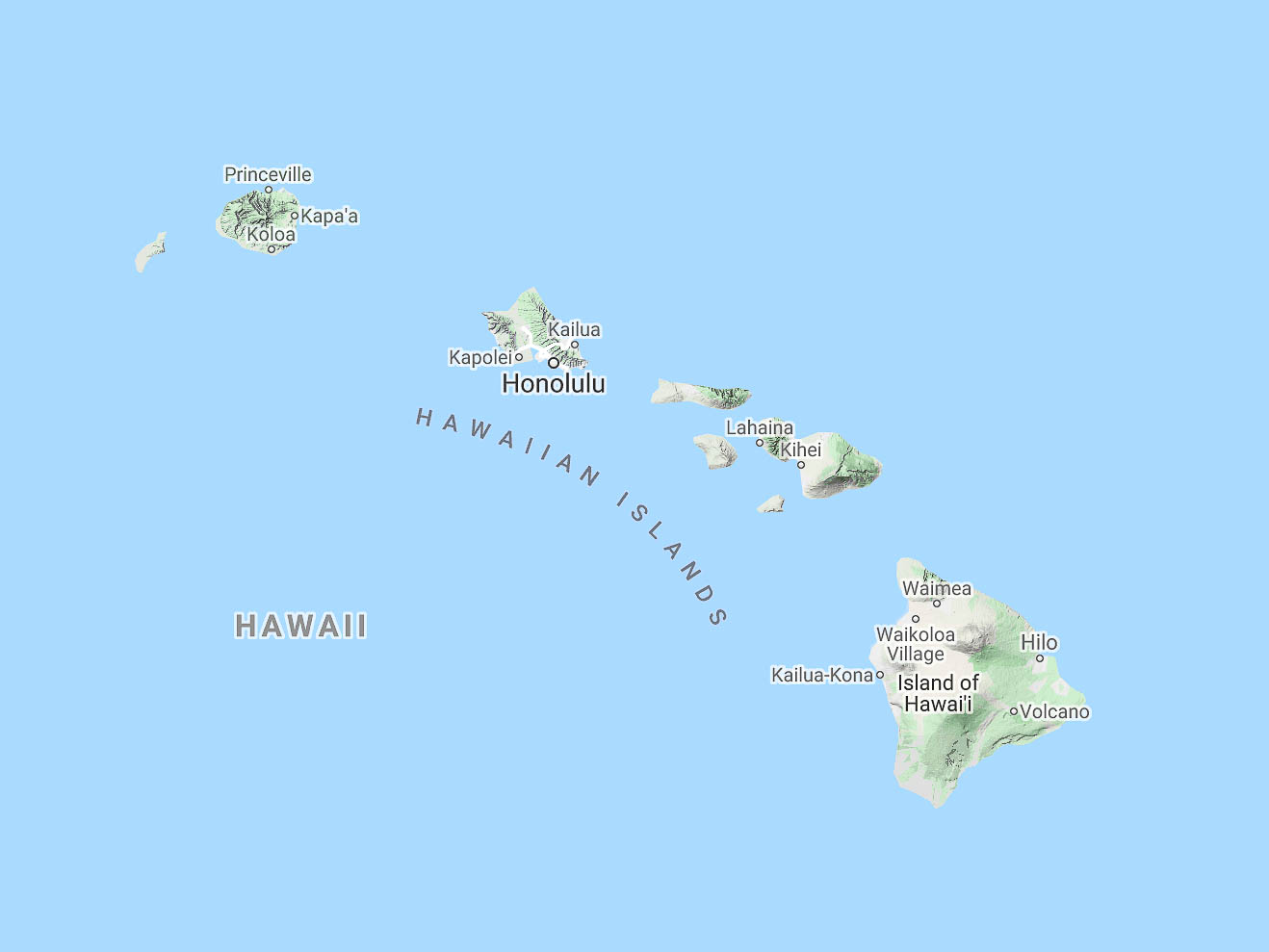
When people speak of the United States and its tropical paradise, they often use the term “Big Island” to distinguish one specific landmass from the rest of the archipelago. Formally known as the island of Hawaii, the Big Island is a place of superlatives. It is not only the largest island in the Hawaiian Islands chain but also the youngest and most geologically diverse. For travelers, understanding which island is the Big Island is the first step in planning a journey that spans from snow-capped peaks to molten lava flows and lush rainforests.
Understanding the Geography and Scale of the Island of Hawaii
The island of Hawaii earned its nickname for a very literal reason: its size. Covering over 4,000 square miles, it is larger than all the other islands in the chain—including Oahu, Maui, Kauai, Molokai, and Lanai—combined. This vastness creates a unique environment where you can experience nearly every climate zone on the planet without ever leaving the island.
The Five Volcanoes of the Big Island
The Big Island was formed by five distinct shield volcanoes that erupted sequentially, their lava flows overlapping to create the massive landmass we see today. Kohala is the oldest and is now extinct, having ceased activity hundreds of thousands of years ago. Mauna Kea, a dormant volcano, is the highest point in the state and, when measured from its base on the ocean floor, is technically the tallest mountain in the world.
Hualalai towers over the west coast, while Mauna Loa and Kilauea remain among the most active volcanoes on Earth. Kilauea, in particular, has been adding new land to the island for decades, ensuring that the Big Island continues to grow in size.
A Continent in Miniature
Because of its height and location in the Pacific Ocean, the island features 10 of the world’s 14 climate zones. On a single day of travel, a visitor can start in the humid tropical jungles of Hilo, drive through the arid lava deserts of Kona, and end the evening in the sub-arctic temperatures atop the summit of Mauna Kea. This ecological diversity makes it a premier destination for hikers, scientists, and nature enthusiasts seeking more than just a standard beach vacation.
Exploring the Major Regions: Kona vs. Hilo
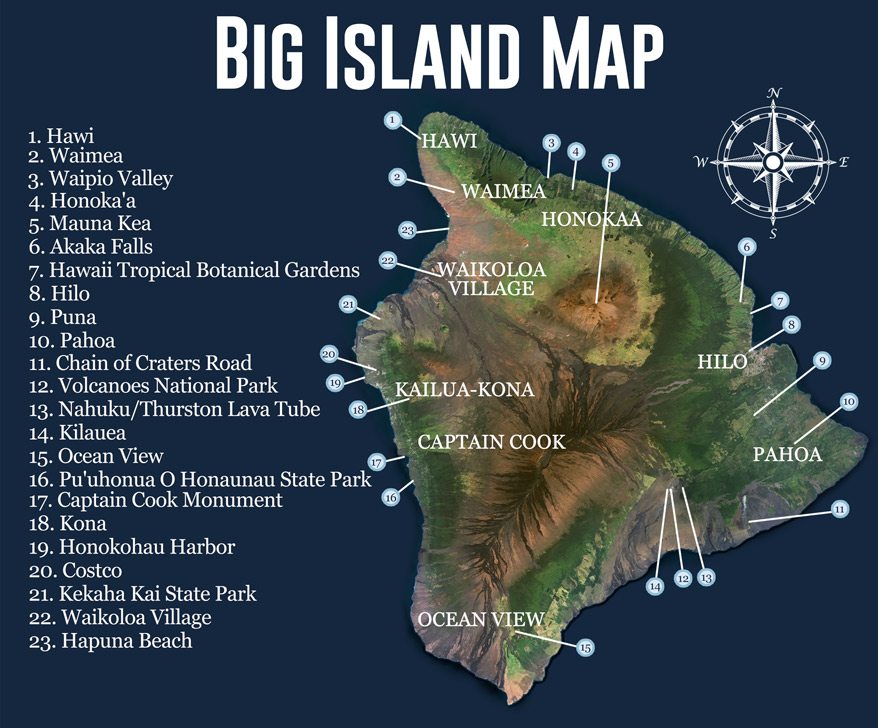
The Big Island is generally divided into two main sides: the leeward (west) and the windward (east). These areas are anchored by the two largest communities, Kailua-Kona and Hilo. Each offers a completely different atmosphere and set of attractions.
The Sunny Leeward Coast: Kailua-Kona and Kohala
The western side of the island is known for its consistent sunshine and calm, crystal-clear waters. Kailua-Kona serves as the primary hub for tourism, featuring historic sites, bustling shopping districts, and a wide array of dining options along Alii Drive. Just north of the town lies the Kohala Coast, home to luxury resorts like the Four Seasons Resort Hualalai and the Fairmont Orchid.
This region is world-famous for its Kona Coffee plantations, which thrive in the volcanic soil and unique afternoon cloud cover of the Hualalai slopes. Travelers often spend their time here snorkeling at Kealakekua Bay, visiting the Puuhonua o Honaunau National Historical Park, or lounging on the white sands of Hapuna Beach State Recreation Area.
The Lush Windward Coast: Hilo and the Hamakua Coast
In stark contrast, the eastern side of the Big Island is characterized by high rainfall, which fuels breathtaking waterfalls and emerald-green landscapes. Hilo is an old-world town with a deep cultural history, serving as the gateway to the island’s most famous natural wonder, the volcano.
Travelers visiting Hilo should explore the Hilo Farmers Market to sample exotic fruits and local crafts. Just a short drive north is the Hamakua Coast, where the scenic drive leads to spectacular sites like Akaka Falls State Park and the world-renowned Rainbow Falls. The northern end of this coast terminates at the awe-inspiring Waipio Valley, a sacred site often referred to as the “Valley of the Kings.”
Iconic Natural Landmarks and National Parks
The Big Island is a destination defined by its landmarks. While other islands focus on beaches, this island focuses on the raw power of nature.

Hawaii Volcanoes National Park
No trip to the Big Island is complete without a visit to Hawaii Volcanoes National Park. Established in 1916, this UNESCO World Heritage Site encompasses the summits of two of the world’s most active volcanoes. Visitors can walk through the Thurston Lava Tube, drive along the Crater Rim Drive, and witness the steam vents where groundwater meets hot volcanic rock.
The park offers a glimpse into the ongoing creation of the planet. Hiking the Kilauea Iki Trail allows travelers to descend onto a solidified lava lake that still radiates heat from beneath the surface. For those interested in history, the Jaggar Museum (though currently impacted by recent seismic activity) has traditionally provided deep insights into volcanology and Hawaiian mythology.
Mauna Kea: Where Earth Meets the Heavens
Rising 13,803 feet above sea level, Mauna Kea is one of the most significant astronomical sites in the world. The summit is home to a collection of international observatories, including the W. M. Keck Observatory. For travelers, the journey to the summit provides a surreal experience of watching the sunset above the clouds, followed by some of the clearest stargazing opportunities on the planet.
It is important to note that Mauna Kea is a deeply sacred place to the native Hawaiian people. Visitors are encouraged to stop at the Onizuka Center for International Astronomy to learn about the cultural and spiritual significance of the mountain before proceeding.
Unique Coastal Experiences and Beaches
While the Big Island is younger than its neighbors and therefore has fewer sandy beaches, the ones it does have are among the most unique in the world.
The Colors of the Sand
Most people imagine white sand when they think of Hawaii, but the Big Island offers a full spectrum. Punaluu Black Sand Beach is perhaps the most famous, where jet-black basalt sand provides a striking backdrop for the green sea turtles (Honu) that frequently bask on the shore.
For the more adventurous, a journey to Papakolea Green Sand Beach is a must. Located near South Point (the southernmost point in the United States), the beach gets its olive-green hue from crystals of olivine, a mineral found in volcanic eruptions. It is one of only four green sand beaches in the world.
Marine Life and Snorkeling
The volcanic coastline provides an ideal habitat for vibrant marine life. Kealakekua Bay State Historical Park is widely considered one of the best snorkeling spots in the entire state. The bay is not only a marine sanctuary filled with tropical fish and spinner dolphins but also the site of the Captain Cook Monument, marking the spot where the famous explorer first arrived on the island.
For a truly bucket-list experience, many travelers head to the waters off Kona for a night snorkel or dive with Manta Rays. These gentle giants gather in the shallows to feed on plankton attracted by underwater lights, providing a mesmerizing underwater ballet for observers.
Planning Your Big Island Journey
Because of its immense size, traveling the Big Island requires careful planning. Unlike the smaller islands where you can easily drive around the entire perimeter in a few hours, a full circuit of the Big Island can take much longer, especially if you stop to explore the many hidden gems along the way.
Transportation and Accommodation
Renting a car is essential for any Big Island itinerary. Most travelers arrive via Kona International Airport or Hilo International Airport. A popular strategy is to “split stay,” spending a few nights in a resort near Waikoloa Village to enjoy the beaches and sunshine, and then moving to a bed and breakfast in Volcano Village to explore the national park.
For those seeking luxury, the Hilton Waikoloa Village or the Mauna Lani offer world-class amenities and access to some of the best golf courses in the Pacific Ocean region. Meanwhile, those looking for a more authentic, local experience might prefer the historic Naniloa Hotel in Hilo.
Cultural Etiquette and Conservation
The Big Island is a place where traditional Hawaiian culture remains a vibrant part of daily life. When visiting sacred sites like Puukohola Heiau National Historic Site, it is vital to show respect by staying on marked paths and never removing rocks or sand. The island’s ecosystems are fragile; always use reef-safe sunscreen to protect the coral reefs and maintain a respectful distance from wildlife like the Hawaiian Monk Seal.
The Big Island is more than just a destination; it is a living, breathing testament to the power of the earth. Whether you are seeking the thrill of an active volcano, the serenity of a hidden waterfall, or the luxury of a world-class resort, the island of Hawaii offers a scale and diversity that no other island can match. It is truly the heart and soul of the Hawaiian Islands.
LifeOutOfTheBox is a participant in the Amazon Services LLC Associates Program, an affiliate advertising program designed to provide a means for sites to earn advertising fees by advertising and linking to Amazon.com. Amazon, the Amazon logo, AmazonSupply, and the AmazonSupply logo are trademarks of Amazon.com, Inc. or its affiliates. As an Amazon Associate we earn affiliate commissions from qualifying purchases.