
The global fascination with capybaras, the world’s largest rodents, has soared in recent years, largely fueled by their docile nature, unique appearance, and charming online presence. These semi-aquatic mammals, native to South America, have captured hearts worldwide, leading many to ponder the possibility of welcoming one into their homes. For enthusiasts residing in or considering a move to the Golden State, a critical question often arises: “Are capybaras legal in California?” Understanding the state’s stringent regulations regarding exotic animals is not just a matter for potential pet owners, but also an essential insight for anyone interested in California’s unique approach to wildlife management and responsible tourism.

This inquiry delves deeper than a simple yes or no; it offers a window into California’s commitment to conservation, public safety, and ecological preservation, which forms a fascinating aspect of its local culture and responsible tourism ethos. For tourists and residents alike, knowing the rules helps appreciate the state’s natural environment and the efforts made to protect it.
The Allure of the Capybara: A Global Phenomenon and Local Interest
The capybara’s sudden rise to internet stardom has transformed it from a relatively obscure South American creature into a beloved global icon. Their calm demeanor, seemingly perpetually relaxed expressions, and penchant for interspecies friendships have made them irresistible to millions. This widespread adoration naturally extends to a desire to interact with these animals, even prompting dreams of pet ownership.
Why the Fascination?
The capybara’s appeal is multifaceted. They possess an almost paradoxical charm, being large rodents with an undeniable cuteness factor. Their gentle nature makes them seem approachable, a stark contrast to many other exotic animals. Social media platforms are awash with videos and images of capybaras swimming, grazing, and even cuddling with other animals, further cementing their image as amiable companions. This perception, however, often overlooks the complex needs and wild instincts that still define these animals, regardless of their perceived docility. For those exploring California, understanding this global trend helps contextualize local animal regulations as part of a broader discussion on human-wildlife interaction.
Capybaras Beyond California: A Look at Global Habitats and Pet Trends
In their natural habitat, capybaras thrive in the wetlands and grasslands of South America, including countries like Brazil, Argentina, Colombia, and Venezuela. They are highly social animals, living in groups and relying on water sources for survival and predator evasion. As pets, their legality varies significantly across the United States and other countries. Some states, like Texas and Pennsylvania, permit capybara ownership with varying restrictions, while others, like California and New York, maintain strict prohibitions. This patchwork of regulations highlights diverse approaches to balancing animal welfare, public safety, and ecological concerns – a crucial “tip” for anyone interested in exotic animals as a local activity or lifestyle choice.
Navigating California’s Exotic Pet Landscape
California is renowned for its progressive environmental policies and robust conservation efforts. These values are deeply embedded in its laws, particularly concerning the keeping of exotic animals. The state’s stance is clear: protecting native ecosystems and ensuring public safety takes precedence.
California’s Strict Regulations: A Commitment to Conservation
The short answer to whether capybaras are legal in California is generally no. The California Department of Fish and Wildlife (CDFW) classifies capybaras as “restricted animals.” This classification falls under Title 14 of the California Code of Regulations, which lists specific species that are unlawful to import, transport, or possess without a special permit. The primary motivation behind these strict rules is to prevent the introduction of non-native species that could become invasive, disrupt local ecosystems, and potentially pose health or safety risks to humans and other animals. This regulatory framework is a significant aspect of understanding California’s commitment to its unique biodiversity, a core component of its appeal as a destination for eco-tourism.
The Specifics: Why Capybaras are Classified as “Restricted”
The CDFW evaluates exotic species based on several criteria before classification. For capybaras, concerns include:
- Ecological Impact: If capybaras were to escape or be released into California’s diverse environments, they could establish feral populations. As large grazers, they could compete with native wildlife for resources, damage agricultural crops, or alter delicate aquatic habitats, similar to problems caused by other invasive species.
- Public Safety: While often perceived as gentle, capybaras are still wild animals. They possess strong teeth and can inflict serious bites, especially if they feel threatened or are improperly handled. Moreover, they can carry zoonotic diseases transmissible to humans and other animals, posing a public health risk.
- Animal Welfare: The CDFW also considers the welfare of the animals themselves. Capybaras have specific environmental, dietary, and social needs that are challenging to meet in a typical domestic setting. Restricting their ownership helps prevent potential neglect or inappropriate living conditions.
These detailed considerations underscore California’s approach to animal welfare and environmental protection, offering a deeper understanding of the “local activities” permitted and why certain choices are regulated within the state.
Exploring Capybara Interactions in a Regulated Environment
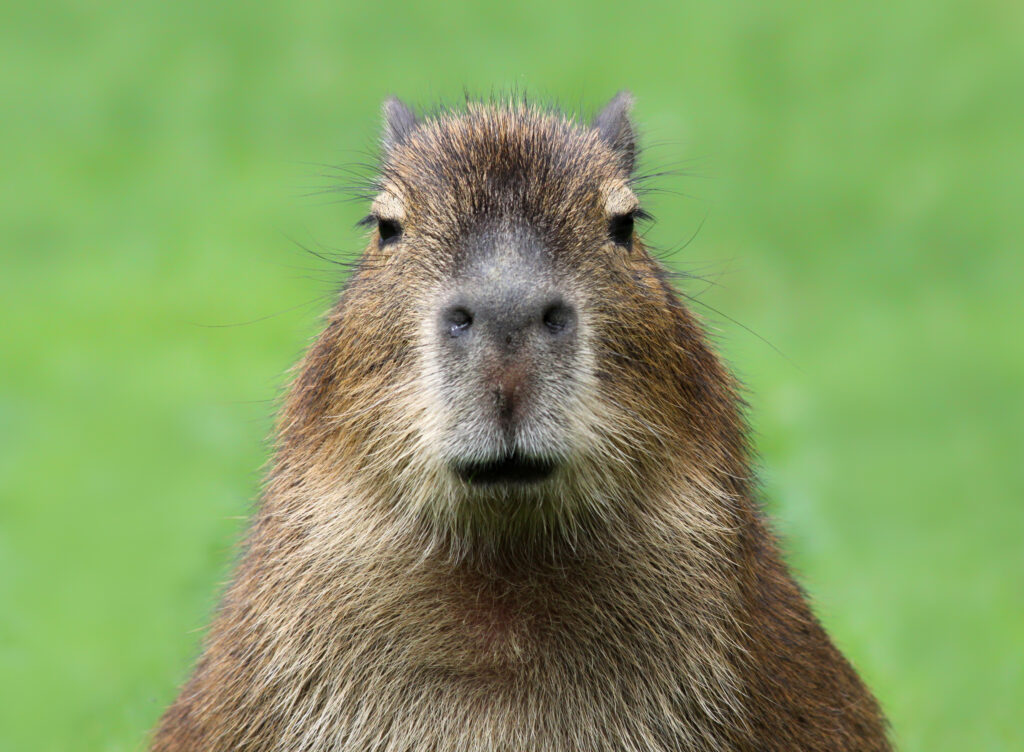
While direct private ownership of capybaras is largely prohibited in California, this doesn’t mean that enthusiasts must forgo all interaction with these remarkable creatures. The state’s regulations allow for specific, controlled environments where the public can learn about and appreciate capybaras, aligning with educational and conservation tourism goals.
Ethical Encounters: Where to See Capybaras
For those visiting or living in California who wish to see a capybara, the most ethical and legal avenues are through accredited zoos, wildlife parks, or educational sanctuaries. These institutions are specifically licensed by the CDFW and other federal agencies to possess and care for restricted animals for educational, scientific, or exhibition purposes.
Several reputable facilities in California and nearby regions might house capybaras, offering visitors a chance to observe them in environments designed to mimic their natural habitats while ensuring their welfare and public safety. Examples of such institutions might include the San Diego Zoo, the Los Angeles Zoo, or specialized animal sanctuaries. These visits are excellent “tourism activities,” providing valuable insights into animal conservation and the biology of exotic species, framed within a safe and educational context. It’s always advisable to check the specific animal exhibits of any zoo or sanctuary before visiting, as their animal populations can change.
The Myth of “Permits”: Understanding the Exceptions
While the CDFW does issue permits for restricted animals, these are not typically available for private pet ownership. Instead, permits are granted under very specific circumstances, primarily for:
- Zoological Parks and Exhibitions: Institutions with educational or conservation missions.
- Scientific Research: For accredited researchers studying wildlife.
- Animal Rehabilitation: For licensed facilities caring for injured or orphaned wildlife with the intent of release or placement in an approved facility.
- Wildlife Control: In rare instances, for specific pest management needs, though capybaras are not a native pest in California.
For the average individual, obtaining a permit to keep a capybara as a pet in California is virtually impossible. This distinction is crucial for managing expectations and promoting responsible engagement with exotic animals, serving as a critical “tip” for those seeking unique “local activities” related to wildlife.
Responsible Tourism and Wildlife Appreciation in California
California’s approach to exotic animals, including capybaras, reflects a broader commitment to environmental stewardship. For tourists and residents, this translates into a unique opportunity to engage with wildlife responsibly and contribute to conservation efforts.
Beyond Exotic Pets: Embracing California’s Native Wildlife
Instead of focusing on owning exotic animals, California encourages appreciation for its incredibly diverse native wildlife. From the majestic California condor soaring over mountains to sea otters playing along the coast, and various deer, bears, and bird species across its national parks and wilderness areas, the state offers unparalleled opportunities for wildlife viewing in natural settings. Embracing these experiences supports local ecosystems, conservation initiatives, and provides authentic “tourism experiences” that are both enriching and sustainable. Understanding the rarity of capybaras in California helps to highlight the importance of its indigenous fauna, which is a key part of its local culture and natural heritage.

Tips for Responsible Wildlife Engagement
For tourists and locals alike, engaging with wildlife in California comes with responsibilities. Here are some key tips for ensuring ethical and safe interactions:
- Observe from a Distance: Always maintain a respectful distance from wild animals to avoid disturbing them or putting yourself in danger.
- Never Feed Wildlife: Feeding wild animals can alter their natural behaviors, make them dependent on humans, and expose them to inappropriate foods.
- Stay on Marked Trails: This minimizes impact on sensitive habitats and reduces the chance of unexpected encounters with wildlife.
- Support Accredited Organizations: If you wish to see exotic animals, visit zoos and sanctuaries that prioritize animal welfare, conservation, and education. Avoid roadside attractions or individuals offering exotic animal encounters that seem questionable.
- Report Disturbances: If you witness someone harassing wildlife or find an injured animal, contact the CDFW or local animal control.
By following these guidelines, visitors can ensure their “tourism activities” are beneficial to both the environment and the animals, aligning with California’s deep-seated commitment to nature.
In conclusion, while the idea of owning a capybara in California might be appealing to some, the state’s robust regulatory framework largely prohibits it. This strict approach is a testament to California’s dedication to protecting its unique ecosystems, ensuring public safety, and upholding high standards of animal welfare. For those enchanted by these gentle giants, legal and ethical opportunities exist through accredited institutions. Ultimately, California invites both residents and visitors to appreciate its natural wonders responsibly, celebrating the wild beauty that makes it such a cherished destination, rather than seeking to introduce non-native species.
LifeOutOfTheBox is a participant in the Amazon Services LLC Associates Program, an affiliate advertising program designed to provide a means for sites to earn advertising fees by advertising and linking to Amazon.com. Amazon, the Amazon logo, AmazonSupply, and the AmazonSupply logo are trademarks of Amazon.com, Inc. or its affiliates. As an Amazon Associate we earn affiliate commissions from qualifying purchases.