
Florida, a state synonymous with sunshine, sandy beaches, and vibrant theme parks, draws millions of visitors each year. From the bustling streets of Miami to the serene wetlands of the Everglades, the Sunshine State offers a diverse array of attractions and experiences. However, like many warm and humid climates, Florida also shares its home with a variety of insects, including cockroaches. For travelers and residents alike, understanding the presence and potential impact of these unwelcome guests is part of navigating life in this popular destination.
This article delves into the commonality of cockroaches in Florida, exploring the factors that contribute to their prevalence, the different species you might encounter, and practical advice for managing their presence, especially for those planning a trip or a longer stay in the state. Whether you’re booking a stay at a luxury resort in Orlando or a cozy villa in the Florida Keys, knowing what to expect can enhance your travel experience.

Understanding the Florida Environment and Cockroach Habitats
Florida’s tropical and subtropical climate, characterized by high temperatures and abundant humidity year-round, creates an ideal breeding ground for many insect species, including cockroaches. These hardy creatures are well-adapted to thrive in such conditions, finding shelter and sustenance in a variety of environments.
Why Florida’s Climate Favors Cockroaches
The consistent warmth and moisture are key factors. Cockroaches are ectothermic, meaning their body temperature is regulated by their external environment. This allows them to remain active and reproduce more readily in warmer climates. Furthermore, the abundant rainfall and lush vegetation provide ample opportunities for them to find food and water sources, both outdoors and indoors.
- High Humidity: The constant dampness in the air is crucial for cockroach survival. It prevents them from dehydrating, especially during the drier periods that may occur even in Florida.
- Warm Temperatures: Florida rarely experiences freezing temperatures, which would naturally curb cockroach populations. The prolonged warm seasons allow for continuous breeding cycles.
- Abundant Greenery: The extensive natural landscapes, from forests to manicured gardens, offer natural habitats for many cockroach species. This includes areas near residential and tourist properties.
These environmental conditions mean that cockroaches are not an unusual sight in Florida; they are an integral part of the local ecosystem. This doesn’t necessarily mean your vacation will be overrun, but it’s a reality that pest management professionals regularly address.
Common Indoor and Outdoor Habitats
Cockroaches are adaptable and can be found in numerous locations, both within human dwellings and in natural outdoor settings. Understanding these typical habitats can help in anticipating their presence and taking preventive measures.
Indoor Havens
Inside homes, hotels, apartments, and other buildings, cockroaches seek out dark, warm, and moist areas. Kitchens and bathrooms are particularly attractive due to the availability of food crumbs, grease, and water sources.
- Kitchens: Under sinks, behind appliances (refrigerators, ovens, dishwashers), inside cabinets, and in pantry areas are common hiding spots. They are attracted to food scraps, spills, and even the small amounts of moisture found around the sink.
- Bathrooms: Similar to kitchens, bathrooms offer moisture from showers and sinks, as well as potential food sources like soap residue. Areas behind toilets, under vanities, and around plumbing are prime locations.
- Other Areas: Cockroaches can also be found in laundry rooms, basements, garages, and even in wall voids, especially where there are leaks or accumulated debris. In hotels and resorts, they may reside within the structural elements of the building, emerging at night.
Outdoor Sanctuaries
Outside, cockroaches are often found in damp, dark environments, especially in subtropical climates like Florida.
- Vegetation: Dense foliage, leaf litter, and mulch beds provide excellent hiding places and food sources.
- Moisture Sources: Areas around leaky pipes, downspouts, and overflowing gutters can attract them.
- Drains and Sewer Systems: These are natural highways for cockroaches, allowing them to travel between outdoor and indoor environments.
- Debris and Piles: Stacks of wood, discarded items, and general clutter in yards can create ideal habitats.
Understanding these common locations is crucial for both pest control efforts and for travelers to be aware of their surroundings, particularly in less meticulously maintained areas or during outdoor activities.
Key Cockroach Species Encountered in Florida
Florida is home to several cockroach species, but a few are more commonly encountered than others, especially around human dwellings. Each species has its own preferred habitat and behaviors, influencing where and how you might see them.
The German Cockroach: A Persistent Indoor Invader
The German cockroach is arguably the most common and problematic cockroach species found in homes and businesses across Florida, as well as globally. They are small, light brown, and have two dark stripes on their pronotum (the section behind the head).
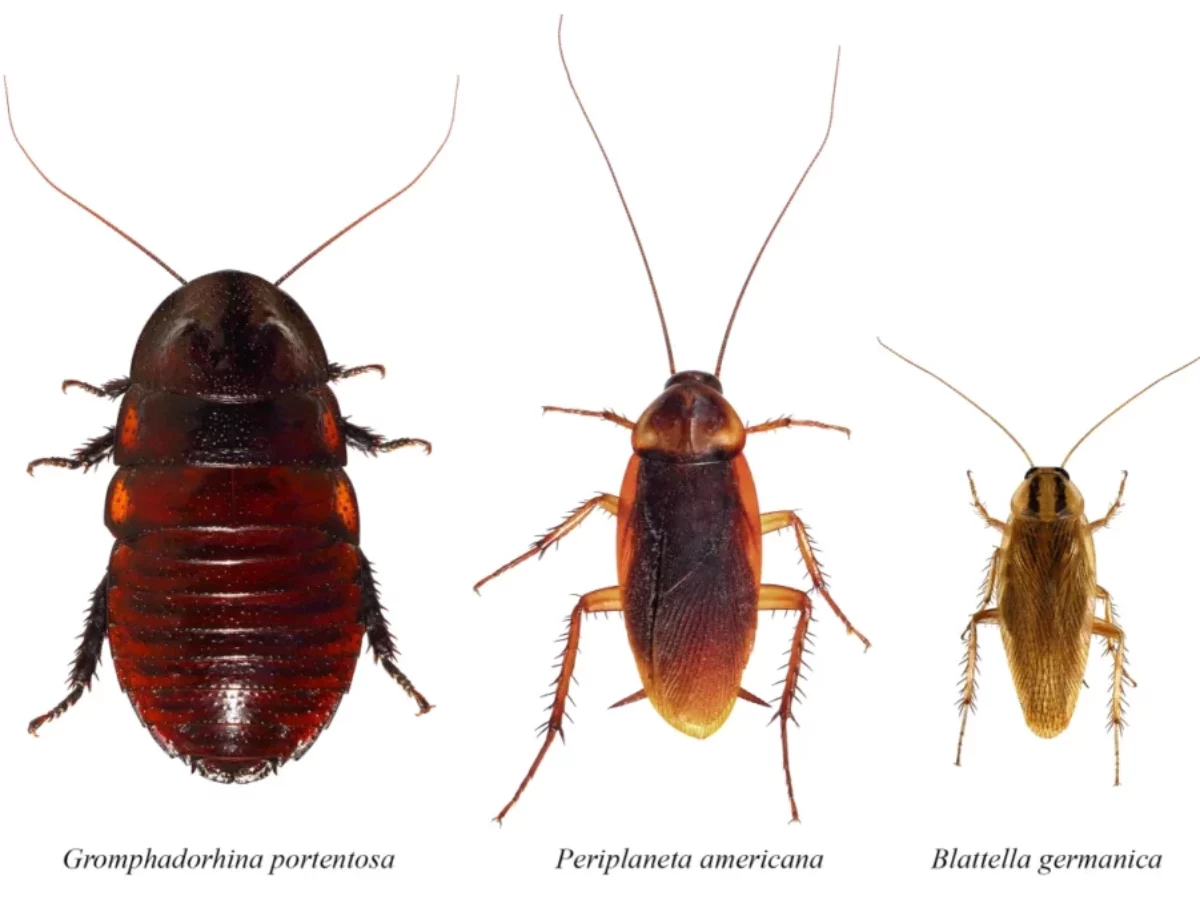
- Reproductive Prowess: German cockroaches are notorious for their rapid reproduction rates. A single female can produce hundreds of offspring in her lifetime, making infestations difficult to eradicate once established.
- Habitat Preferences: Unlike some other species that prefer to live outdoors, German cockroaches are primarily indoor pests. They thrive in warm, humid environments and are often found in kitchens, bathrooms, and other areas with access to food and water.
- Identification: They are about 0.5 to 0.6 inches long and are often seen scurrying across countertops, floors, or behind appliances. Their presence indoors is a strong indicator of an infestation.
The American Cockroach: The Large, Outdoorsy Type
The American cockroach is one of the largest cockroach species, often referred to as a “water bug” or “palmetto bug” in Florida. These reddish-brown insects can reach up to 1.5 inches in length and are capable of flight.
- Outdoor Leanings: While they can infest buildings, American cockroaches are more prone to living outdoors in damp, dark environments. They are commonly found in sewers, basements, crawl spaces, and around drains.
- Entry Points: They can enter homes through gaps in foundations, drains, or by being carried in on items. Their ability to fly allows them to traverse considerable distances.
- Signs of Presence: Seeing an American cockroach indoors, especially in lower levels of a building or near plumbing, is not uncommon in Florida. While a single sighting might not indicate an infestation, multiple sightings could suggest a problem.
Other Notable Species
While the German and American cockroaches are the most frequently encountered, other species also inhabit Florida and can sometimes venture into human spaces.
- Oriental Cockroach: These dark brown to black cockroaches prefer cooler, damper environments and are often found in basements, crawl spaces, and under debris. They are slower-moving than German or American cockroaches.
- Wood Cockroaches: Several species of wood cockroaches exist in Florida. They are typically found outdoors in decaying wood, under bark, or in moist leaf litter. Some species, like the brown-banded cockroach, are more of a nuisance when they accidentally enter homes.
Understanding which species you might be dealing with can inform the most effective eradication strategies. However, for most visitors and residents, the general presence of cockroaches in Florida is a more pressing concern than differentiating between species.
Managing Cockroaches: Tips for Travelers and Residents
The presence of cockroaches in Florida is a fact of life, but it doesn’t have to detract from your experience. Whether you’re planning a short vacation or considering a long-term stay, there are practical steps you can take to minimize encounters and manage their presence effectively. This advice is beneficial for anyone staying in hotels, apartments, or private residences.
For Travelers: Ensuring a Comfortable Stay
When booking accommodation, whether it’s a suite in a luxury resort, a budget-friendly hotel, or a private villa, a few precautions can help ensure a pest-free stay.
- Choose Reputable Accommodations: Stick to well-maintained hotels, resorts, and rental properties known for their cleanliness standards. Reading recent reviews can often provide insights into any recurring pest issues. Websites offering booking and comparison services are invaluable for this research.
- Inspect Your Room Upon Arrival: Before fully settling in, take a quick look around your hotel room or rental. Check under sinks, behind furniture, and around bathroom fixtures. If you notice any signs of cockroaches, don’t hesitate to contact the management immediately to request a room change.
- Keep Food Secure: Even in a hotel, avoid leaving food items exposed. Store snacks in sealed containers or bags, and ensure all food wrappers are disposed of properly. Avoid eating in the bedroom if possible.
- Minimize Water Sources: Wipe up any spills promptly, and ensure bathroom surfaces are dried after use. Even small amounts of water can attract cockroaches.
- Utilize Luggage Storage: Keep your luggage off the floor and away from walls if possible. This can help prevent cockroaches from crawling into your belongings.
By being observant and proactive, travelers can significantly reduce the likelihood of unwelcome encounters with cockroaches during their stay in Florida.
For Residents and Long-Term Visitors: Effective Prevention and Control
For those living in Florida or planning an extended stay, a more comprehensive approach to cockroach management is essential. This involves regular maintenance and targeted control measures.
Maintaining a Roach-Resistant Home Environment
Preventing cockroaches from entering and establishing themselves in your home is the most effective long-term strategy.
- Seal Entry Points: Inspect your home for cracks and crevices in walls, foundations, and around pipes. Seal these openings with caulk or other appropriate materials. Ensure window screens are intact.
- Manage Food and Water Sources:
- Kitchen Cleanliness: Keep kitchen surfaces clean and free of crumbs and spills. Wash dishes immediately after use. Store food in airtight containers. Regularly clean under and behind appliances.
- Waste Management: Use trash cans with tight-fitting lids and empty them regularly.
- Moisture Control: Fix any leaky pipes or faucets promptly. Ensure bathrooms are well-ventilated to reduce humidity.
- Regular Cleaning and Decluttering: Vacuum and mop floors regularly. Reduce clutter, especially in areas like garages, basements, and pantries, as these provide hiding places for cockroaches.
- Outdoor Maintenance: Keep yard waste, debris, and piles of wood away from the house. Trim bushes and trees so they don’t touch the exterior walls.

Control Methods and Professional Assistance
Despite best efforts, cockroaches can still find their way into homes. When this happens, various control methods are available.
- Baits and Traps: Cockroach baits are highly effective as they are designed to be ingested by the roaches and then spread through the colony. Gel baits are particularly useful for targeting specific hiding spots. Sticky traps can also help monitor population levels and identify areas of activity.
- Insecticides: Over-the-counter and professional-grade insecticides can be used, but it’s important to follow label instructions carefully to ensure safety and effectiveness. Targeted application in cracks, crevices, and known harborage areas is usually recommended.
- Professional Pest Control: For persistent or severe infestations, engaging a professional pest control service is often the most effective solution. Professionals have access to a wider range of treatments and the expertise to identify and eliminate the source of the infestation. They can also provide ongoing prevention plans.
By implementing these strategies, both travelers and residents can significantly mitigate the impact of cockroaches in Florida, allowing for a more enjoyable and comfortable experience in this beautiful state.
LifeOutOfTheBox is a participant in the Amazon Services LLC Associates Program, an affiliate advertising program designed to provide a means for sites to earn advertising fees by advertising and linking to Amazon.com. Amazon, the Amazon logo, AmazonSupply, and the AmazonSupply logo are trademarks of Amazon.com, Inc. or its affiliates. As an Amazon Associate we earn affiliate commissions from qualifying purchases.