
When considering a visit to a university, whether for academic pursuits, alumni events, or simply as a curious traveler, understanding its fundamental identity is often the first step. For many, the question arises: is Texas A&M University public or private? The answer is definitive and central to its enduring legacy: Texas A&M University is a proudly public institution, a cornerstone of higher education in the United States and a vibrant hub of innovation, culture, and Texan spirit. This status not only shapes its academic mission and accessibility but also profoundly influences the experience of visiting its expansive campus in College Station, Texas.

As a public university, Texas A&M operates under the umbrella of the State of Texas, receiving state funding and adhering to a mission focused on public service, research, and education for the citizens of Texas and beyond. This distinction is crucial for prospective students due to its impact on tuition fees and scholarships, making quality education more accessible. For travelers, it means an institution deeply integrated into the state’s fabric, offering a rich tapestry of history, traditions, and community engagement that is welcoming and open to all. From its iconic sporting events to its world-class museums and sprawling green spaces, Texas A&M University provides a unique blend of academic gravitas and spirited Texan hospitality, making it a destination worth exploring.
The Public Heart of Texas Higher Education
Texas A&M University’s public status is not merely an administrative detail; it is the very foundation upon which its reputation and influence have been built. Established in 1876, it holds the distinction of being the first public institution of higher education in Texas, initially as the Agricultural and Mechanical College of Texas. This historical context as a land-grant institution underscores its commitment to practical education, research, and outreach that directly benefits the public good, a mission that continues to define its operations today.
A Legacy of Service and Innovation
The history of Texas A&M is deeply intertwined with the development of the state of Texas. Its designation as a land-grant university under the Morrill Act of 1862 set it apart, mandating that it focus on agriculture, mechanical arts, and military tactics. This commitment to practical, accessible education for the working classes was revolutionary at the time and continues to inform its diverse academic offerings, from engineering and agriculture to veterinary medicine and oceanography. Unlike private universities, which often rely heavily on endowments and tuition, Texas A&M’s public funding ensures its research and educational advancements are geared towards solving societal challenges and contributing to economic development, rather than being solely driven by private interests.
Over the decades, Texas A&M University has evolved into a global leader in various fields, contributing significantly to advancements in space exploration, medical research, and energy. Its faculty and alumni have pioneered countless innovations, reflecting its enduring commitment to pushing the boundaries of knowledge for the benefit of all. This public service ethos extends beyond the classroom and laboratory, permeating the university’s vibrant campus culture, which champions values such as integrity, leadership, and selfless service—core tenets that resonate deeply with its public mission.
Funding and Affordability for Students
The public nature of Texas A&M University directly translates into a more affordable and accessible education for a broader spectrum of students. While tuition fees at any major university can be substantial, public institutions typically offer lower in-state tuition rates compared to their private counterparts. This financial advantage makes a world-class education within reach for many Texas residents who might otherwise find such opportunities prohibitive.
Furthermore, state appropriations support a wide array of academic programs, faculty salaries, and campus infrastructure, reducing the reliance on student tuition to cover operational costs. This public investment helps maintain high academic standards, foster cutting-edge research, and provide extensive student support services, all while striving to keep education accessible. For out-of-state and international students, while tuition rates are higher than for in-state residents, the overall cost often remains competitive when compared to elite private universities. This commitment to accessibility ensures that Texas A&M continues to attract a diverse student body, enriching the campus environment and reinforcing its role as a key driver of social mobility and economic opportunity within Texas.
Exploring College Station and Beyond: A Visitor’s Guide
Visiting Texas A&M University is an experience in itself, offering a blend of historical reverence, vibrant campus life, and genuine Texan hospitality. College Station, the university’s home, is a dynamic city that pulsates with the energy of the Aggie community, making it a compelling destination for travelers beyond just prospective students and alumni.
Immersive Campus Experiences
The Texas A&M University campus is a sprawling landscape of architectural beauty, modern facilities, and revered landmarks, each telling a piece of the Aggie story. A visit often begins with an awe-inspiring glimpse of Kyle Field, one of the largest and most iconic college football stadiums in the United States. Even outside of game days, its sheer scale and historical significance make it a must-see landmark, often available for guided tours that delve into the traditions of the “12th Man.”
Another poignant and historically significant site is the Bonfire Memorial. This beautifully designed memorial honors the twelve Aggies who lost their lives in the 1999 Bonfire collapse, serving as a solemn reminder of the Aggie spirit of camaraderie and remembrance. The nearby George Bush Presidential Library and Museum offers a fascinating journey through the life and public service of the 41st U.S. President, George H.W. Bush. Its exhibits cover his military service, political career, and the critical events of his presidency, providing an enriching experience for history buffs and casual visitors alike. The museum also houses a replica of the Oval Office and a section dedicated to First Lady Barbara Bush, making it a comprehensive cultural attraction.
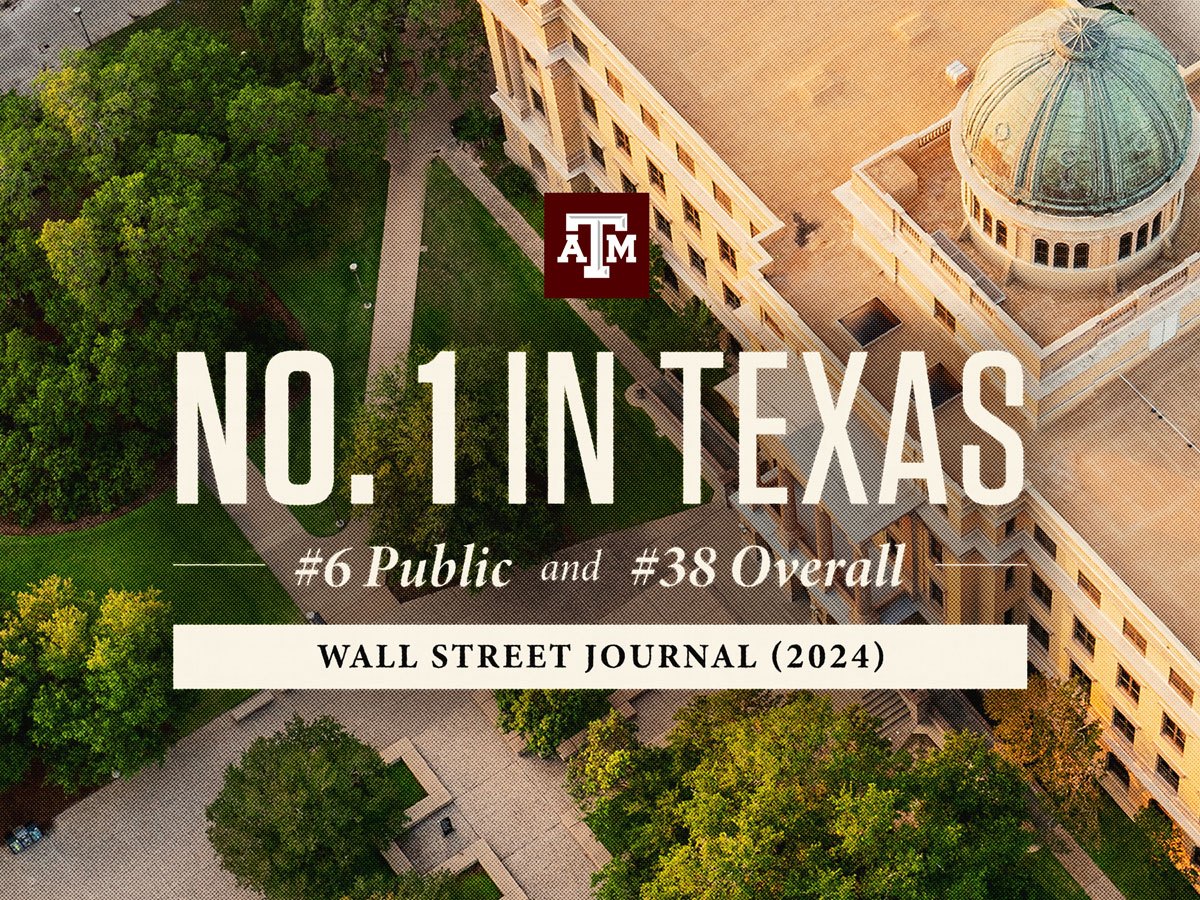
Beyond these major landmarks, visitors can explore the Academic Building with its distinctive dome, stroll through the picturesque central campus, or visit the Alumni Center to learn more about the extensive and fiercely loyal Aggie Network. The Aggie Ring tradition, a symbol of academic achievement and connection to the university, is an integral part of the culture, and learning about its significance adds another layer to the visitor experience. Many campus departments and colleges also host open houses, lectures, and exhibitions that are accessible to the public, offering a glimpse into the diverse academic pursuits that define Texas A&M.
Sporting Events and Local Culture
For many, the pinnacle of the Texas A&M experience revolves around its electrifying sporting events. As a member of the Southeastern Conference (SEC), Aggie football games are legendary, drawing tens of thousands of passionate fans to Kyle Field. The atmosphere on game day is unparalleled, characterized by spirited tailgating, the resounding chants of the Aggie War Hymn, and the unified support of the “12th Man.” Attending a game is an unforgettable cultural immersion, showcasing the profound loyalty and tradition that define the university. Beyond football, Texas A&M boasts highly competitive teams in basketball, baseball, soccer, and other sports, providing year-round entertainment for sports enthusiasts.
The local culture in College Station extends beyond sports, offering a blend of small-town charm with big-university amenities. The city boasts a growing culinary scene, from classic Texan barbecue joints and steakhouses to diverse international cuisine, catering to all tastes and budgets. Local breweries and wine bars provide lively spots for evening entertainment, while shopping districts offer unique boutiques and artisan crafts. Throughout the year, College Station hosts various festivals, concerts, and community events that reflect its vibrant spirit and strong sense of community, ensuring there’s always something engaging for visitors to discover.
Accommodation and Lifestyle in Aggieland
Planning a visit to Texas A&M University and College Station involves considering where to stay and how to best experience the local lifestyle. The area offers a wide range of accommodation options to suit different preferences and budgets, ensuring a comfortable and convenient stay for all travelers.
Where to Stay: Hotels, Suites, and More
College Station and its sister city, Bryan, offer a comprehensive selection of lodging choices. For those seeking proximity to campus and modern amenities, several well-known hotel chains have a strong presence. The Marriott at Texas A&M is a popular choice, offering direct access to university facilities and a high level of comfort for business travelers, alumni, and prospective student families. Similarly, the Hilton College Station and the Hyatt Place College Station provide reliable services, spacious rooms, and often include amenities like swimming pools, fitness centers, and complimentary breakfast.
For a more boutique or luxurious experience, establishments like The Stella Hotel, Autograph Collection, offer a sophisticated ambiance, upscale dining, and resort-style amenities, perfect for those seeking a premium stay. Cavalry Court and The George are other notable options within the Century Square development, providing stylish accommodations, unique design, and easy access to shopping and entertainment.
Travelers on a budget or those planning an extended stay will find numerous suite-style hotels like Hawthorn Suites by Wyndham and Embassy Suites by Hilton, which offer kitchenettes and separate living areas, ideal for families or longer visits. Additionally, independent hotels and bed-and-breakfasts in Bryan provide a charming alternative, often with a more personalized touch and a glimpse into the local history. During peak times, especially football weekends, graduations, and other major university events, booking accommodations well in advance is highly recommended, as the demand for rooms can be incredibly high.
Dining and Entertainment: A Taste of Texas Hospitality
The culinary landscape of College Station and Bryan is as diverse as the community itself, reflecting a blend of traditional Texan flavors and contemporary dining trends. No visit to Texas would be complete without indulging in authentic barbecue, and local favorites offer smoky brisket, ribs, and sausage that are truly representative of the state’s culinary heritage. Tex-Mex restaurants are also abundant, serving up spicy enchiladas, sizzling fajitas, and refreshing margaritas that capture the vibrant fusion of Mexican and Texan cuisine.
Beyond these regional staples, visitors can explore a variety of international eateries, farm-to-table restaurants, and casual cafes. For a more upscale dining experience, many of the luxury hotels feature acclaimed restaurants, while the Century Square development offers a cluster of trendy dining spots. The local nightlife scene caters to university students and professionals alike, with sports bars, live music venues, and breweries providing ample options for evening entertainment.
For families, there are numerous parks, recreational facilities, and family-friendly attractions, including local movie theaters and entertainment centers. The blend of a vibrant university town with the laid-back charm of Texas hospitality makes College Station a welcoming and enjoyable destination for all types of travelers, offering a genuine taste of life in Aggieland.
Planning Your Trip to Texas A&M: Tips for Every Traveler
A successful trip to Texas A&M University involves thoughtful planning, especially concerning the timing of your visit and how you’ll navigate the area. Considering the university’s public status and its role as a major educational and cultural hub, certain periods can be bustling, while others offer a more serene experience.
Best Times to Visit
The ideal time to visit Texas A&M University largely depends on the purpose of your trip.
- For prospective students: Fall and spring semesters offer the most vibrant campus life, with classes in session and a full calendar of academic and student events. Weekday visits are excellent for campus tours, departmental visits, and getting a true feel for the university’s daily rhythm.
- For sports fans: Fall is synonymous with college football. Attending an Aggie game at Kyle Field is an iconic experience, but it also means significantly higher hotel prices and crowded conditions. Booking months in advance is essential. Spring brings baseball and track events, offering a more relaxed sporting atmosphere.
- For alumni and general tourists: The shoulder seasons—late spring (April-May) and early fall (September-October, excluding major game weekends)—can be excellent. The weather is generally pleasant, and the campus is still active but less hectic than during major event weekends. Summers (June-August) can be very hot, though campus activities continue with summer classes and conferences. Winter breaks around the holidays see a quieter campus, which can be ideal for a more reflective visit to the museums and memorials. Graduation periods (May and December) are another peak time, with high demand for accommodations and dining.

Getting There and Around
College Station is conveniently located in central Texas, making it accessible from major metropolitan areas.
- By Air: The most direct way to fly in is via Easterwood Airport (CLL), which offers regional flights, primarily connecting through Dallas/Fort Worth International Airport (DFW) or Houston’s George Bush Intercontinental Airport (IAH). For a wider range of flight options and potentially lower fares, many visitors choose to fly into IAH or Houston Hobby Airport (HOU) and then drive approximately 1.5 to 2 hours to College Station. Similarly, Austin-Bergstrom International Airport (AUS) is about a 2-hour drive.
- By Car: Driving is a popular option, especially for those coming from nearby cities like Houston, Dallas, Austin, or San Antonio. College Station is well-connected by state highways, and having a car offers the most flexibility for exploring the campus and surrounding areas at your own pace.
- Getting Around: Once in College Station, the campus itself is quite expansive, but a free bus system operated by Texas A&M Transportation Services serves both the university and parts of the city. Ride-sharing services like Uber and Lyft are readily available, and taxis can be found. Many hotels offer shuttle services to and from the airport or campus during major events. Walking and biking are also viable options for exploring specific areas, especially around the core campus.
In conclusion, Texas A&M University’s identity as a public institution is integral to its character, its mission, and its appeal as a destination. It’s a place where academic excellence meets profound tradition, offering an enriching experience for students and travelers alike. From its historical landmarks and vibrant campus life to its warm Texan hospitality, College Station and Texas A&M truly embody the spirit of a world-class public university.
LifeOutOfTheBox is a participant in the Amazon Services LLC Associates Program, an affiliate advertising program designed to provide a means for sites to earn advertising fees by advertising and linking to Amazon.com. Amazon, the Amazon logo, AmazonSupply, and the AmazonSupply logo are trademarks of Amazon.com, Inc. or its affiliates. As an Amazon Associate we earn affiliate commissions from qualifying purchases.