
Navigating the rental landscape in California can feel like exploring a new city without a map. While the Golden State offers incredible destinations, from the sunny beaches of Malibu to the vibrant streets of San Francisco, understanding tenant rights is crucial for both renters and property owners. This guide delves into what a landlord absolutely cannot do in California in 2024, empowering tenants with knowledge and ensuring landlords operate within the bounds of the law.
The relationship between a landlord and a tenant is governed by a complex web of state and local regulations. These laws are designed to protect tenants from unfair practices and ensure safe, habitable living conditions, while also outlining the responsibilities of renters. For anyone considering a long-term stay in a California apartment, villa, or resort suite, grasping these limitations is paramount. It’s about fostering a fair and respectful tenancy, much like planning a memorable family trip or a successful business stay requires understanding local customs and guidelines.
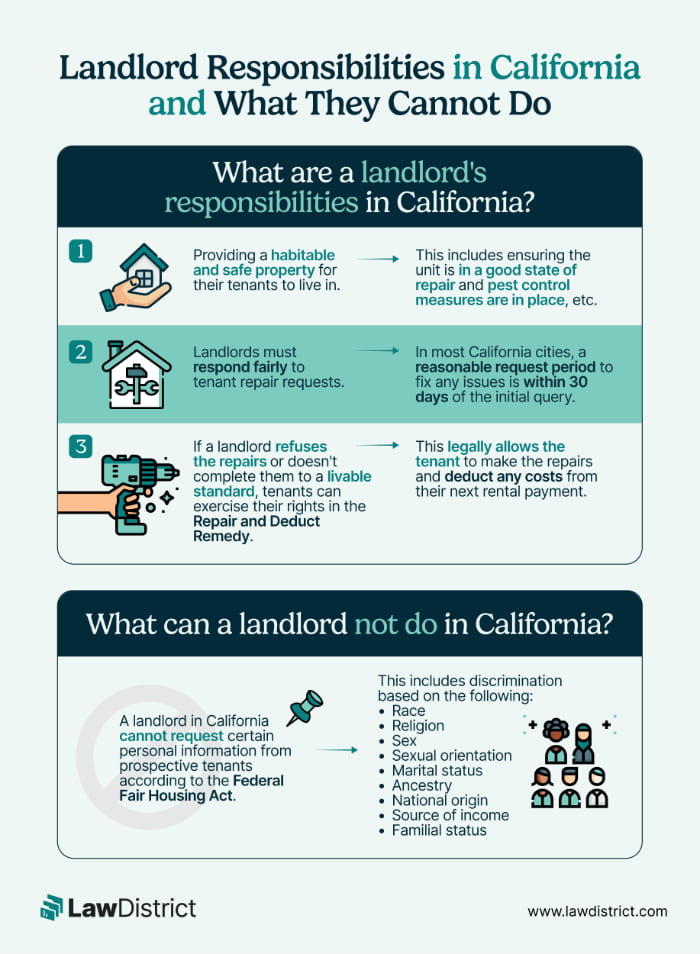
Prohibited Landlord Actions: Ensuring Tenant Rights
In California, landlords have a legal duty to respect their tenants’ rights. Certain actions are strictly prohibited, and violations can lead to legal repercussions for the landlord. Understanding these prohibitions is vital for anyone renting a property, whether it’s a luxury resort apartment or a simple rental unit.
Unlawful Entry and Eviction
One of the most fundamental rights a tenant possesses is the right to privacy and quiet enjoyment of their rented space. A landlord cannot simply enter a rental unit whenever they please.
- Notice Requirements: In California, landlords are generally required to provide tenants with reasonable written notice before entering a rental unit for non-emergency reasons. This notice period is typically 24 hours, though specific circumstances or lease agreements might stipulate otherwise. The notice must state the purpose of the entry and a reasonable time for the entry. This allows tenants to prepare for the visit, whether it’s for repairs, showings to prospective renters or buyers, or inspections.
- Emergency Exceptions: There are exceptions to the notice rule, primarily in cases of emergencies. If there is a genuine threat to life, health, or property, such as a fire, flood, or gas leak, a landlord can enter the unit without prior notice. However, the landlord must have a reasonable belief that an emergency exists.
- Harassment: Landlords cannot use the right to enter as a means of harassment. Repeatedly entering the unit without a valid reason or with insufficient notice can be considered harassment, infringing upon the tenant’s right to peaceful occupancy.
When it comes to eviction, the process is also heavily regulated. A landlord cannot simply tell a tenant to leave without following a specific legal procedure.
- Proper Eviction Process: To evict a tenant, a landlord must have legal grounds, such as non-payment of rent, violation of lease terms, or the end of a lease term. They must then serve the tenant with a formal written notice, such as a “Notice to Pay Rent or Quit” or a “Notice to Cure or Quit,” depending on the reason for eviction. If the tenant does not comply with the notice, the landlord must then file an unlawful detainer lawsuit with the court. Only a court order can authorize an eviction.
- Self-Help Evictions are Illegal: A landlord cannot resort to “self-help” eviction tactics. This includes changing the locks, shutting off utilities, removing the tenant’s belongings, or physically forcing the tenant out of the property. These actions are illegal and can result in significant penalties for the landlord.
Discrimination
The Fair Housing Act, both at the federal and state levels in California, prohibits discrimination in housing. Landlords cannot discriminate against potential or current tenants based on certain protected characteristics.
- Protected Classes: These protected classes include race, color, religion, national origin, sex, gender identity, sexual orientation, familial status (having children), disability, marital status, ancestry, and source of income.
- Prohibited Practices: This means a landlord cannot refuse to rent to someone, set different terms or conditions for tenancy, or harass a tenant because they belong to one of these protected groups. For instance, a landlord cannot refuse to rent an apartment in Los Angeles to a family with children, or charge a higher rent to someone based on their religion. This applies to various accommodation types, from hotel suites to long-term rental villas.
Rent Increases and Fees
While landlords have the right to increase rent, California law, particularly in certain rent-controlled cities, imposes restrictions on how much and how often rent can be raised.
- Rent Control Ordinances: Many cities in California, such as Los Angeles, San Francisco, and Oakland, have rent control ordinances that limit the amount by which rent can be increased annually for certain types of properties. The Tenant Protection Act of 2019 (AB 1482) also provides statewide rent increase caps for many properties not covered by local rent control. Landlords must adhere to these limits.
- Improper Fees: Landlords also cannot charge arbitrary or excessive fees. Fees for services not rendered, excessive late fees, or fees that are not disclosed in the lease agreement are generally prohibited. All fees should be clearly outlined in the lease.
Retaliation
A landlord cannot retaliate against a tenant for exercising their legal rights. This is a crucial protection for tenants.
- Protected Tenant Actions: Tenant actions that can trigger protection against retaliation include:
- Reporting a landlord to a government agency for code violations.
- Requesting repairs for uninhabitable conditions.
- Organizing or joining a tenant union.
- Exercising their right to terminate a lease under certain circumstances.
- Prohibited Landlord Actions: If a tenant engages in any of these protected activities, a landlord cannot subsequently:
- Increase rent.
- Decrease services.
- File an eviction lawsuit.
- Terminate a tenancy.
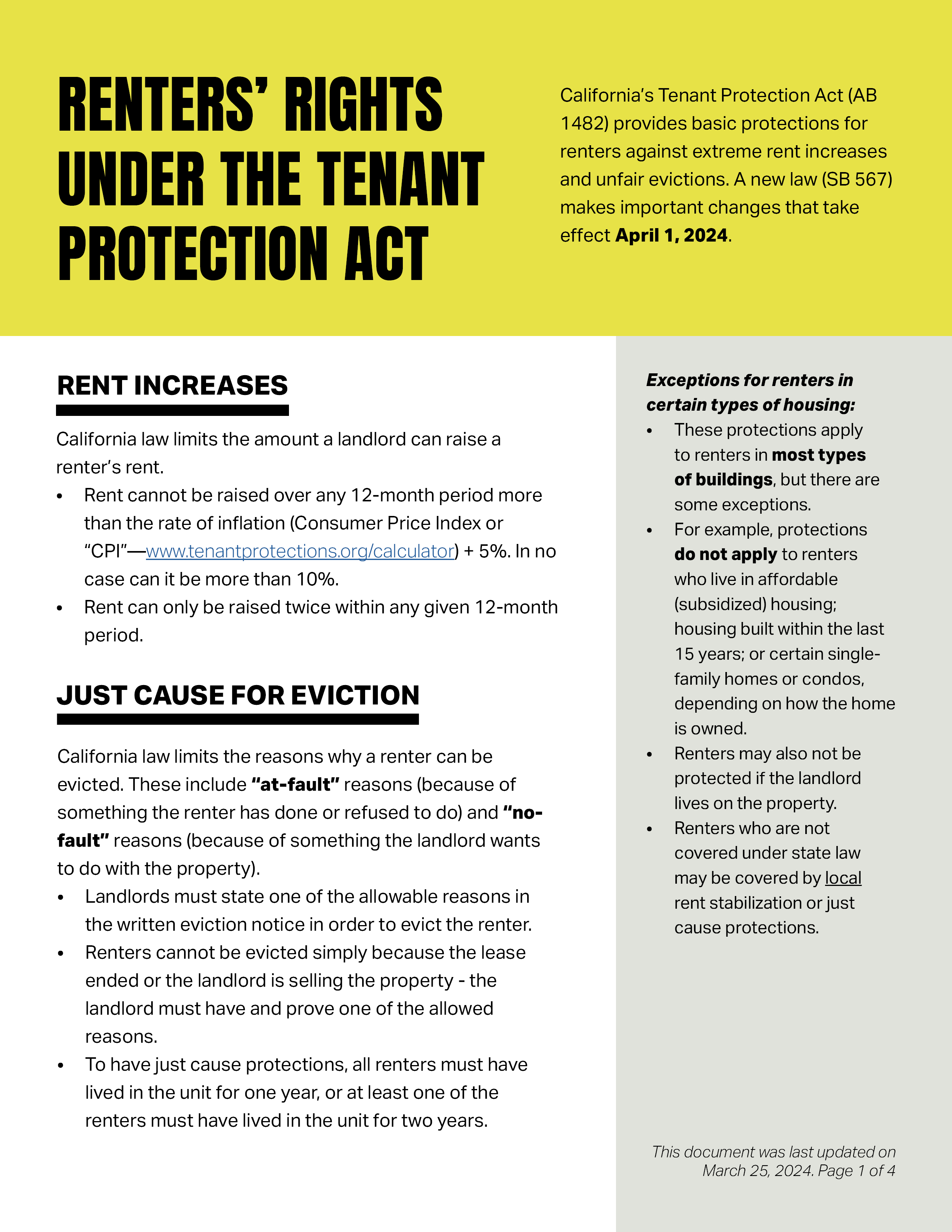
Any such action taken by a landlord within a certain period (often 180 days) after the tenant’s protected action is presumed to be retaliatory, unless the landlord can prove otherwise with legitimate, non-retaliatory reasons.
Landlord Responsibilities: Ensuring Livable Conditions
Beyond what landlords cannot do, they also have affirmative responsibilities to ensure their properties are safe and habitable. This is a core tenet of landlord-tenant law, ensuring that accommodations, whether for a short tourist stay or a long-term residency, meet a certain standard.
Maintaining Habitable Conditions
Landlords are legally obligated to maintain their rental properties in a condition fit for human occupancy. This is known as the “implied warranty of habitability.”
- Essential Services: This includes ensuring that the property has:
- Effective waterproofing and weather protection (roof, walls, windows).
- Adequate plumbing, gas, and electrical systems in good working order.
- A working heating system that provides adequate heat.
- Hot and cold running water.
- Sanitation facilities, including a toilet, sink, and shower or bathtub, in good working order.
- Free from pests like rodents and insects, unless the infestation is caused by the tenant.
- A secure lock on all doors and windows.
- Access to trash receptacles.
- Prompt Repairs: Landlords must make necessary repairs to keep the property in habitable condition promptly after receiving notice from the tenant. Failure to do so can give the tenant legal recourse, such as the right to repair and deduct the cost from rent or to break the lease without penalty. This is as important for a luxury resort as it is for a modest apartment.
Disclosure Requirements
California law also mandates that landlords disclose certain information to tenants.
- Lead-Based Paint: For properties built before 1978, landlords must disclose the presence of known lead-based paint hazards and provide tenants with an EPA-approved pamphlet on lead poisoning prevention.
- Pest Infestations: If a property has had a pest infestation (such as rodents or insects) within the last four inspections or if the landlord knows of pest problems, they may need to disclose this.
- Mold: While not always a mandatory disclosure in every instance, landlords have a duty to address significant mold issues that affect habitability.
- Shared Utility Meters: If utilities are shared between units, landlords often have disclosure obligations regarding how these costs are allocated.
Seeking Assistance and Understanding Your Rights
For tenants, understanding these rights and landlord limitations is the first step to a positive rental experience. California provides several avenues for tenants to seek information and assistance.
Tenant Rights Organizations and Legal Aid
Numerous non-profit organizations and legal aid societies throughout California offer free or low-cost assistance to tenants facing housing issues. These groups can provide:
- Legal Advice: Attorneys specializing in landlord-tenant law can offer guidance on specific situations.
- Information: They can help tenants understand their rights and responsibilities under California law.
- Advocacy: In some cases, they can represent tenants in disputes or negotiations with landlords.
- Resources: Many websites and helplines are dedicated to providing tenant resources, similar to how travel websites offer guides for different destinations and attractions.
Government Agencies
Local and state housing authorities can also be valuable resources. They often enforce building codes and housing standards, and can investigate complaints about unsafe or unhealthy living conditions.

The Lease Agreement
The lease agreement itself is a critical document. While landlords cannot violate California law, the lease outlines the specific terms of the tenancy. Tenants should read their lease carefully before signing and ensure they understand all clauses, especially those pertaining to rent, repairs, and landlord access. A well-understood lease, much like a detailed travel itinerary, sets clear expectations.
In conclusion, California has robust tenant protection laws in place for 2024. Landlords are prohibited from engaging in discriminatory practices, unlawful entry or eviction, and retaliatory actions. They are also legally bound to maintain habitable living conditions and make necessary repairs. By being informed about these rights and responsibilities, tenants can navigate their rental journey with confidence, ensuring their accommodation, whether a simple apartment or a luxury villa, is a safe and secure home. This knowledge empowers renters, fostering a more equitable and respectful rental market across the state, from the bustling urban centers to the serene coastal resorts.
LifeOutOfTheBox is a participant in the Amazon Services LLC Associates Program, an affiliate advertising program designed to provide a means for sites to earn advertising fees by advertising and linking to Amazon.com. Amazon, the Amazon logo, AmazonSupply, and the AmazonSupply logo are trademarks of Amazon.com, Inc. or its affiliates. As an Amazon Associate we earn affiliate commissions from qualifying purchases.