
The shimmering waters and lush landscapes of Florida evoke images of pristine beaches, vibrant cities, and abundant wildlife. Most visitors and even many residents are familiar with the state’s iconic reptile, the alligator, often seen basking by canals or golf course ponds. However, a lesser-known but equally fascinating truth often surprises travelers: Florida is also home to a thriving population of American Crocodiles. Far from the common misconception that these formidable reptiles are solely creatures of distant, exotic lands, they represent a unique and integral part of the Sunshine State’s delicate ecosystem.
For those planning their next adventure or seeking unique experiences, understanding this remarkable facet of Florida’s natural heritage is key. This article delves into where these creatures reside, how they differ from their famous alligator cousins, the critical conservation efforts that have helped them rebound, and how visitors can responsibly observe them. From exploring breathtaking landmarks like Everglades National Park to understanding the nuances of local tourism and responsible wildlife viewing, embarking on a quest to learn about Florida’s crocodiles promises an enriching journey into one of North America’s most biodiverse regions. Whether you’re considering luxury travel with guided tours or a more budget travel approach to discovering nature, the story of Florida’s crocodiles is compelling.

The Intriguing Presence of Crocodiles in the Sunshine State
While alligators are ubiquitous across much of the southeastern United States, the American Crocodile’s habitat is much more restricted. Florida is the only state in the U.S. where both species coexist naturally, a fact that contributes to the confusion but also highlights the state’s incredible ecological diversity. These ancient reptiles thrive in specific, often remote, areas of South Florida, providing a fascinating draw for wildlife enthusiasts and intrepid travelers alike. Understanding their preferred habitats and unique characteristics is the first step in appreciating their presence.
Where to Find American Crocodiles in Florida
The American Crocodile (Crocodylus acutus) prefers saline or brackish water environments, distinguishing them ecologically from the freshwater-loving alligator. This preference largely dictates their distribution in Florida, confining them to coastal regions, mangrove forests, and saltwater estuaries. The epicenter of their population in the U.S. is the southern tip of the Florida peninsula.
One of the prime destinations for crocodile spotting is Everglades National Park. The park’s vast network of brackish canals, coastal areas, and mangrove swamps provides an ideal home for these reptiles. Specifically, the Flamingo area, located at the park’s southern end, is well-known for crocodile sightings. This area, with its blend of saltwater and freshwater, supports a rich diversity of wildlife, making it a popular spot for tourism and wildlife viewing.
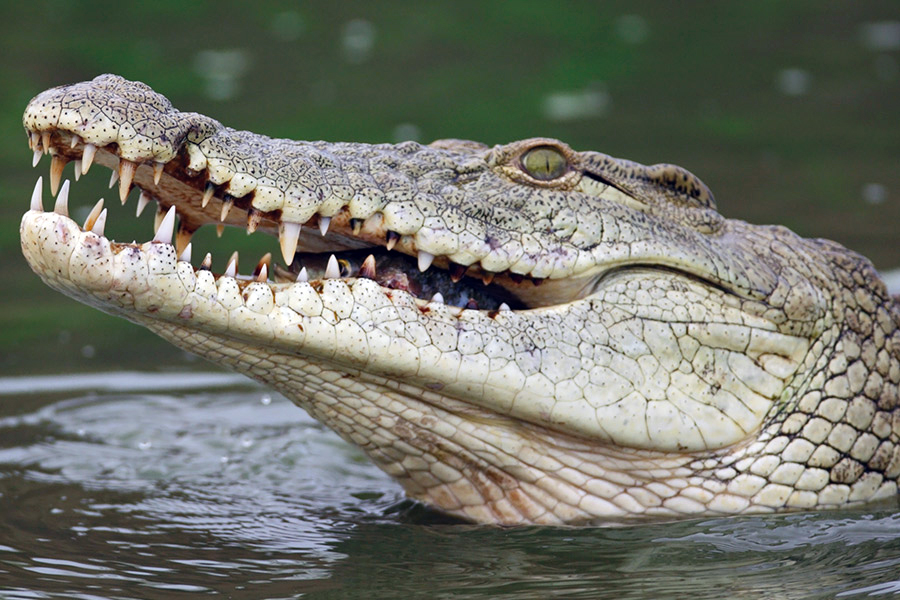
Further east, Biscayne National Park, which primarily consists of water and islands in Biscayne Bay, also harbors a significant crocodile population. The park’s extensive mangrove shorelines offer perfect nesting and foraging grounds. The Florida Keys, particularly the upper Keys like Key Largo, are another stronghold. Areas around the Florida Power & Light Turkey Point Nuclear Generating Station near Homestead have also become known for significant crocodile populations, due to the cooling canals providing suitable habitat. These specific landmarks and natural habitats are crucial for the species’ survival and offer unique opportunities for visitors.
Distinguishing Crocodiles from Alligators
For the uninitiated, telling the difference between a crocodile and an alligator can be challenging, but there are several key indicators that can help curious observers:
- Snout Shape: Perhaps the most obvious difference is the snout. American Crocodiles have a narrower, more pointed, V-shaped snout, whereas alligators possess a broader, rounded, U-shaped snout.
- Teeth: When a crocodile’s mouth is closed, its fourth tooth on the lower jaw is visible, protruding over the upper lip. This is a distinctive feature not seen in alligators, whose upper jaw completely conceals their lower teeth when their mouth is shut.
- Color: Crocodiles generally have a lighter, grayish-green or tan coloration, which helps them blend into their coastal environments. Alligators tend to be darker, often a deep gray or black.
- Habitat: As mentioned, crocodiles prefer brackish or saltwater environments, while alligators are predominantly found in freshwater habitats like rivers, lakes, and swamps. While there can be overlap, their primary preferences remain distinct.
- Size: Adult American Crocodiles can grow quite large, with males reaching up to 15-20 feet, though most seen in Florida are smaller. They often appear more streamlined than their bulkier alligator counterparts.
Understanding these distinctions not only satisfies curiosity but also enhances the travel experience for those embarking on wildlife tours or simply exploring Florida’s natural beauty.
A Glimpse into Florida’s Unique Ecosystem and Conservation Efforts
The presence of American Crocodiles in Florida speaks volumes about the state’s incredibly rich and diverse nature. These ancient reptiles are not just fascinating creatures to observe; they play a vital role in maintaining the health and balance of their ecosystems. Their story is also a testament to successful conservation, highlighting how focused efforts can bring species back from the brink of extinction.
The American Crocodile’s Ecological Role
As apex predators, American Crocodiles are crucial to the health of their aquatic environments. By preying on fish, birds, and small mammals, they help control populations and maintain ecological balance. Their presence indicates a healthy estuarine system, rich in biodiversity and clean water. Crocodile holes, depressions they dig during dry seasons, can provide essential water refuges for other wildlife, making them ecosystem engineers in their own right. This intricate connection to their habitat makes them a key indicator species; their well-being reflects the overall health of the Florida Keys and Everglades ecosystems.
For travelers interested in ecological tourism, visiting areas where crocodiles thrive offers a unique opportunity to witness a pristine environment. Observing these creatures in their natural habitat encourages a deeper appreciation for conservation and the delicate balance of nature that Florida strives to protect. The opportunity to witness these majestic animals within designated landmarks such as national parks is a powerful reminder of the importance of preserving these wild spaces for future generations.

Conservation Success Stories
Historically, the American Crocodile population in Florida faced severe threats due to habitat loss, hunting, and human encroachment. By the 1970s, their numbers had dwindled to critical levels, leading to their listing as an endangered species under the U.S. Endangered Species Act. However, thanks to concerted conservation efforts, their fortunes have dramatically improved.
Organizations like the National Park Service, the Florida Fish and Wildlife Conservation Commission (FWC), and various environmental groups have played a pivotal role. These efforts included habitat protection, scientific research to understand their needs, and public education campaigns. The establishment and careful management of protected areas like Everglades National Park and Biscayne National Park were instrumental in providing secure breeding grounds and foraging territories.
As a result of these dedicated conservation initiatives, the American Crocodile population in Florida has steadily increased. In 2007, their status was downlisted from “endangered” to “threatened,” a significant success story in wildlife conservation. This rebound is a source of pride for the state and offers hope for other endangered species. It also provides a compelling narrative for tourism, demonstrating how responsible environmental stewardship can lead to thriving ecosystems and unique wildlife viewing opportunities for visitors. When planning a trip to Florida, supporting these parks and conservation efforts contributes directly to the continued success of this remarkable species.
Encountering Crocodiles: Safety, Sightseeing, and Responsible Tourism
Encountering a wild American Crocodile in Florida can be an unforgettable part of any travel experience. While these creatures are generally shy and reclusive, particularly compared to their more visible alligator cousins, it’s essential for visitors to prioritize safety tips and engage in responsible tourism practices. Understanding how to interact with wildlife and where to find the best viewing opportunities ensures both your safety and the continued well-being of these magnificent reptiles.
Safe Encounters and Visitor Guidelines
The most important rule when encountering any wild animal, especially large predators like crocodiles, is to maintain a respectful distance. While attacks on humans by American Crocodiles are exceedingly rare in Florida, caution is always advised.
Here are key safety guidelines for visitors:
- Keep Your Distance: Always observe crocodiles from a safe distance, ideally 30-60 feet (9-18 meters) or more. Do not approach them, even if they appear docile or unmoving.
- Never Feed Wildlife: Feeding crocodiles (or alligators) is illegal and dangerous. It habituates them to humans, making them lose their natural fear and potentially aggressive. This is a critical rule for responsible tourism and wildlife preservation.
- Be Aware of Your Surroundings: When near water bodies in known crocodile habitats, remain vigilant. Keep pets on a leash and away from the water’s edge. Young children should always be supervised.
- Swim in Designated Areas Only: Avoid swimming, wading, or letting pets enter brackish or saltwater canals, estuaries, or bays where crocodiles are known to inhabit, especially during dawn, dusk, and night when they are most active.
- Follow Park Rules and Guides: Heed all signage and instructions from park rangers or tour guides. They are experts on local wildlife behavior and safety protocols.
Adhering to these guidelines ensures a safe and memorable experience while contributing to the conservation of these incredible creatures.
Top Attractions and Experiences for Wildlife Viewing
For those eager to spot an American Crocodile, Florida offers several prime attractions and experiences that combine wildlife viewing with responsible tourism.
- Everglades National Park: This vast landmark remains the best place to see crocodiles. The Flamingo area is particularly renowned. Visitors can take ranger-led programs, walk along boardwalks like the famous Anhinga Trail (though primarily for alligators and birds, crocodiles can occasionally be seen in surrounding waterways), or embark on boat tours into the estuaries. Airboat tours, while popular for general Everglades exploration, often focus on alligator habitats; inquire specifically about crocodile tours if that’s your primary interest.
- Biscayne National Park: Being 95% water, this park offers unique opportunities for crocodile sightings along its mangrove-lined shores. Kayaking or paddleboarding with a guide in calm, designated areas can provide a quiet way to observe them from a respectful distance. Boat tours also explore the bay’s islands and coastal areas where crocodiles are known to live.
- Dagny Johnson Key Largo Hammock Botanical State Park: Located in Key Largo, this park protects one of the largest tracts of West Indian tropical hardwood hammock in the United States and is adjacent to crocodile habitats. While direct viewing might be less common than in the national parks, the area supports the broader ecosystem they depend on.
- Florida Keys Wild Bird Rehabilitation Center: While primarily focused on birds, this center in Tavernier, Key Largo, is situated on a tidal creek and has occasionally hosted crocodiles in the wild waters surrounding the facility. It’s an excellent stop for general wildlife viewing and supporting conservation.
Opting for guided tours, especially those led by knowledgeable naturalists, significantly enhances the chances of spotting crocodiles while ensuring adherence to safety protocols. These guides can provide invaluable insights into the animals’ behavior and the ecological context of your experience.
Planning Your Wildlife Adventure in Florida
Embarking on a journey to discover the American Crocodiles of Florida is more than just a wildlife quest; it’s an opportunity to immerse oneself in the state’s unique nature, local culture, and vibrant tourism scene. Thoughtful planning, especially regarding accommodation and travel tips, can elevate your experience from a simple trip to an unforgettable adventure.
Accommodation and Travel Tips
When planning your wildlife adventure, choosing the right accommodation can significantly enhance your trip. For prime crocodile viewing, staying near Everglades National Park or the Florida Keys is ideal.
- Near Everglades National Park: Homestead and Florida City offer a range of hotels, motels, and even vacation rentals that cater to park visitors. You can find options suitable for both budget travel and more comfortable stays. Many hotels offer amenities like pools and complimentary breakfasts, perfect after a day of exploration.
- Florida Keys: From charming boutique hotels in Key Largo to resorts with luxurious amenities further south, the Keys provide diverse accommodation options. Consider staying at an eco-friendly resort that aligns with the conservation spirit of your trip. Reviewing booking sites and reading reviews can help with comparison and finding the best fit for your lifestyle and preferences.
- Best Time to Visit: The dry season, typically from November to April, offers cooler temperatures and lower humidity, making outdoor activities more comfortable. During this time, receding water levels can also concentrate wildlife around remaining water sources, increasing the chances of sightings. This period is often highlighted in travel guides as optimal.
Consider renting a car for flexibility, as public transport options can be limited in the more remote areas where crocodiles are found. Always pack essentials like sunscreen, insect repellent, hats, and plenty of water, especially if you plan on hiking or extended outdoor activities.
Beyond Crocodile Spotting
While the quest to see an American Crocodile is a unique draw, South Florida and the Keys offer a plethora of other attractions and activities to complement your wildlife trip.
- Outdoor Activities: Kayaking, snorkeling, diving, fishing, and birdwatching are immensely popular in the Everglades and Florida Keys. Discover stunning coral reefs, diverse bird species, and tranquil waterways.
- Cultural Experiences: Explore the vibrant local culture of cities like Miami or the charming, laid-back atmosphere of the Keys. Indulge in fresh seafood and discover the unique history and architecture of the region.
- Famous Places: Beyond the national parks, visit other landmarks such as the Dry Tortugas National Park (accessible by ferry or seaplane from Key West) for a blend of history and marine life.
Integrating these various aspects into your itinerary allows for a comprehensive and fulfilling Florida experience, catering to different lifestyles and interests, from family trips to adventurous solo travels.
Indeed, crocodiles are in Florida, and their story is one of resilience, ecological importance, and successful conservation. Far from being fearsome monsters, they are vital components of Florida’s unique natural heritage, offering a distinct appeal for wildlife enthusiasts and curious travelers. By understanding their habitat, appreciating their role, and adhering to responsible tourism practices, visitors can safely seek out these elusive reptiles and gain a deeper appreciation for the diverse nature that defines the Sunshine State. So, pack your bags, consult your travel guides, and prepare for an unforgettable journey into the wild heart of Florida, where ancient reptiles still reign in their protected coastal domains.
LifeOutOfTheBox is a participant in the Amazon Services LLC Associates Program, an affiliate advertising program designed to provide a means for sites to earn advertising fees by advertising and linking to Amazon.com. Amazon, the Amazon logo, AmazonSupply, and the AmazonSupply logo are trademarks of Amazon.com, Inc. or its affiliates. As an Amazon Associate we earn affiliate commissions from qualifying purchases.