
Chicago, the bustling metropolis nestled on the shores of Lake Michigan in the United States, is renowned for its iconic architecture, vibrant arts scene, world-class dining, and diverse cultural tapestry. As a premier destination for travelers worldwide, the city’s dynamic energy is palpable, from the towering skyscrapers of the Loop to the historic charm of its distinct neighborhoods. For those planning a visit, or simply interested in the economic underpinnings of this global city, understanding its local economic policies, particularly the minimum wage, offers valuable insight. While seemingly a local labor issue, the minimum wage in Chicago plays a pivotal role in shaping the cost of living, the service industry, and ultimately, the overall travel experience. It influences everything from hotel prices and restaurant bills to the quality of service tourists can expect, touching upon aspects of lifestyle, budget travel, and the broader tourism landscape.
This comprehensive guide will delve into the specifics of Chicago’s minimum wage, examining its current rates, historical evolution, and the significant impact it has on the city’s vibrant hospitality and tourism sectors. By understanding these economic realities, travelers can better plan their budget, appreciate the local economy, and engage with Chicago in a more informed and meaningful way, whether they are seeking luxury experiences or exploring the city on a tighter budget.
Understanding Chicago’s Minimum Wage Landscape
The minimum wage in Chicago is not a static figure but a dynamic policy that reflects the city’s commitment to supporting its workforce and addressing the rising cost of living. Unlike many other parts of the United States, Chicago has opted to implement its own municipal minimum wage ordinance, which often surpasses both the state of Illinois‘s minimum wage and the federal minimum wage. This local initiative is a key factor in understanding the economic environment that visitors and residents alike encounter.
The Current Minimum Wage Rate in Chicago
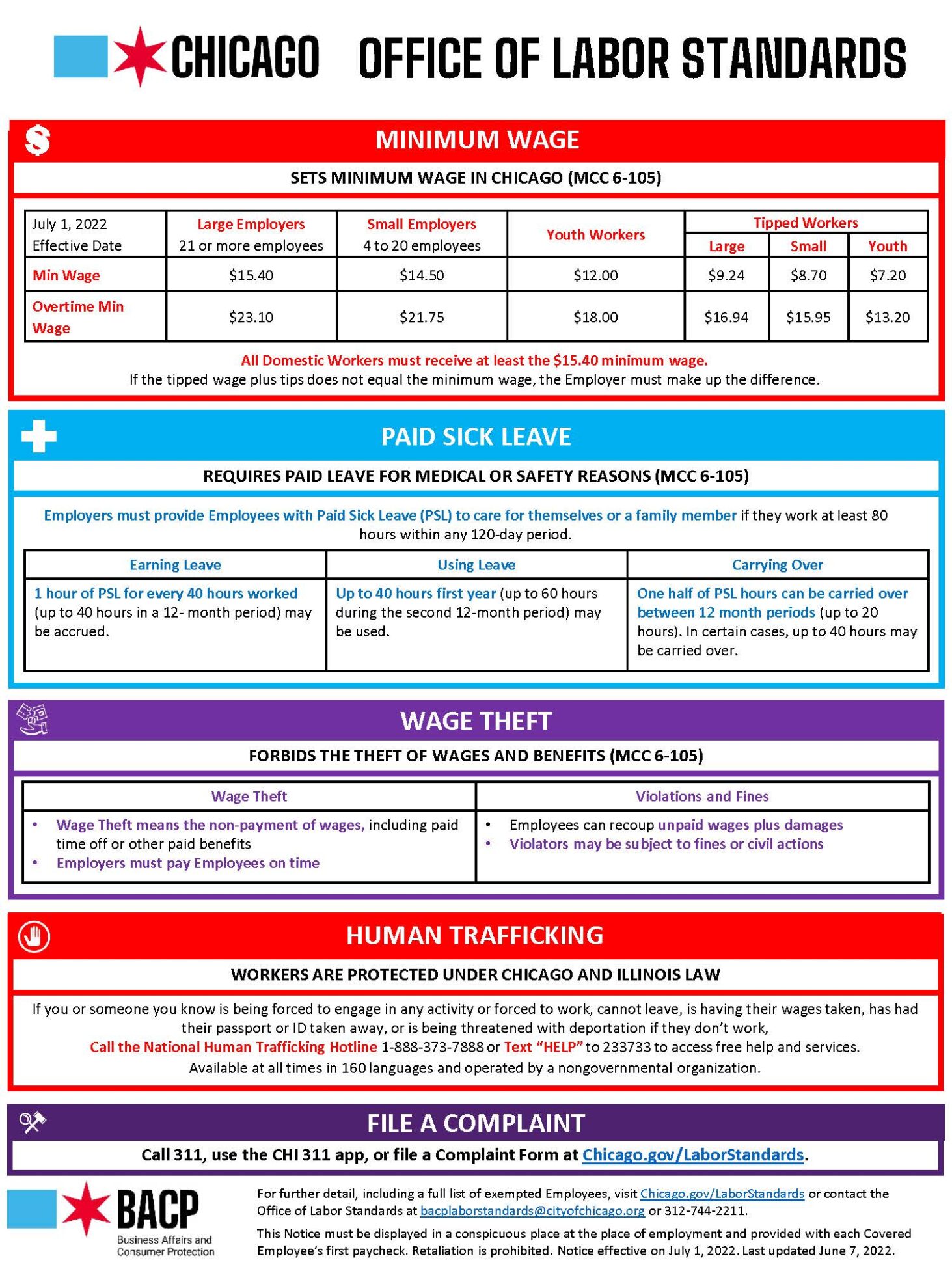
As of the most recent adjustments, Chicago’s minimum wage rates are tiered based on employer size and whether employees receive tips. For employers with 21 or more employees, the minimum wage is set at a higher rate compared to smaller employers (4-20 employees). Tipped employees also have a specific minimum cash wage, with the understanding that their total compensation, including tips, must meet or exceed the full minimum wage rate. These rates are typically reviewed and adjusted annually, often taking effect on July 1st, reflecting inflation and other economic indicators. This annual review ensures that the minimum wage attempts to keep pace with the economic realities of a major metropolitan area. For instance, a large hotel like the Hyatt Regency Chicago would fall under the large employer category, meaning its staff would be paid at the higher end of the local minimum wage scale.
Historical Context and Recent Adjustments
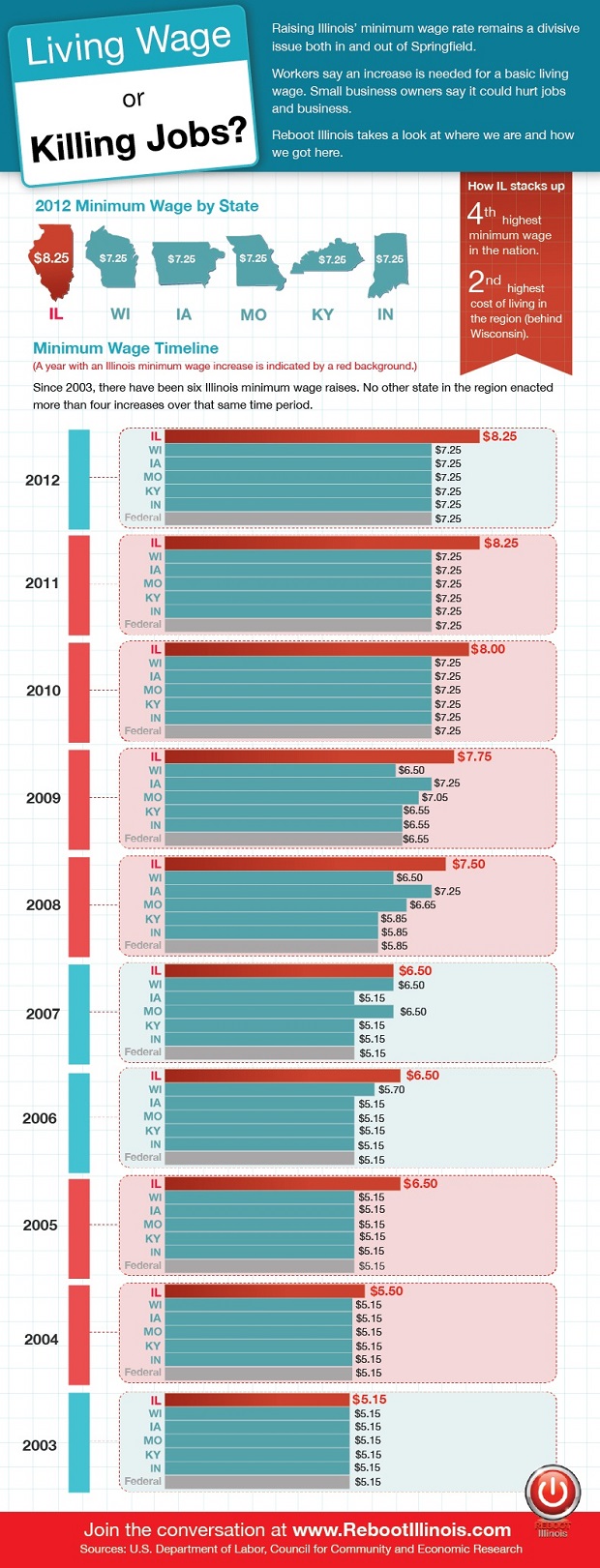
The journey to Chicago’s current minimum wage structure has been progressive. Over the past decade, the city has consistently raised its minimum wage, moving towards a higher living wage for its residents. This steady increase has been driven by advocacy from labor organizations, community groups, and local government officials who recognize the importance of ensuring that workers can afford to live and thrive in the city. Each adjustment is a significant event, often preceded by public hearings and economic impact studies to gauge the potential effects on businesses and the overall economy. These historical changes underscore a broader trend of cities taking independent action to address economic inequality, distinguishing Chicago from many other regions where minimum wage increases have been slower or stagnant.
Distinguishing State vs. City Regulations
It’s crucial to differentiate between the minimum wage laws at the state and city levels. The state of Illinois has its own minimum wage, which applies statewide. However, municipalities within Illinois, such as Chicago, have the authority to establish their own, higher minimum wage rates. When both state and local minimum wage laws apply, employers are obligated to pay the higher of the two. This means that businesses operating within the city limits of Chicago must adhere to the Chicago minimum wage ordinance, which provides greater benefits to workers than the state minimum. This dual regulatory environment highlights Chicago’s proactive stance in creating a distinct economic environment designed to support its urban workforce.
The Impact on Chicago’s Tourism and Hospitality Sector
Chicago’s thriving tourism and hospitality sector is a cornerstone of its economy, attracting millions of visitors each year to iconic sites like Millennium Park, the Art Institute of Chicago, and Navy Pier. The city’s minimum wage policy profoundly influences this sector, affecting everyone from hotel staff and restaurant servers to tour guides and attraction attendants. For a city that prides itself on exceptional service and visitor experiences, the minimum wage is not just a labor cost but an investment in the quality of its tourism offerings.
Service Industry Wages: Hotels, Restaurants, and Attractions
The higher minimum wage in Chicago directly impacts the wages of countless employees across the service industry. This includes the dedicated staff at world-class hotels like The Peninsula Chicago or the Waldorf Astoria Chicago, the passionate chefs and servers in its diverse culinary scene, and the friendly faces at attractions such as the Shedd Aquarium or Skydeck Chicago. For many of these workers, particularly those in entry-level positions, the minimum wage forms a substantial part of their income. A higher minimum wage means these individuals have more disposable income, which can stimulate the local economy as they spend more on goods and services within the city. It also means that employers, especially those in competitive labor markets, must offer wages that are attractive enough to retain skilled and dedicated staff, contributing to a stable and experienced workforce that ultimately benefits the visitor experience.
Employee Well-being and Service Quality
A living wage can significantly improve the well-being of service industry employees. When workers are paid a fair wage, they are less likely to experience financial stress, which can lead to better job satisfaction, reduced turnover, and increased productivity. For tourists, this often translates into higher quality service. A hotel concierge who is not worried about making ends meet is more likely to be attentive and helpful. A restaurant server who feels valued is more likely to provide an exceptional dining experience. This positive cycle between fair pay, employee well-being, and service quality is particularly important in a city like Chicago, where tourism relies heavily on friendly, knowledgeable, and efficient service delivery. Guests staying at boutique hotels like Thompson Chicago or Freehand Chicago often seek out personalized experiences, which are made possible by a motivated and well-compensated team.
Budgeting for Travelers: How Minimum Wage Affects Your Chicago Trip
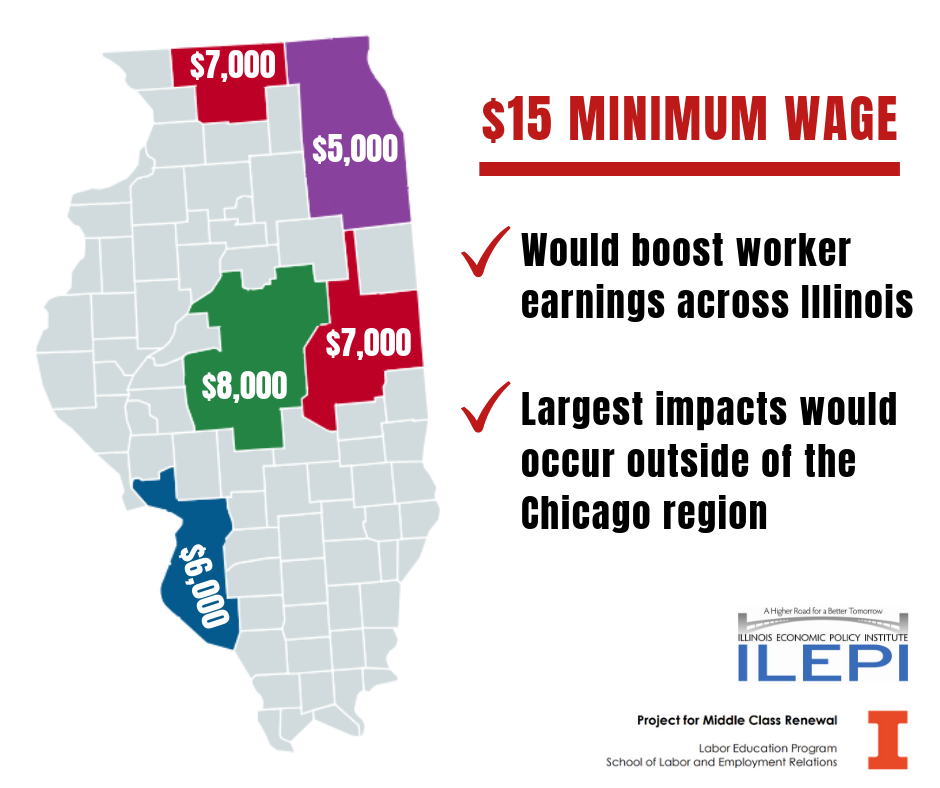
While a higher minimum wage benefits local workers, it can also have an indirect impact on the costs travelers incur. Businesses, facing increased labor expenses, may adjust their pricing for goods and services to maintain profitability. This means that certain aspects of a Chicago trip, such as hotel stays, restaurant meals, and activity fees, might be slightly higher compared to cities with lower minimum wage standards. For budget travelers, understanding this relationship is key to effective trip planning. It encourages visitors to factor in potentially higher costs for everyday expenses, while also acknowledging that these costs contribute to a more equitable local economy and often better service quality. However, Chicago also offers numerous free attractions like Cloud Gate (The Bean) and Lincoln Park Zoo, allowing travelers to balance their spending.
Navigating Costs: Accommodation, Dining, and Experiences
Exploring Chicago is an unforgettable experience, but understanding the financial implications, particularly in light of the city’s minimum wage, can help travelers maximize their budget without compromising on the quality of their trip. The impact of the minimum wage filters into the pricing structure of various services, from where you stay to what you eat and the activities you choose.
Hotel and Accommodation Pricing in Chicago
The cost of accommodation in Chicago is undoubtedly influenced by the city’s higher minimum wage. Hotels, whether luxury resorts or budget-friendly options, employ a significant number of staff, from front desk agents and housekeeping teams to maintenance and administrative personnel. Higher labor costs mean that hotels must factor these expenses into their room rates. Travelers looking for premium experiences at places like Virgin Hotels Chicago or Ace Hotel Chicago will find that the meticulous service they receive is supported by a well-compensated workforce.
For budget-conscious travelers, this might mean exploring options slightly outside the city center, considering hostels, or looking for deals during off-peak seasons. However, even with potentially higher operational costs, Chicago offers a wide spectrum of lodging choices, from sprawling suites to cozy apartments, ensuring that every traveler can find suitable accommodation. It’s a testament to the diverse market that even with higher labor costs, competition helps keep a range of price points available.
Dining Out: Restaurant Prices and Tipping Culture
Chicago’s culinary scene is world-renowned, offering everything from Michelin-starred restaurants to iconic deep-dish pizza joints. The minimum wage significantly impacts restaurant operations, particularly for front-of-house staff like servers and bussers, and back-of-house staff such as cooks and dishwashers. While tipped employees have a lower cash minimum wage, the expectation is that tips will bring their earnings up to or exceed the standard minimum wage.
This can influence menu prices, as restaurants factor in labor costs, but it also reinforces the importance of tipping. In American culture, tipping is an integral part of compensating service staff, especially in cities like Chicago where service is a point of pride. For travelers, understanding the local tipping etiquette – typically 15-20% for good service – is crucial, as it directly supplements the income of the dedicated individuals who enhance their dining experiences. Whether you’re enjoying a gourmet meal in River North or grabbing a casual bite in Wrigleyville, your contribution through tipping supports the local workforce.
Attractions and Entertainment: What to Expect
The cost of visiting Chicago’s many attractions and entertainment venues also reflects the city’s economic policies. Institutions like the Field Museum, concert venues hosting events like Lollapalooza, and tour operators employ a variety of staff whose wages are influenced by the minimum wage. While entrance fees and ticket prices cover operational costs, including labor, Chicago still offers numerous ways to enjoy its vibrant culture without breaking the bank.
Many museums offer free admission days, and public parks like Grant Park provide stunning backdrops for leisurely strolls and picnics. Walking tours, often self-guided or free, offer an intimate look at the city’s architecture and history. Travelers can also explore the Magnificent Mile for window shopping or enjoy free festivals and outdoor concerts during the warmer months. By blending paid attractions with free experiences, visitors can effectively manage their budget while fully immersing themselves in Chicago’s rich offerings.
A Broader Lifestyle Perspective in the Windy City
Beyond the direct costs for travelers, Chicago’s minimum wage policy reflects a broader lifestyle choice and a commitment to urban well-being. It shapes the economic landscape for residents and influences the city’s character, creating a more sustainable and equitable environment that ultimately enriches the visitor experience.
The Cost of Living for Locals vs. Visitor Expenses
While tourists experience Chicago through the lens of short-term expenses, the minimum wage is a critical factor in the long-term cost of living for its residents. A higher minimum wage aims to help local workers afford housing, transportation, groceries, and other necessities in an expensive urban environment. This distinction between visitor expenses and the local cost of living is important. When visitors contribute to businesses that pay a living wage, they are indirectly supporting the local economy and the residents who make Chicago such a vibrant place. Understanding this dynamic fosters a more mindful approach to travel, recognizing that tourist dollars have a real impact on the community.
Supporting Local Businesses and Ethical Tourism
For travelers keen on ethical tourism and supporting local communities, awareness of Chicago’s minimum wage framework can guide their choices. Opting for independent shops, locally owned restaurants, and community-based tour operators often means supporting businesses that are deeply invested in the local economy and adhere to local labor laws. Many of these establishments pride themselves on fair employment practices, and by patronizing them, visitors contribute to a sustainable local ecosystem. This conscious approach to spending enhances the travel experience, transforming it from mere consumption into a meaningful interaction with the city’s values.
Chicago’s Appeal: Value for Money for Different Travel Styles
Despite potentially higher operational costs due to the minimum wage, Chicago remains an attractive destination offering immense value for a diverse range of travel styles. For luxury travelers, the city provides unparalleled amenities, bespoke services, and world-class experiences that justify premium pricing, knowing that the quality is supported by a well-compensated workforce. For budget travelers, the abundance of free attractions, affordable public transport, and diverse dining options ensures that a memorable trip is entirely achievable.
Ultimately, Chicago’s minimum wage is a reflection of its identity as a progressive city that strives for economic fairness. This commitment, while potentially adding to certain operational costs, contributes to a more stable workforce, better service quality, and a richer, more authentic local experience for everyone who visits.
In conclusion, the minimum wage in Chicago is far more than just a number; it’s a vital component of the city’s economic fabric that influences its tourism and hospitality sectors in profound ways. For travelers, understanding this policy allows for more informed budgeting, a deeper appreciation of the local economy, and a more conscious engagement with the vibrant culture of the Windy City. Whether you’re exploring its magnificent landmarks, savoring its diverse culinary delights, or simply enjoying the unparalleled hospitality, recognizing the impact of the minimum wage adds another layer of understanding to your Chicago adventure.
LifeOutOfTheBox is a participant in the Amazon Services LLC Associates Program, an affiliate advertising program designed to provide a means for sites to earn advertising fees by advertising and linking to Amazon.com. Amazon, the Amazon logo, AmazonSupply, and the AmazonSupply logo are trademarks of Amazon.com, Inc. or its affiliates. As an Amazon Associate we earn affiliate commissions from qualifying purchases.