
For anyone planning a road trip, a business visit, or simply navigating daily life in the Golden State, understanding the legal landscape around driving is paramount. One common concern for many, especially those unfamiliar with local laws, revolves around Driving Under the Influence (DUI) checkpoints. The question “Are DUI checkpoints legal in California?” is not only valid but crucial for informed and safe travel throughout the state. The short answer is yes, they are legal, but their implementation is governed by strict constitutional and statutory guidelines designed to protect motorists’ rights while promoting public safety.
Understanding the Legal Landscape for Travelers in California
Driving through California offers an unparalleled experience, from its scenic coastlines to its bustling cities. However, like any travel destination, it comes with its own set of rules, particularly concerning road safety and law enforcement. DUI checkpoints are a key component of California’s strategy to deter impaired driving, making roads safer for everyone. For travelers, knowing the legal basis behind these operations can alleviate uncertainty and help ensure a smooth journey.
The Constitutional Basis and Precedent
The legality of DUI checkpoints in the United States hinges on a balancing act between the government’s interest in public safety and an individual’s Fourth Amendment right against unreasonable searches and seizures. While the Fourth Amendment generally requires law enforcement to have probable cause or reasonable suspicion before stopping a vehicle, the U.S. Supreme Court has carved out exceptions for certain types of checkpoints, including those aimed at detecting impaired drivers.
A pivotal case in this regard is Michigan Department of State Police v. Sitz (1990). In this ruling, the U.S. Supreme Court determined that sobriety checkpoints are constitutionally permissible, provided they are conducted in a manner that minimally intrudes upon individual liberties while effectively serving a substantial government interest—preventing drunk driving. The Court employed a balancing test, weighing the state’s interest in curbing impaired driving against the degree of intrusion on motorists’ privacy. It found that the minimal intrusion of a brief stop at a checkpoint was outweighed by the significant public safety interest.
Following this federal precedent, California courts have consistently upheld the legality of DUI checkpoints, provided they adhere to specific guidelines established by state law and case law, particularly the 1987 California Supreme Court case, Ingersoll v. Palmer. This case set forth specific requirements for lawful checkpoints in California, which are designed to ensure public safety and minimize the discretion of individual officers, thereby reducing the potential for arbitrary enforcement. These safeguards are crucial for travelers to understand, as they define what constitutes a legitimate checkpoint versus an unlawful stop.
What to Expect at a California DUI Checkpoint
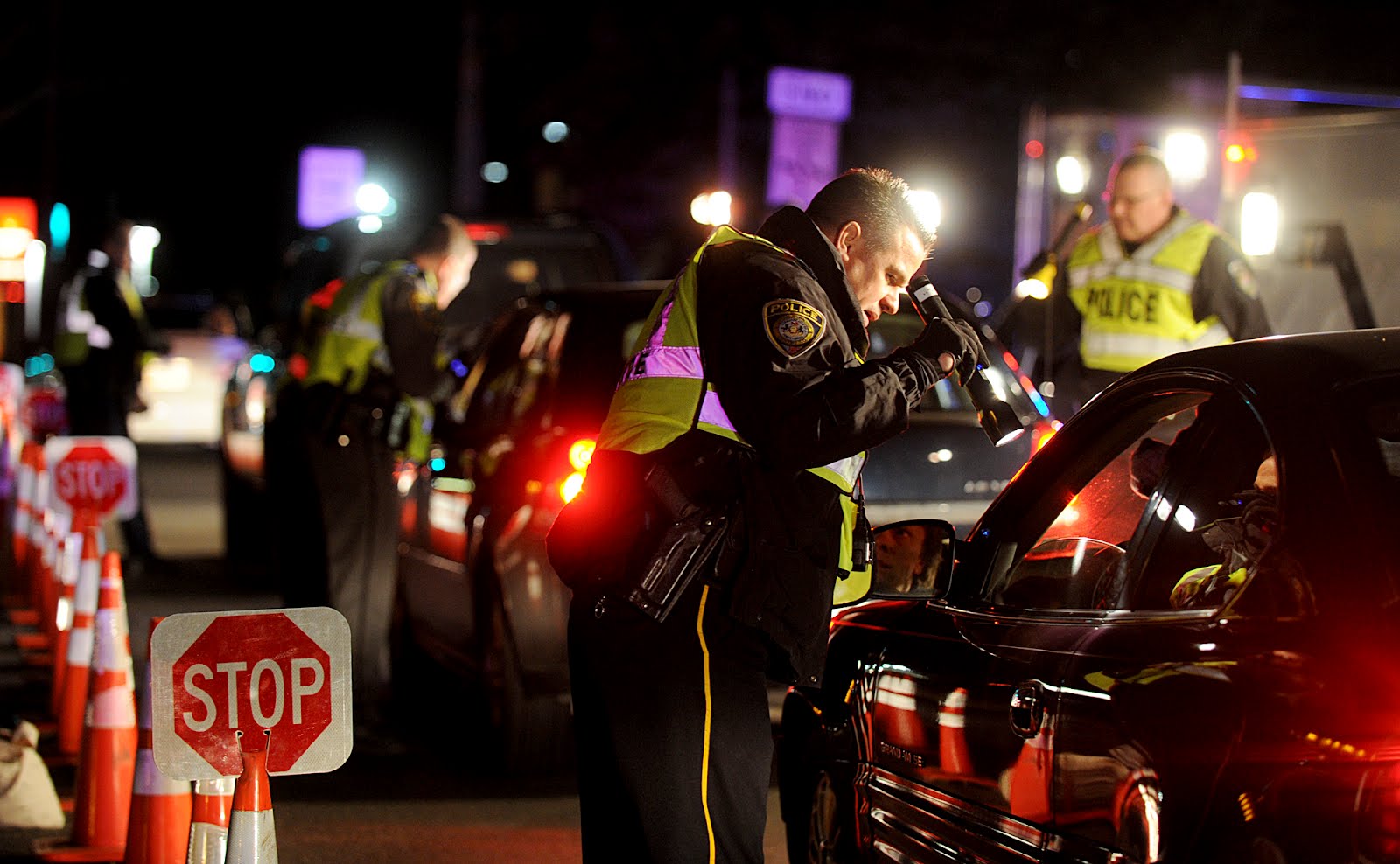
Encountering a DUI checkpoint can be a daunting experience, especially for those unfamiliar with the process. However, understanding what to expect can help travelers navigate these situations confidently and legally. California law enforcement agencies are mandated to follow strict procedures when conducting these operations.
Identifying a Lawful Checkpoint
A key distinction for travelers is recognizing what makes a DUI checkpoint lawful. According to California legal precedents, several factors must be present for a checkpoint to be considered legitimate:
- Advance Publicity: Law enforcement agencies are often required to publicize the location and time of checkpoints in advance. This notice can be through local media, social media, or press releases. The purpose of this is deterrence, not surprise, and it allows sober drivers to plan accordingly. While the exact street may not be disclosed, the general area (e.g., city, major thoroughfare) is usually announced.
- Neutral Formula: Vehicles must be stopped according to a neutral formula, such as every car, every fifth car, or every tenth car. This removes officer discretion in selecting which vehicles to stop, preventing discrimination or arbitrary enforcement.
- Safety Precautions: The checkpoint must be clearly marked with signs, cones, and sufficient lighting to ensure the safety of both motorists and officers. This is particularly important on major roads or at night.
- Supervisory Level: The checkpoint must be conducted under the authority and supervision of a commanding officer, rather than left to the discretion of individual patrol officers.
- Brief Detention: The stop should be brief, and its primary purpose should be to identify impaired drivers. Officers should only detain motorists longer if they observe signs of impairment or other violations during the initial contact.
- Location and Time: The location and time of the checkpoint should be chosen based on accident statistics or patterns of DUI arrests, indicating areas with a higher prevalence of impaired driving incidents.
Observing these elements can help travelers confirm they are indeed at a lawful DUI checkpoint.
Your Rights and Obligations as a Driver

Even at a lawful checkpoint, travelers retain fundamental rights guaranteed by the Constitution. It’s crucial to know these rights, as well as your obligations, to ensure a smooth and legal interaction.
- Provide Documents: You are generally obligated to provide your driver’s license, vehicle registration, and proof of insurance upon request. Have these readily accessible to minimize delay.
- Answer Limited Questions: Officers may ask brief questions to determine if you show signs of impairment, such as “Have you been drinking tonight?” You have the right to remain silent, but refusing to answer could prolong the stop. However, providing false information is never advisable.
- Field Sobriety Tests (FSTs): If an officer suspects impairment, they may ask you to perform FSTs (e.g., walk-and-turn, one-leg stand, horizontal gaze nystagmus). In California, you generally have the right to refuse FSTs without legal penalty (though refusal might strengthen an officer’s suspicion leading to further investigation). These tests are subjective and often used to establish probable cause for an arrest.
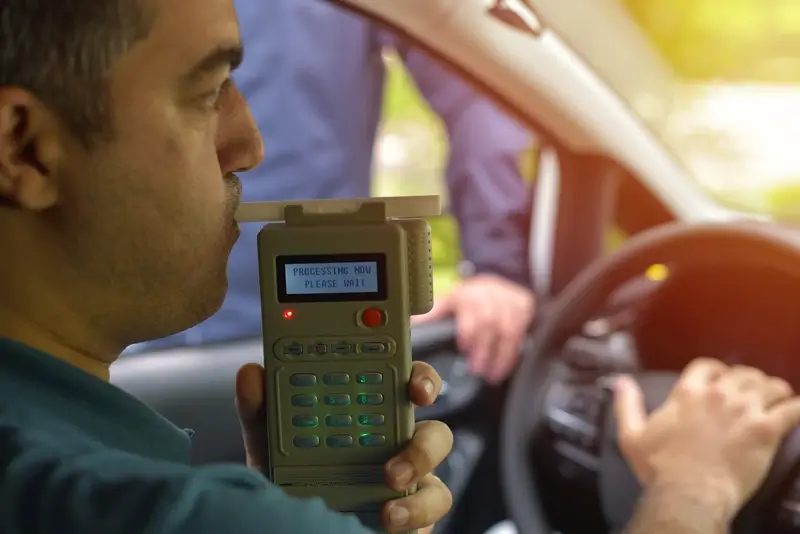
- Preliminary Alcohol Screening (PAS) Test: This is a handheld breathalyzer test. Like FSTs, you can typically refuse a PAS test before being arrested without immediate legal penalty. However, once arrested for DUI, California’s “implied consent” law comes into effect.
- Implied Consent Law: Under California’s implied consent law, by driving on public roads, you are deemed to have consented to chemical tests (breath or blood) if lawfully arrested for DUI. Refusing a chemical test after a lawful arrest for DUI can lead to significant penalties, including a mandatory license suspension, even if you are not ultimately convicted of DUI. This applies to both residents and out-of-state drivers.
- Right to Counsel: If you are detained or arrested, you have the right to remain silent and the right to speak with an attorney.
Understanding these distinctions is vital for any driver in California.
Navigating Checkpoints Safely and Legally
For travelers traversing California’s diverse regions, a proactive approach to DUI checkpoints can enhance safety and minimize stress. Responsible planning and awareness are key to ensuring your journey remains enjoyable and compliant with local laws.
Preparing for Your California Road Trip
A smooth travel experience in California begins with preparation, especially if your plans involve social events or activities where alcohol might be consumed.
- Designate a Sober Driver: This is the most effective strategy. If your group plans to drink, ensure one person commits to remaining sober and driving.
- Utilize Ride-Sharing and Public Transport: California offers extensive public transportation options in urban centers, and ride-sharing services like Uber and Lyft are widely available. These services provide convenient and safe alternatives to driving after consuming alcohol.
- Stay Informed: Keep an eye on local news or law enforcement social media for announcements about planned checkpoints in areas you’ll be traveling through, though avoiding them should not be the primary goal; avoiding impaired driving should be.
- Understand Legal Limits: Be aware of California’s legal blood alcohol content (BAC) limits: 0.08% for most drivers, 0.04% for commercial drivers, and 0.01% for drivers under 21.
What If You Encounter One?
Despite preparation, you might still encounter a DUI checkpoint. Here’s how to proceed:
- Remain Calm and Compliant: Approach the checkpoint slowly and follow all instructions from officers. Turn down your music, lower your window, and have your hands visible on the steering wheel.
- Have Documents Ready: Before you reach the officer, have your driver’s license, registration, and proof of insurance ready to present. This speeds up the process for everyone.
- Polite Cooperation: Be polite and respectful. While you have rights, confrontational behavior is generally counterproductive and can escalate a routine stop.
- Observe Your Surroundings: Pay attention to what the officers are doing and saying, and note any irregularities. If you believe your rights are being violated, remain calm and note the details for future reference with legal counsel.
- Seek Legal Advice: If you are detained, arrested, or believe your rights were violated, contact a qualified legal professional specializing in DUI defense immediately.
Remember, the goal of a checkpoint is to catch impaired drivers and enhance road safety, not to inconvenience sober travelers. Cooperation, coupled with an awareness of your rights, can ensure a respectful and efficient interaction.
The Impact on California Travel and Tourism
DUI checkpoints, while sometimes perceived as an inconvenience, play a vital role in upholding public safety, which ultimately enhances the travel experience in California. For a state that thrives on tourism and road adventures, ensuring that its roadways are safe from impaired drivers is a critical objective for law enforcement.
From the bustling streets of Los Angeles and San Francisco to the serene routes through Yosemite National Park or wine country, safe driving conditions contribute significantly to visitors’ peace of mind. Travelers, whether on a family vacation or a solo exploration, benefit from fewer accidents, less traffic congestion caused by incidents, and a general sense of security on the road.
The presence of DUI checkpoints, along with other enforcement efforts, acts as a deterrent, encouraging responsible decision-making regarding alcohol consumption and driving. This fosters a culture of safety that benefits both residents and the millions of tourists who visit California each year. Understanding and respecting these laws is not just about avoiding legal trouble; it’s about contributing to a safer, more enjoyable environment for everyone who chooses to explore the beauty and diversity of California by road.
LifeOutOfTheBox is a participant in the Amazon Services LLC Associates Program, an affiliate advertising program designed to provide a means for sites to earn advertising fees by advertising and linking to Amazon.com. Amazon, the Amazon logo, AmazonSupply, and the AmazonSupply logo are trademarks of Amazon.com, Inc. or its affiliates. As an Amazon Associate we earn affiliate commissions from qualifying purchases.