
For many animal lovers and prospective pet owners, the dream of bringing home a ferret—a playful, inquisitive, and intelligent mustelid—is a common aspiration. However, if you reside in the bustling metropolis of New York City or elsewhere in the expansive New York State, you may have encountered conflicting information regarding their legality. Navigating the regulatory landscape of pet ownership in this region is essential for those who wish to integrate these charming animals into their domestic life.
The Legal Status of Ferrets in New York
The primary question remains: is it illegal to own a ferret in New York? The answer is nuanced, as it depends entirely on your specific location within the state.

The New York City Ban
Since 1999, the possession of ferrets has been strictly prohibited within the five boroughs of New York City. This ordinance was enacted under the New York City Health Code, which classifies ferrets as wild animals that pose a public health risk. Health officials at the time argued that these animals could be aggressive or harbor diseases, leading to a total ban on keeping them as household pets in any of the city’s neighborhoods, including Manhattan, Brooklyn, Queens, The Bronx, or Staten Island.
For residents of the city, attempting to circumvent this law can lead to significant repercussions, including the confiscation of the animal by Animal Care Centers of NYC and potential fines. Despite numerous advocacy campaigns over the decades, the city’s stance has remained steadfast, prioritizing perceived public safety over the desire of residents to own these specific companions.
State-Wide Regulations
Outside of the jurisdiction of New York City, the laws governing ferret ownership take a different turn. In the rest of New York State, ferrets are perfectly legal to own. The New York State Department of Environmental Conservation does not maintain a statewide prohibition on domestic ferrets. This means that if you live in cities like Albany, Buffalo, or Syracuse, you are free to enjoy the companionship of a ferret without violating any municipal or state statutes.
Understanding the Rationale Behind the Ban
To understand why such a divide exists, it is necessary to examine the history of animal regulation in America. The fear surrounding ferrets often stems from misconceptions regarding their nature and their risk of rabies.
Public Health and Safety Concerns
The New York City Department of Health and Mental Hygiene historically highlighted the potential for ferrets to bite, especially in dense urban environments where space is limited and human-to-animal contact is high. Because of their small size and quick movements, there were concerns about children being bitten. Furthermore, there was a historical lack of a certified rabies vaccine specifically labeled for ferrets at the time the ban was implemented.
Debunking Myths
Modern veterinary science has largely rendered many of the original arguments against ferret ownership obsolete. Today, safe and effective rabies vaccines for ferrets are readily available and widely used by veterinarians across North America. Many owners argue that ferrets are no more prone to biting than any other household pet, such as a dog or cat, provided they are socialized correctly. However, the legal system moves slowly, and despite clear evidence that domesticated ferrets are safe, well-adjusted companions, the New York City administrative code remains unchanged.

Living with Ferrets in Legal Areas
For those living in permitted areas of New York State, welcoming a ferret into your home is a rewarding experience, provided you are prepared for their unique lifestyle.
Specialized Veterinary Care
If you live in regions like Rochester or Ithaca, you must ensure you have access to a veterinarian who specializes in exotic animals. Ferrets have very specific dietary and medical needs. Unlike standard canine or feline care, exotic medicine requires specialized knowledge of mustelid physiology. Finding a practitioner who is familiar with conditions like adrenal disease or insulinoma, which are relatively common in ferrets, is a vital part of responsible ownership.
Creating a Ferret-Friendly Environment
Ferrets are high-energy, inquisitive creatures that require a significant amount of mental stimulation and physical activity. Whether you are living in a house in Long Island or an apartment in Westchester, your living space must be “ferret-proofed.” These animals are expert escape artists and can fit through incredibly small openings.
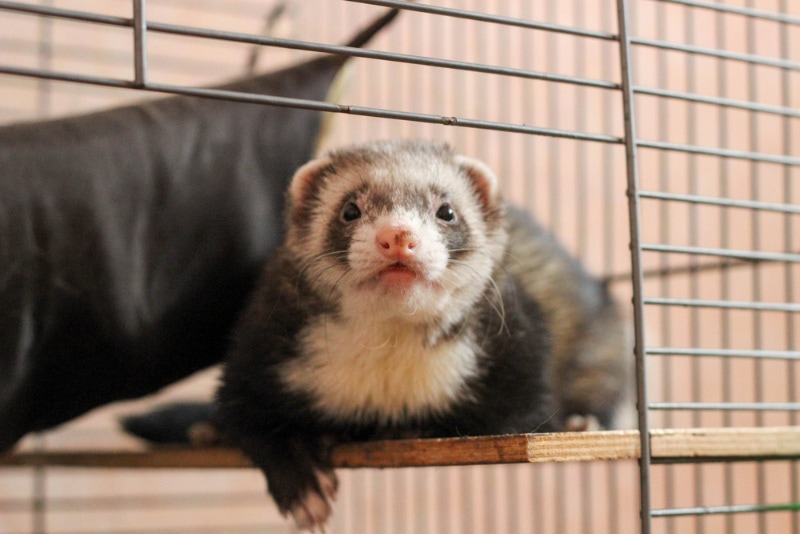
- Cage Requirements: Ferrets require large, multi-level cages that provide plenty of room for climbing and sleeping.
- Out-of-Cage Time: It is recommended that ferrets receive at least three to four hours of supervised exploration time outside their cage daily.
- Enrichment: Providing tunnels, ball pits, and various toys is essential for keeping these intelligent animals entertained and healthy.
Advocacy and Future Perspectives
The debate surrounding the ferret ban in New York City is not just a matter of local politics; it represents a broader conversation about how cities classify “exotic” versus “domesticated” pets.
The Push for Legalization
Groups such as the American Ferret Association have spent years lobbying local government officials to lift the ban. They point to the fact that almost every other major city in the United States allows ferret ownership. The arguments for legalization focus on personal liberty, the modern availability of medical care for ferrets, and the economic potential for pet stores and veterinarians to serve a new market of animal owners.
Considering Local Bylaws
Even if you reside in an area where ferrets are legal, such as Hudson Valley, it is always prudent to check local municipal ordinances and your specific housing agreements. Many landlords, even those in pet-friendly buildings, may have their own policies regarding “exotic” pets. Always review your lease or consult with your property manager before bringing any animal into your residence.
Conclusion: A Tale of Two Jurisdictions
Navigating the legal status of ferrets in New York State requires careful attention to geography. While the dream of owning a ferret is currently stalled within the rigid borders of New York City, the rest of the state offers a welcoming environment for these energetic and affectionate pets.
For prospective owners, the key is to prioritize animal welfare, seek out qualified veterinary care, and ensure you are in full compliance with the local laws of your town or city. As attitudes toward non-traditional pets continue to evolve, there remains a persistent hope among enthusiasts that one day the regulations in the five boroughs will align with the more permissive standards found throughout the rest of New York. Until that day, those residing in the city must abide by the current restrictions, while those in the surrounding regions can continue to enjoy the vibrant, playful, and rewarding companionship that only a ferret can provide.
LifeOutOfTheBox is a participant in the Amazon Services LLC Associates Program, an affiliate advertising program designed to provide a means for sites to earn advertising fees by advertising and linking to Amazon.com. Amazon, the Amazon logo, AmazonSupply, and the AmazonSupply logo are trademarks of Amazon.com, Inc. or its affiliates. As an Amazon Associate we earn affiliate commissions from qualifying purchases.