
Chinatown remains one of the most vibrant, chaotic, and delicious neighborhoods in New York City. Navigating its winding, narrow streets can feel like a sensory overload, but for the discerning diner, it offers an unparalleled culinary journey through regional Chinese cuisines. From quick, no-frills noodle shops to grand banquet halls that have anchored the community for decades, this historic enclave is a testament to the enduring power of food as culture.
The Pillars of Dim Sum and Banquet Classics
No culinary tour of Manhattan is complete without experiencing the ritual of dim sum. These restaurants serve as the communal heart of the neighborhood, where carts clatter past tables laden with bamboo steamer baskets and families gather for weekend brunch.
Golden Unicorn
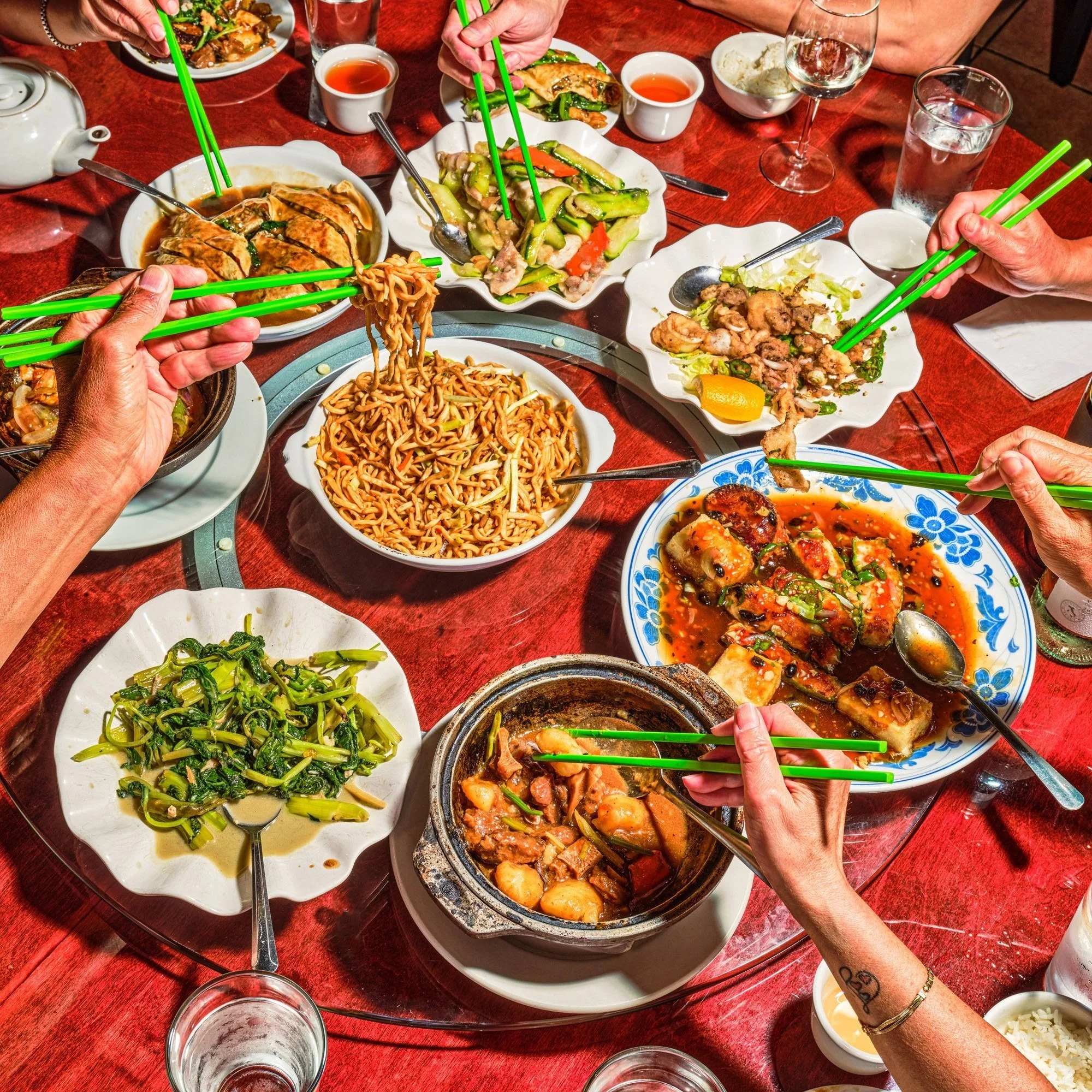
Golden Unicorn is a quintessential destination for those seeking a high-energy dim sum experience. Located in the heart of the district, this multi-level establishment is famous for its massive dining rooms and efficient service. It is the place to order the classics: shrimp har gow, steamed pork ribs with fermented black beans, and fluffy char siu bao. The bustle here is part of the charm; it captures the authentic spirit of Cantonese dining culture where the noise level is directly proportional to the quality of the conversation.
Nom Wah Tea Parlor
If you prefer a side of history with your tea, Nom Wah Tea Parlor is non-negotiable. Established in 1920, it is the oldest dim sum parlor in the city, tucked away on the iconic Doyers Street. The vintage aesthetics—complete with retro booth seating and a faded, nostalgic atmosphere—make it a favorite for locals and visitors alike. Their house special roast pork bun and scallion pancakes are legendary, offering a simpler, more intimate contrast to the large-scale banquet halls nearby.
Noodle Obsessions and Quick Bites
For many, the soul of New York food lies in the quick, affordable, and deeply satisfying bowl of noodles. In this neighborhood, you can find regional specialties that span from the spicy, numbing profiles of the west to the savory, comforting broths of the south.
Xi’an Famous Foods
Few success stories are as prominent as Xi’an Famous Foods. What began as a small basement stall has grown into a local empire, yet the quality remains steadfast. They specialize in Shaanxi cuisine, defined by hand-ripped biang biang noodles that are thick, chewy, and coated in bold spices. The cumin lamb noodles are a cult favorite, delivering a complex heat that lingers long after you finish your meal. It is fast, inexpensive, and entirely unpretentious.

Great NY Noodletown
For late-night cravings or a straightforward, high-quality meal, Great NY Noodletown stands as a beacon on Bowery. This spot is renowned for its roasted meats, particularly the crispy skin roast duck and soy sauce chicken. While the menu is extensive, the house-made noodle soups served with wontons are the true star. It serves as a reminder that some of the best culinary experiences don’t require elaborate decor—just expert technique and consistent execution.
Regional Flavors and Modern Interpretations
While traditional Cantonese cooking dominates the landscape, the neighborhood has increasingly embraced a broader spectrum of Chinese and East Asian flavors, incorporating Sichuan heat and modern fusion concepts that cater to a global palate.
Wu’s Wonton King
Wu’s Wonton King has become a destination for groups looking for a celebratory feast. Known for its massive portions and top-tier seafood preparation, this establishment excels at traditional banquet-style dishes. The salt-and-pepper Dungeness crab is a masterpiece of texture and flavor, while their namesake wonton soup is clean, broth-forward, and deeply comforting. It is a bustling, no-frills environment where the food takes absolute precedence.
Mala Project
For those who crave the “ma” (numbing) and “la” (spicy) of Sichuan peppercorns, Mala Project offers a refined take on dry pot dining. Unlike traditional broth-based hot pots, the ingredients here are stir-fried in a proprietary blend of dozens of spices and aromatics. The restaurant’s modern, cozy atmosphere makes it an excellent choice for a dinner out in the city. You choose your ingredients—from lotus root and quail eggs to premium cuts of beef—and the kitchen transforms them into a fragrant, spicy bowl meant for sharing over bowls of steamed white rice.

Tips for Navigating the Local Food Scene
Eating your way through this part of the United States requires a specific approach. To truly enjoy the experience, consider these pointers:
- Bring Cash: While many establishments now accept digital payments, a significant number of the smaller, hidden-gem shops still operate on a cash-only basis. Keep small bills on hand to avoid ATM fees or being turned away.
- Timing is Everything: Weekends are notoriously busy, especially during brunch hours. If you are visiting popular spots like those on Mott Street, arrive early—ideally before 11:00 AM—to avoid lengthy wait times.
- Explore the Bakeries: Between your main meals, make time for a pit stop at a local bakery. Mei Lai Wah is essential for their pineapple pork buns, which offer a perfect balance of sweet and savory.
- Embrace the Crowds: The dining culture here is fast-paced. Servers are often busy, and turnover is high. Embrace the speed as part of the authentic environment; it is a signal of the high volume of patrons who keep the local economy thriving.
- Look Above and Below: Some of the best restaurants are not at street level. Keep an eye out for basement entrances or second-floor signage. The most unassuming staircases often lead to the most legendary kitchens in the Americas.
The food scene in this iconic district is constantly evolving, blending the heritage of the past with the innovations of the present. Whether you are a first-time visitor to New York State or a seasoned local, there is always a new flavor profile to discover or a classic recipe to revisit. By stepping off the beaten path and into these storied dining rooms, you aren’t just eating a meal; you are participating in a living history of migration, community, and culinary excellence. Keep an open mind, an empty stomach, and a sense of adventure as you explore the many tastes of this remarkable neighborhood.
LifeOutOfTheBox is a participant in the Amazon Services LLC Associates Program, an affiliate advertising program designed to provide a means for sites to earn advertising fees by advertising and linking to Amazon.com. Amazon, the Amazon logo, AmazonSupply, and the AmazonSupply logo are trademarks of Amazon.com, Inc. or its affiliates. As an Amazon Associate we earn affiliate commissions from qualifying purchases.