
Navigating the intricate web of regulations surrounding pet ownership can be a daunting task for any traveler, particularly when considering destinations with specific or unusual rules. For those planning a trip to New York, especially if they are accustomed to traveling with exotic pets or are curious about local customs, understanding the legality of various animals is paramount. This exploration delves into the specific question of ferret ownership in the Empire State, examining the nuances of its laws and the implications for potential visitors and residents alike.
The Legal Status of Ferrets in New York
The question of whether ferrets are legal in New York is not a simple yes or no. The state has historically maintained a complex and somewhat restrictive stance on owning ferrets, with regulations evolving over time. Understanding these regulations is crucial for anyone considering bringing a ferret into the state, or simply for those who want to be informed about animal welfare laws in different regions of the United States.
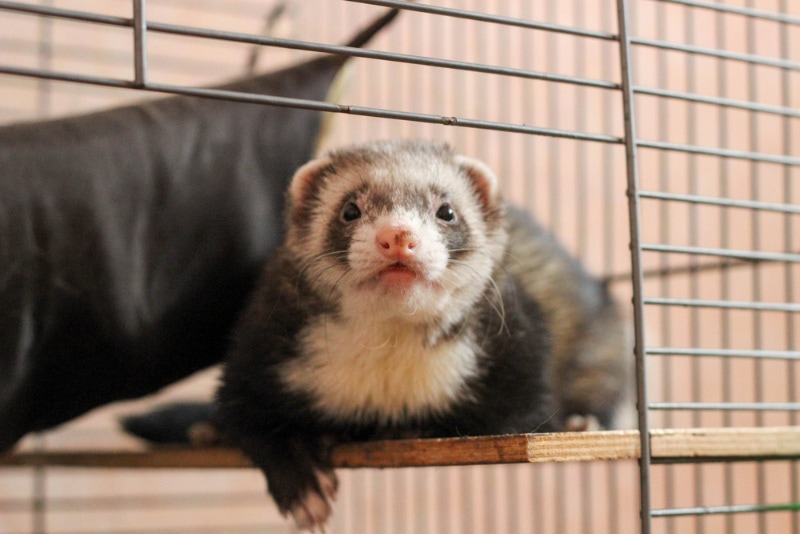
A Historical Perspective on Ferret Bans
Historically, New York has had a prohibition on the importation and possession of ferrets. This ban was largely driven by concerns related to public health and safety, as well as potential ecological impacts. Wild ferrets, or escaped domestic ferrets, could potentially pose risks to native wildlife and could carry diseases transmissible to humans or other animals. The primary legislation that governed this was often cited as part of the state’s Sanitary Code.
However, it is important to note that legislative landscapes can shift. While outright bans have been a feature of New York law for a considerable period, the specifics and enforcement have sometimes been subject to interpretation and debate. Travelers who are accustomed to traveling with their pets, especially those with less common animals, often find themselves researching these specific rules well in advance of their journey.
Current Regulations and Nuances
As of the most recent information, ferrets are generally considered illegal to possess in New York without a special permit. This prohibition extends to both private ownership and importation. The rationale behind this continued restriction often centers on the same public health and safety concerns that have historically informed the law. Ferrets, though often kept as domesticated pets, retain certain wild instincts and can be carriers of diseases such as rabies.
The “special permit” aspect is key here. It suggests that while general ownership is prohibited, there might be avenues for specific circumstances, such as for research purposes or within licensed educational facilities. However, for the average pet owner or traveler, obtaining such a permit for a pet ferret is an exceedingly difficult, if not impossible, undertaking. This means that planning a trip to New York with a pet ferret is generally not advisable due to these legal prohibitions.
Implications for Travelers and Pet Owners
The legal status of ferrets in New York has direct implications for travelers who might consider bringing their pets along. Understanding these implications is vital for avoiding potential legal entanglements, including fines or the confiscation of the animal.
Traveling with Exotic Pets
For those who consider ferrets to be exotic pets, the laws in New York present a significant barrier. Unlike more common pets such as dogs or cats, which generally have straightforward travel requirements across state lines (subject to airline or accommodation policies), ferrets fall into a different category. Their prohibited status means that bringing one into New York would likely violate state law.
Travelers are strongly advised to research the pet policies of their intended accommodations, such as hotels like the Plaza Hotel or resorts in the Adirondacks, as well as any transportation providers, well in advance. However, the primary concern for ferrets is not just accommodation policies but the overarching state law.

The Role of Local Ordinances and Enforcement
While state law dictates the primary legality, it’s also worth considering the role of local ordinances. In some jurisdictions, even if a state law exists, local municipalities might have their own specific regulations regarding animal ownership. However, in the case of ferrets in New York, the state law is generally the most significant hurdle. Enforcement typically falls to state and local animal control agencies, as well as law enforcement. Travelers found in possession of an illegally kept animal could face penalties.
Alternatives and Considerations for Ferret Enthusiasts
For ferret enthusiasts who are planning a visit to New York, the most practical approach is to make alternative arrangements for their pets. This might involve leaving the ferret with a trusted friend or family member in a state where they are legal, or utilizing specialized pet boarding services that cater to exotic animals in other locations.
It is always recommended to verify the most current laws directly with the New York State Department of Health or the Department of Environmental Conservation, as regulations can change. Websites of official government bodies are the most reliable sources for up-to-date information. Relying on anecdotal evidence or outdated information can lead to unintended legal troubles.
Understanding Related New York Animal Laws
Beyond ferrets, New York has a range of laws governing the ownership and importation of various animals. Understanding these broader regulations can provide context and further highlight the specific considerations for ferrets.
Other Restricted Animals
New York has regulations in place for a number of other animals that are deemed potentially dangerous, invasive, or pose public health risks. This can include certain species of snakes, reptiles, and exotic mammals. These regulations are often in place to protect both the public and the environment. For instance, importing certain species could introduce invasive predators or diseases that could harm native ecosystems, much like concerns that have been raised about invasive species in areas like the Great Lakes.
Service Animals and Emotional Support Animals
It is important to distinguish between pet ownership laws and regulations concerning service animals and emotional support animals. Under federal laws like the Americans with Disabilities Act (ADA), service animals, typically dogs, are granted access to public places, including accommodations and attractions, regardless of a facility’s general pet policy. However, this exemption does not extend to exotic animals like ferrets, even if they were to be trained as service or support animals, due to the underlying legality of their possession within the state.
Traveling with Common Pets in New York
For travelers planning to visit New York with more conventional pets like dogs and cats, the process is generally more straightforward. Most hotels and accommodations will have specific pet policies, often involving pet fees or restrictions on certain breeds. It is always advisable to confirm these policies directly with the establishment, whether it’s a boutique hotel in SoHo or a larger chain in Midtown Manhattan. Many airlines also have regulations for traveling with pets, including requirements for carriers, health certificates, and specific breed restrictions.

Conclusion: Plan Accordingly for a New York Visit
In summary, for those inquiring “Are ferrets illegal in New York?”, the answer is predominantly yes, for general possession and importation without a special permit. This legal stance is rooted in long-standing public health and safety concerns.
Travelers are strongly encouraged to conduct thorough research into New York’s animal import and ownership laws well before their trip. This due diligence will help ensure a smooth and legally compliant visit, whether you are exploring the bustling streets of New York City or the serene landscapes upstate. Prioritizing adherence to local and state regulations is key to a stress-free travel experience for both you and your animal companions. For any specific questions or concerns, consulting official state resources is the most reliable course of action.
LifeOutOfTheBox is a participant in the Amazon Services LLC Associates Program, an affiliate advertising program designed to provide a means for sites to earn advertising fees by advertising and linking to Amazon.com. Amazon, the Amazon logo, AmazonSupply, and the AmazonSupply logo are trademarks of Amazon.com, Inc. or its affiliates. As an Amazon Associate we earn affiliate commissions from qualifying purchases.