
Navigating the process of submitting your Department of Transportation (DOT) medical card in Texas is a crucial step for anyone operating a commercial motor vehicle (CMV) within the state. This documentation verifies your physical and mental fitness to safely operate a CMV, ensuring the protection of yourself, other motorists, and the general public. The Texas Department of Public Safety (DPS) oversees the requirements for CMV operators, and understanding the submission process is key to maintaining your driving privileges and ensuring compliance. This guide will walk you through the essential steps, from obtaining your medical card to its submission and ongoing maintenance.
Understanding the DOT Medical Card Requirements in Texas
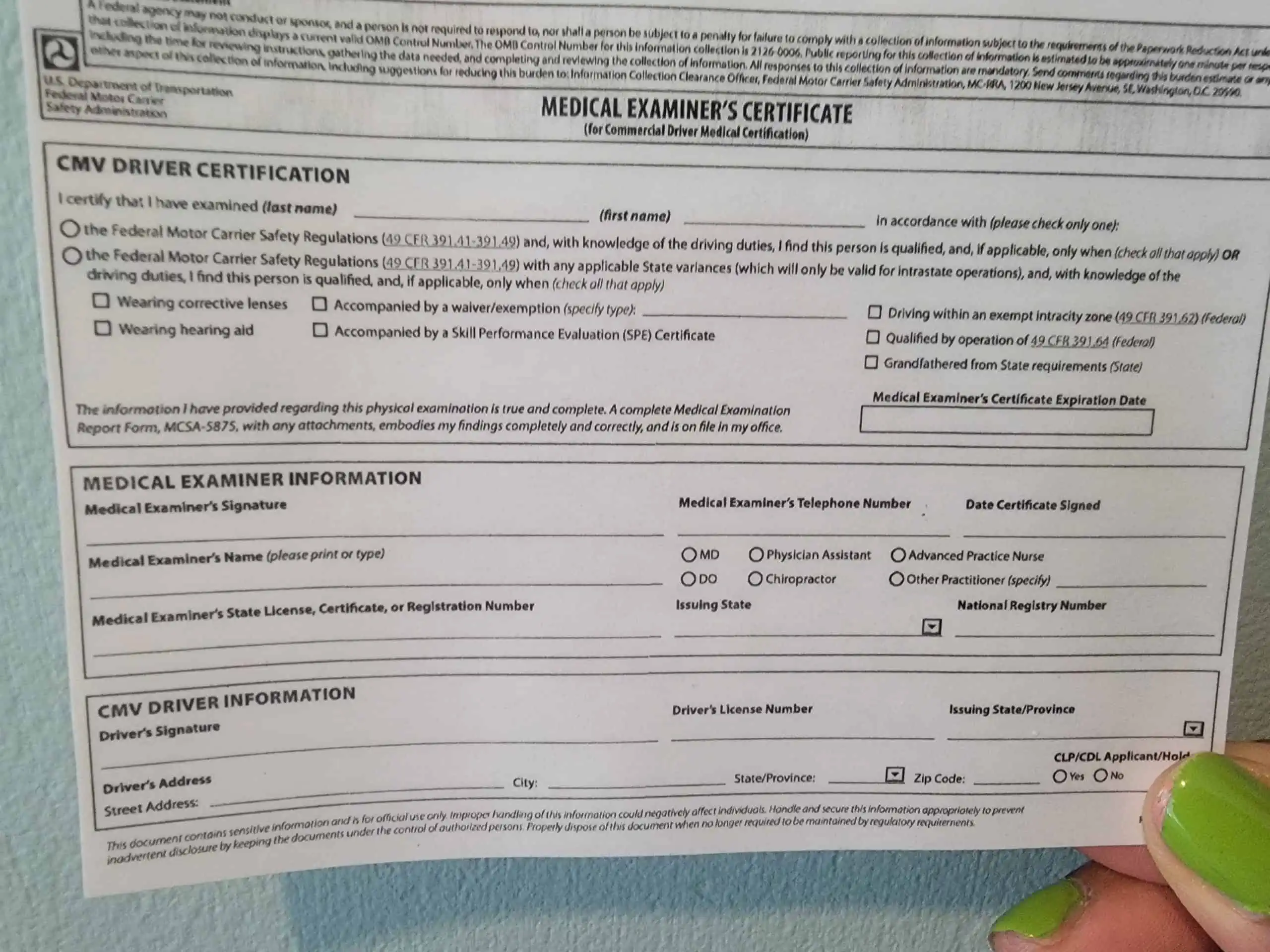
The DOT medical card, officially known as the Medical Examiner’s Certificate, is a document issued by a certified medical examiner after a thorough physical examination. This examination assesses various aspects of a driver’s health, including vision, hearing, blood pressure, and any pre-existing medical conditions that could impair driving ability. In Texas, as in all other states adhering to Federal Motor Carrier Safety Administration (FMCSA) regulations, drivers who operate CMVs requiring a Commercial Driver’s License (CDL) must possess a valid DOT medical card.
Who Needs a DOT Medical Card?
Generally, if your vehicle falls under specific criteria, you will need to obtain and carry a DOT medical card. These criteria often include:
- Gross Vehicle Weight Rating (GVWR): Vehicles with a GVWR of 10,001 pounds or more.
- Passenger Capacity: Vehicles designed to transport 15 or more passengers (including the driver).
- Hazardous Materials: Vehicles transporting materials classified as hazardous.
It’s important to note that specific exemptions may apply, and it’s always best to consult the official Texas DPS Commercial Driver License (CDL) handbook or their website for the most accurate and up-to-date information pertaining to your specific operational needs.
The Medical Examination Process
The examination must be performed by a certified Medical Examiner listed on the FMCSA National Registry. During the exam, the examiner will review your medical history and conduct tests covering:
- Vision: Acuity and field of vision.
- Hearing: Ability to hear a whispered voice.
- Blood Pressure: To ensure it’s within safe limits.
- Pulse: To check for irregular rhythms.
- Physical Examination: Including a review of the spine, extremities, and general physical condition.
- Medical History: Details about any existing conditions such as diabetes, heart disease, epilepsy, or mental health disorders.
- Drug and Alcohol Use: Inquiries about past or present substance abuse.
Upon successful completion of the examination, you will be issued a Medical Examiner’s Certificate, which is your DOT medical card. This card is typically valid for two years, though it may be for a shorter period if the medical examiner determines there are specific health concerns that require more frequent monitoring.
Submitting Your DOT Medical Card to the Texas DPS
Once you have your valid DOT medical card, the next critical step is to ensure it is properly recorded with the Texas Department of Public Safety. This is not a passive process; you must actively submit the necessary information. The primary goal of this submission is to update your CDL record, indicating that you have met the federal medical qualification requirements.
Methods of Submission
Texas offers several convenient ways to submit your DOT medical card information:
- Online Submission: This is often the most efficient and preferred method. The Texas DPS website provides an online portal for CDL holders to submit their medical certification. You will typically need your driver’s license number, date of birth, and the details from your Medical Examiner’s Certificate. This process generally ensures a faster update to your record.
- In-Person Submission: You can visit a Texas DPS Driver License office. It is advisable to call ahead to confirm that the specific office you plan to visit accepts medical certification submissions and to inquire about any required documentation or appointments. You will likely need to bring your original Medical Examiner’s Certificate.
- Mail Submission: While less common and generally slower, some individuals may opt to mail their documentation. You would typically need to send a copy of your Medical Examiner’s Certificate to the address specified by the Texas DPS. It is highly recommended to use certified mail to ensure proof of delivery.
Information Required for Submission
Regardless of the method chosen, you will generally need to provide:
- Your Texas Driver’s License Number: This is essential for identifying your record.
- Your Full Legal Name and Date of Birth: To verify your identity.
- The Medical Examiner’s Certificate: This includes the examiner’s information, issue date, expiration date, and your personal details as recorded by the examiner.
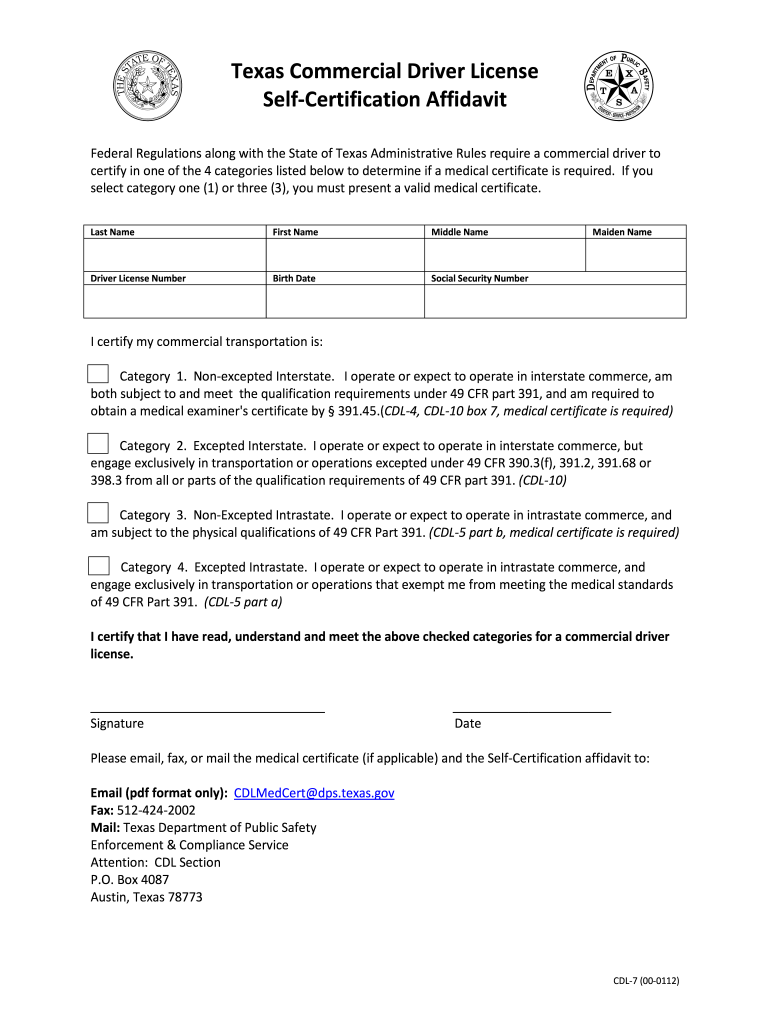
- Self-Certification of Medical Status: Texas requires CDL holders to self-certify their medical status. This involves indicating the type of CMV operation you are engaged in (e.g., non-excepted interstate, excepted interstate, non-excepted intrastate, excepted intrastate). Your chosen category will determine the type of medical certification you need to hold.

Processing and Verification
After submission, the Texas DPS will process your information. If submitted online, the update may be reflected in your record relatively quickly. If submitted via mail or in person, it may take longer. It is your responsibility to verify that your CDL record has been updated to reflect your medical certification status. You can usually do this by checking your driving record online or by contacting the DPS directly. Failure to have your medical certification updated on your record can lead to license downgrades or suspension.
Maintaining Your Medical Certification
The DOT medical card is not a one-time requirement; it demands ongoing attention to ensure continuous compliance. The validity period of your Medical Examiner’s Certificate is crucial in managing your renewal and submission schedule.
Renewal and Re-submission
As mentioned, your DOT medical card typically expires every two years. However, if you have a medical condition that requires closer monitoring, the examiner may issue a card with a shorter validity period. It is imperative to schedule your next medical examination before your current card expires. Once you obtain a new Medical Examiner’s Certificate, you must submit it to the Texas DPS promptly to avoid any lapse in your medical certification status on your CDL. Proactive planning is key; mark your calendar for renewal dates and begin the process well in advance.
Consequences of Non-Compliance
Operating a CMV without a valid and properly recorded DOT medical certification in Texas can have serious repercussions. These can include:
- CDL Downgrade: Your commercial driver’s license may be downgraded to a regular driver’s license, meaning you can no longer operate CMVs.
- License Suspension or Revocation: In more severe cases, your driving privileges may be suspended or revoked entirely.
- Fines and Penalties: You could face significant fines and other penalties from both state and federal authorities.
- Employment Issues: Many employers will not allow a driver to operate a company vehicle if their medical certification is not current and properly on file.
Staying informed about your renewal dates and diligently submitting your updated medical information is not just a regulatory obligation; it’s a fundamental aspect of responsible CMV operation.
Tips for a Smooth Submission Process
To ensure a seamless experience when submitting your DOT medical card in Texas, consider these helpful tips:
Choosing a Certified Medical Examiner
- Verify Certification: Always ensure the medical examiner you choose is listed on the FMCSA National Registry. You can usually verify this on the FMCSA website.
- Familiarity with CMV Requirements: Select an examiner who is experienced with DOT medical exams for commercial drivers. This can help ensure a thorough and efficient examination that addresses all necessary criteria.
Gathering Necessary Documentation
- Bring Your Current CDL: Have your Texas CDL with you at the medical exam.
- Medical Records: If you have chronic medical conditions, bring relevant medical records, doctor’s notes, and prescriptions. This can help the examiner make informed decisions about your fitness to drive.
- Corrective Lenses: If you wear glasses or contact lenses, bring them to the exam.
Understanding Self-Certification Categories
- Know Your Operation: Before your medical exam or submission, understand which self-certification category applies to your driving operation (e.g., Interstate Non-Excepted, Intrastate Excepted). This knowledge will be crucial when filling out the necessary forms and will inform the type of medical certification required. Misunderstanding this can lead to delays or incorrect submissions.
Staying Organized
- Keep Copies: Always keep a copy of your Medical Examiner’s Certificate for your personal records.
- Note-Taking: Record the date of your exam, the expiration date of your card, and the date you submitted the information to the DPS.
- Online Account: If the Texas DPS offers an online portal for managing your CDL, set up an account and use it to track your medical certification status.
By following these guidelines and staying proactive, you can ensure your DOT medical card submission process in Texas is straightforward and that you remain compliant with all federal and state regulations for commercial motor vehicle operators. This diligence not only keeps you on the road but also reinforces your commitment to safety in the trucking industry.
LifeOutOfTheBox is a participant in the Amazon Services LLC Associates Program, an affiliate advertising program designed to provide a means for sites to earn advertising fees by advertising and linking to Amazon.com. Amazon, the Amazon logo, AmazonSupply, and the AmazonSupply logo are trademarks of Amazon.com, Inc. or its affiliates. As an Amazon Associate we earn affiliate commissions from qualifying purchases.