
The image of a flamingo is inextricably linked with the vibrant, tropical allure of Florida. These magnificent pink birds grace postcards, neon signs, and countless souvenirs, embodying the state’s exotic charm. For many visitors planning their next Florida adventure, seeing a flamingo in its natural habitat is high on the list of desired experiences. But beneath the surface of this iconic imagery lies a fascinating and complex story: are flamingos truly native to Florida, or are they merely beautiful, long-term residents? The answer involves a journey through history, ecology, and ongoing conservation efforts, revealing a tale as captivating as the birds themselves.
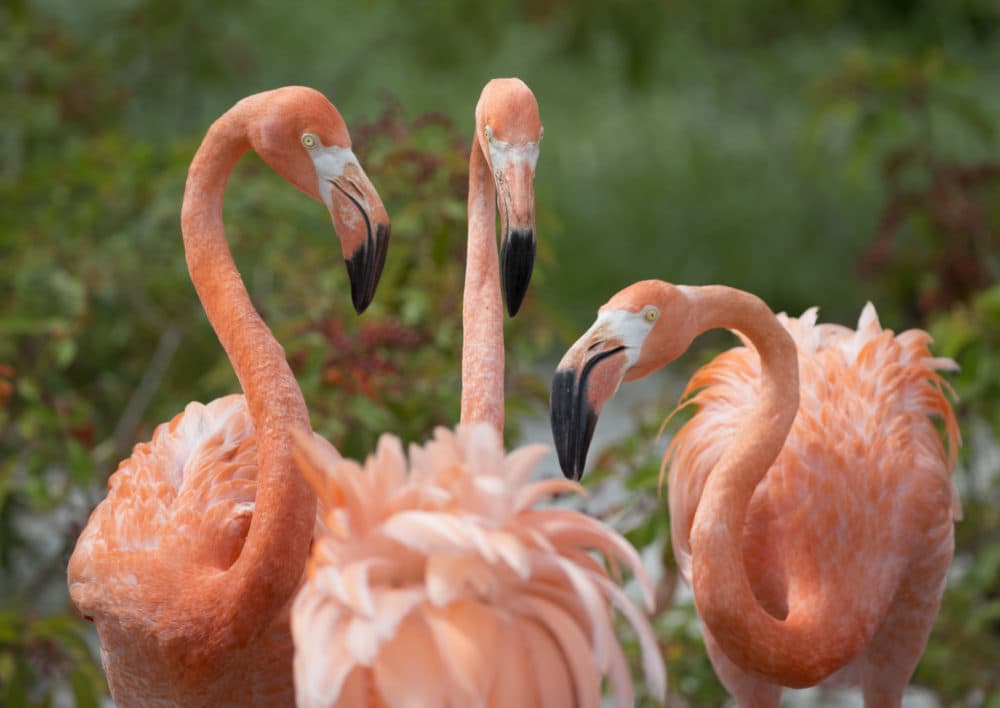
For decades, the presence of flamingos in the wild in Florida was a subject of scientific debate. Were they wild populations that had always been part of the state’s intricate ecosystem, or were they escapees from captive collections, or perhaps mere vagrants blown in by storms from the Caribbean basin? Recent research and increased sightings strongly suggest that the American Flamingo, or Phoenicopterus ruber, is indeed a legitimate, though sometimes absent, native species. This revelation adds another layer of wonder to Florida’s already rich biodiversity, making a flamingo sighting even more special for those seeking unique wildlife encounters during their tourism journeys. Understanding their history, habitats, and the best ways to observe them responsibly is key to appreciating these elegant creatures and integrating them into your ultimate Florida travel itinerary.
The Enigmatic History of Flamingos in Florida
The question of the flamingo’s native status in Florida is not new. It’s a debate that has spanned over a century, marked by periods of abundance, near-extinction, and a slow, hopeful return. Unraveling this historical puzzle is crucial to understanding their current presence and future in the Sunshine State.
A Tale of Extinction and Reintroduction
Historically, scientific consensus held that Florida’s wild flamingo populations were either escapees from zoos and private collections or occasional visitors from established colonies in the Caribbean, notably Cuba, the Yucatán Peninsula, and the Bahamas. This perspective was largely influenced by the dramatic decline of flamingos in the late 19th and early 20th centuries. During this era, these magnificent birds were hunted relentlessly for their vibrant feathers, which were highly prized for ladies’ hats, and sometimes for their meat. This relentless poaching decimated their numbers across South Florida, pushing them to the brink of local extinction. Their near-disappearance led many naturalists and ornithologists to conclude that any subsequent sightings were anomalous, attributing them to vagrancy or escape.
However, historical accounts and recent genetic studies tell a different story. Early naturalists and settlers described vast flocks of flamingos in Florida Bay and other shallow coastal waters, suggesting a robust native population. The birds were an integral part of the local ecosystem before human intervention led to their tragic decline. The concept of “reintroduction” isn’t strictly accurate in the conventional sense, as there haven’t been large-scale organized efforts to release captive-bred flamingos into the wild. Instead, what we’re witnessing is a natural recolonization. Flamingos from neighboring Caribbean populations, which are genetically linked to Florida’s historical birds, are increasingly making their way back, finding suitable habitats that are now better protected. This resurgence marks a hopeful chapter in Florida’s conservation narrative, demonstrating nature’s resilience when given a chance.
The Great Debate: Native or Vagrant?
The debate over the native status of Florida flamingos was a long-standing point of contention in ornithological circles. For many years, the influential ornithologist Frank Chapman, a founder of the Audubon Society, argued against their native status. He believed that the vast flocks described by early explorers were either exaggerated or observations of birds that were merely passing through. This perspective gained significant traction and shaped the prevailing scientific view for decades. The logic was that if flamingos were truly native, they would have recovered more quickly from hunting pressure, or evidence of nesting colonies would be more widespread and consistent.
However, more recent research, including the analysis of historical records, archaeological findings, and crucially, an increase in persistent sightings, has shifted the scientific consensus. Researchers like Jerry Lorenz of Audubon Florida have championed the cause for the American Flamingo’s native status. They point to historical observations of significant populations in Florida Bay and the Everglades National Park, as well as the increasing frequency and duration of flamingo presence in various parts of Florida. These birds are not just fleeting visitors; they are staying for extended periods, foraging, and demonstrating behaviors consistent with natural inhabitants. This re-evaluation highlights the dynamic nature of ecological understanding and emphasizes the importance of ongoing scientific inquiry in shaping our knowledge of landscapes and the species that inhabit them. For tourism and travel enthusiasts, this means that witnessing a wild flamingo in Florida is not just a chance encounter but an observation of a species reclaiming its ancestral home.
Where to Spot Flamingos in Florida Today
For travelers eager to witness these elegant pink birds, Florida offers several promising destinations and attractions. While wild sightings can be unpredictable, certain areas provide a higher chance, alongside guaranteed viewing opportunities in reputable wildlife parks. Planning your visit with this in mind can enhance your chances of a memorable encounter.
Iconic Flamingo Habitats and Tourist Hotspots
The most authentic and thrilling flamingo sightings occur in their preferred natural habitats: vast, shallow saltwater or brackish lagoons and mudflats. The sprawling Everglades National Park is undeniably the premier location for potentially spotting wild American Flamingos. Specifically, areas like Florida Bay and near the Flamingo visitor center at the park’s southernmost tip have reported significant sightings, particularly in recent years. Visitors can explore these areas via boat tours or kayak excursions, offering an immersive experience deep within this unique landscape. While less common, flamingos have also been observed in other coastal areas of South Florida, including parts of the Florida Keys and even occasionally in Biscayne Bay. Their presence can fluctuate with environmental conditions and food availability, making each wild sighting a truly special event. For those looking for more accessible wildlife viewing, consider the Shark Valley section of the Everglades, which offers tram tours and a paved bike trail where you might spot a variety of wading birds, though flamingos are a rarer sight here.
Beyond the Everglades National Park, other natural areas occasionally host flamingos. The Dry Tortugas National Park, a remote cluster of islands west of Key West, has recorded sightings of flamingos, further underscoring their wild migratory patterns. On Florida’s Gulf Coast, the St. Marks National Wildlife Refuge has also had rare flamingo visits, as has the Merritt Island National Wildlife Refuge on the Atlantic Ocean side. These refuges, renowned for their incredible birdlife, offer excellent opportunities for birdwatchers and nature photographers.
For a guaranteed flamingo encounter, Florida is home to several world-class zoos and wildlife parks that house healthy populations of American Flamingos in expansive, well-maintained exhibits. These locations are perfect for families and travelers who want to ensure a close-up view of these magnificent birds without the uncertainty of a wild search.
- Zoo Miami: Located in Miami, it boasts a vibrant flock of flamingos, often seen wading gracefully in their dedicated habitat.
- Busch Gardens Tampa Bay: This popular Tampa theme park features a diverse animal collection, including a lively flamingo habitat.
- Walt Disney World’s Animal Kingdom: Near Orlando, this park offers an immersive animal experience, and flamingos are among its many feathered residents.
These attractions not only provide fantastic viewing opportunities but also contribute to conservation efforts through education and research. They are excellent choices for a family trip or for any traveler looking to combine wildlife viewing with other popular Florida destinations.
Beyond the Pink: Responsible Flamingo Tourism
As awareness of Florida’s native flamingo population grows, so does the importance of practicing responsible tourism and wildlife viewing. These birds, while resilient, are sensitive to disturbance, especially in their natural habitats. Observing them ethically ensures their continued return and wellbeing, preserving the experience for future generations.
When venturing into natural areas like Everglades National Park or various wildlife refuges, it’s crucial to follow all park rules and guidelines. Always maintain a respectful distance from flamingos and other wildlife. Use binoculars or a telephoto lens for close-up viewing and photography, rather than approaching the birds directly. Never attempt to feed or interact with wild animals, as this can alter their natural behaviors and potentially cause harm. Minimizing noise and sudden movements will also help prevent startling the birds, allowing them to continue their natural activities undisturbed.

If you opt for guided tours, choose reputable operators who prioritize wildlife safety and conservation. Experienced guides are knowledgeable about local ecosystems and wildlife etiquette, ensuring that your experience is both enriching and respectful. Supporting eco-tourism initiatives also contributes directly to the protection of these fragile environments.
Remember that Florida’s ecosystems are incredibly delicate. Stay on marked trails, dispose of all trash properly, and avoid disturbing vegetation or marine life. Responsible tourism not only enhances your personal connection with nature but also plays a vital role in the ongoing recovery and conservation of Florida’s wild flamingos. By being mindful and respectful, you contribute to ensuring that these magnificent birds continue to grace Florida’s waters for years to come.
The Flamingo’s Role in Florida’s Ecosystem and Culture
The presence of flamingos in Florida, whether historical or contemporary, extends beyond mere visual appeal. These birds play a specific role in the delicate balance of wetland ecosystems and have etched themselves into the state’s cultural identity, symbolizing its unique blend of wild beauty and vibrant lifestyle.
Ecological Importance and Conservation Efforts
Flamingos are primarily filter feeders, sifting through shallow waters to consume tiny crustaceans, algae, and diatoms. This feeding behavior makes them important indicators of wetland health. Their diet, rich in carotenoid pigments from brine shrimp and algae, is what gives them their characteristic pink coloration. A healthy population of flamingos suggests a thriving ecosystem with abundant food sources and clean water. As they forage, they also stir up sediments, which can influence nutrient cycling in their shallow water habitats. Their large flocks, while visually stunning, also represent a significant biomass that interacts with other species within the food web.
The return of the American Flamingo to Florida is a testament to persistent conservation efforts across the region. Organizations like Audubon Florida and the Florida Fish and Wildlife Conservation Commission (FWC) have been instrumental in advocating for and protecting critical wetland habitats, particularly in the Everglades National Park and the Florida Keys. Restoring freshwater flow to the Everglades and protecting coastal areas from pollution and development are vital steps in ensuring that flamingos have the suitable habitat and food resources they need to thrive.
Beyond specific species protection, these efforts contribute to the overall health of Florida’s unique landscapes. Protecting the flamingo’s habitat benefits countless other species, from wading birds and fish to alligators and manatees. For any traveler passionate about nature and conservation, understanding these ecological connections enriches the experience of visiting Florida’s natural wonders. Choosing eco-friendly accommodations and supporting businesses committed to sustainability also helps funnel resources into these crucial conservation initiatives, making your travel choices part of the solution.
A Symbol of Florida’s Unique Charm
Beyond their ecological importance, flamingos have become an undeniable cultural icon of Florida. Their distinctive silhouette and vibrant color evoke images of sunshine, leisure, and tropical escape. From classic art deco designs in Miami to playful garden ornaments, the flamingo is ubiquitous in Florida’s aesthetic. This cultural adoption reinforces Florida’s brand as a premier travel destination, appealing to visitors seeking both relaxation and unique experiences.
The flamingo’s symbolic power is evident in various aspects of Florida’s lifestyle and tourism industry. They feature prominently in marketing campaigns for everything from luxury resorts and hotels to local attractions and boutiques. For families planning a trip, the allure of seeing these pink birds adds an element of whimsical charm to their vacation itinerary. For those interested in luxury travel, the flamingo often symbolizes the elegant, relaxed vibe associated with high-end Florida getaways in places like Miami Beach or Naples.
This cultural integration means that even if a wild flamingo sighting proves elusive, visitors can still immerse themselves in the “flamingo spirit” through various attractions, art, and souvenirs. The bird serves as a reminder of Florida’s commitment to preserving its natural beauty while embracing its vibrant, welcoming identity. This makes the flamingo not just a bird, but a vital thread in the colorful tapestry of Florida’s appeal as a world-class travel destination.
Planning Your Flamingo-Themed Florida Adventure
Embarking on a Florida trip with the goal of seeing flamingos requires a bit of planning, but it’s an incredibly rewarding endeavor. Whether you’re seeking a wild encounter or a guaranteed view at a wildlife park, combining your flamingo quest with comfortable accommodations and other Florida attractions will ensure an unforgettable experience.
Accommodations for Every Traveler
Florida’s diverse tourism landscape means there’s an accommodation option for every lifestyle and budget. If your primary goal is to spot wild flamingos in the Everglades National Park, consider staying in nearby Homestead, Florida City, or even Key Largo in the Upper Keys. These areas offer a range of hotels and motels, providing convenient access to the park’s entrances and tour operators. For a more rustic, immersive experience, you might even find cabins or glamping options available closer to natural areas, offering unique stays amidst Florida’s natural beauty.
For those who prefer a more luxurious lifestyle or plan to combine flamingo viewing with other upscale attractions, metropolitan areas like Miami, Fort Lauderdale, and Naples offer an array of high-end resorts and suites. Many hotels in South Florida embrace the tropical aesthetic, some even featuring their own resident flamingos or themed amenities. Imagine staying at a five-star resort like The Ritz-Carlton, Naples or the exclusive Little Palm Island Resort & Spa in the Florida Keys, offering unparalleled comfort after a day of exploration. For families or longer stays, vacation rentals and villas are abundant, providing ample space and home-like comforts, perfect for a family trip that combines wildlife and relaxation.
When booking your accommodation, always check reviews and consider using comparison websites to find the best deals. Proximity to your chosen flamingo viewing spots and other desired attractions should be a key factor in your decision.
Crafting Your Itinerary: Tips for an Unforgettable Trip
Creating a well-thought-out itinerary is essential for maximizing your chances of seeing flamingos and enjoying all that Florida has to offer.
- Best Time to Visit: While flamingos can be seen year-round, the dry season (roughly November to April) often provides more predictable weather and lower water levels, which can concentrate wading birds, making them easier to spot in natural areas. This also aligns with Florida’s peak tourism season.
- Combine Wild and Captive Viewings: For the best of both worlds, plan to visit Everglades National Park for a chance at wild sightings, and also schedule a visit to Zoo Miami or Busch Gardens Tampa Bay for a guaranteed close-up. This approach provides both the thrill of discovery and the certainty of observation.
- Essential Gear: Don’t forget binoculars or a spotting scope, especially for wild encounters. A good camera with a zoom lens will also be invaluable for capturing those distant pink flashes. Comfortable walking shoes, sun protection (hat, sunglasses, sunscreen), and insect repellent are must-haves for any Florida outdoor adventure.
- Explore Beyond Flamingos: Integrate your flamingo quest with other incredible Florida experiences. Explore the vibrant art deco architecture of South Beach, delve into the rich local culture and food scene of Miami, or embark on an airboat tour through the Everglades to see alligators. The Florida Keys offer fantastic snorkeling, diving, and charming seaside towns.
- Transportation: Renting a car often provides the most flexibility for exploring various destinations at your own pace. Consider local guides or specialized tours for specific wildlife viewing areas, as they offer expert knowledge and access.
By following these travel tips and leveraging the rich information available on Florida destinations, you can plan a flamingo-focused trip that is both thrilling and deeply satisfying. The journey to discover if flamingos are native to Florida is an adventure in itself, connecting you with the state’s remarkable natural heritage and vibrant spirit.
LifeOutOfTheBox is a participant in the Amazon Services LLC Associates Program, an affiliate advertising program designed to provide a means for sites to earn advertising fees by advertising and linking to Amazon.com. Amazon, the Amazon logo, AmazonSupply, and the AmazonSupply logo are trademarks of Amazon.com, Inc. or its affiliates. As an Amazon Associate we earn affiliate commissions from qualifying purchases.