
Florida, widely celebrated as the Sunshine State, conjures images of endless summer, sun-drenched beaches, and balmy breezes. This idyllic portrayal is largely accurate, making it a perennial top destination for travelers seeking warmth and escape from harsher climates. However, the notion that Florida never experiences “cold” weather is a common misconception. While it certainly doesn’t endure the prolonged, biting winters characteristic of the northern United States or Canada, residents and savvy visitors know that the mercury can indeed drop, bringing a refreshing, albeit temporary, chill to the air. Understanding when and where this “cold” occurs is key to planning the perfect trip, whether you’re chasing the sun or simply looking for a pleasant winter retreat.
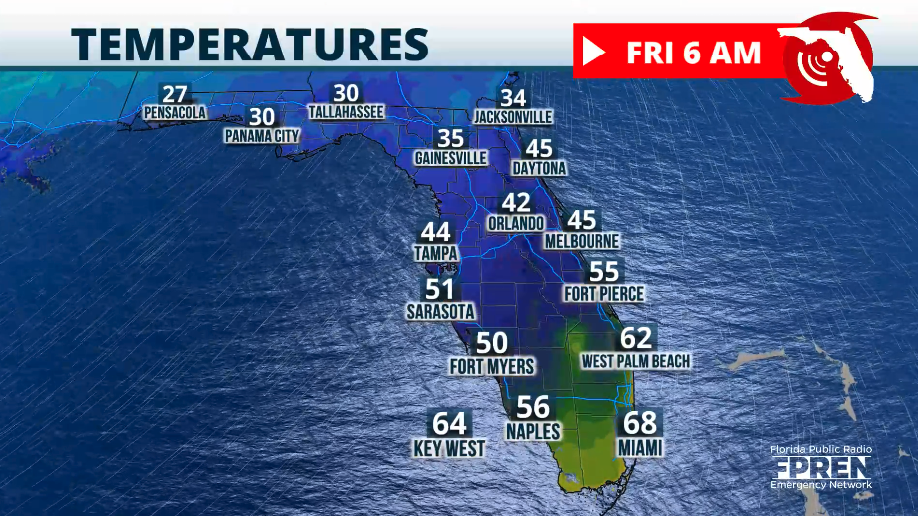
The definition of “cold” in Florida is incredibly relative. For a native Floridian, anything below 60°F (15°C) might warrant a jacket, while visitors from colder regions might still consider 50°F (10°C) a mild, even pleasant, reprieve. This article will delve into the nuances of Florida’s cooler seasons, exploring the typical timeline for temperature dips, the regional variations across the state, and how these weather patterns influence travel, lifestyle, and the overall experience for those exploring its diverse offerings. From the bustling theme parks of Orlando to the tranquil beaches of the Gulf Coast and the vibrant culture of South Florida, preparing for Florida’s cooler days ensures a comfortable and enjoyable stay.
Understanding Florida’s Winter: A Relative Chill
Unlike many parts of the northern hemisphere, Florida doesn’t experience the traditional four seasons in the same dramatic fashion. Instead, it largely operates on a wet season (summer) and a dry season (winter). The “cold” weather in Florida typically manifests as cooler, drier air masses that move in, primarily from late autumn through early spring.
The Peak Cold Season: December to February
The coldest months in Florida are generally December, January, and February. During this period, the state experiences its lowest average temperatures. While “lowest” is the operative word, it’s important to manage expectations. In South Florida, daily highs often remain in the 70s°F (21-26°C), with nighttime lows occasionally dipping into the 50s°F (10-15°C). Further north, in Central Florida, daytime temperatures might hover in the 60s°F (15-20°C) with cooler evenings in the 40s°F (4-9°C). North Florida sees the most significant drops, with daytime temperatures in the 50s°F (10-15°C) and occasional frosts or even rare freezes overnight.
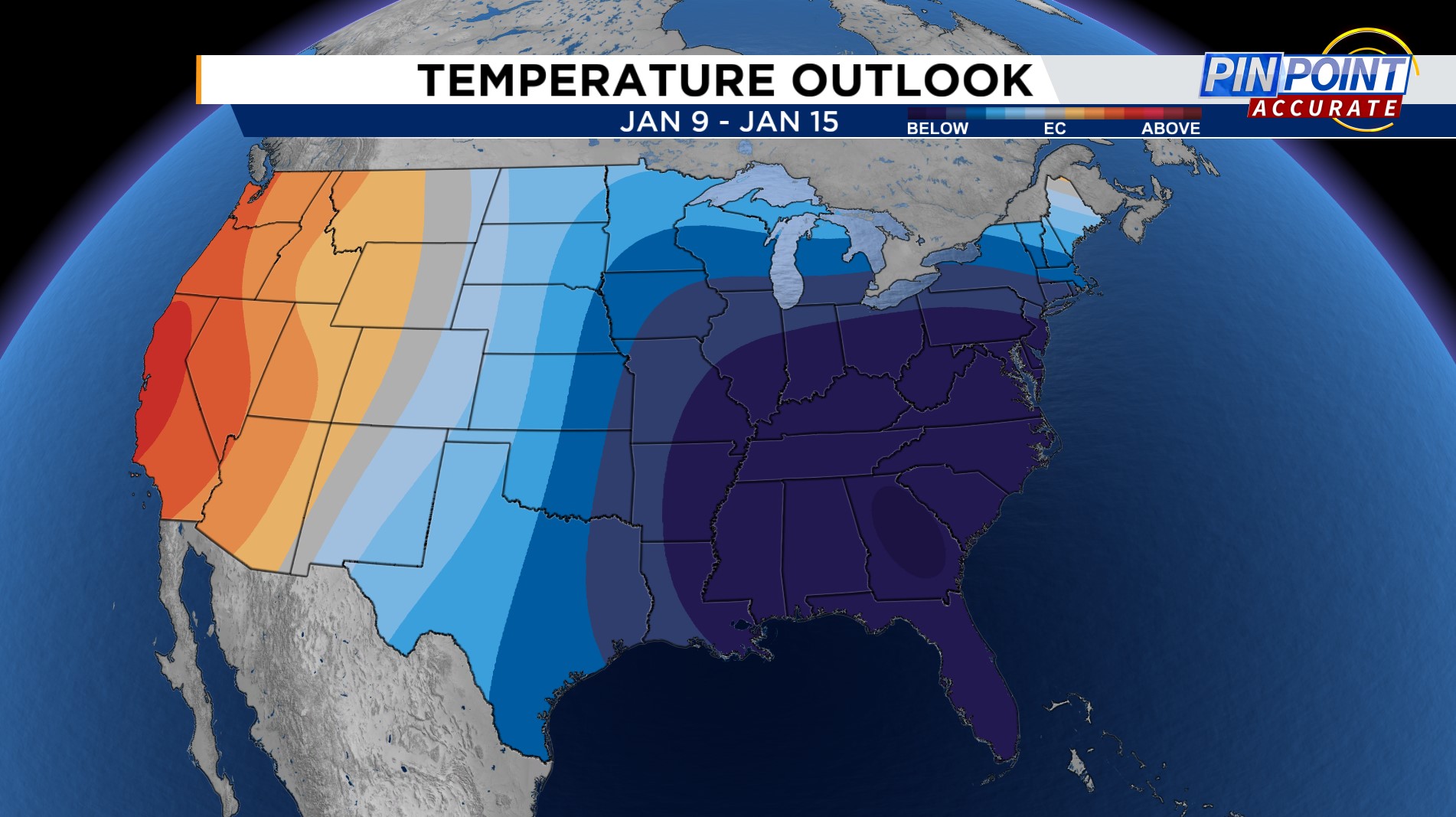
These temperature drops are largely due to cold fronts that push south from the continental United States. These fronts can bring cooler, drier air, often accompanied by strong breezes that make the air feel even chillier. A typical cold snap might last for a few days before temperatures rebound to more characteristically mild Floridian levels. It’s this fluctuating pattern—periods of mild, sunny weather interspersed with cooler days—that defines Florida’s winter.
What Constitutes a “Cold Front”?
A cold front in Florida is a meteorological event where a mass of colder, denser air displaces a mass of warmer air. These fronts are a regular feature of the state’s winter climate. When a significant cold front passes through, it can cause temperatures to drop by 10-20 degrees Fahrenheit (6-11 degrees Celsius) within a day or two. While severe freezes are uncommon, they are not unheard of, particularly in the northern half of the state. These events can impact agriculture, especially Florida’s citrus crops, and local wildlife, like manatees, which seek warmer waters in springs and power plant outflows. For visitors, understanding the potential for these fronts means packing layers and checking local forecasts.
Regional Variations: Where to Find the Warmest Spots
Florida’s long, narrow peninsula means there’s a significant north-south temperature gradient. The further south you travel, the warmer the winter temperatures tend to be, largely due to the moderating effects of the surrounding Atlantic Ocean and Gulf of Mexico, as well as the proximity to the Gulf Stream.
North Florida: Experiencing a More Defined Winter
Cities like Jacksonville, Tallahassee, and Gainesville in North Florida experience the chilliest winters. Here, cold fronts can bring temperatures that truly feel cold, sometimes dipping below freezing overnight. While snow is an extremely rare event, frosts are more common, especially in rural areas. Visitors to these regions during winter should be prepared for cooler daytime temperatures, often in the 50s and 60s°F (10-20°C), and nights that can fall into the 30s and 40s°F (0-9°C). Activities might include exploring historic St. Augustine, visiting the Castillo de San Marcos, or enjoying the natural beauty of Amelia Island, which remain pleasant under milder conditions.
Central Florida: Mild and Inviting
Central Florida, home to major tourist hubs like Orlando, Tampa, and St. Petersburg, offers a significantly milder winter experience. Daytime temperatures usually range from the mid-60s to mid-70s°F (18-24°C). Nights can be cool, often in the 40s or 50s°F (4-15°C), but rarely drop below freezing. This makes Central Florida a hugely popular winter destination, particularly for those looking to enjoy world-famous theme parks such as Walt Disney World Resort and Universal Orlando Resort, or exploring attractions like the Dali Museum in St. Petersburg or Busch Gardens Tampa Bay. The cooler, drier air is often perceived as more comfortable for extensive outdoor activities than the humid summer heat.
South Florida and the Florida Keys: The Warmest Retreat
For those truly escaping winter, South Florida and the Florida Keys are the ultimate sanctuaries. Cities like Miami, Fort Lauderdale, West Palm Beach, and Key West boast average winter temperatures in the high 70s°F (24-26°C) during the day, with night-time lows rarely falling below 60°F (15°C). Even when a cold front sweeps through the rest of the state, its effects are significantly diminished here. The Florida Keys, being further south and surrounded by warm ocean waters, typically remain the warmest part of the continental United States throughout the winter. This makes them ideal for marine activities, lounging on South Beach, or exploring the unique ecosystems of Everglades National Park and Dry Tortugas National Park.
Impact on Travel, Tourism, and Lifestyle
The cooler months in Florida, despite the occasional chill, are arguably the state’s peak tourist season. Millions flock to the peninsula from colder regions of the United States, Canada, and Europe to enjoy its agreeable winter climate.
Why Winter is Prime Time for Florida Tourism
- Comfortable Outdoor Activities: The lower humidity and milder temperatures are perfect for golfing, hiking, cycling, and exploring natural landmarks like the Everglades. It’s also an excellent time for visiting zoos, botanical gardens, and outdoor attractions like the Kennedy Space Center without the intense summer heat.
- Festivals and Events: Florida comes alive with festivals and events during the cooler months. From the vibrant street festivals in Miami (like Art Basel Miami Beach) and Fort Lauderdale to arts and crafts shows in charming towns like Winter Park and Naples, there’s a rich tapestry of local culture and entertainment.
- Snowbirds and Seasonal Residents: The influx of “snowbirds” (seasonal residents) significantly boosts the economy and vibrancy of communities, particularly along the Gulf Coast in areas like Sarasota, Naples, Fort Myers, and the Florida Keys. This creates a lively lifestyle with increased demand for restaurants, activities, and accommodation options.
Packing and Preparation for a Florida Winter Trip
Despite the generally mild conditions, smart packing is essential for a winter trip to Florida. The key is layering. While you’ll likely want shorts, t-shirts, and swimwear for warm days, you should also bring:
- Light jackets or sweaters: Especially for evenings and cooler days, even in South Florida.
- Long pants or jeans: For cooler nights and formal dining.
- Closed-toe shoes: If temperatures drop significantly.
- A rain jacket or umbrella: Winter is the dry season, but occasional showers can still occur.
For those planning water activities, be aware that while air temperatures might be pleasant, ocean and pool temperatures can be cooler, especially in North and Central Florida. Heated pools are common at resorts and hotels, but swimming in the Atlantic Ocean or Gulf of Mexico might require a wetsuit for sensitive individuals, particularly in January and February.
Accommodation and Travel Planning During the Cooler Months
Given the popularity of Florida as a winter escape, planning your accommodation and travel logistics well in advance is crucial. This is particularly true for peak periods like Christmas, New Year’s, and Spring Break, even if the latter often falls just outside the coldest window.
Booking Your Stay: Hotels, Resorts, and Villas
The demand for hotels, resorts, apartments, and villas in Florida skyrockets during the winter season. Expect higher prices and limited availability, especially in prime locations like Orlando, Miami, and the Florida Keys. Many visitors opt for long-term stays, particularly those from colder climates seeking a multi-month escape.
- Early Booking is Key: To secure the best rates and preferred locations, it’s advisable to book your accommodation several months in advance. Utilize booking platforms and comparison sites to find suites or resorts that offer the amenities you desire.
- Consider Diverse Options: Beyond traditional hotels, Florida offers a wide array of accommodation types. Villas and apartments are excellent for families or longer stays, providing more space and self-catering options.
- Reviews and Comparisons: Always check reviews and compare options to ensure the chosen property meets your expectations, particularly regarding heating in cooler climates (though rarely a primary concern, it’s good to be aware).

Navigating Peak Season Crowds and Planning Activities
While the weather is generally delightful, the popularity of Florida in winter means larger crowds at popular attractions. Theme parks, particularly Walt Disney World Resort and Universal Orlando Resort, can be extremely busy.
- Strategize Park Visits: Consider visiting theme parks on weekdays or during less popular times of day. FastPass+ (at Disney World) or Universal Express Passes can be invaluable.
- Explore Lesser-Known Gems: Venture beyond the most famous destinations to find quieter beaches, state parks, or charming small towns that offer unique experiences without the crowds. Sanibel Island and Captiva Island for shelling, or the historic Boca Grande on Gasparilla Island offer serene alternatives.
- Enjoy Winter-Specific Activities: Seek out activities that truly shine in the cooler weather, such as manatee viewing at Crystal River or Homosassa Springs, or airboat tours in the Everglades where wildlife is often more active.
In conclusion, “cold” in Florida is a phenomenon best understood through a Floridian lens – a temporary dip that serves as a refreshing counterpoint to its usual warmth. While December, January, and February bring the coolest temperatures, particularly to North Florida, the vast majority of the state remains a welcoming, mild escape. With a little preparation and an understanding of regional variations, visitors can enjoy Florida’s unparalleled tourism offerings, vibrant lifestyle, and comfortable outdoor activities even when a hint of “cold” is in the air. So, pack those layers, embrace the relative chill, and get ready to experience the Sunshine State at its most inviting.
LifeOutOfTheBox is a participant in the Amazon Services LLC Associates Program, an affiliate advertising program designed to provide a means for sites to earn advertising fees by advertising and linking to Amazon.com. Amazon, the Amazon logo, AmazonSupply, and the AmazonSupply logo are trademarks of Amazon.com, Inc. or its affiliates. As an Amazon Associate we earn affiliate commissions from qualifying purchases.