
Navigating the Sunshine State’s extensive road network is an integral part of any Florida travel experience, whether you’re heading to theme parks in Orlando, the vibrant beaches of Miami, or the historic streets of St. Augustine. A common question that arises for both residents and visitors is about the status of Florida tolls. Are they ever suspended, and what does that mean for your travel plans? The short answer to whether Florida tolls are currently suspended is generally “no,” under normal circumstances. However, the nuances surrounding toll suspensions, particularly during emergencies, are crucial for any traveler to understand. This comprehensive guide delves into the intricate world of Florida’s toll roads, exploring when and why tolls might be suspended, how to navigate them effectively, and what the future holds for this critical aspect of the state’s infrastructure.
Understanding Florida’s Extensive Toll Road Network
Florida boasts one of the most comprehensive toll road systems in the United States, designed to facilitate efficient travel across its vast and popular regions. These roads are vital for managing traffic flow, reducing congestion, and funding crucial infrastructure projects that support the state’s growing population and tourism industry.
The Backbone of Florida Travel
The state’s toll roads serve as arterial routes connecting major metropolitan areas, tourist destinations, and economic centers. They offer faster, often less congested alternatives to free highways, making them a preferred choice for many travelers seeking to optimize their journey time. From the bustling corridors of South Florida to the scenic routes traversing Central Florida and beyond, these networks are essential for both daily commuters and vacationers. Their existence underscores Florida’s commitment to maintaining a robust transportation infrastructure capable of supporting its dynamic environment.
Key Toll Roads and Systems
Several major toll roads and electronic payment systems define the Florida toll landscape. The most prominent is Florida’s Turnpike, a 300-mile limited-access highway stretching from Homestead in the south to Wildwood in the north, acting as a crucial artery through the state. Other significant tolled routes include segments of Interstate 4 and Interstate 75, as well as numerous expressways and bridges managed by regional toll authorities such as the Orlando Orange County Expressway Authority (now CFX) and the Miami-Dade Expressway Authority (MDX).
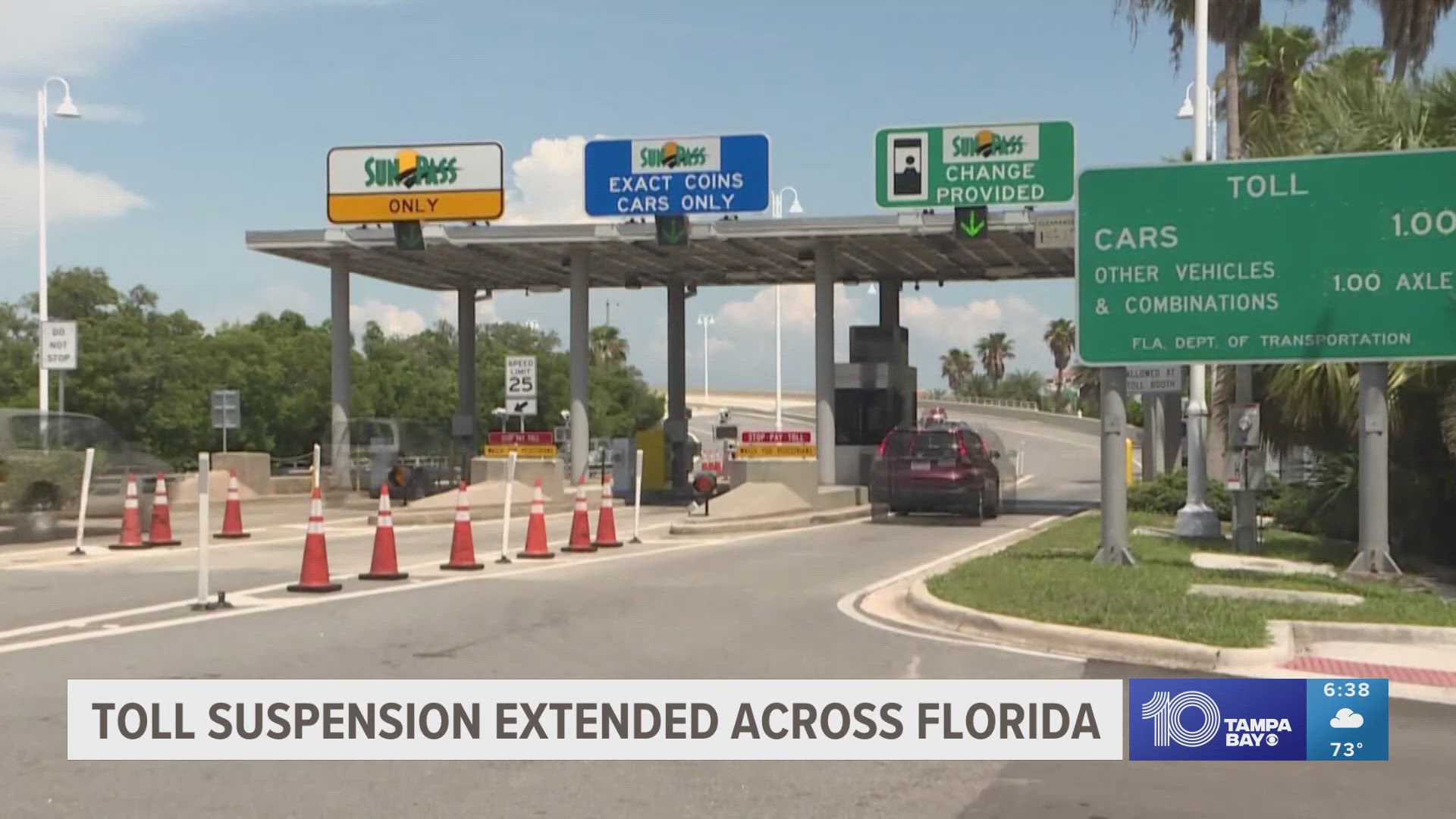
To manage these tolls efficiently, Florida primarily utilizes the SunPass electronic toll collection system. SunPass transponders allow for seamless, cashless payment, automatically deducting tolls as vehicles pass through toll gantries. For those without a SunPass, the Toll-by-Plate system is an alternative, where cameras capture license plate images, and a bill is mailed to the registered owner. While convenient, Toll-by-Plate typically includes additional administrative fees, making SunPass the more economical option for frequent travelers.
When and Why Tolls Might Be Suspended
While tolls are a constant feature of Florida’s road network, there are specific, albeit rare, circumstances under which they may be temporarily suspended. These suspensions are almost exclusively related to public safety and emergency management, particularly during severe weather events.
Emergency Declarations and Hurricane Evacuations
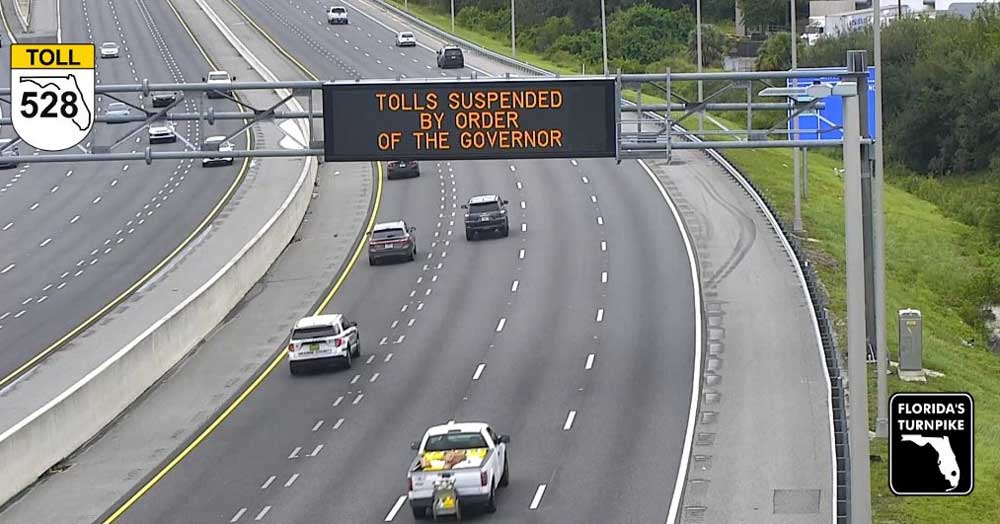
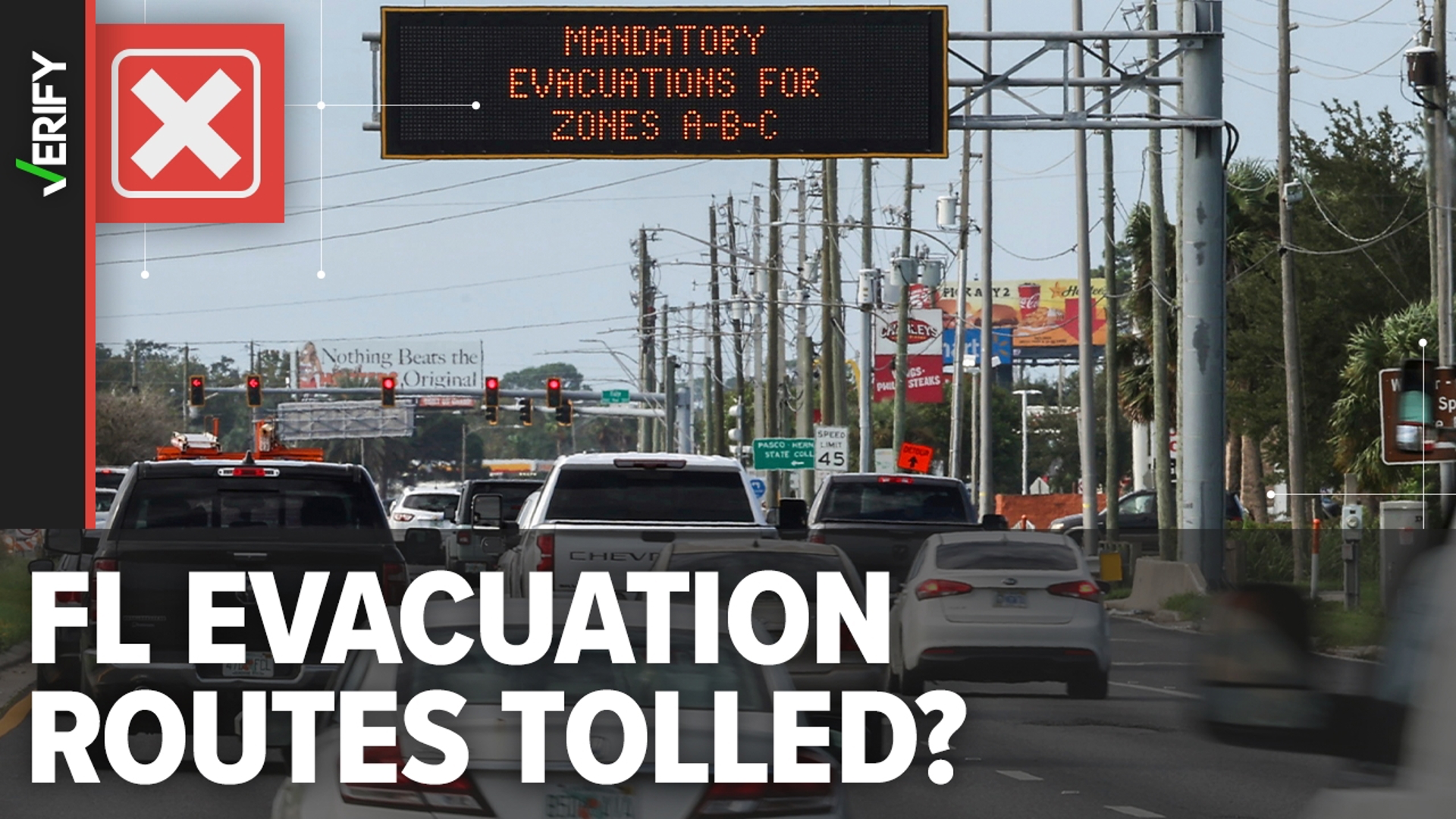
The primary reason for toll suspensions in Florida is an official state of emergency, most commonly declared in anticipation of a major hurricane. When a hurricane threatens the state, authorities prioritize the safe and efficient evacuation of residents and visitors from coastal or vulnerable areas. Suspending tolls during these critical periods removes financial barriers and speeds up the evacuation process, allowing people to move inland quickly without having to stop at toll plazas. This policy is a crucial component of Florida’s comprehensive disaster preparedness strategy, reflecting the state’s proactive approach to protecting its populace. The decision to suspend tolls is typically made at the highest levels of state government, often by the Governor, in consultation with the Florida Department of Transportation (FDOT) and emergency management officials.
Past Instances of Toll Suspensions
Florida has a history of implementing toll suspensions during significant hurricane threats. For example, tolls were suspended statewide or in affected regions during major hurricane events like Hurricane Irma in 2017, Hurricane Dorian in 2019, and Hurricane Ian in 2022. These suspensions often last for several days, beginning prior to the storm’s landfall to facilitate evacuations and continuing through the immediate aftermath to aid in recovery efforts and allow emergency personnel and supplies to move freely. Each instance serves as a practical demonstration of how the state leverages its infrastructure policies to serve the public good during times of crisis. These events underscore the dynamic nature of travel regulations in Florida and the importance of staying informed through official channels.
The Logistics of Suspension Implementation
When a toll suspension is announced, it typically applies to all toll roads under the jurisdiction of the state, including Florida’s Turnpike and other state-operated toll facilities. Regional toll authorities often follow suit, extending the suspension to their local expressways. The implementation is usually immediate, with signage at toll plazas indicating the suspension, and electronic tolling systems being deactivated for charges. It’s important to note that even during a suspension, drivers might still see “Do Not Stop” or similar messages at toll gantries, as the systems are designed for continuous flow. However, no charges would be incurred. Once the emergency passes and conditions are deemed safe, an official announcement is made to reinstate tolls, often with sufficient notice to the public.
The Current Status of Florida Tolls
As of now, under non-emergency conditions, tolls on Florida’s roads are active and enforced. Travelers should plan accordingly, ensuring they have a suitable method for payment.
Checking Official Sources for Real-Time Updates
For the most accurate and up-to-date information regarding toll suspensions or other travel advisories, always refer to official sources. The Florida Department of Transportation (FDOT) website, the Florida’s Turnpike Enterprise website, and the SunPass website are invaluable resources. Additionally, local news outlets, the National Weather Service for weather-related alerts, and state emergency management agencies provide critical updates during emergency situations. Relying on these authoritative channels ensures you receive timely and accurate information, which is paramount when planning travel or responding to an emergency.
Navigating Florida’s Tolls Today
For routine travel, it is essential to be prepared for tolls. The easiest and most cost-effective way is to acquire a SunPass transponder. These can be purchased at numerous retail locations across the state, including grocery stores and pharmacies, or online. Once activated and linked to a payment method, it provides hassle-free travel on all Florida toll roads and even in some other states with compatible systems. For visitors who prefer not to purchase a transponder, the Toll-by-Plate system will capture your license plate information, and a bill will be mailed to the vehicle’s registered owner. Rental car companies often have their own toll programs, which might automatically opt you into a daily or per-rental fee for toll usage, so it’s wise to inquire about these policies when renting a vehicle.
Permanent Toll Discounts or Relief Programs
While general toll suspensions are rare and temporary, Florida has explored and implemented some permanent or long-term toll relief initiatives. For instance, in recent years, the state has introduced programs aimed at providing financial relief to frequent commuters. These programs often offer discounts or rebates to SunPass users who exceed a certain number of monthly toll transactions. Such initiatives are designed to ease the financial burden on residents who regularly use toll roads for work or essential travel, reflecting a broader effort to balance infrastructure funding with affordability for citizens. Travelers should check the SunPass website or the Florida Department of Transportation for current information on any active discount programs.
Essential Tips for Travelers on Florida’s Toll Roads
Preparing for Florida’s toll roads can significantly enhance your travel experience, ensuring smooth journeys and avoiding unexpected fees.
Pre-Trip Planning and Budgeting for Tolls
Before embarking on your Florida adventure, take some time to map out your route and estimate potential toll costs. Online mapping services often have options to include or avoid toll roads, and some can even provide estimated toll expenses. Budgeting for tolls is especially important if you plan extensive travel through areas like Orlando, Miami, or Tampa, where toll roads are prevalent. Understanding the financial aspect beforehand eliminates surprises and allows for a more relaxed trip.
Utilizing Electronic Payment Systems (e.g., SunPass)
As highlighted, the SunPass system is by far the most convenient and cost-effective way to pay tolls in Florida. Consider purchasing a SunPass transponder, even for a short trip, if you anticipate using toll roads frequently. The SunPass Mini Sticker is inexpensive and can be purchased at many retail locations upon arrival. Alternatively, for those with E-ZPass accounts from other states, many Florida toll roads are now interoperable, meaning your E-ZPass transponder might work. Always verify interoperability with your specific transponder and the toll authority you’ll be using.
Avoiding Toll-by-Plate Fees
While Toll-by-Plate provides a fallback option, it’s generally more expensive due to administrative fees. To avoid these extra charges, ensure you have a valid electronic payment method. If you mistakenly pass through a toll without SunPass or E-ZPass, some toll authorities allow you to proactively pay the toll online within a few days to avoid a mailed bill with additional fees. Check the relevant toll authority’s website for “missed toll” payment options. Ignoring Toll-by-Plate bills can lead to escalated fees, penalties, and even holds on vehicle registration, so prompt payment or proactive resolution is crucial.
The Future of Tolling in Florida
Florida’s transportation infrastructure is continuously evolving to meet the demands of its growing population and tourist influx. The future of tolling will likely involve technological advancements and strategic expansion.
Infrastructure Development and Expansion
The state continues to invest heavily in its road network, including the expansion of existing toll roads and the development of new expressways. These projects aim to alleviate congestion in rapidly growing urban and suburban areas, improve connectivity between major cities like Jacksonville, Tampa, and Fort Lauderdale, and enhance overall traffic flow. New lanes, interchanges, and entirely new toll roads are often funded through future toll revenues, ensuring that the system can adapt to evolving transportation needs. These developments are crucial for maintaining Florida’s economic vitality and its status as a premier travel destination.
Potential Changes in Policy and Technology
As technology advances, so too will the methods of toll collection and management. We may see further integration of electronic payment systems, potentially leading to a more unified national tolling network. Innovations in vehicle technology, such as autonomous vehicles and connected car systems, could also influence how tolls are assessed and paid in the future, potentially leading to more dynamic pricing models based on real-time traffic conditions or vehicle occupancy. Policy-wise, there will likely be ongoing discussions about balancing infrastructure funding with affordability for drivers, potentially leading to new discount programs or adjustments to toll rates. Regardless of future changes, the goal remains the same: to provide efficient, safe, and sustainable transportation options for everyone traveling through the vibrant state of Florida.
In conclusion, while the question “Are Florida Tolls Suspended?” typically yields a “no” under normal circumstances, understanding the emergency protocols and effective strategies for navigating Florida’s toll roads is invaluable for any traveler. By staying informed and prepared, you can ensure a smooth and enjoyable journey through the Sunshine State.
LifeOutOfTheBox is a participant in the Amazon Services LLC Associates Program, an affiliate advertising program designed to provide a means for sites to earn advertising fees by advertising and linking to Amazon.com. Amazon, the Amazon logo, AmazonSupply, and the AmazonSupply logo are trademarks of Amazon.com, Inc. or its affiliates. As an Amazon Associate we earn affiliate commissions from qualifying purchases.