
Understanding the precise time in Florida is far more than a simple numerical inquiry; it’s a cornerstone of effective travel planning, seamless experiences, and efficient coordination for anyone visiting or interacting with the Sunshine State. For the discerning traveler, grasping Florida’s temporal landscape is crucial for everything from catching a flight and making dinner reservations to maximizing theme park adventures and connecting with loved ones back home. This comprehensive guide delves into the nuances of time in Florida, equipping you with the insights needed to make every moment of your trip count.
Navigating Florida’s Diverse Time Zones
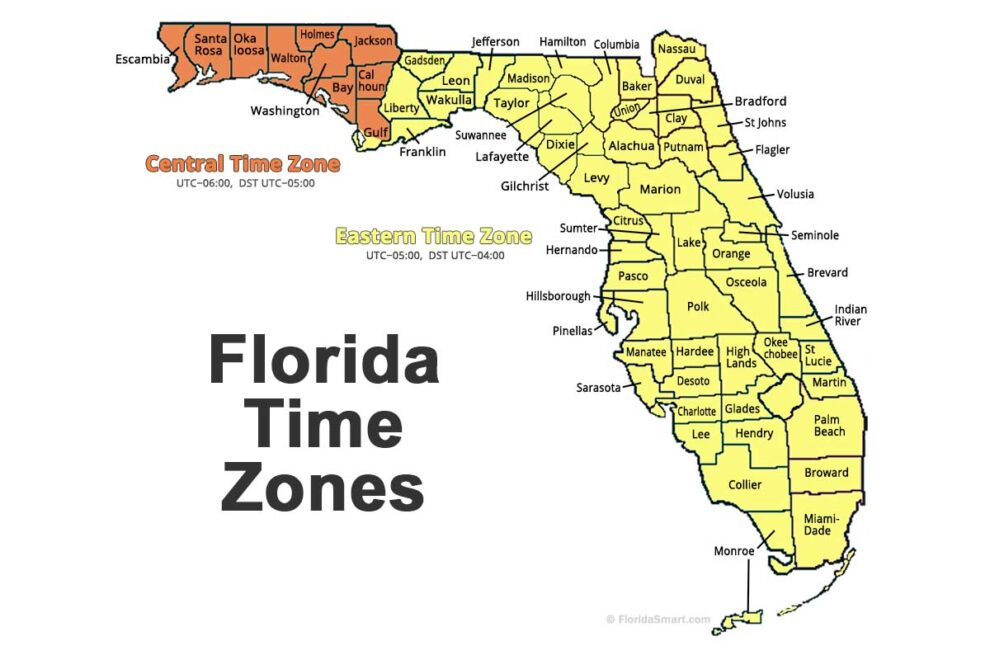
While much of Florida operates uniformly, the state actually straddles two distinct time zones, a detail often overlooked but vital for travelers heading to its western reaches. The vast majority of Florida, including popular destinations like Orlando, Miami, Tampa, and Jacksonville, observes Eastern Standard Time (EST) during standard hours and Eastern Daylight Time (EDT) during daylight saving periods. However, a significant portion of the Florida Panhandle operates on Central Standard Time (CST) and Central Daylight Time (CDT).
The Eastern Time Zone Majority
For most visitors, especially those flocking to the vibrant cities and theme parks of central and south Florida, the time will consistently align with the Eastern Time Zone. This means being five hours behind Coordinated Universal Time (UTC-5) during EST and four hours behind (UTC-4) during EDT. This uniformity across major tourist hubs simplifies planning for the majority of travelers, ensuring that opening hours for attractions, event schedules, and flight times are all in sync within this predominant zone.
The Central Time Zone Split in the Panhandle
The geographical line that divides Florida into two time zones runs roughly along the Apachicola River and the eastern edge of Bay County. Specifically, counties such as Escambia County (home to Pensacola), Santa Rosa County, Okaloosa County, Walton County, and Bay County (including Panama City Beach) observe the Central Time Zone. This places them one hour behind the Eastern Time Zone. For instance, if it’s 3 PM in Orlando, it will be 2 PM in Pensacola. A portion of Gulf County west of the Apalachicola River and a small part of Franklin County also fall into the Central Time Zone. Awareness of this boundary is critical for those traveling through the Panhandle or planning multi-region itineraries.
The Annual Daylight Saving Transition
Like most of the United States, Florida observes Daylight Saving Time (DST). This means that on the second Sunday in March, clocks “spring forward” one hour, and on the first Sunday in November, they “fall back” one hour. While proposals to make DST permanent have surfaced, as of now, the seasonal change remains. This transition is important for travelers, as it affects sunrise and sunset times, potentially altering plans for outdoor activities or evening excursions. Always confirm the current time in your specific Florida destination, especially around these biannual changes.
The Traveler’s Clock: Planning Your Florida Itinerary
For travelers, knowing “what time it is in Florida now” is less about the exact second and more about how time dictates the rhythm and logistics of their journey. Every aspect of a trip, from arrival to departure, is synchronized with the local clock.
Synchronizing Travel Logistics: Flights and Check-ins
The most immediate impact of time zones is on travel logistics. When booking flights to Florida, particularly if originating from a different time zone, paying close attention to arrival and departure times in local Florida time is paramount. A flight landing at 5 PM EST from a 2 PM PST departure means a significant time shift, which can impact onward connections, rental car pickups, and hotel check-ins. Many hotels, such as the Waldorf Astoria Orlando or the Loews Portofino Bay Hotel at Universal Orlando Resort, have strict check-in and check-out times, typically aligning with a 3 PM check-in and 11 AM check-out. Missing these windows due to time zone miscalculations can lead to unnecessary stress or additional fees.
Dining Reservations and Activity Scheduling
Florida’s popular restaurants, from fine dining establishments in Miami Beach to character dining experiences at Walt Disney World, often require advance reservations. These are always made in local Florida time. Similarly, scheduling activities like airboat tours in the Everglades, deep-sea fishing excursions from Fort Lauderdale, or tee times at championship golf courses across the state must be precisely coordinated with the local clock. A miscalculation can lead to missed opportunities and wasted vacation time.
Maximizing Your Florida Days: Seasonal and Daily Rhythms
Beyond the technicalities of time zones, “What is time in Florida now?” can also refer to the optimal times of day or year to experience particular activities. Florida’s climate and cultural landscape significantly influence daily rhythms.
Best Times of Day for Specific Experiences
Understanding the typical daily flow in Florida can enhance your trip. For instance:
- Morning (Early): Ideal for theme park arrivals to beat crowds, enjoying serene beach walks, or wildlife viewing in national parks like Biscayne National Park before the heat sets in.
- Morning (Late): Perfect for museum visits, shopping at places like Sawgrass Mills, or leisurely breakfasts.
- Afternoon: Prime time for aquatic activities, exploring indoor attractions, or enjoying a refreshing dip in the hotel pool. In summer, afternoon thunderstorms are common, making this a good time for indoor pursuits or a siesta.
- Evening: The heart of Florida’s nightlife, fine dining, live entertainment, and spectacular sunsets over the Gulf or Atlantic. Theme parks often host parades and fireworks shows later in the evening, like the nightly spectaculars at Magic Kingdom.
Seasonal Variations and Their Impact
The time of year dramatically shapes a Florida experience.
- Winter (November – February): Cooler temperatures make this an ideal time for outdoor activities, golf, and exploring cities without intense heat. Daylight hours are shorter, affecting sunset views and evening planning.
- Spring (March – May): Pleasant temperatures and increasing daylight. This is peak season for many festivals and events, from Spring Break to the Epcot International Flower & Garden Festival.
- Summer (June – August): Hot and humid with longer daylight hours, but also frequent afternoon thunderstorms. This is prime beach and water park season, though careful timing is needed to avoid the midday sun and rain. Theme parks often extend their hours.
- Fall (September – October): Temperatures begin to cool, and hurricane season winds down. Fewer crowds and comfortable weather make this a favorable time, particularly for events like Halloween Horror Nights at Universal Studios Florida.
Time-Sensitive Experiences: Events and Attractions
Many of Florida’s premier attractions and events operate on precise schedules, making real-time awareness critical for visitors.
Theme Park Hours and Ride Schedules
Florida’s world-renowned theme parks are masters of timed experiences. Walt Disney World and Universal Orlando Resort publish daily operating hours, which can vary by season, day of the week, and special events. Early Park Admission, extended evening hours for resort guests, and specific showtimes for parades and fireworks are all meticulously timed. Guests must frequently check park apps and websites to stay updated, as unexpected changes can occur. For instance, reserving a slot for a popular ride like Guardians of the Galaxy: Cosmic Rewind at Epcot often requires swift action the moment virtual queue access opens at 7 AM or 1 PM local time.
Sporting Events and Cultural Performances
From NFL games featuring the Tampa Bay Buccaneers or Miami Dolphins to concerts at the Amway Center in Orlando or Broadway shows at the Straz Center for the Performing Arts in Tampa, event schedules are rigidly set. Arrival times, pre-show activities, and intermissions are all dictated by the clock. Checking local listings and purchasing tickets in advance, with a clear understanding of the start time in local Florida time, is essential to avoid disappointment.
Staying Connected: Time Zones and Communication
Finally, “What is time in Florida now?” also plays a significant role in how travelers connect with the outside world, from family back home to business associates.
Bridging the Gap with Loved Ones
For travelers from different time zones, especially international visitors, understanding the time difference is key to maintaining communication without disrupting sleep or important schedules. A simple call home to London or Los Angeles requires a quick mental calculation to ensure you’re not calling at an inconvenient hour. Many travelers use world clock apps to easily track multiple time zones simultaneously.

Managing Business Communications While Traveling
For those blending leisure with work, keeping abreast of Florida’s time is crucial for business calls, virtual meetings, and email responsiveness. Whether you’re attending a conference in Miami or enjoying a working vacation in the Florida Keys, aligning your schedule with your home office or clients’ time zones ensures professional continuity and avoids missed opportunities.
In conclusion, the seemingly simple question “What is time in Florida now?” unlocks a multifaceted understanding of this dynamic state. From its dual time zones and daylight saving shifts to the daily rhythms of its attractions and the global implications for communication, time is an invisible yet powerful force shaping every Florida travel experience. By mastering these temporal nuances, travelers can ensure their journey through the Sunshine State is as smooth, enjoyable, and productive as possible.
LifeOutOfTheBox is a participant in the Amazon Services LLC Associates Program, an affiliate advertising program designed to provide a means for sites to earn advertising fees by advertising and linking to Amazon.com. Amazon, the Amazon logo, AmazonSupply, and the AmazonSupply logo are trademarks of Amazon.com, Inc. or its affiliates. As an Amazon Associate we earn affiliate commissions from qualifying purchases.