
Navigating the complexities of state-specific driving regulations is an essential part of planning any road trip or relocation within the United States. For those considering a journey through or a move to the Lone Star State, a common question arises: “Are front plates required in Texas?” This seemingly simple query touches upon a nuanced aspect of vehicle registration and law enforcement that can impact your travel experience, from encountering traffic stops to ensuring compliance with local ordinances. Understanding these requirements is not just about avoiding fines; it’s about respecting the established rules of the road and ensuring your vehicle is legally equipped for all your Texas adventures.

The Legal Mandate: Texas Vehicle Code and License Plates
The requirement for license plates in Texas is outlined in the Texas Transportation Code. While the state does require vehicles to display license plates, the specific stipulation regarding the placement of these plates has seen some evolution and interpretation over the years.
Understanding the Texas Transportation Code
The core of the legislation governing license plates in Texas can be found in Chapter 502 of the Transportation Code, specifically regarding the display of plates. For many years, the law has mandated that a license plate must be displayed on both the front and rear of a vehicle. However, legislative changes and judicial interpretations have introduced nuances that are crucial to understand for drivers.
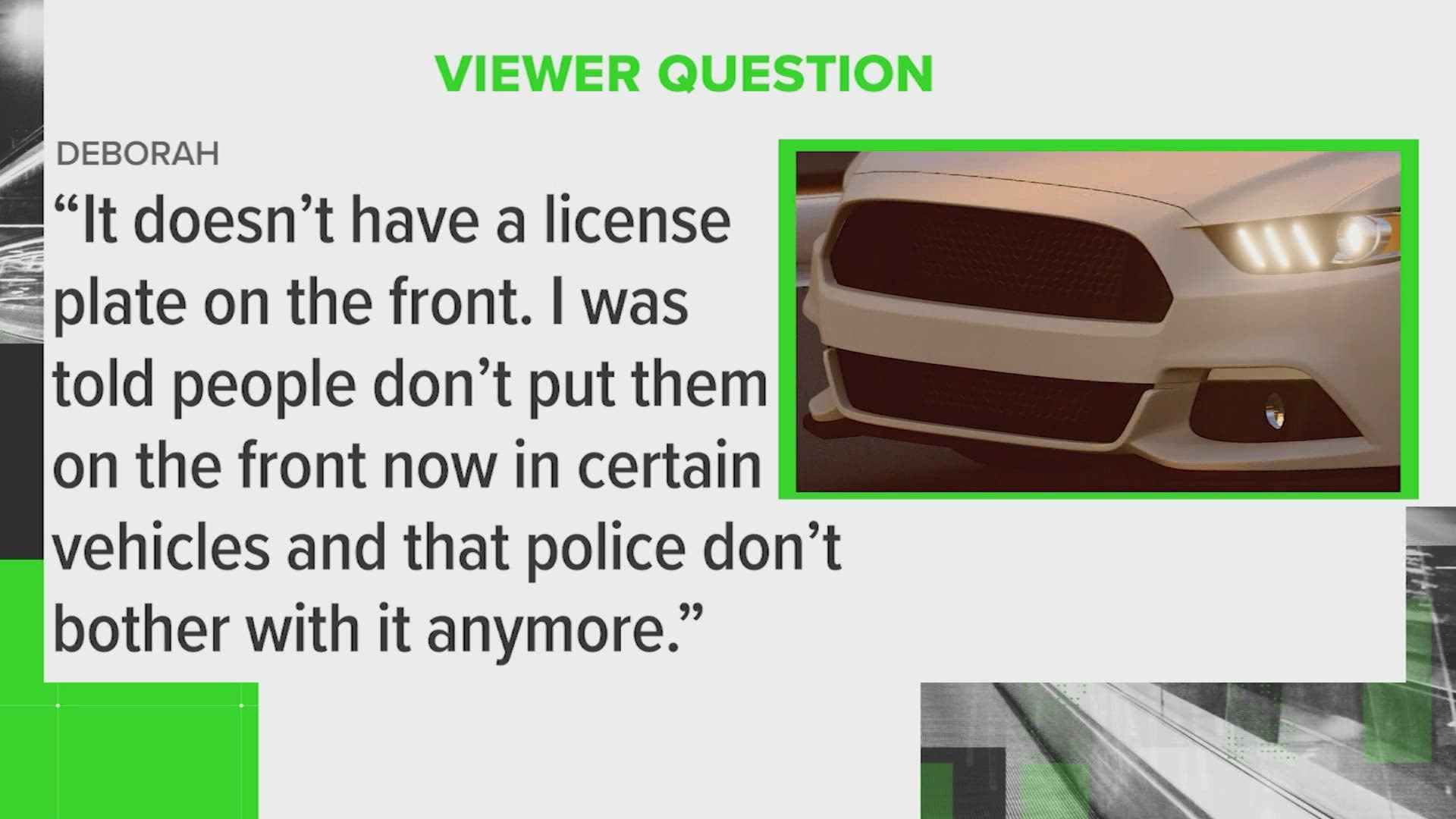
The general rule, as often understood and enforced, is that both front and rear plates are required. This is intended to aid law enforcement in identifying vehicles from multiple angles and to ensure that registration is easily verifiable. The rationale behind dual-plate requirements in many states, including traditionally in Texas, is to enhance public safety and facilitate efficient identification of vehicles for various purposes, from traffic enforcement to Amber Alerts and other critical incidents.
Evolution of the Law and Enforcement
While the Texas Transportation Code has historically mandated front and rear plates, there have been periods and specific circumstances where enforcement has been less stringent, or certain exemptions have been considered. It’s important to note that the most current interpretation and enforcement practices should always be your primary concern.
In recent years, there have been discussions and even legislative attempts to remove the requirement for front license plates in Texas, aligning with other states that have moved to a single-plate system. Proponents of removing the front plate requirement often cite aesthetic reasons, the potential for damage to the vehicle’s front end, and the argument that rear plates are generally sufficient for identification. However, as of the most recent legislative sessions, the requirement for both front and rear plates remains in effect for most vehicles.
It is imperative for all drivers in Texas to adhere to the current laws as they are written and enforced. Relying on outdated information or anecdotal evidence about leniency can lead to unexpected citations.
Exemptions and Special Cases
While the general rule in Texas is that both front and rear license plates are required, there are certain specific exemptions that drivers should be aware of. These exemptions are typically designed for particular types of vehicles or special circumstances.
Antique and Custom Vehicles
Certain classes of vehicles, particularly those that are considered antique or have significant custom modifications, might fall under different regulations. For instance, vehicles registered as antique vehicles may have specific provisions regarding license plate display. These exemptions are often aimed at preserving the historical integrity or unique nature of these vehicles, allowing them to maintain their original appearance without the necessity of a front plate.
However, it’s crucial to verify the exact requirements for these categories. Registration as an antique vehicle typically comes with its own set of rules, which can vary. Drivers should consult with the Texas Department of Motor Vehicles (DMV) or a local county tax assessor-collector’s office to confirm the precise regulations applicable to their specific vehicle.
Motorcycles and Other Two-Wheeled Vehicles
Motorcycles and other two-wheeled vehicles in Texas are generally only required to display a single license plate, which is mounted on the rear of the vehicle. This is a common exemption across many states due to the design and limited space available on these types of conveyances. The absence of a requirement for a front plate on motorcycles is a practical consideration for their structure and aesthetics.
Other Potential Exemptions
While less common, there might be other specific exemptions granted by law for certain types of government vehicles, commercial fleets under specific contracts, or vehicles undergoing specialized testing. These are usually narrowly defined and require official documentation or permits. Drivers operating such vehicles should ensure they possess the necessary documentation to prove their exemption should they be stopped by law enforcement.
Consequences of Non-Compliance
Failing to comply with the license plate requirements in Texas can lead to several consequences, ranging from minor inconvenconveniences to more significant legal and financial penalties. Understanding these potential repercussions reinforces the importance of adhering to the state’s vehicle code.
Traffic Citations and Fines
The most immediate consequence of not displaying a required front license plate is a traffic citation. Law enforcement officers are empowered to issue tickets for violations of the Texas Transportation Code. The penalty for a “failure to display a license plate” or a similar offense typically involves a fine. The exact amount of the fine can vary by jurisdiction within Texas, but it represents a direct financial cost for non-compliance.
Impact on Vehicle Inspections
In Texas, vehicles are subject to mandatory annual safety inspections. As part of this inspection process, law enforcement or inspection station personnel will verify that the vehicle is equipped with both a front and rear license plate, properly displayed. Failure to have the required plates can result in the vehicle failing its inspection, which then prevents the owner from renewing their vehicle registration. This creates a cycle of non-compliance that can lead to further legal issues if the vehicle is driven without a valid inspection sticker.
Increased Scrutiny During Traffic Stops
While not a direct legal penalty, driving a vehicle without a front license plate can sometimes lead to increased scrutiny during traffic stops. Even if the stop is for a minor infraction, the officer may note the missing plate and potentially be more thorough in their examination of the vehicle and its documentation. This can prolong the stop and potentially lead to the discovery of other, more serious violations.
Ensuring Compliance for Your Texas Adventures
For tourists, new residents, or even long-time inhabitants of Texas, ensuring compliance with the front license plate law is a straightforward yet vital step. By taking a few proactive measures, you can avoid potential headaches and focus on enjoying your time in the state.
Verifying Your Vehicle’s Requirements
The first and most crucial step is to confirm the specific requirements for your vehicle. If you are driving a standard passenger car, truck, or SUV, it is highly probable that you will need both a front and rear license plate. For those with antique vehicles or motorcycles, it is essential to consult official sources.
Where to Get Information
The most reliable sources of information regarding vehicle registration and license plate requirements in Texas are:
- The Texas Department of Motor Vehicles (DMV): Their official website is an excellent resource for state laws and regulations.
- Local County Tax Assessor-Collector’s Office: These offices handle vehicle registration and titling at the local level and can provide specific guidance.
- Texas Highway Patrol and Local Law Enforcement Agencies: While they enforce the law, they can also offer general clarification on requirements.
Proper Installation and Maintenance
Once you have confirmed the need for a front license plate, ensure it is securely and properly attached to your vehicle. Many vehicles come with pre-drilled holes or mounting brackets for front plates. If your vehicle does not, you may need to purchase an aftermarket bracket. It is important to mount the plate in a visible and unobstructed location. Regularly check that the plate remains securely fastened, especially after car washes or driving on rough terrain.

Planning Your Road Trip
For those planning a road trip through Texas, consider this requirement as you prepare your vehicle. Ensuring your car is in full compliance before you depart will save you time and potential stress during your travels. Whether you are heading to the vibrant city of Austin, the historic streets of San Antonio, or exploring the vast landscapes of West Texas, a compliant vehicle ensures a smoother journey. Enjoy the rich culture, the diverse attractions, and the unique experiences that Texas has to offer, with the peace of mind that comes from being legally prepared.
LifeOutOfTheBox is a participant in the Amazon Services LLC Associates Program, an affiliate advertising program designed to provide a means for sites to earn advertising fees by advertising and linking to Amazon.com. Amazon, the Amazon logo, AmazonSupply, and the AmazonSupply logo are trademarks of Amazon.com, Inc. or its affiliates. As an Amazon Associate we earn affiliate commissions from qualifying purchases.