
Starting a business in California can be an exciting venture, and for many entrepreneurs, forming a Limited Liability Company (LLC) is the preferred structure. An LLC offers a compelling blend of personal liability protection and operational flexibility, making it an attractive choice for a wide range of enterprises, from burgeoning tech startups in Silicon Valley to boutique wineries in Napa Valley. This guide will walk you through the essential steps involved in establishing your LLC in the Golden State, ensuring a solid foundation for your business ambitions.
Understanding the Benefits of an LLC in California
Before diving into the procedural aspects, it’s crucial to grasp why an LLC is often the go-to business structure in California. The primary advantage is the separation of personal assets from business liabilities. This means that in the event of a lawsuit or business debt, your personal belongings, such as your home in Los Angeles or your savings accounts, are generally protected.
Beyond liability protection, LLCs offer significant tax advantages. They are pass-through entities, meaning the LLC itself does not pay federal income tax. Instead, profits and losses are passed through to the members’ personal income tax returns. This avoids the “double taxation” often associated with C corporations. California, however, does impose an annual minimum franchise tax on LLCs, a factor to consider in your financial planning.
Operational flexibility is another key draw. Unlike corporations, LLCs typically have fewer formal requirements. There’s no mandatory board of directors, no requirement for annual shareholder meetings, and less stringent record-keeping demands. This simplified structure allows business owners to focus more on growth and less on administrative overhead.
Step-by-Step Guide to Forming Your California LLC
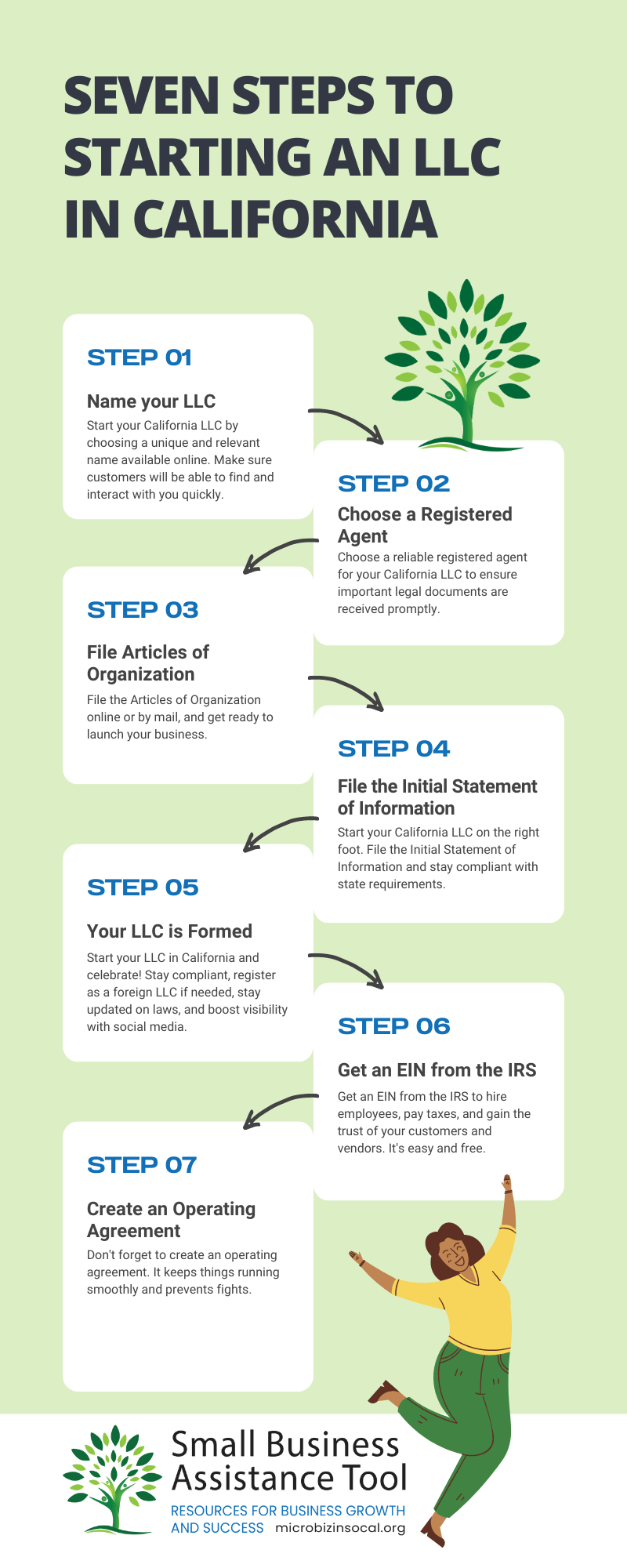
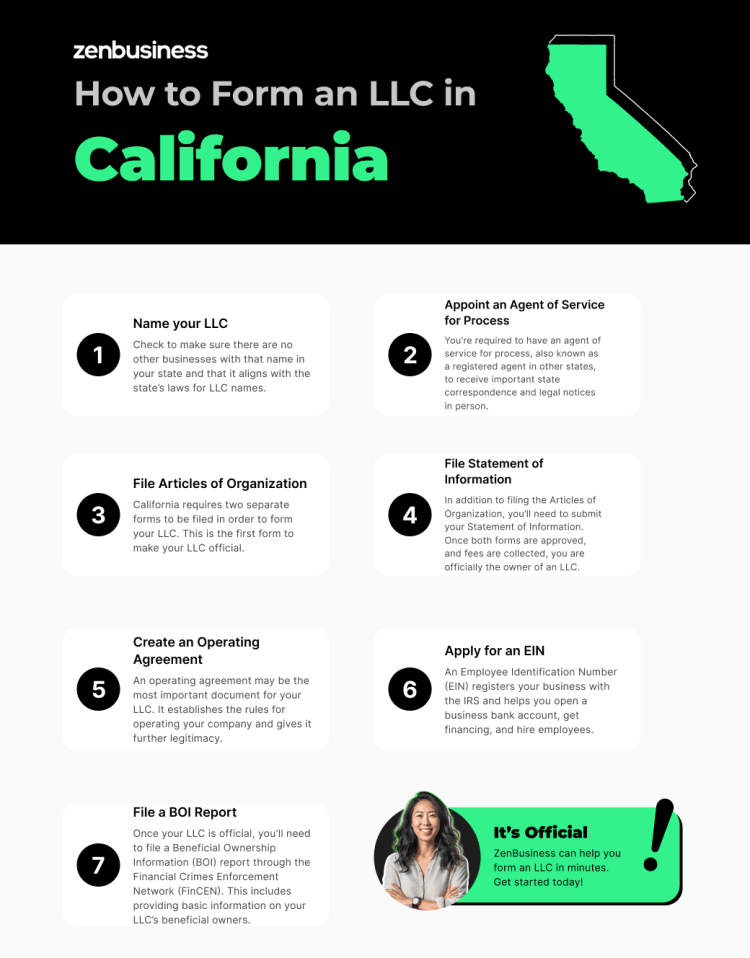
The process of forming an LLC in California involves several distinct steps, each requiring careful attention to detail.
1. Choosing a Business Name
Your LLC’s name is its first impression and must comply with California’s naming regulations. The name must contain the words “Limited Liability Company” or the abbreviation “LLC” or “L.L.C.” Additionally, the name cannot be misleadingly similar to existing business names registered with the California Secretary of State. It’s advisable to select a name that is distinctive, memorable, and reflective of your business’s identity.
Before filing, it’s highly recommended to perform a name availability search on the California Secretary of State’s website. This will confirm whether your desired name is already in use. You may also consider reserving your chosen name for a period if you are not ready to file immediately, although this is not a mandatory step for LLC formation.
2. Appointing a Registered Agent for Service of Process
Every LLC in California must designate a Registered Agent for Service of Process. This individual or company is responsible for receiving official legal documents, such as lawsuits, on behalf of your LLC. The agent must have a physical street address in California (not a P.O. Box) and be available during normal business hours to accept service.
You can act as your own Registered Agent if you meet these criteria and have a physical address in California. Alternatively, you can hire a commercial registered agent service. These services offer professionalism, reliability, and privacy, which can be particularly beneficial if you operate a home-based business or travel frequently.
3. Filing the Articles of Organization (Form LLC-1)
This is the pivotal step that officially creates your LLC. You must file the Articles of Organization, Form LLC-1, with the California Secretary of State. This document requires basic information about your LLC, including:
- The name of the LLC: This must be the name you’ve chosen and verified for availability.
- The business purpose: A brief description of the nature of your business.
- The street address of the principal office: The physical location where the LLC’s business is conducted.
- The name and address of the Registered Agent for Service of Process: As detailed in the previous step.
- Management structure: Whether the LLC will be member-managed or manager-managed.
You can file the Articles of Organization online through the Secretary of State’s website, by mail, or in person. There is a filing fee associated with this submission.
4. Creating an Operating Agreement
While not a legally required document to file with the state, an Operating Agreement is critically important for the internal governance of your LLC. This document outlines the ownership structure, member responsibilities, profit and loss distribution, and procedures for managing the LLC.
A well-drafted Operating Agreement helps to prevent disputes among members and provides clarity on how the business will operate. It is particularly valuable if you have multiple members or if you anticipate bringing in new investors or partners in the future. It ensures that the “limited liability” aspect of your LLC remains robust by demonstrating that the business is operated as a distinct entity.
5. Obtaining an Employer Identification Number (EIN)
If your LLC plans to hire employees or will be taxed as a corporation, you will need an Employer Identification Number (EIN) from the Internal Revenue Service (IRS). Even if not strictly required, obtaining an EIN is often recommended. It serves as a Social Security number for your business, allowing you to open a business bank account, apply for business licenses, and manage tax filings. You can apply for an EIN online for free through the IRS website.
6. Complying with California State and Local Requirements
Beyond the state filing, your LLC will likely need to comply with various other state and local regulations.
Statement of Information (Form LLC-12)
Within 90 days of filing your Articles of Organization, you must file your initial Statement of Information with the California Secretary of State. This document provides updated details about your LLC, including the names and addresses of its managers or members and the Registered Agent. After the initial filing, you must file a Statement of Information every two years. Failure to do so can result in penalties and the potential dissolution of your LLC.
California Business Permits and Licenses
Depending on your industry and location within California, your LLC may need to obtain specific business permits and licenses. This could include city business licenses, county permits, and state-specific licenses for regulated professions or industries. Researching the requirements for your specific business activities and geographical area is essential. For instance, a restaurant in San Francisco will have different licensing needs than an online consulting service based in San Diego.
California Franchise Tax
California imposes an annual minimum franchise tax on LLCs. This tax is currently $800 and is due by April 15th of each year, regardless of whether your LLC is active or profitable. There is also an LLC fee based on total income, which can significantly increase if your LLC generates substantial revenue. Understanding these tax obligations is crucial for maintaining good standing with the state.
Ongoing Compliance and Best Practices
Forming your LLC is the first step; maintaining its compliance and health is an ongoing endeavor.
Maintain Separate Finances
It is paramount to keep your LLC’s finances separate from your personal finances. This includes opening a dedicated business bank account and using it for all business transactions. Commingling funds can jeopardize your limited liability protection.
Keep Accurate Records
While LLCs are less formal than corporations, maintaining accurate financial and operational records is vital. This includes keeping track of all income and expenses, invoices, receipts, and any legal or contractual documents.
Understand Tax Obligations
Stay informed about your federal, state, and local tax obligations. This includes understanding how your LLC’s profits and losses will be reported on your personal tax return and ensuring timely payment of the annual franchise tax and any other applicable fees or taxes.
Review and Update Operating Agreement
As your business evolves, it’s wise to review your Operating Agreement periodically. Changes in membership, management, or business operations may necessitate amendments to ensure the agreement remains relevant and effective.

Conclusion
Forming an LLC in California offers a robust framework for entrepreneurs seeking liability protection and operational ease. By diligently following the steps outlined above – from choosing a unique name and appointing a reliable Registered Agent to filing the necessary state documents and understanding ongoing compliance obligations – you can establish a strong legal foundation for your California business. With careful planning and adherence to regulations, your LLC can thrive, allowing you to focus on achieving your entrepreneurial goals across the diverse economic landscape of California.
LifeOutOfTheBox is a participant in the Amazon Services LLC Associates Program, an affiliate advertising program designed to provide a means for sites to earn advertising fees by advertising and linking to Amazon.com. Amazon, the Amazon logo, AmazonSupply, and the AmazonSupply logo are trademarks of Amazon.com, Inc. or its affiliates. As an Amazon Associate we earn affiliate commissions from qualifying purchases.