
Navigating the unique regulatory landscape of any new destination is a crucial part of travel planning, and for those considering a visit or relocation to California, understanding the state’s intricate firearm laws is paramount. While California boasts some of the nation’s most stringent gun control measures, the simple answer to whether Glock firearms are illegal is not a straightforward “yes” or “no.” Instead, it’s a nuanced discussion dictated by specific models, manufacturing dates, and the legal status of the individual possessing them. For travelers, adventurers, or those contemplating a move to the Golden State, grasping these distinctions is essential to ensure a smooth and compliant experience. This guide aims to demystify these regulations, providing clarity for anyone encountering California’s distinctive approach to firearms.
Deciphering California’s Handgun Roster: The Core Regulation
At the heart of California’s firearm policy, particularly concerning pistols like the Glock, is the “Roster of Certified Handguns.” This comprehensive list, maintained by the California Department of Justice (DOJ), dictates which handgun models can be legally sold, offered for sale, or manufactured within the state to civilian purchasers through licensed firearm dealers. It’s not a blanket ban on specific brands, but rather a granular regulation model-by-model.
The California Roster of Handguns
To be listed on the roster, a handgun model must pass specific safety tests conducted by a DOJ-certified laboratory. Initially, these tests focused on drop safety and the inclusion of a loaded chamber indicator and magazine disconnect mechanism. However, over time, the requirements have evolved, creating an increasingly challenging barrier for new models to gain approval. This means that many popular, modern handgun models, including a significant number of Glock variations, are simply not on the roster.
“Not Unsafe” vs. “Microstamping” Requirements
The pivotal shift occurred with the introduction of “microstamping” technology requirements. As of 2007, any new semi-automatic pistol model submitted for roster certification must incorporate technology that “microstamps” unique identifying information onto the casing each time a round is fired. This effectively halted the addition of new semi-automatic pistols to the roster, as gun manufacturers have largely been unable or unwilling to implement this technology due to its technical feasibility, reliability concerns, and cost. While existing models on the roster prior to the microstamping requirement can remain, no new Glock models (or most other modern semi-automatic pistols) have been added since. This has led to a dwindling roster, often referred to as a “de-facto ban” on many contemporary handguns for new sales in California.
What This Means for Visitors to the Golden State
For travelers to California, understanding these regulations is crucial, especially if you are accustomed to different firearm laws in your home state or country. The “Roster” primarily governs sales and transfers through licensed dealers, but there are important considerations for possession and transport as well.
Bringing Firearms into California as a Non-Resident
If you are visiting California from another state where you legally own a Glock or other firearm, you are generally permitted to bring it into the state, even if it is “off-roster” (i.e., not approved for sale in California). However, strict rules govern its transport and storage. The firearm must be transported unloaded in a locked container, separate from ammunition, and generally in the trunk of a vehicle or a location not readily accessible. It’s imperative that the firearm itself complies with all other California laws, such as magazine capacity limits and “assault weapon” features (e.g., threaded barrels, specific grips), which we will discuss further. Failure to comply can lead to serious legal consequences, potentially derailing your travel experience.
Purchasing Firearms While Visiting
Non-residents generally cannot purchase handguns, including Glock models, in California. Federal law mandates that firearms can only be transferred to residents of the state where the transfer occurs, or through an FFL (Federal Firearm Licensee) in the recipient’s state of residence. Therefore, if you’re a tourist, you won’t be able to buy a Glock from a licensed dealer in California, even if it’s on the roster.
Specific Glock Models and Their Status
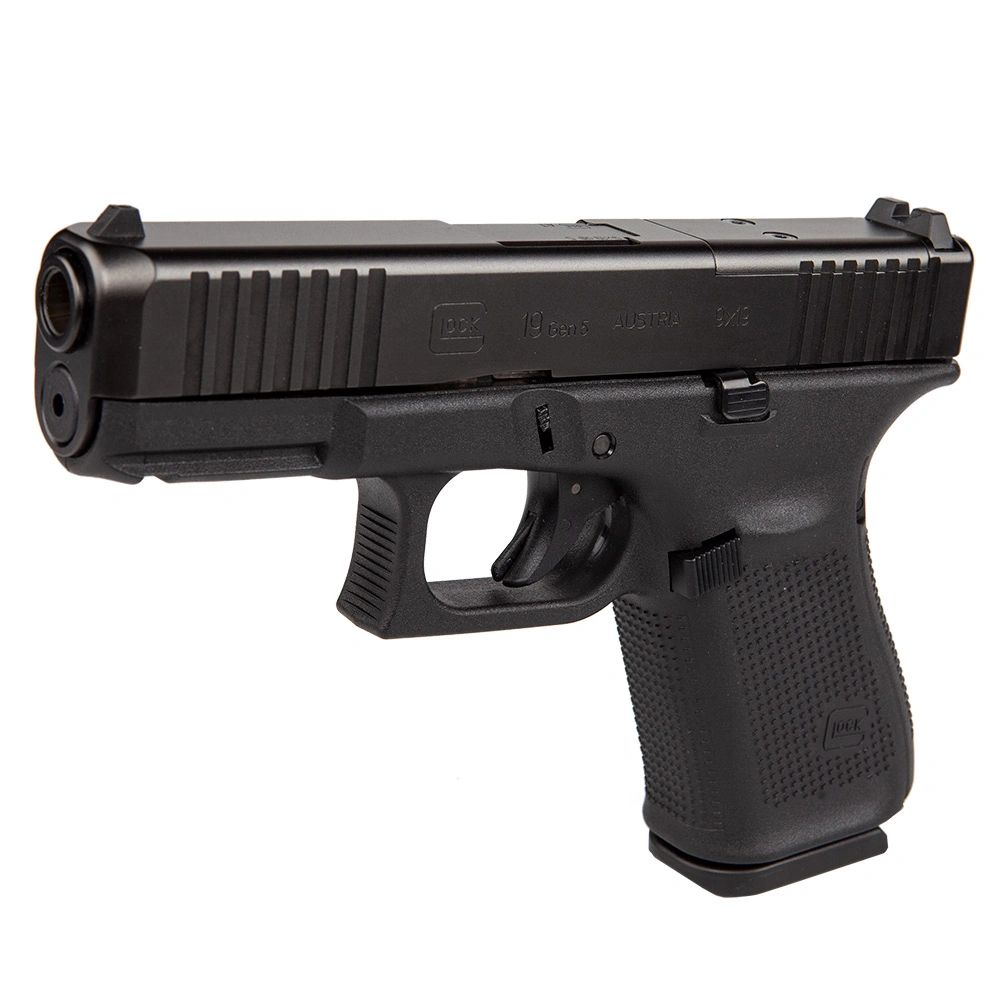
Due to the microstamping requirement, most newer generation Glock models (e.g., Gen 4 and Gen 5) are not on the California Roster. However, some older generation models (e.g., certain Gen 3 models like the Glock 17, 19, 21, 22, 23) that were certified before the microstamping rule took full effect remain on the roster and can be purchased new by civilians from licensed dealers within California. This creates a unique market where older generations of firearms remain popular and valuable.
Implications for Potential Relocators and New California Residents
For those considering making California their new home, the firearm laws present a different set of challenges and opportunities. The rules are designed to prevent new “off-roster” firearms from entering the general civilian market, but there are specific, narrow exemptions for those relocating with existing firearms.
Moving to California with Off-Roster Firearms

If you are moving to California and legally own “off-roster” handguns (such as a Glock Gen 4 or Gen 5) in your previous state of residence, you are generally permitted to bring them with you. However, you must declare these firearms to the California DOJ within 60 days of establishing residency. Crucially, these firearms must still comply with all other California laws (e.g., magazine capacity, “assault weapon” features). Once declared, these “off-roster” firearms cannot be sold or transferred to other civilians in California through a licensed dealer, except under very specific circumstances. This creates a unique dynamic where personal ownership of off-roster firearms is allowed for new residents, but the secondary market for them is heavily restricted.
The Intra-Familial Transfer Exemption
One of the few avenues for California residents to legally acquire “off-roster” handguns is through an intra-familial transfer. This exemption allows a direct lineal relative (parent, grandparent, child, grandchild) to transfer a handgun, regardless of its roster status, to another direct lineal relative who resides in California. This transfer must still go through a licensed FFL, and all federal and state background checks apply, but it bypasses the roster requirement. This specific rule can be a significant factor for families where members reside outside of California and own desirable off-roster firearms.
Law Enforcement Exemptions and the Secondary Market
California law enforcement officers are exempt from the handgun roster when purchasing firearms for duty use. This means they can legally acquire new “off-roster” handguns, including the latest Glock models, directly from dealers. These firearms, once legally acquired by an officer, can sometimes enter the civilian market through private party transfers after the officer has owned them. This “LEO exemption” contributes to a thriving, albeit expensive, secondary market for off-roster handguns, where civilians can purchase these otherwise unavailable models. These transactions typically involve a significant premium over standard market prices.
Understanding California’s Broader Firearm Regulations
The handgun roster is just one piece of California’s comprehensive firearm regulatory scheme. For travelers and new residents, it’s vital to be aware of other significant restrictions that apply statewide.
Magazine Capacity Restrictions
Since 2000, California has generally prohibited the manufacture, import, sale, or transfer of magazines capable of holding more than 10 rounds of ammunition. While there have been legal challenges to this law, most notably “Freedom Week” in 2019, the 10-round limit is currently enforced. This means that if you bring a standard capacity Glock magazine (typically 15+ rounds) into California, it would be illegal. It is crucial to ensure all your magazines comply with the 10-round limit, which often means acquiring [California](https://lifeoutofthebox.com/california]-compliant magazines or blocking existing ones.
“Assault Weapon” Bans and Feature-Based Regulations
California also has a broad “assault weapon” ban, which includes not only specific named firearms but also semi-automatic rifles and pistols that possess certain “evil features” when combined with detachable magazines. For handguns, features like threaded barrels, second handgrips, shrouds, and the capacity for a magazine outside the pistol grip can trigger an “assault weapon” classification. Most factory Glock pistols do not fall into the “assault weapon” category as they lack these features, but aftermarket modifications can easily push them into illegal territory. If you plan to travel with a customized Glock, careful research into California’s “assault weapon” definitions is non-negotiable.
Concealed Carry Permits in California
California is generally a “may issue” state for concealed carry permits (CCW), meaning local law enforcement agencies have significant discretion in issuing permits. For non-residents, obtaining a California CCW permit is virtually impossible. This means visitors, even those with CCW permits from their home states, cannot legally carry a concealed firearm in California. Open carry of handguns is also largely prohibited in most incorporated areas. Understanding these restrictions is critical for anyone planning activities or excursions in California that might involve carrying a firearm.
Planning Your Trip or Move: Essential Considerations
For anyone whose travel plans or potential relocation intersect with firearm ownership, meticulous preparation is key to navigating California’s complex laws without incident. The state’s regulations are designed to be restrictive, and ignorance of the law is not a valid defense.
The Importance of Due Diligence
Before packing your bags or loading your moving truck, conduct thorough research specific to your firearms and travel circumstances. Consult the California Department of Justice website for the most up-to-date roster information and firearm definitions. Double-check magazine capacities, ensure no prohibited features are present on your firearms, and understand the rules for transportation and storage. This proactive approach ensures your experience in [California](https://lifeoutofthebox.com/california], whether for leisure or a new life chapter, remains positive and free from legal complications.

Seeking Legal Counsel
Given the complexity and constantly evolving nature of California firearm laws, individuals with specific concerns or unique situations are strongly advised to consult with a qualified California attorney specializing in firearm law. Legal professionals can provide personalized advice, clarify specific regulations, and ensure full compliance, offering peace of mind for travelers and new residents alike. Their expertise can be invaluable in understanding the nuances that might apply to your particular Glock model or other firearms.
In conclusion, while many modern Glock models are not available for new sale to civilians in California due to the state’s Roster of Certified Handguns, the brand itself is far from “illegal.” Older generation Glock models remain on the roster, and off-roster models can be legally possessed by existing residents, new residents, and visitors, provided all other stringent state laws regarding features, magazine capacity, and transportation are strictly adhered to. Travelers and potential residents must approach California’s firearm laws with diligence and respect, ensuring their visit or relocation is as smooth and enjoyable as the state’s iconic landscapes.
LifeOutOfTheBox is a participant in the Amazon Services LLC Associates Program, an affiliate advertising program designed to provide a means for sites to earn advertising fees by advertising and linking to Amazon.com. Amazon, the Amazon logo, AmazonSupply, and the AmazonSupply logo are trademarks of Amazon.com, Inc. or its affiliates. As an Amazon Associate we earn affiliate commissions from qualifying purchases.