
The Ghost of the Golden State: A Natural Landmark Lost
The majestic grizzly bear, a formidable symbol of the American wilderness, holds a particularly poignant place in the history and iconography of California. Emblazoned on the state flag, the image of the grizzly is instantly recognizable, yet its living presence within the state’s borders is a chapter definitively closed. The question, “Are Grizzly Bears extinct in California?” is met with a somber affirmative. The last known wild California Grizzly Bear was shot in California in 1922, marking the end of an era for this iconic natural landmark within the Golden State.
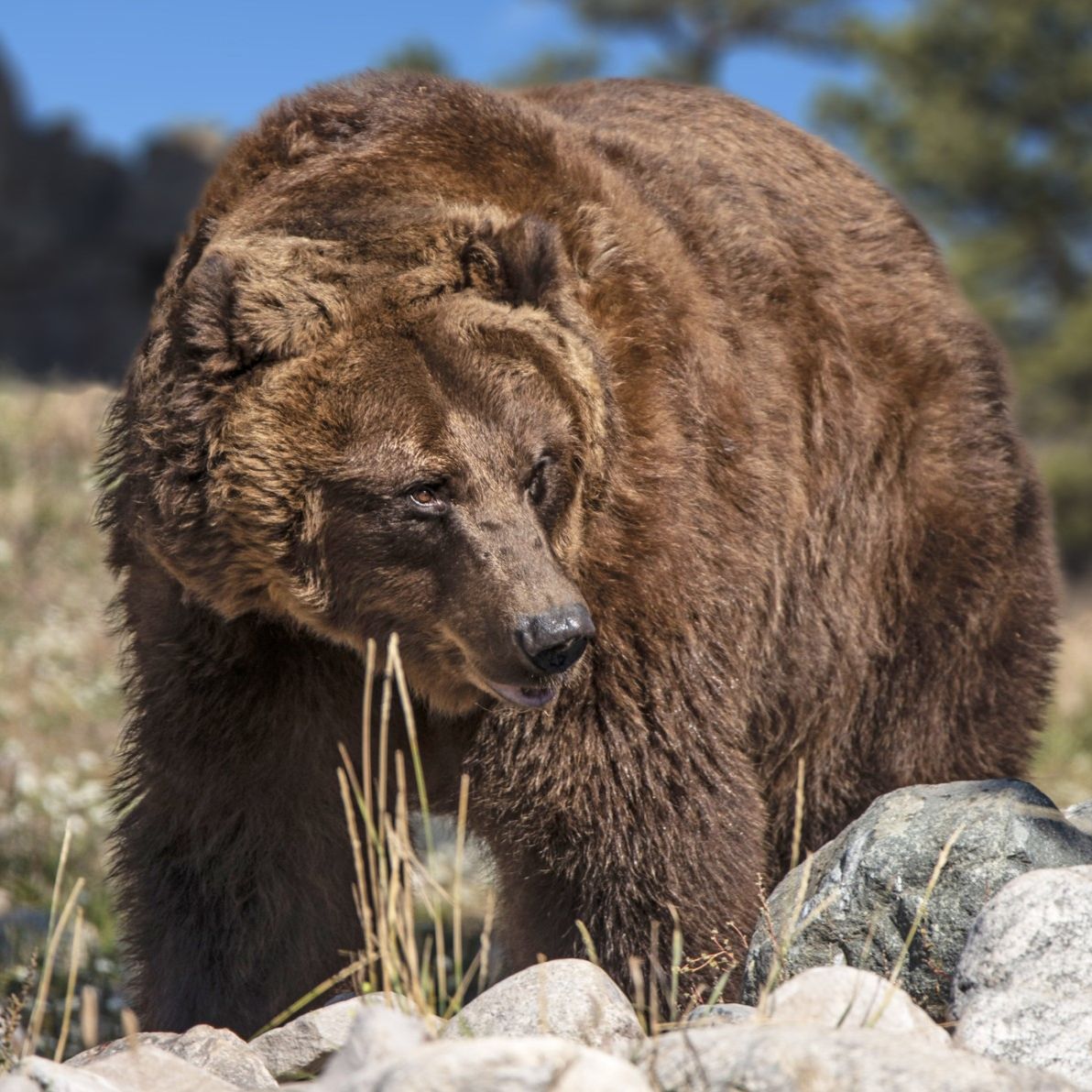
Historically, the California Grizzly ( Ursus arctos californicus) was not merely a part of the landscape; it defined vast swathes of it. From the coastal redwood forests to the towering peaks of the Sierra Nevada and the expansive Central Valley, these bears were once ubiquitous, often numbering in the tens of thousands. Their sheer size, power, and commanding presence made them undisputed apex predators, shaping ecosystems and inspiring both awe and fear in the indigenous peoples and later, the European settlers. For centuries, the grizzly was an integral, living landmark, a testament to the raw, untamed nature of ancient California. Its story is a profound lesson in the fragility of even the most dominant species when confronted with rapid human expansion.
A Legacy Etched in History: From Abundance to Absence
The journey from widespread prevalence to complete eradication of the California Grizzly Bear is a stark historical narrative, deeply interwoven with the state’s development. When Spanish explorers first arrived in the 18th century, they encountered a land teeming with these magnificent creatures. Early accounts speak of grizzlies being so numerous that they were an ever-present feature, almost a natural monument in themselves, found in nearly every corner of the vast territory.
The Gold Rush and Its Environmental Toll
The arrival of the Gold Rush in 1848 precipitated an unprecedented demographic boom and an equally devastating environmental impact. Thousands flocked to California, dramatically altering landscapes through mining, logging, and agricultural expansion. This sudden influx of human activity brought humans and grizzlies into direct, often fatal, conflict. Grizzlies, often drawn to livestock or easily accessible food sources, were perceived as a significant threat to settlers’ livelihoods and safety. Bounties were placed on their heads, and organized hunts became common.
Systematic Extermination
What began as defensive encounters soon escalated into a systematic campaign of extermination. The grizzly was hunted relentlessly, not just for sport or perceived threat, but also for its hide and fat. By the late 19th century, their populations had plummeted dramatically. Their habitat was fragmented and destroyed, food sources dwindled, and the relentless pressure from human expansion left them with nowhere to go. This period represents a tragic turning point, where a species that had been a defining natural landmark of the region was systematically erased. The last verified sighting of a wild California Grizzly Bear occurred in 1922 in Tulare County, marking the final, irreversible moment of their extinction within the state.
The Symbol Endures: The Grizzly on California’s Flag
Despite its physical absence, the California Grizzly Bear continues to hold an immensely powerful place in the state’s identity, predominantly through its iconic depiction on the California Republic flag. This enduring symbol serves as a poignant reminder of a once-present natural landmark and a complex historical legacy.
Origin of the Bear Flag
The “Bear Flag” dates back to the short-lived California Republic of 1846, when American settlers in Sonoma rebelled against Mexican rule. The original flag featured a crudely drawn grizzly, symbolizing strength, independence, and the rugged spirit of the frontier. When California officially became a U.S. state in 1850, the bear flag was adopted, and the grizzly’s image was formalized into the design we know today: a red star, a red stripe, and a standing grizzly on a white field.
A Powerful, Paradoxical Icon
The presence of the grizzly on the state flag is a powerful paradox. It represents the untamed wilderness and the natural grandeur that defined California before extensive human settlement. It embodies a pioneering spirit and the strength associated with overcoming challenges. Yet, simultaneously, it stands as a silent testament to the tragic consequences of that very pioneering spirit, a reminder of the environmental cost of rapid expansion and human-wildlife conflict.

For many, the flag evokes a sense of pride in the state’s natural heritage, even as it underscores the permanent loss of one of its most magnificent natural landmarks. It prompts reflection on conservation, the balance between development and preservation, and the responsibility to protect the remaining natural wonders. The grizzly, though gone, remains a powerful teaching tool, its image a constant educational prompt about California’s past and future environmental stewardship.
The Living Legacy: Other Bears in California
While the California Grizzly Bear is undeniably extinct, it is crucial to understand that not all bears have vanished from California’s natural landmarks. The state is still home to a thriving population of another bear species: the American Black Bear (Ursus americanus). This distinction is vital for understanding current wildlife dynamics and conservation efforts.
American Black Bears: A Different Species
American Black Bears are a distinct species from grizzlies. Though they can sometimes appear brownish or cinnamon-colored, they are generally smaller and typically possess a less pronounced shoulder hump and a different facial profile than grizzlies. Historically, black bears occupied different ecological niches and were less widespread in some of the open, lowland areas favored by grizzlies.
Today, American Black Bears are found throughout California’s mountainous and forested regions. They are common natural landmarks in areas like Yosemite National Park, Sequoia National Park, the Sierra Nevada, and the coastal ranges. Their presence offers a chance for visitors to experience wild bears in their natural habitats, albeit a different species than the iconic grizzly.
Coexistence and Conservation
The continued presence of American Black Bears in California highlights ongoing conservation challenges and successes. Education on how to safely coexist with black bears, such as proper food storage in campgrounds and hiking etiquette, is paramount. Wildlife agencies like the California Department of Fish and Wildlife continuously monitor populations and manage human-bear interactions to minimize conflicts.
The story of the California Grizzly serves as a powerful historical landmark, a cautionary tale that informs modern conservation practices for the American Black Bear and other wildlife. It underscores the importance of protecting habitats, managing human impact, and fostering an understanding of wildlife behavior to ensure that California’s natural heritage, including its remaining bear populations, continues to thrive for generations to come. While the grizzly is gone, its legacy helps to safeguard the bears that still roam the state’s wild, majestic landscapes, maintaining a vital connection to California’s ancient, untamed spirit.
Remembering the Grizzly: Memorials and Future Visions
Even in their physical absence, the California Grizzly Bear remains an indelible part of California’s natural and historical landscape, remembered through various memorials and discussions about potential future reintroductions.
Commemoration and Education
Throughout California, subtle and overt tributes keep the memory of the grizzly alive. From place names like Grizzly Peak in the Berkeley Hills to countless streets and businesses, the bear’s legacy is embedded in the state’s geography. Museums and educational centers, particularly those focused on natural history, often feature exhibits dedicated to the California Grizzly. These serve as crucial landmarks of memory, educating visitors about the bear’s former ecological role and the history of its extinction. For instance, the California Academy of Sciences in San Francisco or the Oakland Museum of California might feature dioramas or historical records that bring the grizzly’s story to life, preserving its significance as a lost natural landmark.

Reintroduction Debates and Ecological Considerations
In recent years, the idea of reintroducing grizzlies to California has surfaced in conservation discussions. Proponents argue that grizzlies, as keystone species, could help restore ecological balance in certain wilderness areas, particularly in vast, undeveloped expanses of the Sierra Nevada or other suitable habitats. The absence of a large apex predator has cascading effects on ecosystems, impacting everything from deer populations to plant communities. Reintroducing grizzlies would, in theory, restore a critical component of California’s natural heritage, bringing back a living landmark to its historical range.
However, the challenges are immense. Public acceptance, particularly from ranchers and rural communities, remains a significant hurdle. Finding sufficiently large and isolated habitats that can support a viable grizzly population without leading to human-wildlife conflicts is complex. The costs of reintroduction programs, ongoing management, and public education are also substantial. While the prospect of seeing grizzlies roam California’s wilderness again remains a distant and debated vision, the very discussion underscores the profound impact this magnificent creature once had, and the ongoing reverence for its symbolic presence. The ghost of the California Grizzly continues to shape conservation dialogues, reminding us of what was lost and inspiring hope for what might one day be restored in the state’s pantheon of natural landmarks.
LifeOutOfTheBox is a participant in the Amazon Services LLC Associates Program, an affiliate advertising program designed to provide a means for sites to earn advertising fees by advertising and linking to Amazon.com. Amazon, the Amazon logo, AmazonSupply, and the AmazonSupply logo are trademarks of Amazon.com, Inc. or its affiliates. As an Amazon Associate we earn affiliate commissions from qualifying purchases.