
The hospitality industry is often perceived through the lens of glamour, high-end service, and the vibrant bustle of lobbies in cities like New York or London. For many, the idea of owning or investing in a hotel—perhaps a sprawling resort like the Four Seasons Resort or a boutique property in Paris—seems like the pinnacle of business success. However, behind the polished marble floors and the crisp linens lies a complex financial ecosystem. Are hotels truly profitable, or are they simply capital-intensive vanity projects?
The answer is nuanced: hotels can be immensely profitable, but they are subject to unique risks, razor-thin margins in certain segments, and a heavy reliance on global economic trends.

The Financial Mechanics of Hotel Ownership
To understand hotel profitability, one must first distinguish between hotel ownership and hotel management. Many large brands, such as Marriott International or Hilton Worldwide, have moved toward an “asset-light” model. In this structure, the brand manages the hotel but does not necessarily own the physical real estate.
Revenue Streams Beyond Room Nights
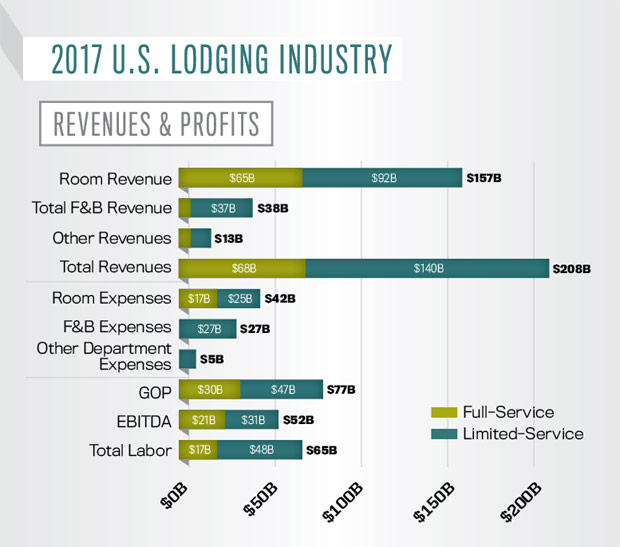
A common misconception is that a hotel’s profit is derived solely from the nightly room rate. While the Average Daily Rate (ADR) and Revenue Per Available Room (RevPAR) are the primary metrics for success, successful properties diversify their income:
- Food and Beverage (F&B): Fine dining restaurants located within a Ritz Carlton can often be more profitable than the rooms themselves, especially when they attract local patrons who are not staying at the hotel.
- Event Space and Conferences: Large hotels in business hubs like Dubai or Singapore rely heavily on corporate bookings, weddings, and galas. These events provide high-margin revenue through catering and venue rental.
- Ancillary Services: Spa treatments, valet parking, airport transfers, and branded merchandise offer additional margins that help insulate the business against fluctuations in occupancy.
Operational Costs and Capital Intensity
The barrier to entry for owning a hotel is significantly higher than for many other forms of real estate. A property like the Burj Al Arab requires astronomical capital for daily maintenance, staffing, and luxury upgrades. Labor costs are typically the largest operating expense. Unlike digital businesses, a hotel cannot operate without a significant human workforce to handle check-ins, housekeeping, and concierge duties. Consequently, when occupancy drops, the overhead remains relatively fixed, which can quickly erode profit margins.
Market Segmentation and Profitability Profiles
Not all hotels are created equal. The profitability of a property depends heavily on its category and its target demographic.
The Luxury Segment
Luxury properties often command the highest room rates, allowing for substantial revenue per guest. However, they also demand the highest level of service and the most expensive physical maintenance. A resort in the Maldives must constantly battle the elements, requiring aggressive reinvestment to maintain its “paradise” aesthetic. The profit in this segment comes from the premium brand positioning, which allows owners to charge significantly more than the cost of providing the service.
Budget and Economy Hotels
At the other end of the spectrum, budget hotels often operate on a high-volume, low-margin model. By stripping away extraneous amenities like spas, room service, or fitness centers, these properties reduce their operating costs to the absolute minimum. When managed correctly, a budget hotel chain can be highly profitable due to lower overhead and consistent, predictable demand from road warriors and budget-conscious travelers.
Boutique Hotels and Niche Concepts
Boutique hotels, often found in design-centric districts like those in Tokyo or Rome, rely on high customer loyalty and unique guest experiences. These properties can charge a premium for their “Instagrammable” aesthetic and personalized service. Because they are often smaller, they are more agile and can adjust their pricing strategies faster than massive, slow-moving hotel groups.
The Impact of Macro Trends and Technology
The landscape of hotel profitability has been fundamentally altered by the digital age. The rise of Airbnb forced the traditional hotel industry to reconsider its value proposition, leading to increased focus on experiential travel and high-end amenities that apartment rentals cannot replicate.
Revenue Management and Dynamic Pricing
Modern hotels now employ sophisticated software to adjust prices in real-time based on demand, local events, and competitor data. This dynamic pricing model ensures that a room is rarely empty and that prices are maximized during peak demand periods. For a property near Walt Disney World, for example, pricing is meticulously calibrated to reflect school holidays and seasonal tourism surges.
The Role of Online Travel Agencies (OTAs)
The relationship between hotels and platforms like Booking.com or Expedia is a double-edged sword. While these platforms provide essential visibility and global reach, they charge significant commissions—often 15% to 25%—which can significantly dent a hotel’s net profit. Consequently, many independent hotels are incentivized to invest in their own websites and loyalty programs to drive direct bookings and capture the full value of the reservation.
Sustainability and Efficiency
As operational costs rise, profitability is increasingly tied to energy efficiency. Hotels are massive consumers of water and electricity. Implementing smart technology—such as automated climate control and energy-saving lighting—can lead to significant long-term savings. Furthermore, modern travelers are showing a preference for sustainable practices, and properties that highlight their environmental stewardship, such as those often found in Costa Rica, are seeing higher occupancy rates.
Challenges to Sustained Profitability
Despite the potential for high returns, the hospitality industry is famously cyclical. Economic downturns are often the first to impact travel spending. When companies cut travel budgets and households tighten their belts, hotels are often the first to feel the impact.
Global Geopolitical Risk
Travel is sensitive to the global climate. Political instability, health crises, or regional conflicts can instantly halt tourism to an entire country. A property in Istanbul might be thriving one year, only to face a massive decline in demand the next due to external factors beyond the hotel manager’s control.
The “Death by a Thousand Cuts”
Profitability is also threatened by rising operational expenses. Insurance premiums, property taxes, and the rising cost of labor in major markets can slowly eat away at margins. Furthermore, if a hotel fails to renovate, it risks obsolescence. In a hyper-competitive market like Las Vegas, hotels must constantly reinvent themselves with new gaming floors, showrooms, or restaurant concepts to prevent guests from migrating to a newer, trendier neighbor.
Conclusion: Is the Investment Worth It?
Are hotels profitable? Yes, but they are not passive investments. Unlike a commercial office building or a multi-family apartment complex, a hotel is an operating business that requires 24/7 attention, constant quality control, and an intimate understanding of shifting consumer preferences.
Success requires a perfect storm: an ideal location, a brand that resonates with the right demographic, an efficient operating model that minimizes labor and energy costs, and the financial resilience to survive inevitable market cycles. For those who can navigate these complexities, the hospitality industry remains one of the most rewarding and dynamic sectors of the global economy. It is a business of selling experiences, and when the service is right and the numbers are managed with precision, the dividends can be as substantial as the properties themselves.
LifeOutOfTheBox is a participant in the Amazon Services LLC Associates Program, an affiliate advertising program designed to provide a means for sites to earn advertising fees by advertising and linking to Amazon.com. Amazon, the Amazon logo, AmazonSupply, and the AmazonSupply logo are trademarks of Amazon.com, Inc. or its affiliates. As an Amazon Associate we earn affiliate commissions from qualifying purchases.