
For travelers and residents navigating the sprawling freeways of California, the High-Occupancy Vehicle (HOV) lane, commonly known as the carpool lane, offers a tantalizing promise: a smoother, faster commute. Designed to encourage ridesharing and reduce traffic congestion and emissions, these lanes are a staple in major metropolitan areas like Los Angeles, San Francisco, and San Diego. But for drivers of hybrid vehicles, a critical question often arises: can I use the carpool lane even when traveling solo? The answer, while seemingly simple, involves understanding evolving state regulations, specific vehicle types, and the crucial Clean Air Vehicle (CAV) decal program.
The Evolution of California’s HOV Lane Access for Green Vehicles
California, a pioneer in environmental policy, has long used its HOV lanes as an incentive for adopting cleaner vehicles. This policy has undergone several iterations, reflecting advancements in automotive technology and the state’s ongoing efforts to balance traffic management with environmental goals.
Early Incentives: The Green and White Decals
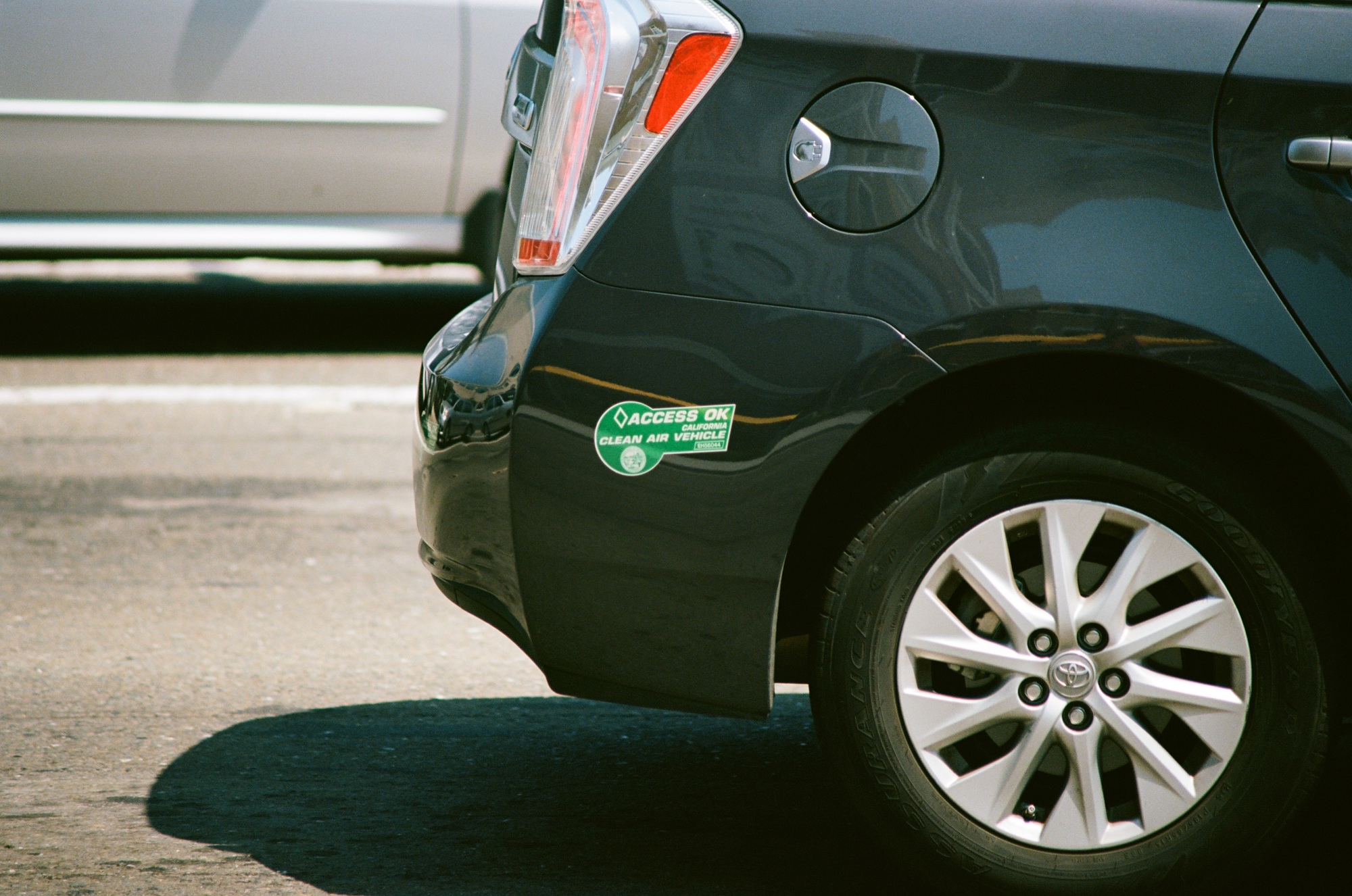
Initially, to encourage the adoption of early hybrid vehicles, California introduced a program that allowed specific low-emission and clean-air vehicles, regardless of the number of occupants, to use HOV lanes. The first wave, starting in 2000, saw certain super ultra-low emission vehicles (SULEVs) and inherently low-emission vehicles (ILEVs) eligible for a “white” decal. This was soon followed by “yellow” decals for hybrid vehicles like the original Toyota Prius and Honda Insight, allowing single-occupant HOV lane access. These programs proved immensely popular, contributing significantly to the widespread adoption of hybrids in the state. However, as more hybrids hit the road, the very success of the program began to clog the carpool lanes, defeating their original purpose. This led to the sunsetting of the yellow decal program.
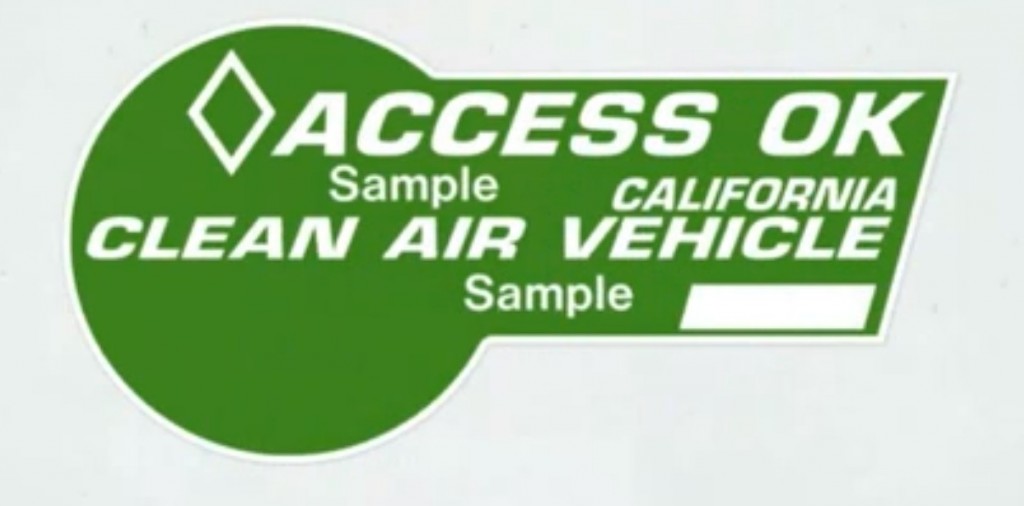
A subsequent program introduced “green” decals for advanced technology partial zero-emission vehicles (AT PZEVs), primarily plug-in hybrids, which offered an extended period of HOV access. Each decal program had specific expiration dates, and eligibility criteria became progressively stricter, shifting focus from conventional hybrids to vehicles with increasingly lower emissions and greater electric-only range.
Current California Regulations for CAV Decals
Today, HOV lane access for single-occupant clean air vehicles in California is governed by the Clean Air Vehicle (CAV) decal program, administered by the California Department of Motor Vehicles (DMV). This program is primarily aimed at zero-emission vehicles and certain very low-emission plug-in hybrids. The state’s goal is to continue incentivizing the cleanest vehicles while ensuring HOV lanes maintain their efficiency.
The current decals, often referred to by their color – mainly blue and purple – have specific eligibility requirements tied to a vehicle’s emissions standard and its ability to operate in zero-emission mode. Unlike the earlier programs, which often included many conventional hybrids, the current focus is squarely on plug-in electric vehicles (PHEVs), battery electric vehicles (BEVs), and fuel cell electric vehicles (FCEVs).
Which Hybrids Qualify for Single-Occupant HOV Lane Access Today?
It’s crucial for drivers to understand that not all vehicles branded as “hybrid” qualify for solo carpool lane usage in California. The distinction lies primarily in the vehicle’s powertrain technology and its emissions profile as certified by the California Air Resources Board (CARB).
Plug-in Hybrid Electric Vehicles (PHEVs)
Many plug-in hybrids are eligible for the CAV decal. These vehicles combine a gasoline engine with an electric motor and a larger battery pack that can be charged from an external source. The key criterion for PHEVs is meeting specific emissions standards and demonstrating a minimum all-electric range. For example, vehicles that meet California’s Enhanced Advanced Technology Partial Zero Emission Vehicle (AT-PZEV) or Transitional Zero Emission Vehicle (TZEV) emissions standards and have an all-electric range of at least 50 miles often qualify for the blue or purple decals, allowing them solo access to HOV lanes until specific expiration dates. The eligibility list is updated periodically by the California Air Resources Board (CARB), so checking the latest list on the California Department of Motor Vehicles website is essential.
Battery Electric Vehicles (BEVs) and Fuel Cell Electric Vehicles (FCEVs)
All pure battery electric vehicles (BEVs), which run solely on electricity and produce zero tailpipe emissions, and fuel cell electric vehicles (FCEVs), which use hydrogen to generate electricity, are eligible for the CAV decal. These vehicles are considered the cleanest and receive the highest priority for HOV lane access incentives. As of recent regulations, these vehicles typically qualify for a blue decal, granting them solo HOV access until January 1, 2025. Following this, new purple decals were introduced for certain zero-emission vehicles, offering continued access until January 1, 2029, provided they meet the latest federal greenhouse gas emission standards. The longevity of these programs underscores California’s commitment to fully electrifying its transportation sector.
Conventional Hybrids (HEVs)
Crucially, conventional (non-plug-in) hybrids generally no longer qualify for single-occupant HOV lane access. Vehicles like the standard Toyota Camry Hybrid or Honda Accord Hybrid (without plug-in capability) only qualify for HOV lanes if they meet the minimum occupancy requirement, typically two or more people. The programs that granted solo access to these earlier models have expired. This distinction is vital for drivers to avoid costly citations.
Applying for Your Clean Air Vehicle Decal
If you own a qualifying vehicle, obtaining a CAV decal is a straightforward process through the California Department of Motor Vehicles.
Eligibility Verification
Before applying, ensure your vehicle is on the official eligibility list published by CARB. This list is frequently updated, so always check the most current information. Vehicle eligibility is determined by its specific make, model, year, and emission certification. You’ll need your vehicle’s Vehicle Identification Number (VIN) to confirm eligibility.
Required Documentation
To apply for a CAV decal, you’ll need to complete a California Department of Motor Vehicles form (REG 1000, Application for Clean Air Vehicle Decal). This form typically requires your vehicle information, personal details, and a small fee. You’ll submit this, often along with a copy of your vehicle registration, directly to the California Department of Motor Vehicles. Processing times can vary, so it’s advisable to apply well in advance of any planned trips where you intend to use the HOV lanes.
Displaying the Decal Correctly
Once received, the decals must be displayed prominently and correctly on your vehicle according to California Department of Motor Vehicles instructions. Typically, this involves placing them on specific corners of the front and rear bumpers, and sometimes on the right rear quarter panel. Improper display can lead to citations, even if your vehicle is eligible. The decals are valid until their specified expiration date or until they are damaged or removed.
Navigating California’s HOV Lanes with Confidence
For travelers cruising through California’s diverse regions, from the bustling highways of Orange County to the scenic routes of the Bay Area, understanding HOV lane rules is paramount for a smooth journey.
Understanding Signage
HOV lanes are clearly marked with distinctive diamond symbols painted on the pavement and accompanying signs. These signs specify the minimum occupancy required (e.g., “HOV 2+” for two or more occupants, “HOV 3+” for three or more) and the hours of operation. Many HOV lanes operate during peak commute hours, while others are enforced 24/7. Always pay close attention to the posted signs, especially when entering or exiting these lanes, as rules can vary even within the same county or city, such as between Los Angeles, Riverside County, or San Bernardino County.
Toll Roads and Express Lanes
Some HOV lanes in California have transitioned into or operate in conjunction with express lanes or toll roads, particularly in regions overseen by the Metropolitan Transportation Commission (MTC) in the Bay Area or the California Department of Transportation (Caltrans) in Southern California. These lanes often use dynamic pricing based on congestion. Vehicles with CAV decals may still receive discounted or free passage on these express lanes, even when driving solo, but they often require a FasTrak transponder, sometimes a specific “switchable” FasTrak transponder to declare the number of occupants. Always check the specific rules for the express lane you plan to use, as regulations can be nuanced.
Penalties for Non-Compliance
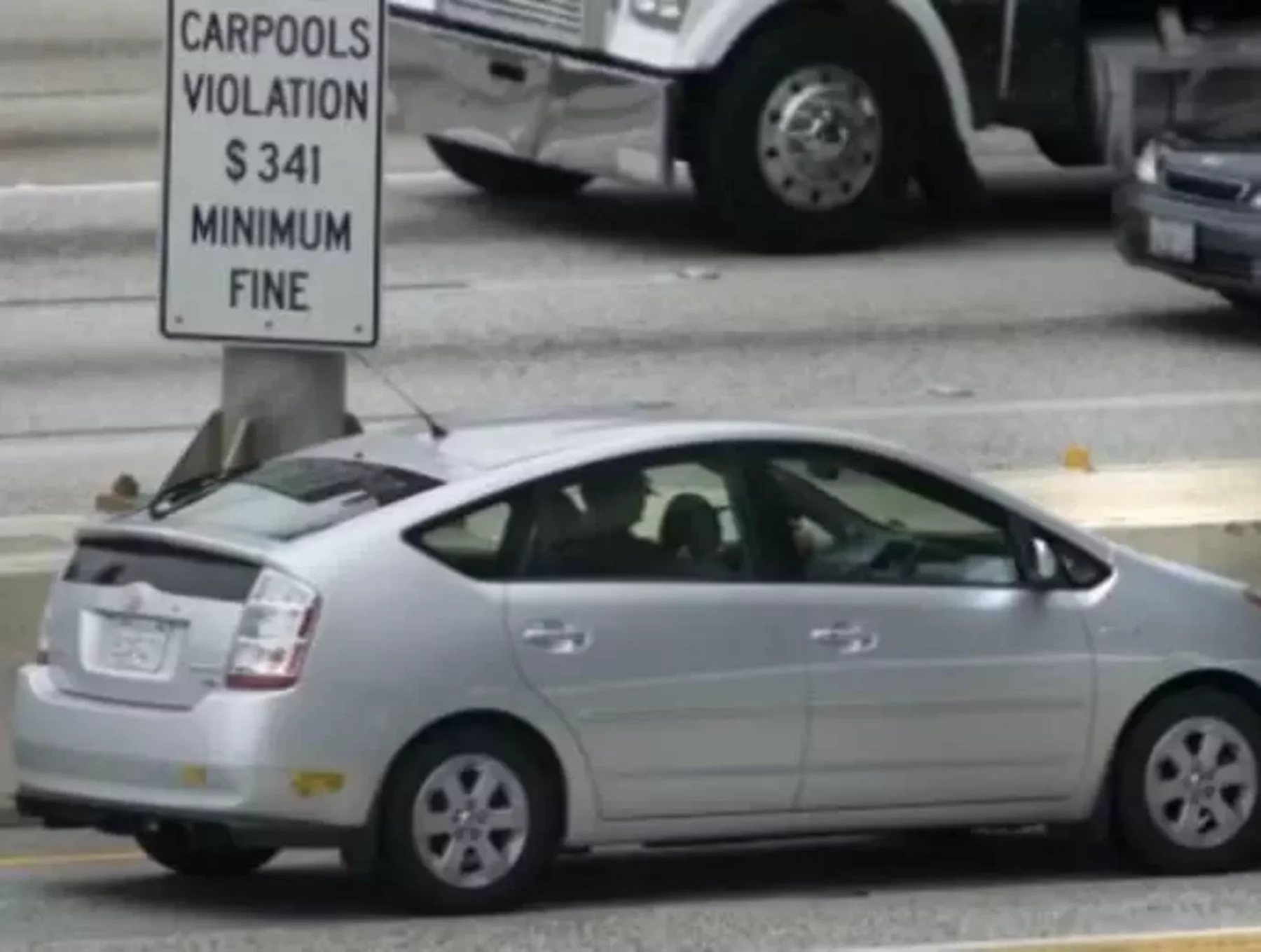
The penalties for improper HOV lane use in California are significant. A single-occupant vehicle without a valid CAV decal caught in an HOV lane can face fines upwards of $400, in addition to court fees. Enforcement is strict and includes both traditional patrols and sophisticated camera systems. For a hassle-free travel experience, ensure your vehicle meets the current requirements and that your decals are properly displayed and valid.
In conclusion, while the answer to “Are hybrids allowed to use the carpool lane in California?” used to be a broad “yes,” it is now a more nuanced “it depends.” Conventional hybrids generally do not qualify for solo access. Only specific plug-in hybrids, battery electric vehicles, and fuel cell vehicles that meet strict emissions criteria and have a valid, properly displayed CAV decal can enjoy the privilege of solo HOV lane use. For any traveler or resident driving in California, staying informed about the latest regulations from the California Department of Motor Vehicles and California Air Resources Board is key to a smooth, efficient, and penalty-free journey on the state’s extensive freeway network.
LifeOutOfTheBox is a participant in the Amazon Services LLC Associates Program, an affiliate advertising program designed to provide a means for sites to earn advertising fees by advertising and linking to Amazon.com. Amazon, the Amazon logo, AmazonSupply, and the AmazonSupply logo are trademarks of Amazon.com, Inc. or its affiliates. As an Amazon Associate we earn affiliate commissions from qualifying purchases.