
The absence of a Michelin Guide in Boston is a curious anomaly for many discerning travelers and culinary enthusiasts. As one of North America’s oldest and most historically significant cities, Boston boasts a vibrant cultural scene, prestigious academic institutions, and a burgeoning reputation for innovative dining. Yet, unlike culinary powerhouses such as New York City, Chicago, and Washington D.C., Massachusetts’ capital remains notably absent from the esteemed red guide’s selective pages. This phenomenon prompts an examination of Michelin’s expansion strategy, the unique characteristics of Boston’s culinary landscape, and what this means for travelers seeking exceptional dining experiences.

Understanding the Michelin Guide’s Global Footprint
The Michelin Guide, originating in France in 1900 as a motorist’s handbook, has evolved into the world’s most influential arbiter of culinary excellence. Its star ratings—one, two, or three stars—are highly coveted by chefs and restaurants globally, signifying a pinnacle of quality, creativity, and consistency. A single star denotes “a very good restaurant in its category,” two stars mean “excellent cooking, worth a detour,” and three stars represent “exceptional cuisine, worth a special journey.”
Beyond the stars, the guide also recognizes restaurants with Bib Gourmand awards for “exceptionally good food at moderate prices” and includes a broader selection of recommended establishments. The meticulous, anonymous inspection process, carried out by full-time professional inspectors, is legendary for its rigor and impartiality. For a city, the arrival of the Michelin Guide is often seen as a significant boost to its culinary tourism profile, drawing travelers specifically to experience its acclaimed dining scene.
Currently, the Michelin Guide covers numerous countries across Europe, Asia, and North America. In the United States, its coverage remains selective, focusing primarily on major metropolitan areas or regions with substantial financial backing. This selectivity highlights that inclusion in the guide is not merely a recognition of existing quality but often a strategic, mutually beneficial partnership.
The Boston Conundrum: A City Without Stars
Boston is far from a culinary backwater. Its dining scene has undergone a remarkable transformation over the past two decades, moving beyond its traditional seafood and Italian-American strongholds to embrace diverse cuisines, innovative techniques, and a farm-to-table ethos. The city is home to numerous acclaimed chefs, James Beard Award winners, and restaurants frequently cited in national “best of” lists. From cutting-edge tasting menus to world-class seafood shacks, the breadth and depth of Boston’s gastronomic offerings are impressive.
Travelers to Boston seeking high-quality dining will find no shortage of options. Neighborhoods like the South End, Seaport District, and Cambridge (just across the Charles River) are replete with establishments offering exceptional culinary experiences across various price points. Yet, despite this evident quality, the definitive imprimatur of the Michelin Guide is missing.
This absence creates a unique situation for Boston as a travel destination. While other cities leverage their Michelin stars to attract culinary tourists, Boston must rely on alternative recognitions, word-of-mouth, and the strength of its local culinary narrative. For some travelers, the lack of Michelin stars might mistakenly suggest a less developed high-end dining scene, potentially leading them to overlook a city brimming with gastronomic talent.
Behind the Scenes: The Economics and Strategy of Michelin Expansion
The primary reason for the absence of the Michelin Guide in many deserving cities, including Boston, often boils down to economics and strategic partnerships. Operating a guide involves significant costs: employing a team of anonymous, full-time inspectors, travel expenses, publishing, and marketing. Michelin typically funds its guide expansions through partnerships with local tourism boards, city governments, or other private entities that recognize the economic benefits a Michelin Guide can bring to their destination.
These partnerships often involve a substantial financial investment from the city or state to cover the operational costs for a specified period. The return on investment for the partner comes from increased tourism, heightened media attention, and a boost to the local hospitality industry. For instance, the expansion into California was reportedly underwritten by a significant contribution from the state’s tourism board.
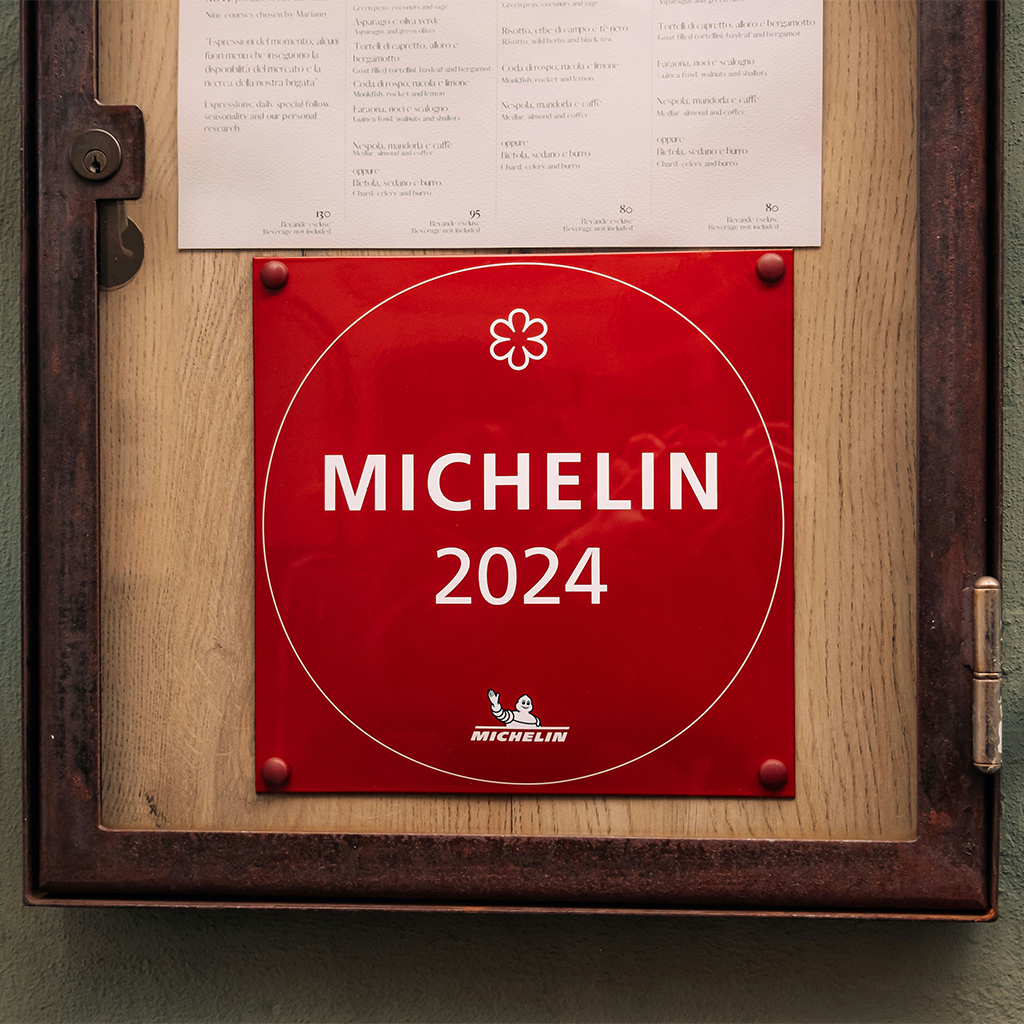
It is speculated that Boston and the state of Massachusetts have not yet entered into such a financial agreement with Michelin. This could be due to several factors:
- Competing Priorities: Tourism boards have many initiatives to fund, and a Michelin Guide might not always be deemed the most impactful or cost-effective strategy compared to other marketing campaigns or infrastructure developments.
- Perceived Need: Boston’s tourism numbers are robust, driven by its history, universities, and convention business. Stakeholders might believe the city already attracts sufficient visitors without the added draw of Michelin stars.
- Market Dynamics: Michelin might prioritize cities where it perceives a stronger, more established high-end dining culture that aligns perfectly with its brand image, or where its presence can create a more immediate and significant impact on a nascent luxury travel market.
The decision is complex, involving not just culinary quality but also strategic alignment, market demand, and financial feasibility from both the city’s and Michelin’s’ perspective.
Beyond the Stars: Boston’s Thriving Culinary Identity
For travelers, the absence of a Michelin Guide in Boston is not an indicator of a lack of quality but rather an opportunity for independent discovery. Boston’s culinary scene stands proudly on its own merits, offering a diverse array of experiences that cater to every palate and budget.
-
Seafood Excellence
No visit to Boston is complete without indulging in its world-renowned seafood. From classic lobster rolls and clam chowder to sophisticated preparations of local scallops and cod, the city leverages its coastal proximity to offer incredibly fresh and high-quality oceanic fare. Travelers can find everything from casual lobster shacks along the waterfront to elegant fine-dining establishments specializing in seafood.
-
Diverse Culinary Landscape
Beyond seafood, Boston offers a rich tapestry of international cuisines. The North End remains a historic hub for authentic Italian dining, while neighborhoods like Chinatown and areas around Harvard and MIT in Cambridge boast excellent Asian, Middle Eastern, and Latin American eateries. The city’s growing immigrant communities continue to enrich its food scene with new flavors and traditions.
-
Innovative Dining and Local Talent
Boston is a hotbed for culinary innovation, with chefs pushing boundaries in contemporary American cuisine, often emphasizing seasonal New England ingredients. Many local chefs have received national accolades from organizations like the James Beard Foundation, and their restaurants consistently feature on “best restaurant” lists compiled by prominent food publications. Travelers who delve into local food media and trusted dining guides will discover a wealth of exceptional establishments. Alternative guides like the Forbes Travel Guide and AAA Diamond Ratings also provide valuable insights into high-quality dining experiences in the city.
-
### Unique Culinary Experiences
Boston also offers unique culinary experiences tied to its local culture, such as historical taverns, vibrant food markets like the Boston Public Market, and burgeoning craft brewery and distillery scenes. These experiences provide a deeper connection to the city’s identity than a mere star rating can convey.
For the adventurous traveler, the absence of Michelin stars simply means a chance to explore Boston’s gastronomy with fresh eyes, guided by local recommendations and personal taste rather than a universally applied rubric.

The Future Outlook: Could Michelin Come to Boston?
The prospect of a Michelin Guide for Boston is a recurring topic of discussion within the city’s culinary circles. Given the continuous growth and refinement of its dining scene, it remains a strong candidate for future expansion. Factors that could influence Michelin’s decision to enter the Boston market include:
- Renewed Sponsorship Interest: A proactive approach from Boston’s tourism office or a state-level initiative in Massachusetts to secure a partnership could easily pave the way.
- Sustained Culinary Growth: Continued national recognition for Boston chefs and restaurants, particularly those pushing the boundaries of fine dining, could strengthen the city’s appeal to Michelin.
- Competitive Landscape: As other major U.S. cities gain Michelin guides, pressure might mount for Boston to follow suit to remain competitive in attracting high-end culinary travelers.
For now, travelers can continue to enjoy Boston’s rich and diverse dining landscape, confident that its lack of Michelin stars does not diminish the exceptional quality and memorable experiences awaiting them in this historic and vibrant city. Its culinary scene remains a testament to local talent, fresh ingredients, and a commitment to gastronomic excellence, proving that a city doesn’t need stars to shine brightly on the global culinary map.
LifeOutOfTheBox is a participant in the Amazon Services LLC Associates Program, an affiliate advertising program designed to provide a means for sites to earn advertising fees by advertising and linking to Amazon.com. Amazon, the Amazon logo, AmazonSupply, and the AmazonSupply logo are trademarks of Amazon.com, Inc. or its affiliates. As an Amazon Associate we earn affiliate commissions from qualifying purchases.