
Understanding how to check points on your driver’s license in Colorado is crucial for responsible driving and maintaining a clean driving record. In the Centennial State, a point system is in place to track traffic violations, and accumulating too many points can lead to significant consequences, including license suspension or revocation. This guide will walk you through the official methods and important considerations for monitoring your driving record in Colorado.
Understanding the Colorado Point System
The Colorado Department of Revenue, Division of Motor Vehicles (DMV), administers the state’s traffic violation point system. This system is designed to identify and penalize drivers who repeatedly engage in unsafe driving behaviors. Each traffic offense is assigned a specific number of points based on its severity. For example, minor infractions like speeding might incur fewer points, while more serious offenses such as reckless driving or running a red light will carry a higher point penalty.
How Points Are Assessed
When you are convicted of a traffic violation in Colorado, points are added to your driving record. The severity of the offense dictates the number of points assigned. It’s important to note that points are typically assessed on a conviction basis, meaning that a ticket itself doesn’t immediately add points. You must be found guilty of the violation, either through a plea or a court ruling, for the points to be officially recorded.
Point Accumulation and Consequences
The primary concern with the point system is the accumulation of points over a specific period. For drivers 18 years and older, accumulating 12 or more points within any 12-month period can result in a license suspension. The suspension period can vary depending on the number of points accumulated and whether it’s a first-time offense or a repeat incident.
For drivers under 18 years of age, the point thresholds are much lower and stricter, reflecting a greater need for supervised and safe driving practices. For instance, accumulating 6 or more points within any 12-month period can lead to license restrictions or suspension for younger drivers.
Official Methods to Check Your Driving Record
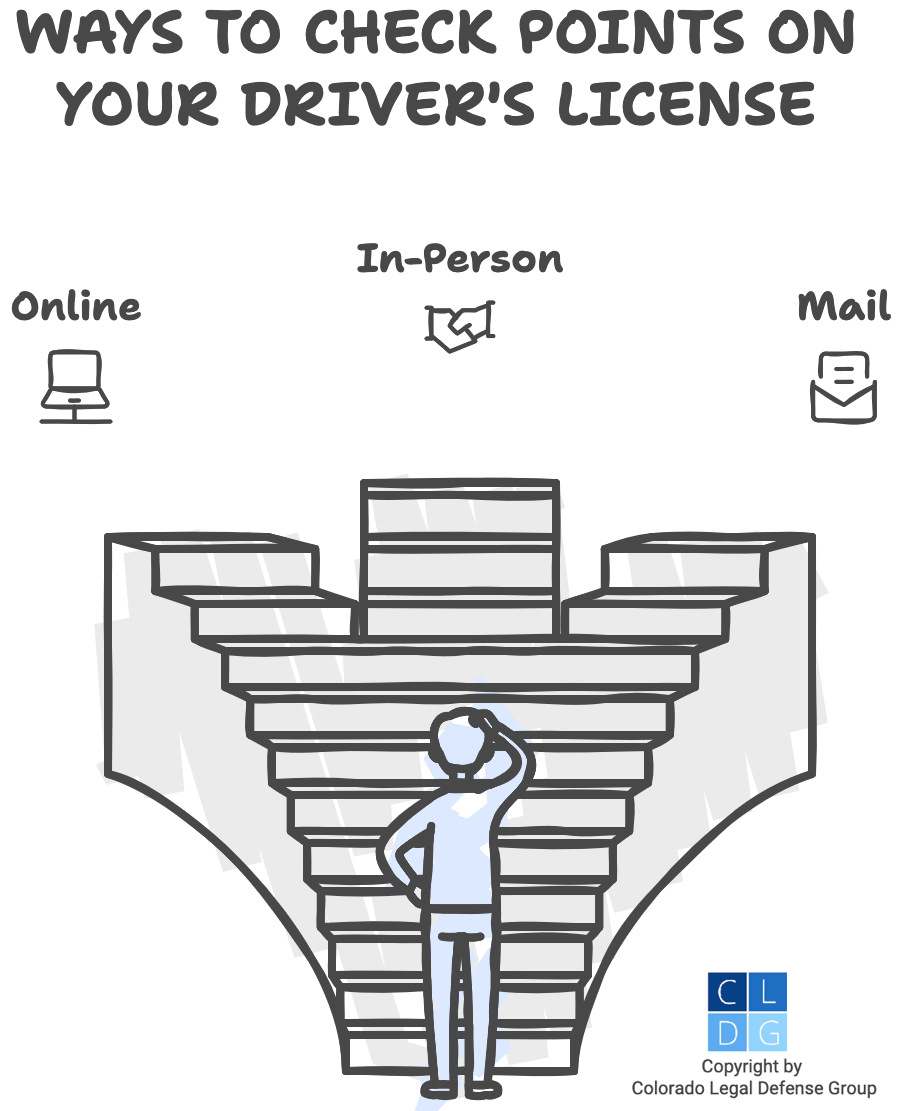
Fortunately, Colorado provides several official avenues for drivers to check their driving records and, consequently, their accumulated points. These methods ensure you have access to accurate and up-to-date information directly from the source.
Online Request Through the Colorado DMV
The most convenient method for many drivers is to request their driving record online through the official Colorado DMV website. This service allows you to access a copy of your own driving record, which will detail all traffic violations, convictions, and the associated points assessed against your license.
To request your record online, you will typically need to provide personal information to verify your identity, such as your driver’s license number, date of birth, and social security number. There may be a small fee associated with obtaining an official copy of your driving record, which can usually be paid online via credit card. Once processed, you will receive a digital copy of your record, which you can then review for accuracy and to check your point total.
In-Person Request at a Colorado DMV Office
If you prefer a hands-on approach or encounter issues with the online system, you can also obtain a copy of your driving record by visiting a local Colorado DMV office in person. This method is straightforward but requires you to schedule an appointment or visit during operating hours.
When visiting a DMV office, you will need to present a valid form of identification, such as your driver’s license or passport, and complete an application for a driving record. Similar to the online request, there will likely be a fee involved. A DMV representative will be able to assist you in obtaining your record and answer any immediate questions you may have regarding its content.
Mail-In Request
For those who prefer not to use online services or cannot visit a DMV office, a mail-in request option is also available. You can download the necessary application form from the Colorado DMV website, fill it out completely, and mail it along with the required fee and a copy of your identification to the designated DMV address.
This method may take longer to process compared to online or in-person requests, so it’s advisable to initiate this process well in advance if you need your record by a specific date. Ensure all information is accurate and that you include sufficient postage.
What to Look For on Your Driving Record
Once you have obtained your driving record, it’s essential to review it carefully to understand your current standing. Here are the key elements to pay attention to:
Point Totals
The most critical piece of information is your current point total. Your driving record will clearly indicate the number of points currently assessed against your license. Cross-reference this with the point accumulation thresholds to understand your proximity to potential license suspension.
Violation History
Your record will list all traffic violations you have incurred. This includes the type of violation (e.g., speeding, running a stop sign, DUI), the date of the violation, the court where it was adjudicated, and the number of points assigned for each offense. Reviewing this history can help you recall past incidents and ensure their accuracy.

Conviction Dates
The dates of your convictions are crucial. The Colorado point system operates on a rolling 12-month basis. This means that points from violations older than 12 months are typically no longer counted towards your current total. Understanding these dates is vital for calculating your potential risk of suspension.
License Status
Your driving record will also indicate your current license status. This includes whether your license is active, suspended, revoked, or has any restrictions placed upon it. If you have concerns about your license status, this section will provide clarity.
Actions to Take Based on Your Driving Record
The information you gather from your driving record should guide your subsequent actions. Whether you have a clean record or are nearing a point threshold, there are proactive steps you can take.
Maintaining a Clean Record
If your driving record shows minimal or no points, congratulations! Continue to drive safely and obey all traffic laws. Consider defensive driving courses periodically, even if not required, as they can refresh your knowledge and potentially lead to insurance discounts.
Addressing Existing Violations
If you find errors on your driving record, it is imperative to address them promptly. Contact the Colorado DMV or the issuing court to initiate a correction process. Mistakes can happen, and it’s your responsibility to ensure your record is accurate.
Defensive Driving Courses
For drivers who have accumulated points or are concerned about an upcoming suspension, enrolling in an approved defensive driving course can be beneficial. In Colorado, completing an approved defensive driving course can result in the removal of up to 4 points from your driving record. However, there are limitations on how often you can use this option, typically once every seven years. The court or the DMV will provide specific details on eligibility and the process for point reduction.
Legal Representation
If you have received a traffic ticket and are concerned about the points associated with it, or if you are facing a potential license suspension, consulting with a traffic attorney is highly recommended. An attorney can advise you on your legal options, represent you in court, and potentially negotiate a plea bargain or reduce the charges to minimize the impact on your driving record and insurance premiums.
Frequently Asked Questions About Colorado License Points
How long do points stay on my Colorado driver’s license?
Points remain on your driving record for a period of seven years from the date of conviction. However, only points accumulated within the most recent 12-month period count towards potential license suspension for drivers 18 and older.
Can points from out-of-state violations affect my Colorado license?
Yes, Colorado is part of the Driver License Compact, an agreement among most U.S. states and the District of Columbia. This means that convictions in other participating states are generally reported to your home state’s DMV and may be treated as if they occurred in Colorado, potentially affecting your license and point total.
What happens if my license is suspended due to points in Colorado?
If your license is suspended due to accumulating too many points, you will be notified by the Colorado DMV. The suspension period will vary based on the circumstances. To reinstate your license after a point suspension, you will typically need to pay reinstatement fees, complete any required remedial education or traffic school, and possibly have an SR-22 insurance filing for a specified period.
Is there a way to get points removed immediately?
The most common method for removing points is by successfully completing an approved defensive driving course, which can reduce your point total by up to 4 points. However, this option has limitations. Otherwise, points naturally drop off your record after 12 months from the conviction date for suspension calculations, and entirely after seven years.

Where can I find the official Colorado traffic violation point schedule?
The official point schedule for traffic violations in Colorado can be found on the Colorado Department of Revenue, Division of Motor Vehicles website. It is also often available through legal resources or by contacting the DMV directly.
Staying informed about your driving record and understanding the point system in Colorado is an essential aspect of responsible vehicle ownership. By utilizing the available resources and taking proactive steps, you can ensure your driving privileges remain intact and contribute to safer roads for everyone.
LifeOutOfTheBox is a participant in the Amazon Services LLC Associates Program, an affiliate advertising program designed to provide a means for sites to earn advertising fees by advertising and linking to Amazon.com. Amazon, the Amazon logo, AmazonSupply, and the AmazonSupply logo are trademarks of Amazon.com, Inc. or its affiliates. As an Amazon Associate we earn affiliate commissions from qualifying purchases.