
The allure of California has long been intertwined with its pioneering spirit, its breathtaking landscapes, and its reputation as a haven for alternative lifestyles and cutting-edge wellness trends. From the sun-kissed beaches of San Diego to the tech-driven innovation of Silicon Valley and the artistic vibrancy of Los Angeles, the Golden State offers an unparalleled array of travel experiences. In recent years, a new question has emerged in the minds of travelers and wellness enthusiasts alike, one that touches upon both personal freedom and evolving scientific understanding: Are “magic mushrooms,” or psilocybin-containing fungi, legal in California?
This question is far more complex than a simple yes or no, reflecting a dynamic legal and cultural landscape that is constantly shifting. As interest in psychedelics grows globally, driven by promising research into their therapeutic potential for mental health conditions, many are looking to progressive states like California to lead the charge in decriminalization and even legalization. For those planning a trip, or simply curious about the intersection of travel, lifestyle, and burgeoning psychedelic science, understanding the current legal status is paramount. This guide will delve into the nuances of psilocybin laws in California, exploring how local ordinances, state legislation, and a broader cultural movement are shaping the future, while also providing essential context for responsible tourism and travel within this diverse state.
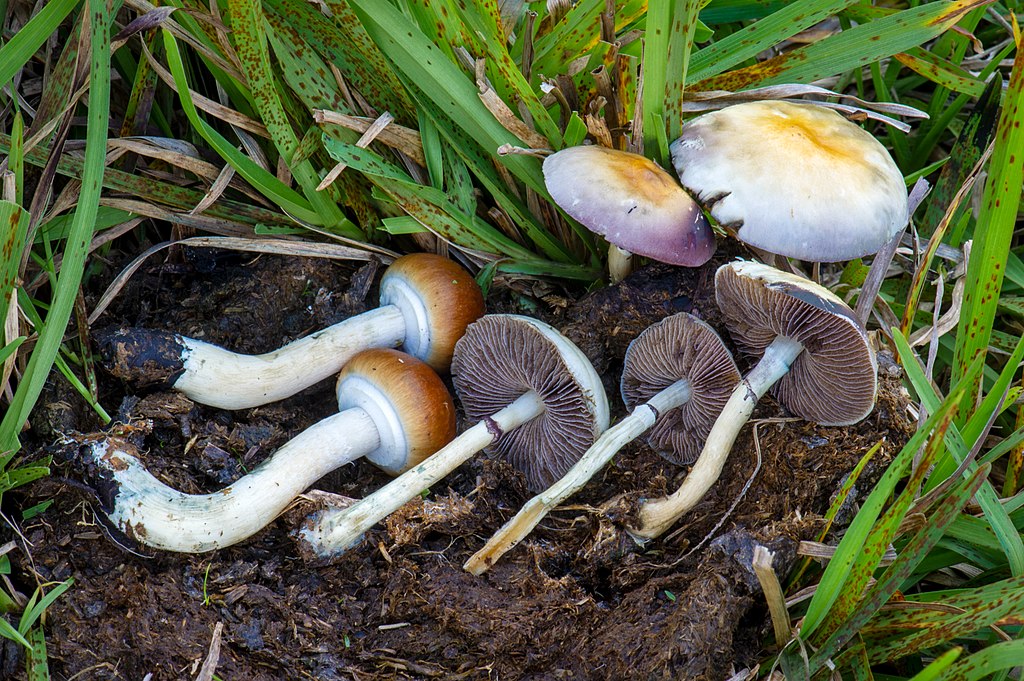
Navigating California’s Psychedelic Landscape
California’s approach to controlled substances has historically been at the forefront of national conversations, particularly evident in its groundbreaking cannabis legalization. This history often leads to assumptions that the state might be equally permissive when it comes to other substances, including psychedelics like psilocybin. However, the legal reality for magic mushrooms in California is currently a patchwork of state laws and local ordinances, creating a nuanced and often confusing environment for both residents and visitors. Understanding this landscape requires distinguishing between federal prohibitions, state regulations, and the impact of municipal decriminalization efforts.
The Current Legal Status: A Nuanced Picture
At the federal level in the United States, psilocybin remains classified as a Schedule I controlled substance under the Controlled Substances Act. This classification, shared with substances like heroin and LSD, implies a high potential for abuse and no currently accepted medical use. While federal law enforcement priorities can shift, the federal illegality of psilocybin is a foundational element that underpins state-level regulations. States generally cannot fully legalize a substance that remains federally illegal for commercial sale and distribution, though they can, and often do, carve out their own approaches to possession and personal use.
In California, psilocybin is similarly classified as a Schedule I controlled substance under the state’s Health and Safety Code. This means that, for the vast majority of the state, the possession, sale, and cultivation of psilocybin-containing mushrooms are illegal and can carry significant penalties, including fines and imprisonment. However, this overarching state law has been challenged and modified by a wave of local actions, particularly through what is known as “decriminalization.”

Decriminalization is a critical concept to understand in this context. It is distinct from legalization. When a substance is decriminalized, penalties for its possession or use are reduced, often to civil infractions (like a traffic ticket) rather than criminal charges. This typically applies to small amounts for personal use, with manufacturing, distribution, and large-scale possession often remaining criminal offenses. Decriminalization does not make the substance “legal” to buy or sell, nor does it create a regulated market for it.
Several prominent California cities have taken steps to decriminalize natural psychedelics, including psilocybin. Oakland was the first in 2019, followed by Santa Cruz in 2020. Berkeley also moved to decriminalize in 2021, and San Francisco followed suit in late 2022. These municipal ordinances generally deprioritize the arrest and prosecution of individuals involved in the possession, use, or cultivation of psychedelic plants and fungi for personal or spiritual purposes. It’s crucial for travelers to understand that these local policies do not override state law, but rather signal a change in local law enforcement priorities. This means that while local police might not pursue charges for personal possession in these specific cities, state or federal authorities could theoretically still intervene, and the sale or commercial distribution of psilocybin remains strictly illegal everywhere in California.
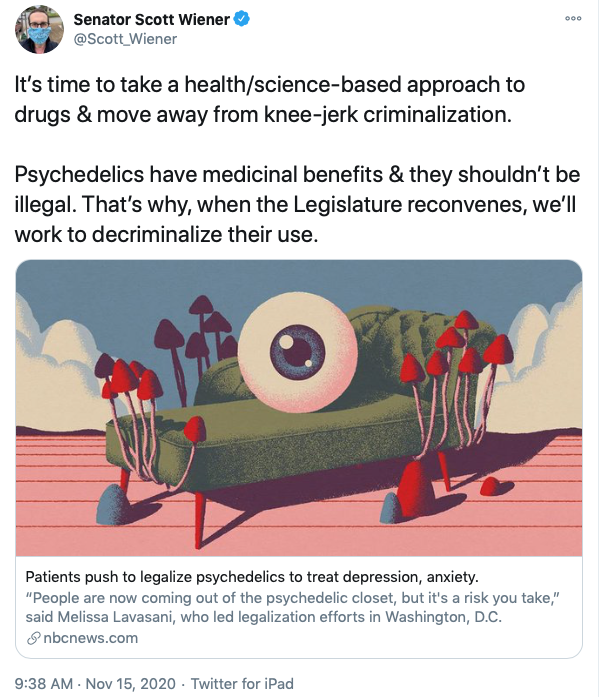
State-Level Initiatives and the Path Forward
Beyond local decriminalization, there have been significant efforts at the state level to alter California’s psilocybin laws. These initiatives typically take two forms: legislative bills introduced by state lawmakers or ballot initiatives proposed directly to voters.
One notable legislative attempt was Senate Bill 58 (SB 58), introduced in 2023. This bill aimed to decriminalize the possession and personal use of certain natural psychedelics, including psilocybin, psilocin, DMT, and mescaline (excluding peyote), for individuals 21 and older. It sought to remove criminal penalties for possessing, cultivating, or sharing these substances without remuneration. While the bill passed through various legislative hurdles, it ultimately faced a veto from Governor Gavin Newsom in October 2023. Newsom cited concerns about public health and safety, suggesting a preference for regulated therapeutic models over broad decriminalization.
Despite this setback, the movement for psychedelic reform in California is far from over. Advocates are continuously working on new legislative proposals and are actively exploring future ballot initiatives. A ballot initiative offers a direct path for citizens to enact laws, bypassing the legislative process and requiring a certain number of signatures to qualify for a statewide vote. If a well-funded and organized campaign were to successfully launch such an initiative, California could potentially see a statewide vote on psychedelic reform in upcoming election cycles.
The debate often centers around two distinct approaches: medical/therapeutic legalization versus broad recreational decriminalization/legalization. The medical model, akin to what Oregon has implemented, focuses on regulated access for therapeutic use under the supervision of licensed facilitators. This approach prioritizes patient safety and clinical efficacy. Broad decriminalization, as seen in some California cities and proposed by SB 58, aims to reduce the harms of prohibition by minimizing arrests and incarceration for personal use. The future of psilocybin in California will likely depend on which of these pathways gains more traction, and how public opinion and scientific evidence continue to evolve.
Psychedelics, Wellness, and California Travel
The evolving discussion around psychedelics in California has significant implications for travelers, especially those drawn to the state’s reputation for wellness, innovation, and alternative lifestyles. While the legal landscape remains complex, it’s essential for visitors to understand how these developments might (or might not) impact their travel plans and experiences within the Golden State. Integrating the context of psilocybin with California’s broader tourism and lifestyle offerings provides a comprehensive view for responsible exploration.
Understanding the Implications for Travelers
For visitors to California, the primary takeaway regarding magic mushrooms should be caution and adherence to existing laws. Despite local decriminalization efforts in certain cities, general recreational use, purchase, and sale of psilocybin remain illegal under state and federal law across most of California. This means that tourists should not assume they can legally acquire or consume psilocybin anywhere within the state without facing potential legal repercussions.
The “grey area” of wellness retreats and plant medicine ceremonies is particularly pertinent. As interest in psychedelic therapies grows, some retreats, especially those focused on spiritual or healing practices, may operate under ambiguous legal interpretations, particularly in areas with decriminalization policies. While some might claim to facilitate “natural plant medicines,” travelers must exercise extreme discretion and thoroughly research the legal standing and reputability of any such organization. Participating in activities that are not explicitly legal carries inherent risks, including potential legal penalties, financial exploitation, and health concerns due to unregulated substances or unqualified facilitators.
Responsible tourism dictates prioritizing personal safety and respecting local laws. Engaging in illicit activities can not only lead to legal trouble but also expose individuals to unsafe products or environments. For those interested in the therapeutic potential of psychedelics, the safer and more responsible approach is to explore options in jurisdictions where regulated medical or therapeutic programs are explicitly legal, such as in Oregon or through legal clinical trials.
California as a Hub for Wellness and Alternative Lifestyles
Even without widespread legal psilocybin access, California stands as a global leader in wellness, health, and alternative lifestyles. The state has long been a magnet for those seeking holistic well-being, personal growth, and connection with nature. This established culture naturally intersects with the growing interest in psychedelics as tools for mental health and self-discovery.
Cities like Los Angeles, San Francisco, and San Diego boast a plethora of yoga studios, meditation centers, spa resorts, and health-focused culinary experiences. The state’s stunning natural landscapes, from the redwood forests to the high deserts and vast coastline, provide countless opportunities for outdoor adventure, mindfulness retreats, and spiritual exploration. These offerings cater to a lifestyle that values consciousness, personal development, and connection—themes that often resonate with the psychedelic experience.
Should California move towards a regulated therapeutic model for psilocybin, as Oregon has, it could solidify its position as a premier destination for a new form of “health tourism.” Imagine state-licensed psilocybin retreats nestled in the serene Napa Valley or guided therapeutic sessions overlooking the Pacific Ocean. Such a future would integrate psychedelic-assisted therapy into the broader fabric of California’s robust wellness industry, attracting visitors seeking innovative mental health solutions. Until then, travelers can still immerse themselves in the state’s existing, extensive array of legal wellness activities, from luxury spa treatments to wilderness excursions designed to rejuvenate the mind and body.
Planning Your California Journey: Beyond Psilocybin
While the discussion around psilocybin’s legality in California is undoubtedly compelling, it’s crucial for any traveler to remember that the state offers an incredible breadth of legal, enriching experiences that far transcend this specific topic. California is a global icon for tourism, famed for its diverse landscapes, cultural hotspots, and world-class attractions. Focusing on these myriad opportunities ensures a fulfilling, legal, and memorable trip.
Exploring California’s Diverse Attractions Legally and Safely
California truly has something for everyone, making it one of the most sought-after travel destinations in the world. For those interested in iconic landmarks and urban adventures, a visit to San Francisco offers the majestic Golden Gate Bridge, the historic Alcatraz Island, and vibrant neighborhoods like Fisherman’s Wharf. Los Angeles dazzles with the glitz of Hollywood Walk of Fame, the glamour of Beverly Hills, and world-class museums such as The Getty Center. Families, of course, flock to the magical Disneyland Resort in Anaheim.
Nature lovers will find paradise in California’s numerous national and state parks. Yosemite National Park stuns with its towering granite cliffs and ancient sequoias, while Death Valley National Park offers a stark, otherworldly beauty. The scenic drive along the Pacific Coast Highway is an experience in itself, revealing breathtaking ocean vistas, charming coastal towns, and picturesque beaches.
Accommodation options are as varied as the landscape. Travelers can indulge in luxury hotels and resorts in Santa Monica or Laguna Beach, find boutique stays in historic city districts, or opt for budget-friendly motels and vacation rentals. Foodies can embark on culinary tours through Napa Valley and Sonoma County‘s wine regions, explore the diverse ethnic eateries of Los Angeles, or savor fresh seafood along the coast. Every corner of California offers unique cultural experiences, outdoor adventures, and opportunities for relaxation, all within the bounds of legality and safety.
Responsible Tourism and Staying Informed
A core principle of enjoyable travel is responsible tourism, which includes respecting local laws, environmental regulations, and cultural norms. When visiting California, or any destination, it is always advisable to research and understand the specific laws of the places you intend to visit. This diligence helps prevent misunderstandings, avoid legal issues, and ensures a smooth, stress-free trip.
For topics as evolving as psychedelic legality, staying informed through reputable and official sources (such as state government websites or recognized legal news outlets) is paramount. Avoid relying solely on anecdotal information or unregulated online forums. The legal status of psilocybin in California is an ongoing conversation, and legislative efforts or ballot initiatives could shift the landscape at any time.
In conclusion, while the question “Are magic mushrooms legal in California?” points to an interesting and evolving aspect of the state’s legal and cultural identity, the immediate answer for most travelers remains nuanced: generally no, for recreational purposes statewide, despite limited local decriminalization. However, California continues to offer a wealth of legal, unforgettable experiences across its diverse regions, from iconic landmarks and vibrant city life to unparalleled natural beauty and a thriving wellness scene. By prioritizing legal and safe activities, and staying informed, visitors can enjoy the Golden State to its fullest, ensuring a journey filled with positive memories and enriching discoveries.
LifeOutOfTheBox is a participant in the Amazon Services LLC Associates Program, an affiliate advertising program designed to provide a means for sites to earn advertising fees by advertising and linking to Amazon.com. Amazon, the Amazon logo, AmazonSupply, and the AmazonSupply logo are trademarks of Amazon.com, Inc. or its affiliates. As an Amazon Associate we earn affiliate commissions from qualifying purchases.