
Florida, a state celebrated for its sun-drenched beaches, vibrant theme parks, and rich cultural tapestry, also possesses a complex relationship with its natural bounty. Among the myriad of questions that arise when exploring the Sunshine State, one that often surfaces, particularly for those with an interest in foraging or unique culinary experiences, is the legality of mushrooms. The query, “Are Mushrooms Illegal in Florida?” delves into a nuanced area of state law, touching upon controlled substances, recreational activities, and the safety of consuming wild flora.
Understanding Florida’s Mushroom Laws
The legality of mushrooms in Florida is not a blanket prohibition but rather a conditional one, heavily reliant on the specific type of mushroom and its intended use. The primary concern for lawmakers revolves around psychoactive substances, specifically psilocybin, commonly found in certain species of fungi. Florida, like many other states, classifies psilocybin as a Schedule I controlled substance under its drug laws. This classification means that possession, cultivation, sale, or distribution of psilocybin-containing mushrooms is illegal and carries significant penalties.

Psilocybin Mushrooms and the Law
Mushrooms containing psilocybin, often referred to as “magic mushrooms,” are strictly regulated. The Florida Comprehensive Drug Abuse Control Act categorizes psilocybin as a hallucinogen and includes it in the list of controlled substances that are illegal to possess without a valid prescription or license. This legal framework is designed to prevent the illicit use and distribution of drugs believed to have a high potential for abuse and no currently accepted medical use in treatment in the United States.
The legal ramifications for individuals caught with psilocybin mushrooms can range from misdemeanor charges for small quantities to felony charges for larger amounts, potentially leading to substantial fines and imprisonment. Law enforcement actively pursues cases involving the possession and sale of these substances, making ignorance of the law no defense. Therefore, for anyone considering venturing into the world of psychedelic mushrooms in Florida, understanding these legal boundaries is paramount.
Decriminalization Efforts and the Future
While the federal and state laws remain stringent regarding psilocybin, there has been a growing movement across the nation, and in some pockets of Florida, to explore decriminalization or legalization for medical and therapeutic purposes. Advocates argue that psilocybin has shown promise in treating various mental health conditions, including depression, anxiety, and post-traumatic stress disorder.
However, as of the current legal landscape in Florida, these discussions have not yet translated into widespread decriminalization or legalization for recreational or even broad therapeutic use. While some cities might have relaxed enforcement for small amounts, the state-level statutes remain in effect. The focus of these emerging dialogues often centers on regulated clinical trials and therapeutic settings, distinct from open access or recreational consumption. Travelers and residents alike should be aware that any form of possession or distribution outside of approved research is a violation of Florida law.
Foraging for Edible Mushrooms in Florida
Beyond the legal complexities of psychoactive varieties, Florida’s diverse ecosystems are home to a plethora of edible mushroom species. Foraging for these delectable fungi can be a rewarding activity, offering a connection to nature and a source of fresh, delicious ingredients. However, this pursuit comes with its own set of crucial considerations, primarily safety and legality.
Identifying Edible vs. Toxic Species
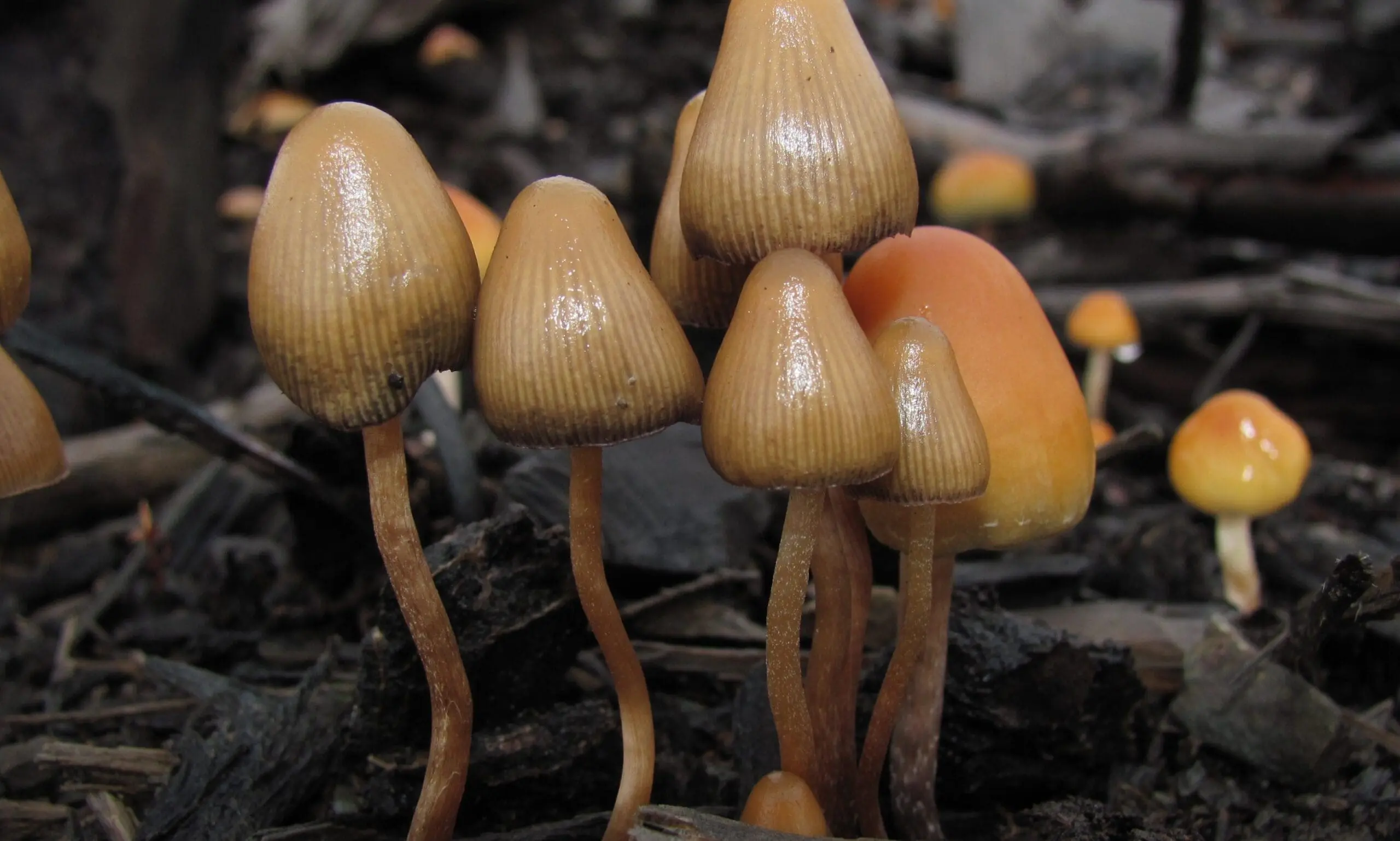
The most critical aspect of foraging for edible mushrooms is the ability to accurately identify them. Many poisonous mushrooms bear a striking resemblance to their edible counterparts, and a single mistake can lead to severe illness or even death. Florida’s subtropical climate supports a wide array of fungal life, some of which are highly toxic.
Foraging requires extensive knowledge, which is best acquired through hands-on experience with experienced mycologists, reputable field guides, and dedicated courses. Never consume a mushroom unless you are 100% certain of its identification. The “better safe than sorry” adage is particularly relevant here. It is advisable for beginners to forage only with seasoned experts and to avoid any species that are not unequivocally identified.
Regulations on Foraging
Regarding the legality of foraging for edible mushrooms in Florida, the situation is generally more permissive than for psilocybin-containing varieties, but with important caveats. Unlike some other regions or countries that may have strict permits for foraging on public or private lands, Florida’s regulations are often tied to land ownership and specific park rules.
In general, foraging for personal consumption on private property requires the landowner’s permission. On public lands, such as state forests or national parks, regulations can vary. Some parks may prohibit foraging altogether to protect delicate ecosystems, while others might allow it under specific conditions or for personal use. It is essential to consult the rules and regulations of the specific park or forest you plan to visit before embarking on a foraging expedition. For instance, when exploring the trails of the Ocala National Forest or the natural reserves near Miami, checking with park rangers or visiting the official park websites for their foraging policies is a necessary step.
The Importance of Sustainability
Responsible foraging practices are vital to ensure the long-term health of fungal populations and the ecosystems they inhabit. This includes harvesting only what you need, leaving younger mushrooms to mature, and avoiding the disturbance of their habitat. Sustainable foraging not only benefits nature but also guarantees that these natural resources will be available for future generations to enjoy. When planning a culinary adventure involving foraged ingredients, ensuring you have the necessary permits and adhere to local guidelines is as important as knowing your mushrooms.
Mushrooms in Florida’s Culinary Scene
Beyond the realm of foraging and legal debates, mushrooms play a significant role in Florida’s diverse and evolving culinary landscape. From high-end restaurants in cities like Miami and Tampa to local markets and home kitchens, mushrooms are celebrated for their unique textures and rich flavors.
Culinary Applications and Availability
Florida’s agricultural sector, alongside imports, ensures a steady supply of various cultivated mushroom varieties. Common types like cremini, shiitake, oyster, and portobello mushrooms are staples in many Florida kitchens. They are featured in a wide range of dishes, from gourmet pasta and risottos to hearty vegetarian entrees and savory side dishes. The state’s warm climate also supports the cultivation of certain specialty mushrooms, adding to the local gastronomic offerings.
When dining out, particularly at establishments focusing on farm-to-table or innovative cuisine, you’ll often find creative uses of mushrooms. Many restaurants pride themselves on sourcing local ingredients, and this often includes locally grown fungi. The availability and variety of mushrooms in Florida’s food markets are generally excellent, making them an accessible ingredient for both home cooks and professional chefs.
Considerations for Tourists and Locals
For visitors to Florida interested in experiencing the local food scene, seeking out dishes that highlight mushrooms is a delightful opportunity. Whether it’s a fine dining experience in a Miami restaurant or a casual meal at a seafood shack along the coast, mushrooms can add a depth of flavor and an interesting textural component to many meals.
When purchasing mushrooms from local markets, such as the Everglades Garlic Festival (while not exclusively mushroom-focused, it represents the spirit of local produce festivals) or specialized grocers, the quality and freshness are typically high. Understanding the types of mushrooms available and their best culinary uses can enhance your dining experience in the Sunshine State.

Conclusion: Navigating the Fungal Landscape of Florida
In conclusion, the question of “Are Mushrooms Illegal in Florida?” yields a multifaceted answer. While the possession and distribution of psilocybin-containing mushrooms are illegal and subject to strict penalties under state and federal law, the legality of foraging for and consuming edible mushrooms is largely dependent on responsible identification and adherence to land-use regulations.
For culinary enthusiasts, Florida offers a rich and diverse array of cultivated mushrooms readily available in its markets and restaurants. For those drawn to the wild, the pursuit of edible fungi requires knowledge, caution, and respect for the natural environment and its laws. Whether you’re a resident or a visitor, understanding these distinctions ensures a safe and enjoyable experience with Florida’s fungal wonders, free from legal entanglements and the dangers of misidentification. Always prioritize safety, legality, and sustainability when engaging with the world of mushrooms in the Sunshine State.
LifeOutOfTheBox is a participant in the Amazon Services LLC Associates Program, an affiliate advertising program designed to provide a means for sites to earn advertising fees by advertising and linking to Amazon.com. Amazon, the Amazon logo, AmazonSupply, and the AmazonSupply logo are trademarks of Amazon.com, Inc. or its affiliates. As an Amazon Associate we earn affiliate commissions from qualifying purchases.