
Embarking on a journey from the sun-drenched landscapes of Arizona to the neon glow of Las Vegas is a classic American travel experience. Whether you’re seeking a quick escape to the entertainment capital or planning an extensive road trip filled with natural wonders, understanding the distance, routes, and travel options is paramount. This guide will illuminate the path from the Grand Canyon State to the heart of Nevada, offering insights for a seamless and memorable adventure.
Mapping Your Journey: Understanding the Distance
The distance from Arizona to Las Vegas can vary significantly depending on your starting point within Arizona. Arizona is a vast state, stretching from the deserts of its southern reaches to the pine forests and canyons of the north. The most common starting points are its major metropolitan areas: Phoenix and Tucson.

Key Routes and Their Lengths
From Phoenix, the state capital, to Las Vegas:
- The Direct Route (via US-93 N): This is the most straightforward and popular path. It covers approximately 290-300 miles (467-483 kilometers). The journey typically takes about 4.5 to 5 hours of driving time, excluding stops. This route takes you through towns like Wickenburg and Kingman before crossing the Hoover Dam and entering Nevada.
- The Scenic Route (via I-40 W and US-93 N): For those coming from northern Arizona cities like Flagstaff or wanting to incorporate a visit to the Grand Canyon National Park, this route merges onto I-40 West before connecting with US-93 North. From Flagstaff, the distance is roughly 250-260 miles (402-418 kilometers), taking about 4 to 4.5 hours.
From Tucson, located in southern Arizona, to Las Vegas:
- The journey from Tucson is longer, typically around 390-400 miles (627-644 kilometers), taking approximately 6 to 6.5 hours of driving time. This route often involves taking I-10 West to Phoenix and then continuing on US-93 North.
Factors Influencing Travel Time
Several elements can impact your overall travel time:
- Traffic: Heavy traffic is common, especially around major cities like Phoenix and as you approach Las Vegas on weekends or during peak travel seasons. Construction zones can also cause delays.
- Border Crossings/Checkpoints: The Hoover Dam bypass bridge has significantly eased congestion at the dam itself, but security checks can sometimes still cause minor slowdowns.
- Stops: Planning for fuel, meals, and restroom breaks is crucial. Incorporating scenic detours or visits to attractions will naturally extend your travel duration.
- Time Zones: Most of Arizona does not observe Daylight Saving Time, meaning that for part of the year, it will be one hour behind Nevada. Always factor this in when coordinating arrivals or departures.
Choosing Your Mode of Transport
The method of travel you select significantly shapes your experience, influencing cost, convenience, and the ability to explore independently.
Driving: The Ultimate Road Trip Experience
Driving offers unparalleled flexibility, allowing travelers to set their own pace and discover hidden gems along the route. For many, the journey from Arizona to Las Vegas is an integral part of the adventure.
- Pros: Freedom to stop whenever and wherever, ideal for carrying luggage, cost-effective for groups, opportunity for scenic detours.
- Cons: Requires a designated driver, fuel costs, potential for traffic delays, vehicle wear and tear.
- Tips: Ensure your vehicle is in good condition, especially tires and fluids. Carry plenty of water, especially during summer months, as parts of the route are through desert landscapes. Consider downloading offline maps as cell service can be spotty in remote areas.
Flying: The Quickest Option
For those prioritizing speed and minimizing travel time, flying is the most efficient choice. Direct flights are available from Phoenix Sky Harbor International Airport (PHX) to Harry Reid International Airport (LAS) in Las Vegas.
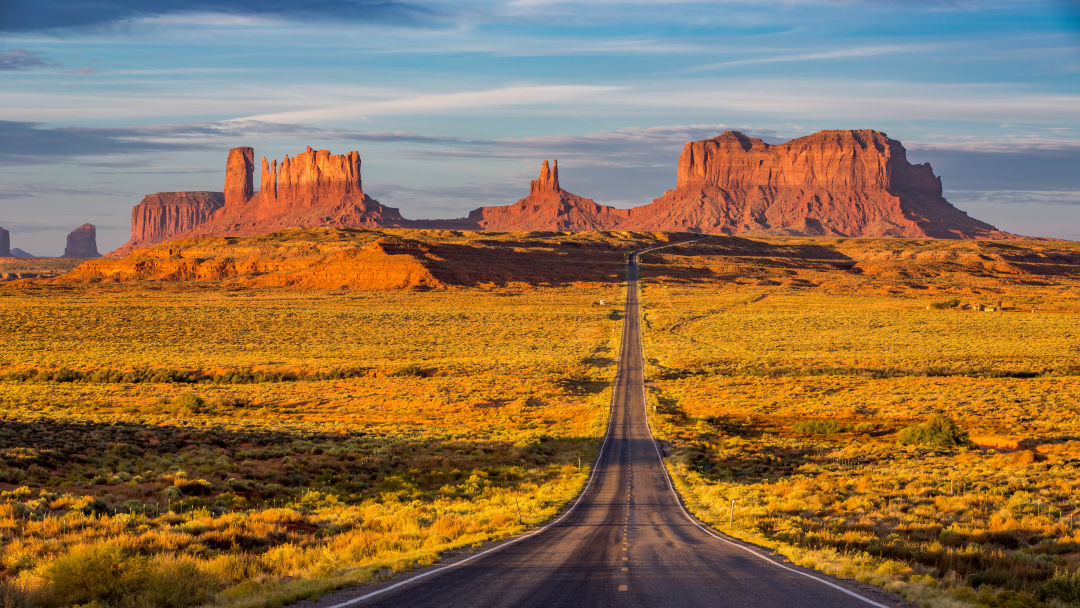
- Flight Duration: Non-stop flights typically last between 1 to 1.5 hours.
- Pros: Fastest travel time, avoids road fatigue, comfortable for many.
- Cons: Less flexible, often more expensive, involves airport security and wait times, limited ability to see sights between cities, additional costs for ground transportation to and from airports.
- Tips: Book in advance for better fares. Factor in transportation time to the airport, check-in, security, and baggage claim when calculating total travel duration.
Bus and Train Services: Budget-Friendly Alternatives
For travelers on a budget or those who prefer to relax and let someone else do the driving, bus services offer a viable option. Train services, while less direct, can also be incorporated into a multi-modal journey.
- Bus Services: Companies like Greyhound operate routes between major Arizona cities and Las Vegas.
- Travel Time: Bus journeys from Phoenix to Las Vegas can take approximately 6-7 hours, including stops. From Tucson, it’s considerably longer, often 9-11 hours.
- Pros: Economical, allows passengers to relax or work, no need to drive or park.
- Cons: Longer travel times, less flexible scheduling, limited personal space.
- Train Services: Amtrak does not offer a direct route from Phoenix to Las Vegas. Travelers would typically need to take a train from Arizona to a hub in California or Utah and then transfer to a bus service or another form of transport to reach Las Vegas. This is generally a much longer and less direct option for this specific route.
Essential Stops and Scenic Detours Along the Way
The drive from Arizona to Las Vegas offers a wealth of opportunities for sightseeing, transforming a simple drive into an unforgettable road trip.
Natural Wonders and Iconic Landmarks
- Hoover Dam & Lake Mead: Just a short drive before Las Vegas, this engineering marvel is a must-see. The visitor center offers tours, and the views of Lake Mead, one of the largest reservoirs in North America, are stunning.
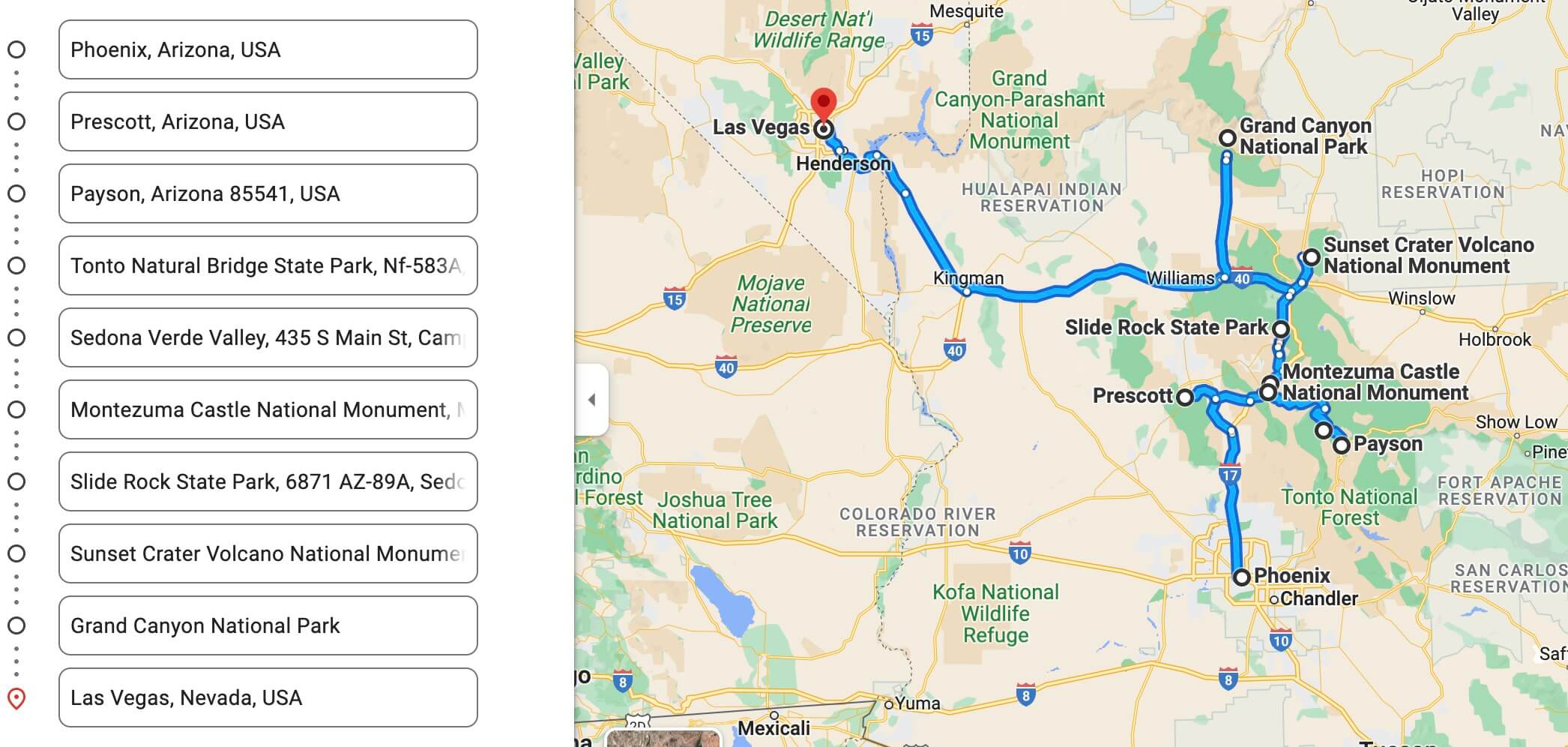
- Grand Canyon National Park: If starting from northern Arizona or willing to make a significant detour, the South Rim of the Grand Canyon is world-renowned. Even a quick stop at an overlook can be breathtaking. The West Rim of the Grand Canyon, home to the Skywalk, is closer to Las Vegas and can be accessed via a detour from US-93.
- Route 66: Parts of the historic “Mother Road” run through Arizona, particularly near Kingman. Charming old towns, diners, and quirky attractions dot this stretch, offering a nostalgic glimpse into America’s past.
- Sedona: Famous for its vibrant red rock formations and spiritual vortexes, Sedona is a popular detour from I-17 if coming from Phoenix. It adds significant time but offers unparalleled natural beauty and hiking opportunities.
- Valley of Fire State Park: Located just an hour northeast of Las Vegas, this Nevada state park boasts brilliant red Aztec sandstone outcrops and ancient petroglyphs. It’s an excellent last stop before hitting the Las Vegas Strip.
Quaint Towns and Hidden Gems
- Kingman, Arizona: Known as the “Heart of Historic Route 66,” Kingman offers museums, classic diners, and a taste of old Americana.
- Oatman, Arizona: A historic ghost town on Route 66 where wild burros roam the streets. It’s a step back in time with mock gunfights and unique shops. This requires a slight detour off US-93.
- Lake Havasu City, Arizona: Home to the historic London Bridge (yes, the one from London), this city offers watersports and a lively atmosphere, though it’s a more significant detour to the west.
- Jerome & Prescott: These historic mining towns, nestled in the mountains of central Arizona, offer rich history, charming downtowns, and cooler temperatures, making for excellent overnight stops if extending your journey.
Planning Your Vegas Adventure from Arizona
Beyond the drive itself, consider these practical tips for a smooth transition from the serene deserts of Arizona to the bustling energy of Las Vegas.
Best Times to Travel
- Spring (March-May) & Fall (September-November): These seasons offer the most pleasant weather for driving and exploring, with mild temperatures suitable for outdoor activities. Las Vegas also experiences comfortable conditions during these months.
- Summer (June-August): While popular for travel, summer in Arizona and Nevada can be extremely hot, with temperatures often exceeding 100°F (38°C). This can impact vehicle performance, increase the risk of tire blowouts, and make outdoor stops less enjoyable. Plan drives for early mornings or evenings.
- Winter (December-February): Temperatures are generally cool and pleasant, though northern Arizona can experience snow and icy conditions, especially near Flagstaff and the Grand Canyon. Las Vegas winters are mild and a popular escape for colder climates.
Packing Essentials and Travel Tips
- Hydration: Always carry more water than you think you’ll need, especially during warmer months. Dehydration is a serious risk in the desert.
- Snacks: Pack non-perishable snacks to avoid unnecessary stops and keep energy levels up.
- Sun Protection: Sunscreen, hats, and sunglasses are essential year-round due to the intense desert sun.
- Navigation: While cellular service is generally good on the main routes, dead spots exist. A physical map or downloaded offline maps on your smartphone can be invaluable.
- Emergency Kit: A basic car emergency kit (jumper cables, first-aid kit, flashlight, spare tire, tools) is always recommended.
- Entertainment: Long stretches of highway can be monotonous. Prepare playlists, podcasts, or audiobooks.
- Flexibility: While planning is good, be open to spontaneous detours and discoveries. The journey itself can be as rewarding as the destination.
The distance from Arizona to Las Vegas is more than just miles; it’s an invitation to explore the diverse landscapes and unique attractions of the American Southwest. Whether you rush to the bright lights or savor every mile of the drive, this iconic route promises an unforgettable travel experience.
LifeOutOfTheBox is a participant in the Amazon Services LLC Associates Program, an affiliate advertising program designed to provide a means for sites to earn advertising fees by advertising and linking to Amazon.com. Amazon, the Amazon logo, AmazonSupply, and the AmazonSupply logo are trademarks of Amazon.com, Inc. or its affiliates. As an Amazon Associate we earn affiliate commissions from qualifying purchases.