
Understanding the time difference between New York and your current location is a fundamental aspect of planning any trip, business meeting, or even just staying connected with loved ones across continents. This seemingly simple question opens up a world of logistical considerations, from booking flights to scheduling calls and anticipating the subtle yet significant impact of time zones on your daily rhythm. For travelers, grasping these temporal shifts is crucial for avoiding jet lag, making timely connections, and fully immersing oneself in a new destination without the confusion of constantly adjusting a watch or phone.
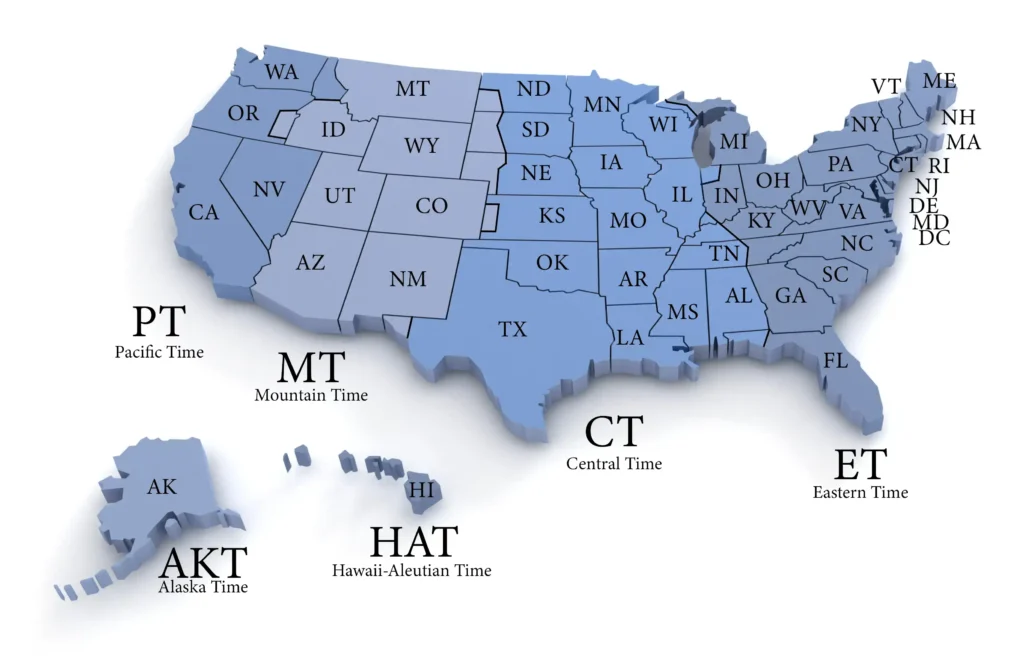
Understanding Time Zones and Daylight Saving Time
The Earth is divided into 24 time zones, each theoretically spanning 15 degrees of longitude. However, political and geographical boundaries often dictate the actual shape and extent of these zones, leading to irregularities. The baseline for most time zones is Coordinated Universal Time (UTC), which is based on atomic time. New York, for instance, observes Eastern Standard Time (EST) during winter months, which is UTC-5, and Eastern Daylight Time (EDT) during summer months, which is UTC-4. This shift is known as Daylight Saving Time (DST).
The Impact of Daylight Saving Time
Daylight Saving Time (DST) is a practice where clocks are advanced by one hour during warmer months to make better use of daylight. In the United States, DST typically begins on the second Sunday in March and ends on the first Sunday in November. This means that during these periods, New York will be one hour further ahead of UTC than it is during standard time.
For travelers, this is a critical detail. If you are traveling from a region that does not observe DST to New York, the time difference can shift by an hour depending on the time of year. Conversely, if both your departure and arrival locations observe DST, the difference might remain constant, but the absolute time will still vary. Always verify whether DST is active in both your current location and New York when calculating the time difference.
Navigating Time Differences for Travel Planning
When planning a trip to New York, understanding the time difference is paramount for several reasons, all of which contribute to a smoother and more enjoyable travel experience.
Booking Flights and Connecting Journeys
The most immediate impact of time differences is on flight schedules. Airlines use local times for departure and arrival, so a flight that leaves New York at 8:00 PM EST might arrive in London at 8:00 AM GMT the next day, even if the flight duration is only 7 hours. This is due to the 5-hour time difference (EST vs. GMT). Miscalculating this can lead to missed connections, arriving too early or too late for pre-booked activities, or simply a disorienting start to your vacation. Always double-check the arrival time in the local time of your destination.
Arranging Airport Transfers and Accommodation Check-ins
Similarly, pre-booked airport transfers or hotel check-in times need to align with your actual arrival. If you arrive at John F. Kennedy International Airport at 10:00 AM local time, and your hotel check-in isn’t until 3:00 PM, you’ll need to plan for luggage storage or perhaps an early check-in, if available. Knowing the time difference helps you accurately gauge when your hotel will be ready or when your driver will be waiting. For instance, if you are coming from Los Angeles, which is three hours behind New York, a 10:00 AM arrival in New York would correspond to 7:00 AM in Los Angeles.
Scheduling Meetings and Events
For business travelers or those coordinating with individuals in New York, precise timing is everything. A meeting scheduled for 2:00 PM EST means it will occur at different times depending on where your counterpart is located. For someone in Paris, which is six hours ahead of New York during standard time, that 2:00 PM EST meeting would be at 8:00 PM in Paris. This requires careful consideration to ensure no participant is inconvenienced or missed.
Managing Jet Lag and Adapting to Local Time
One of the most significant challenges of international travel is jet lag, a disruption of your body’s internal clock, or circadian rhythm. This is directly influenced by the time difference between your origin and your destination, particularly when crossing multiple time zones rapidly.
Strategies for Minimizing Jet Lag
To mitigate jet lag when traveling to New York, several strategies are recommended:
- Adjust Your Sleep Schedule Pre-Travel: A few days before your departure, begin shifting your sleep and wake times closer to the destination’s schedule. If traveling east, try going to bed and waking up earlier; if traveling west, do the opposite.
- Embrace the Local Schedule Upon Arrival: As soon as you land in New York, adjust to the local meal and sleep times, even if you don’t feel tired. Resist the urge to nap for extended periods during the day, as this can further disrupt your sleep cycle.
- Stay Hydrated: Dehydration can exacerbate jet lag symptoms. Drink plenty of water before, during, and after your flight.
- Limit Alcohol and Caffeine: These substances can interfere with sleep quality and hydration.
- Seek Natural Light: Exposing yourself to sunlight during the day in New York helps to reset your body’s internal clock.
The Psychological Impact of Time Differences
Beyond the physical effects of jet lag, the constant mental calculation of time differences can be surprisingly taxing. For the first few days, you might find yourself thinking, “What time is it back home?” or “Is it too late to call them?” This cognitive load can detract from the enjoyment of your trip. By understanding and preparing for the time difference, you can reduce this mental burden and be more present in your New York experience.
Common Time Zone Comparisons with New York
To provide a clearer picture, here are some common time zone comparisons with New York, assuming standard time (EST, UTC-5) and noting DST shifts where applicable.
North America
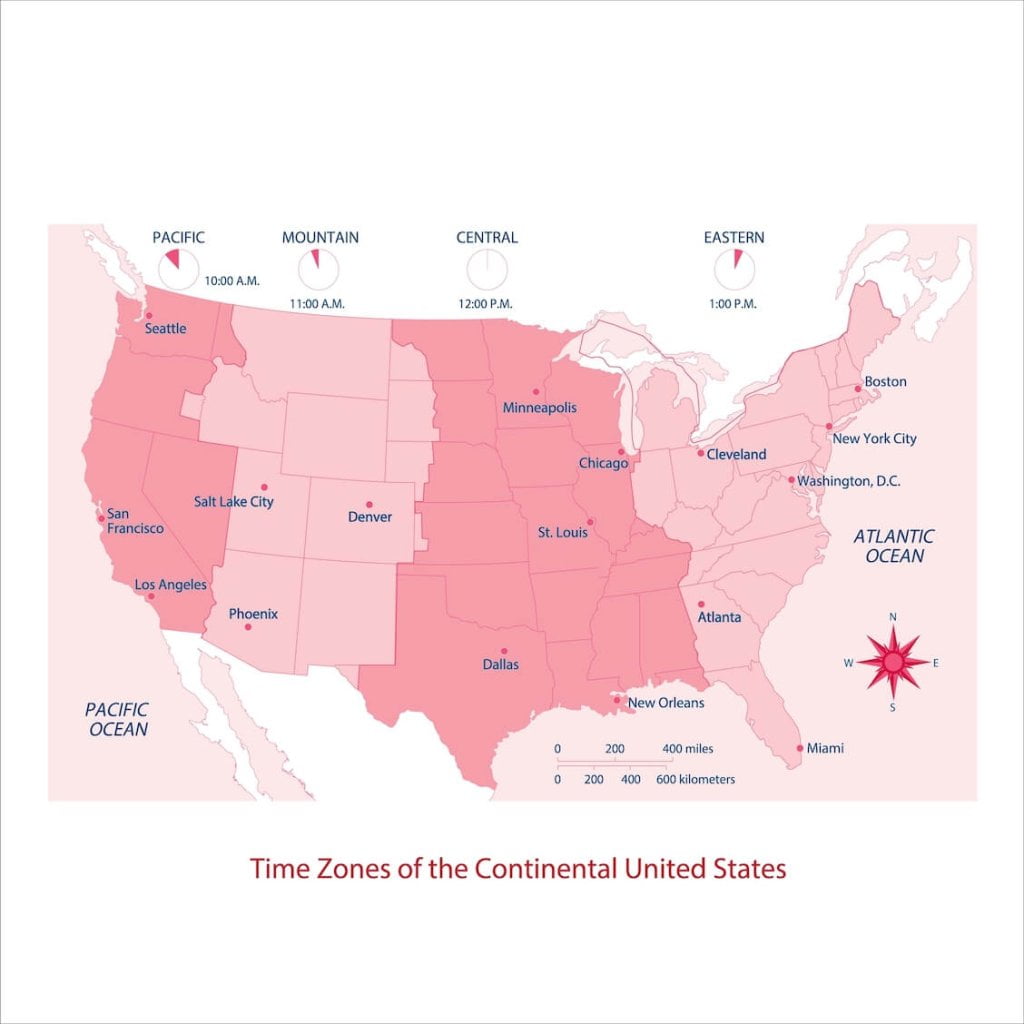
- Los Angeles (Pacific Time): UTC-8 (PST) / UTC-7 (PDT). New York is 3 hours ahead of Los Angeles.
- Chicago (Central Time): UTC-6 (CST) / UTC-5 (CDT). New York is 1 hour ahead of Chicago.
- Miami (Eastern Time): Same time zone as New York.
Europe
- London (Greenwich Mean Time/British Summer Time): UTC+0 (GMT) / UTC+1 (BST). New York is 5 hours behind London during EST/GMT and 4 hours behind during EDT/BST. So, if it’s 12:00 PM in New York during standard time, it’s 5:00 PM in London.
- Paris (Central European Time): UTC+1 (CET) / UTC+2 (CEST). New York is 6 hours behind Paris during EST/CET and 5 hours behind during EDT/CEST. So, if it’s 12:00 PM in New York during standard time, it’s 6:00 PM in Paris.
- Berlin (Central European Time): Same time difference as Paris.
Asia
- Tokyo (Japan Standard Time): UTC+9. New York is 14 hours behind Tokyo. So, if it’s 12:00 PM on Monday in New York, it’s 2:00 AM on Tuesday in Tokyo.
- Beijing (China Standard Time): UTC+8. New York is 13 hours behind Beijing.
Australia
- Sydney (Australian Eastern Standard Time/Daylight Time): UTC+10 (AEST) / UTC+11 (AEDT). New York is 15 hours behind Sydney during EST/AEST and 14 hours behind during EDT/AEDT. So, if it’s 12:00 PM in New York on Monday during standard time, it’s 3:00 AM on Tuesday in Sydney.

South America
- Buenos Aires (Argentina Time): UTC-3. New York is 8 hours ahead of Buenos Aires.
These comparisons highlight the significant temporal shifts involved in international travel to New York. A thorough understanding ensures that your journey is meticulously planned, your communication is effective, and your adaptation to the city’s vibrant pace is as smooth as possible.
LifeOutOfTheBox is a participant in the Amazon Services LLC Associates Program, an affiliate advertising program designed to provide a means for sites to earn advertising fees by advertising and linking to Amazon.com. Amazon, the Amazon logo, AmazonSupply, and the AmazonSupply logo are trademarks of Amazon.com, Inc. or its affiliates. As an Amazon Associate we earn affiliate commissions from qualifying purchases.