
The question of whether mushrooms are legal in Colorado delves into a fascinating and evolving area of law that significantly impacts both residents and travelers alike. As a state renowned for its progressive stances on various substances, Colorado has once again taken a leading role in rethinking its approach to natural medicines, specifically psilocybin, the psychoactive compound found in certain mushroom species. For anyone planning a trip, considering relocation, or simply curious about the intersection of lifestyle, wellness, and legal frameworks, understanding the nuances of Colorado’s laws is crucial.
Colorado has long been a trailblazer in the United States when it comes to reforming drug policies. Following the recreational legalization of cannabis in 2012, the state observed significant changes in tourism, local economies, and public perception. This historical context sets the stage for its more recent move regarding psilocybin. The shift reflects a broader societal conversation happening across North America and even in parts of Europe about the potential therapeutic benefits of psychedelics and the reevaluation of punitive drug laws. For travelers, this means a destination like Colorado offers not just breathtaking landscapes like the Rocky Mountains or vibrant cities such as Denver, but also an environment where certain aspects of wellness and alternative experiences are legally evolving. This article will explore the specifics of Colorado’s psilocybin laws, their implications for tourism and lifestyle, and what visitors need to know to navigate this unique legal landscape responsibly.

Understanding Colorado’s Evolving Stance on Psilocybin
The journey to decriminalize psilocybin mushrooms in Colorado began with grassroots efforts, mirroring the path taken by cannabis reform years prior. Initially, in 2019, Denver became the first city in the United States to decriminalize psilocybin through a citizen-led initiative. This local success paved the way for a statewide measure that aimed to implement a more comprehensive framework. The culmination of these efforts came in November 2022, when voters approved Proposition 122, known as the Natural Medicine Health Act. This landmark legislation significantly altered the legal status of natural psychedelic substances, primarily psilocybin and psilocin (the active compounds in magic mushrooms), but also including DMT, ibogaine, and mescaline (excluding peyote).
The passage of Proposition 122 was a pivotal moment, positioning Colorado at the forefront of the psychedelic reform movement. It signaled a clear public desire for a more health-oriented and less punitive approach to substances traditionally classified as illicit. This change is not merely about legality; it’s about recognizing the potential for these substances in therapeutic contexts and allowing adults to make informed choices about their personal well-being. For those interested in innovative approaches to health and wellness, or simply curious about the future of travel and lifestyle, Colorado’s bold step offers a glimpse into emerging trends that could reshape tourism and personal exploration in the coming years.
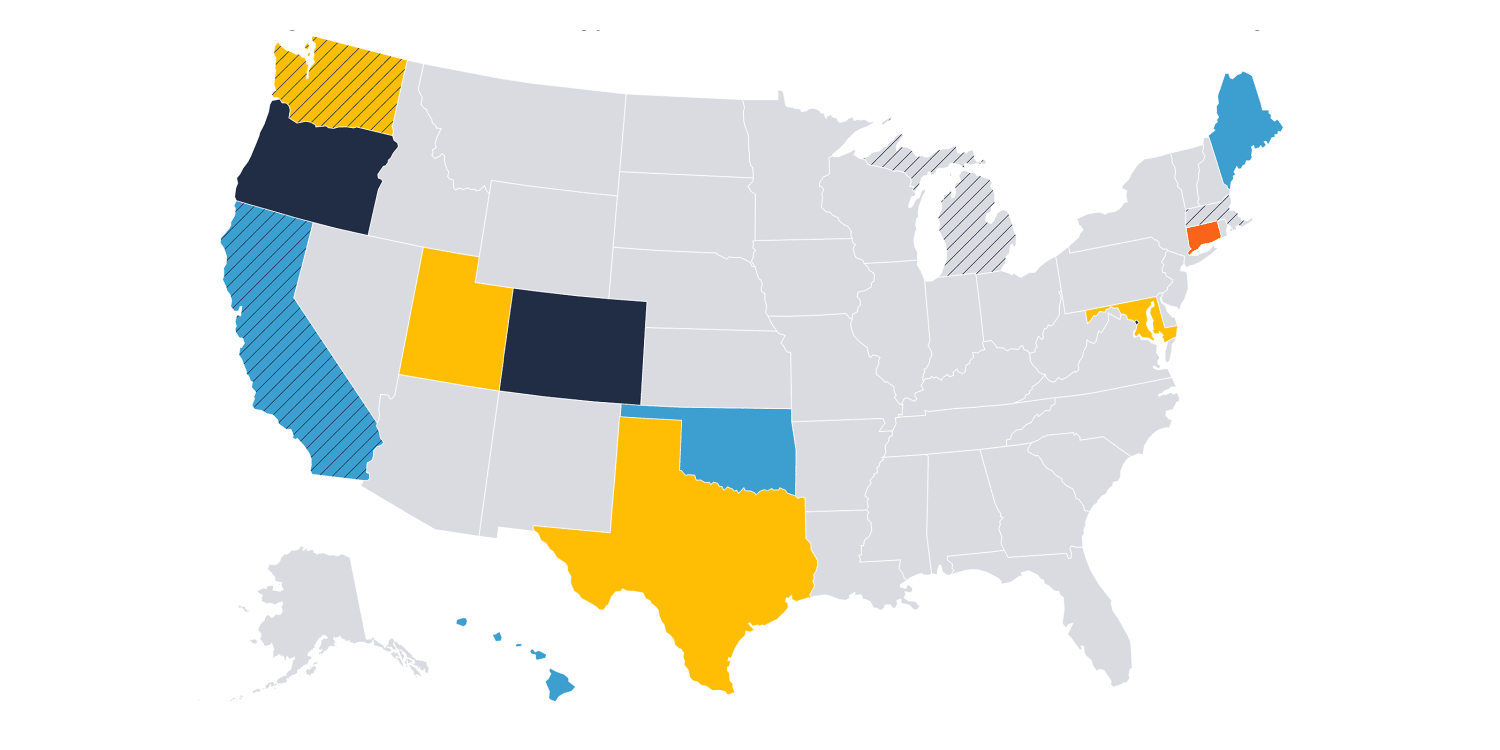
Decriminalization vs. Legalization: A Key Distinction
It is crucial to understand the difference between decriminalization and legalization, as this is where much of the confusion regarding Colorado’s psilocybin laws lies.
Decriminalization, as implemented by Proposition 122, means that state and local law enforcement are prohibited from arresting, prosecuting, or punishing individuals aged 21 and older for the personal use, possession, or cultivation of psilocybin mushrooms and other natural medicines outlined in the act. For example, if you are an adult and possess a personal amount of psilocybin mushrooms, you will not face criminal penalties under state law. This also extends to sharing these substances without remuneration. The primary intent is to remove criminal penalties for personal, private use, treating it as a low-priority offense, if an offense at all.
However, legalization implies a regulated market where substances can be legally bought and sold, often through licensed dispensaries or stores, similar to Colorado’s cannabis model. This is not what Proposition 122 has established for psilocybin. The act explicitly states that it remains illegal to:
- Sell or distribute psilocybin mushrooms commercially.
- Publicly consume psilocybin mushrooms.
- Operate businesses that facilitate psychedelic experiences for profit outside of the state-regulated healing center model (which is still under development).
Therefore, while adults 21 and over can possess and cultivate psilocybin for personal use, there is no legal way to purchase it from a retail store, nor can you consume it openly in public spaces like parks, streets, or even in many hotel common areas. This distinction is vital for anyone visiting or residing in Colorado to avoid potential legal issues. Understanding these boundaries ensures that individuals can engage with these substances within the established legal framework, respecting the laws while exploring personal well-being.

What Does Proposition 122 Mean for Residents and Visitors?
For adults 21 years of age and older, Proposition 122 grants significant new freedoms regarding natural medicines. Specifically, it allows:
- Personal Possession and Use: Individuals can possess and consume psilocybin (and the other natural medicines covered by the act) without fear of criminal charges, as long as it’s for personal use and they are 21 or older. The law does not specify a maximum “personal amount,” but it’s understood to be a non-commercial quantity. This means travelers, like residents, are generally covered under this provision, removing the immediate fear of arrest for simple possession.
- Personal Cultivation: Adults are permitted to cultivate psilocybin mushrooms at home for personal use. This aspect of the law is particularly notable for those interested in self-sufficiency and a deeper connection to their natural medicine journey. It enables a lifestyle choice that embraces botanical growth as part of personal wellness.
- Sharing without Remuneration: The act permits sharing natural medicines without charge. This means that friends or individuals within a community can share small amounts without being considered distributors under the law, fostering a communal approach to well-being.
However, the restrictions are equally important, especially for visitors who might assume full legalization:
- No Commercial Sales: As mentioned, buying or selling psilocybin remains illegal. This means there are no “mushroom dispensaries” or retail outlets where you can purchase these substances. Any commercial transaction involving psilocybin is still a criminal offense.
- No Public Consumption: Consuming psilocybin in public places is prohibited. This includes public parks, sidewalks, bars, restaurants, ski slopes, and many other areas frequented by tourists. The intent is to keep the use private and respectful of public spaces, similar to how public consumption of alcohol or cannabis is regulated.
- Healing Centers (Future Outlook): The Natural Medicine Health Act also outlines a future framework for licensed “healing centers.” These centers would provide supervised, therapeutic administration of psilocybin (and potentially other natural medicines) under the guidance of trained facilitators. However, the regulatory structure for these centers is still being developed by the state’s Department of Regulatory Agencies (DORA) and is expected to take time to implement, likely not before 2024 or 2025. When operational, these centers will represent a new facet of tourism and wellness, offering structured experiences for those seeking therapeutic benefits. For travelers interested in structured psychedelic experiences, it’s vital to wait for these regulated centers to become available and licensed, rather than seeking unregulated, potentially unsafe alternatives.
For tourists, this means that while you can possess mushrooms for personal use, you cannot buy them legally within the state, nor can you consume them in public areas. This situation necessitates careful planning and awareness, particularly regarding where and how you might choose to engage with these substances. It’s a progressive step that still requires a high degree of personal responsibility and adherence to the spirit of the law, which prioritizes private, non-commercial use.
Navigating the Legal Landscape as a Traveler
Traveling to Colorado offers an unparalleled array of experiences, from skiing in world-class resorts like Aspen and Vail to exploring the cultural vibrancy of Denver and Boulder. For those interested in the evolving legal status of natural medicines, the state presents a unique environment. Understanding the practical implications for visitors is paramount to ensure a safe and enjoyable trip. The key is to remember that while personal possession is decriminalized, the commercial market and public consumption are not.
This distinction profoundly impacts how a traveler might approach the topic. Unlike cannabis, where licensed dispensaries are readily available, there are no legal storefronts for psilocybin. This means tourists cannot legally purchase mushrooms during their visit. Bringing them across state lines, however, remains a federal offense, as psilocybin is still classified as a Schedule I controlled substance under federal law. Therefore, travelers should be acutely aware of federal jurisdiction, especially when traveling through airports or across state borders. The focus for responsible travelers should be on understanding local nuances and making informed decisions that align with both state laws and personal safety.
Public vs. Private Consumption: Know the Rules
The rule against public consumption is one of the most critical aspects for travelers to understand. While you might be able to possess psilocybin for personal use, using it openly in public spaces could still lead to legal consequences, albeit likely not criminal charges under state law, but potentially fines or confiscation. This applies to:
- Outdoor Recreational Areas: National Parks like Rocky Mountain National Park, state parks, ski resorts, hiking trails, and public sidewalks are all off-limits for consumption. Enjoying the stunning natural beauty of Colorado is a highlight for many, but it is not the place for public psychedelic use.
- City Environments: Busy urban centers like Denver’s 16th Street Mall or Boulder’s Pearl Street Mall are vibrant public spaces where consumption is prohibited. Similarly, venues for events, concerts at Red Rocks Amphitheatre, or cultural attractions such as Meow Wolf Denver are not appropriate locations.
- Accommodation: When it comes to hotels, resorts, or rental properties, the rules regarding psilocybin will vary. While an individual might possess psilocybin in their private hotel room, hotels typically have strict policies against drug use on their premises, which could lead to eviction or other penalties from the establishment itself, even if state law doesn’t impose criminal charges. For example, luxury hotels like the [Four Seasons Hotel Denver](https://lifeoutofthebox.com/four- Seasons-hotel-denver) or boutique options such as The Crawford Hotel will likely maintain a zero-tolerance policy. It is essential to check the specific policies of your chosen accommodation. Rental properties through services like Airbnb or VRBO also fall under this discretion, with hosts having the right to prohibit drug use.
For a responsible and respectful travel experience, it is advisable to keep any engagement with natural medicines strictly private, within a controlled environment where you have explicit permission or ownership, and away from public view. This approach minimizes risks and adheres to the spirit of the Natural Medicine Health Act, which emphasizes private, personal use.
Where to Find Information and Support
Given the evolving nature of these laws and the federal prohibition, obtaining accurate and up-to-date information is crucial. Travelers should:
- Consult Legal Resources: For definitive legal advice, always consult with a Colorado-licensed attorney specializing in drug policy. Websites from legal advocacy groups focusing on psychedelic reform also often provide valuable summaries of current laws and pending regulations.
- Stay Informed on State Regulations: The Colorado Department of Regulatory Agencies (DORA) is tasked with developing the rules for the healing centers. Their official website will be the primary source for information on when and how these regulated therapeutic services will become available. This is particularly important for those interested in the future of psychedelic-assisted therapy.
- Prioritize Safety and Harm Reduction: For anyone choosing to engage with natural medicines, education on responsible use, dosage, set, and setting is paramount. Organizations dedicated to psychedelic harm reduction can provide resources and guidance on safe practices. Remember, while decriminalized, these substances are powerful and should be treated with respect and caution.
- Be Aware of Federal Law: Always remember that federal law still classifies psilocybin as illegal. This means that while Colorado has decriminalized it, federal agents could technically enforce federal laws within the state. Although this is rare for simple personal possession, it is a crucial legal distinction to keep in mind, especially for international visitors or those crossing federal lands.
By proactively seeking information and understanding the boundaries, travelers can make informed decisions and ensure their visit to Colorado remains within legal and safe parameters, allowing them to fully enjoy all the state has to offer.
Psilocybin and Colorado’s Wellness and Tourism Scene
Colorado’s progressive stance on psilocybin is poised to further shape its already vibrant wellness and tourism sectors. The state has long been a magnet for those seeking outdoor adventure, holistic health, and alternative lifestyles. From the health-conscious communities in Boulder to the spiritual retreats nestled in the Rocky Mountains, Colorado promotes a lifestyle that emphasizes mental and physical well-being. The decriminalization of natural medicines aligns with this broader ethos, suggesting a future where carefully managed psychedelic experiences could integrate into the state’s diverse offerings.
This evolution brings new considerations for the tourism industry. Destinations known for their wellness retreats, such as Aspen or Telluride, might eventually see a demand for integrated psychedelic wellness programs once the healing centers are established. Similarly, areas like Manitou Springs, famed for its mineral springs and spiritual energy, could potentially attract visitors seeking a deeper connection to self and nature through these new pathways. The conversation around psilocybin is moving beyond mere legality to explore its potential as a tool for personal growth, therapeutic healing, and enhanced experiential travel, carving out a new niche in the global tourism landscape.
The Rise of Psychedelic-Assisted Therapies (Future Outlook)
One of the most significant long-term impacts of Proposition 122 will be the establishment of state-regulated healing centers. These facilities are envisioned as safe, supervised environments where individuals can access psychedelic-assisted therapy. This model is based on a growing body of scientific research suggesting the efficacy of psilocybin in treating various mental health conditions, including depression, anxiety, PTSD, and addiction.
When these centers eventually open, they could draw a new kind of wellness tourist to Colorado. Unlike recreational tourism, this would cater to individuals specifically seeking guided therapeutic experiences under professional care. Such centers might become destinations in themselves, offering carefully curated programs that combine psychedelic sessions with preparation, integration therapy, and other holistic practices. This model would differentiate Colorado from other states that have merely decriminalized or legalized psilocybin for personal use, positioning it as a leader in medical and therapeutic psychedelic tourism.
For travel providers, this opens up opportunities to cater to a new demographic interested in profound personal development. Accommodation options, from serene mountain lodges to urban wellness hotels, might adapt to offer integrated packages or support services for clients undergoing therapy at these centers. The emphasis would be on creating a safe, supportive, and confidential environment, aligning with the therapeutic goals of the visitors. This shift represents a sophisticated evolution of wellness tourism, moving beyond spa treatments and yoga retreats to encompass deeply transformative experiences.
Responsible Exploration and Ethical Tourism
As Colorado navigates this new frontier, the concept of responsible exploration and ethical tourism becomes more pertinent than ever. For visitors interested in natural medicines, this means:
- Respecting Local Laws and Culture: Understand that while state law has shifted, federal law remains unchanged, and public consumption is prohibited. Show respect for [Colorado](https://lifeoutofthebox.com/colorado]’s communities by adhering to these guidelines. The relaxed atmosphere does not equate to a free-for-all.
- Prioritizing Safety: If engaging with natural medicines for personal use, ensure you are in a safe, private environment, ideally with a trusted sober sitter. Educate yourself on dosages, potential interactions, and mental health considerations. Avoid operating vehicles or engaging in risky activities while under the influence.
- Supporting Ethical Practices: When the healing centers become available, support only licensed and regulated establishments. Avoid illicit or unregulated services, which may not adhere to safety standards, ethical guidelines, or therapeutic best practices.
- Environmental Stewardship: Colorado’s natural beauty is a major draw. If foraging for mushrooms (only legal on private land with permission and with extreme caution to correctly identify species), practice Leave No Trace principles and be knowledgeable about local ecosystems. However, for most, personal cultivation or access through future regulated channels will be the safer and more responsible path.
- Community Engagement: Engage with local businesses, respect residents, and contribute positively to the local economy. Colorado’s decision was made by its voters, reflecting their values. Tourists should respect these values and contribute to a positive cultural exchange.
This approach ensures that the evolving landscape around natural medicines enhances, rather than detracts from, Colorado’s appeal as a premier travel destination, fostering a sustainable and respectful environment for all.
Beyond Psilocybin: Other Natural Medicine Considerations
While psilocybin often dominates the conversation, Colorado’s Natural Medicine Health Act also includes other natural psychedelic substances within its decriminalization framework for adults 21 and over. These include DMT (dimethyltryptamine), ibogaine, and certain forms of mescaline (excluding peyote). Each of these substances has its own unique cultural history, pharmacological profile, and potential therapeutic applications, further diversifying the future landscape of natural medicine access in the state.
- DMT: Known for its potent, short-acting psychedelic effects, DMT is found naturally in various plants and animals. Its inclusion in the act acknowledges a broader interest in substances that can induce profound altered states of consciousness, often associated with spiritual or insightful experiences.
- Ibogaine: Derived from the iboga plant native to West Africa, ibogaine is gaining attention for its potential in treating opioid addiction and other substance use disorders. Its complex effects and safety profile suggest that access would likely be almost exclusively within the highly regulated healing center model.
- Mescaline (excluding peyote): Mescaline is a psychedelic compound found in certain cacti, notably peyote and San Pedro. The exclusion of peyote in Colorado’s act is a crucial distinction, recognizing its sacred use in Native American traditions and protecting indigenous religious freedom. Mescaline from other sources, however, falls under the decriminalization umbrella.
The inclusion of these other natural medicines indicates a comprehensive approach by Colorado to explore the full spectrum of nature-derived psychedelics. This expanded scope means that the future healing centers could offer a range of options tailored to specific therapeutic needs and personal preferences, guided by qualified facilitators. For a state known for its embrace of natural remedies and holistic health, this move reinforces Colorado’s position as a hub for progressive wellness initiatives.
It’s important to reiterate that, just like with psilocybin, the decriminalization of these other substances does not equate to commercial legalization. The same rules apply: personal possession and cultivation for adults 21 and over are decriminalized, but sale, distribution, and public consumption remain illegal. As the state moves forward with developing the regulatory framework for healing centers, these other natural medicines will also be carefully considered within those guidelines, ensuring that any future access is structured, safe, and therapeutically oriented.
In conclusion, Colorado stands as a beacon of progressive drug policy in the United States. While the answer to “Are mushrooms legal in Colorado?” is nuanced—they are decriminalized for personal use, not fully legalized for commercial sale or public consumption—the state’s Natural Medicine Health Act represents a significant shift. For travelers and those interested in lifestyle and wellness, Colorado offers a unique landscape where conversations about natural medicine, mental health, and personal liberty are actively shaping the future. By staying informed, respecting the laws, and prioritizing safety, visitors can responsibly engage with the diverse experiences this innovative state has to offer.
LifeOutOfTheBox is a participant in the Amazon Services LLC Associates Program, an affiliate advertising program designed to provide a means for sites to earn advertising fees by advertising and linking to Amazon.com. Amazon, the Amazon logo, AmazonSupply, and the AmazonSupply logo are trademarks of Amazon.com, Inc. or its affiliates. As an Amazon Associate we earn affiliate commissions from qualifying purchases.